Music Cafe - Page 22
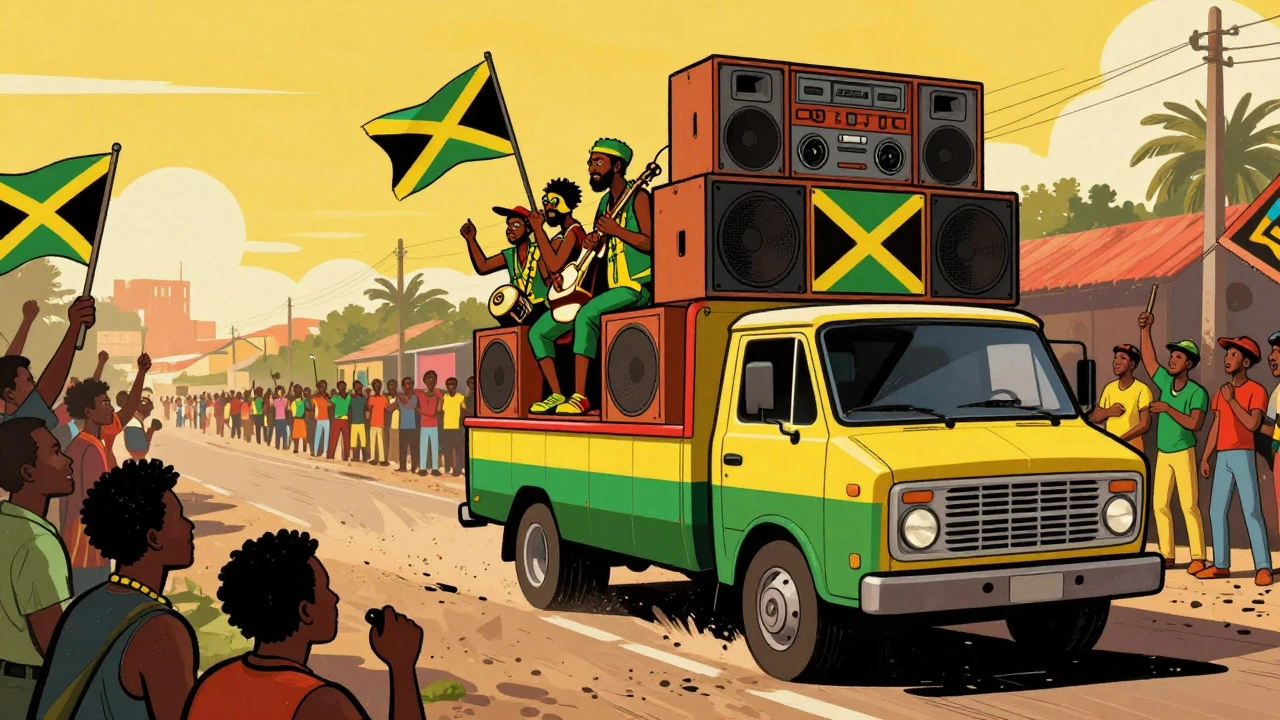

Political Reggae of the 1980s: Lyrics, Activism, and Awareness
Explore how 1980s political reggae fueled anti-apartheid movements and social change. Discover key songs, artists, and the lasting impact of this powerful genre.
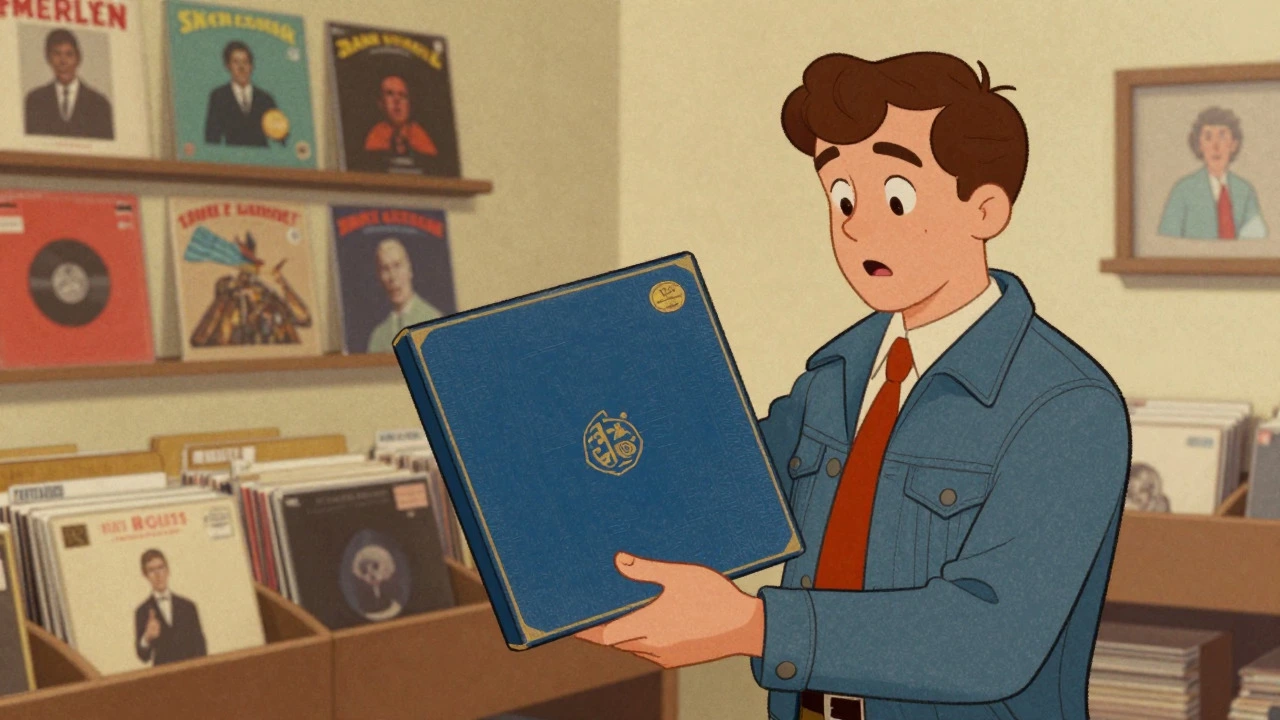

The Rise of Vinyl Box Sets in the 1970s: How Packaging Changed Music
Explore how 1970s vinyl box sets revolutionized music packaging. From The Beatles Collection to Led Zeppelin, discover the art, materials, and regional variations that defined this golden era of album art.
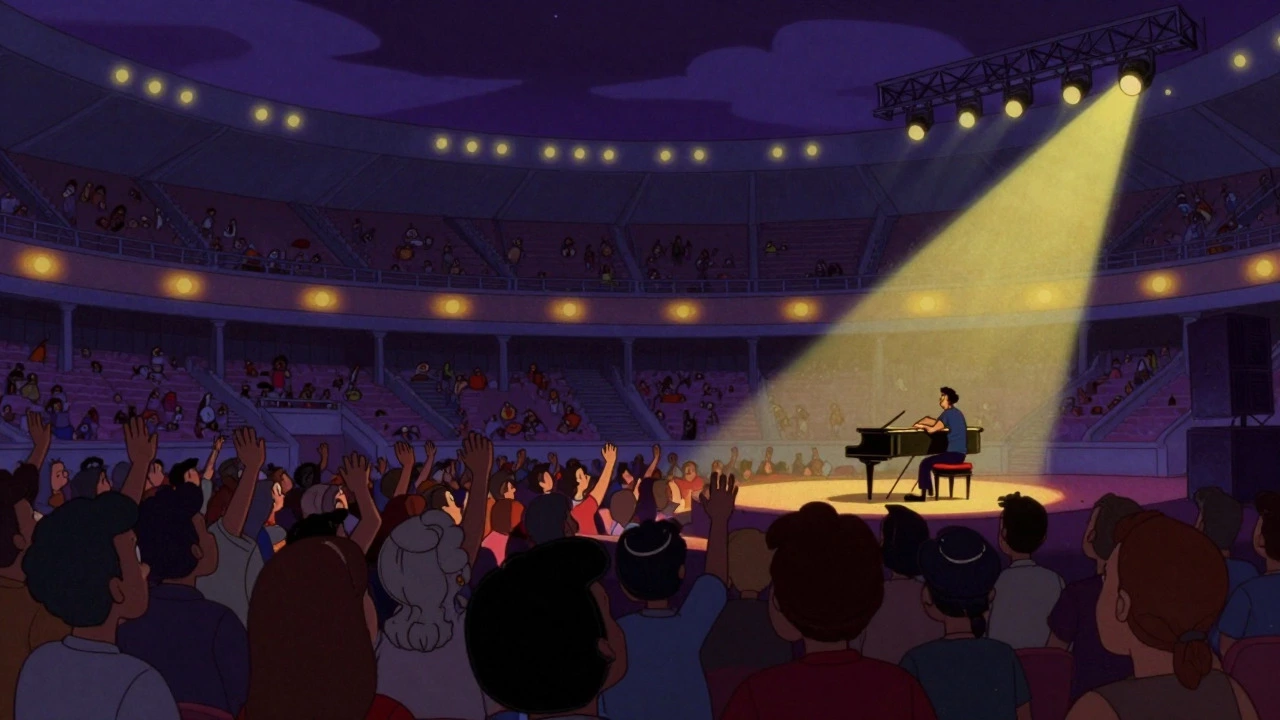

The Anatomy of the 1980s Power Ballad: Why These Stadium Anthems Still Resonate
Explore the anatomy of the 1980s power ballad, from its quiet intros to stadium-shaking climaxes. Discover how legends like REO Speedwagon, Heart, and Poison defined an era with emotional anthems.
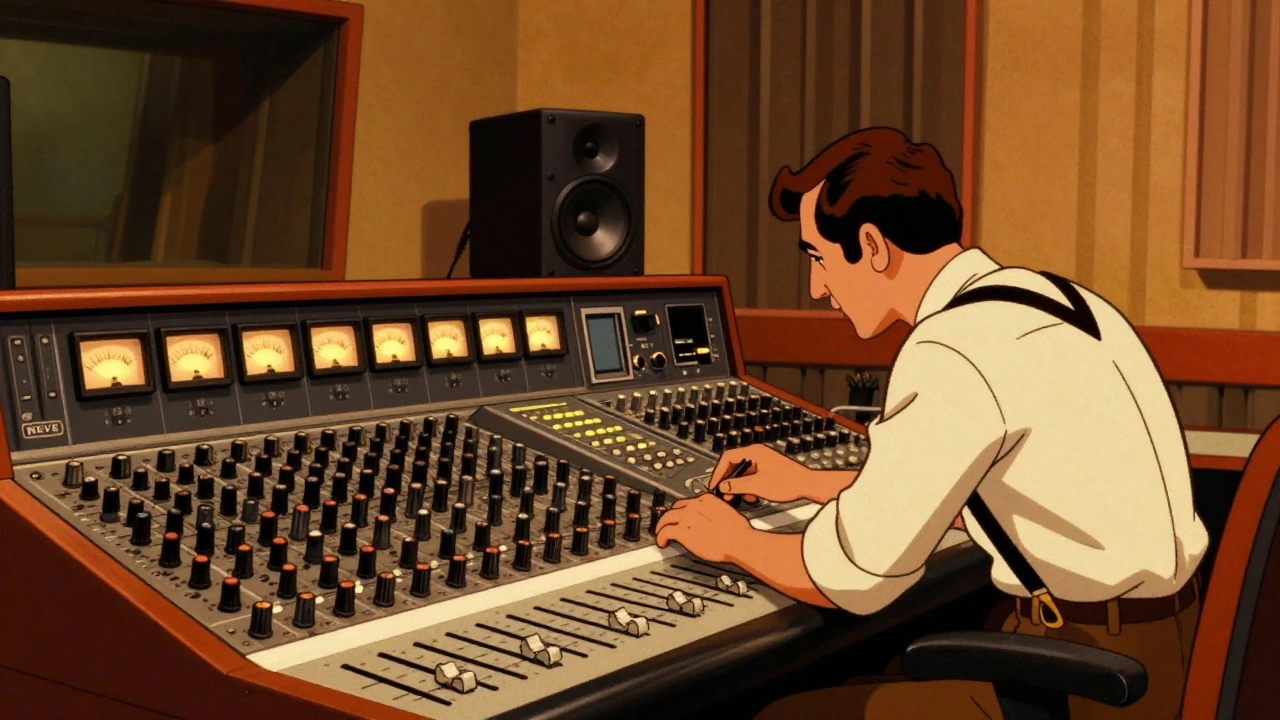
Mixing Disco on Analog Consoles: 1970s Studio Workflows and Techniques
Explore the 1970s studio workflows for mixing disco on analog consoles. Learn how engineers used Neve, Harrison, and SSL desks to manage low-end, tape saturation, and dynamics for vinyl.
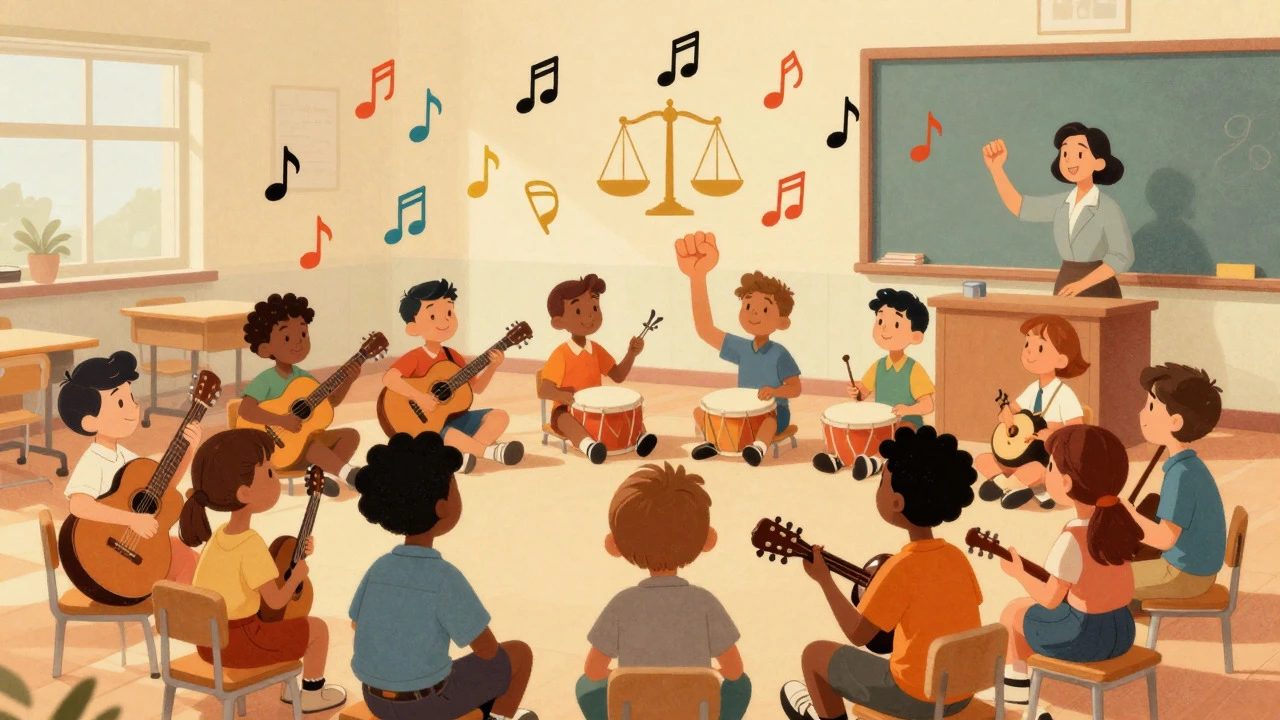

How Music Education Builds Social Awareness Through Song
Explore how music education fosters social awareness through song. Learn about critical pedagogy, Freire's theories, and practical strategies for building empathy and justice in the classroom.
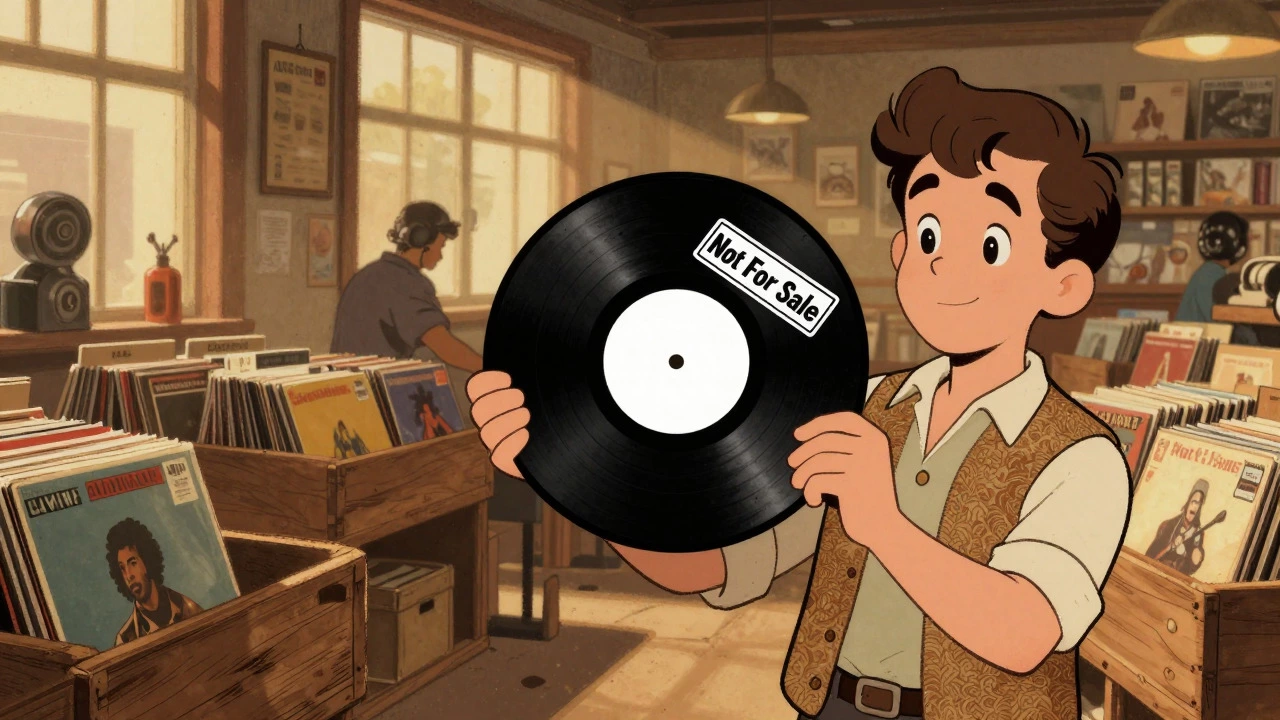

Promotional Copies and White Labels: The Essential Tools for Radio DJs
Explore the history and impact of promotional copies and white labels. Learn how these tools shaped radio play, DJ culture, and the music industry from the 1950s to today.
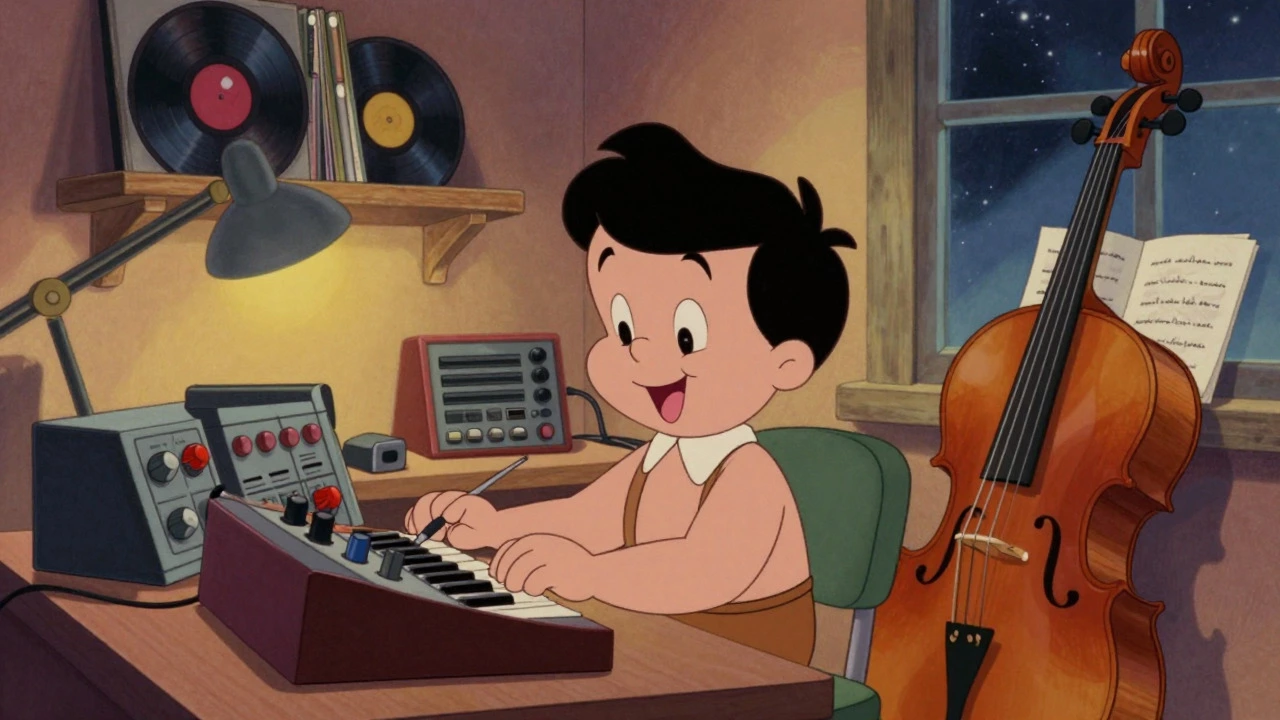

How to Blend Synthesizers and Acoustic Orchestras: A Practical Guide
Learn how to blend synthesizers with acoustic orchestras for hybrid scoring. Explore tools like Roland HQ and Polaris, mixing tips, and historical context.
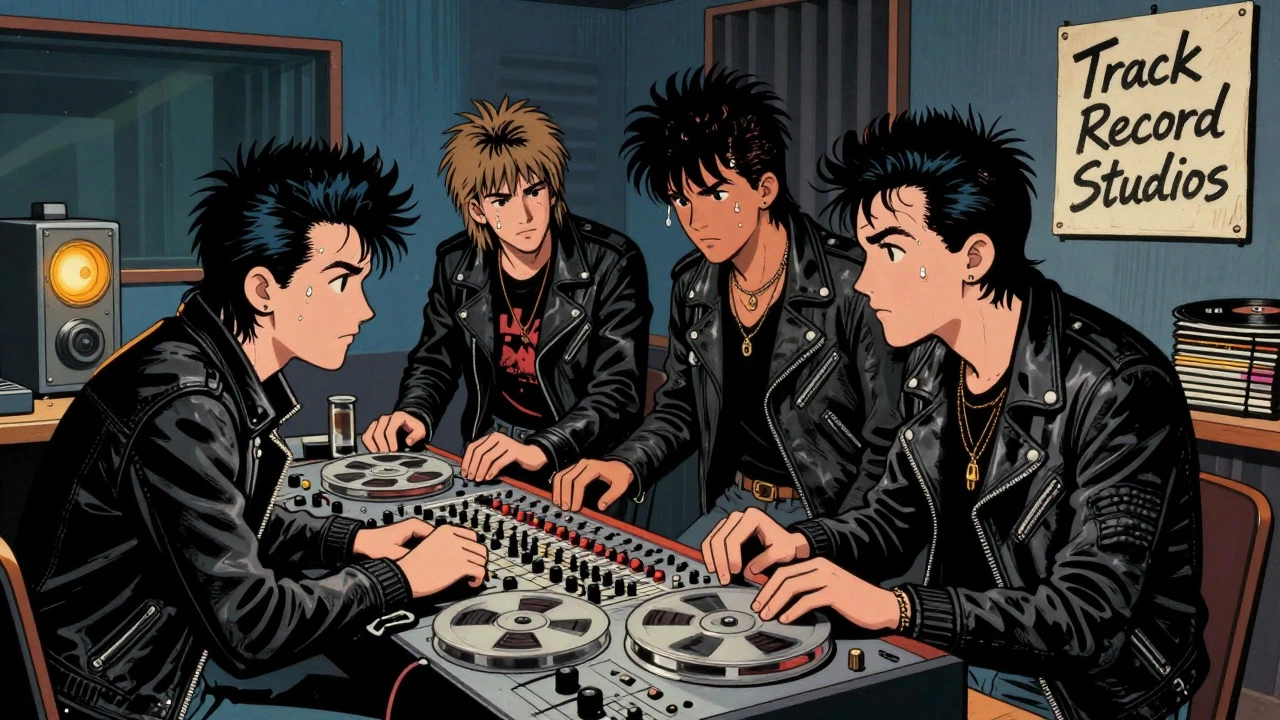

Bad Religion’s How Could Hell Be Any Worse: Why This 1982 Punk Classic Still Matters
Explore how Bad Religion's 1982 debut 'How Could Hell Be Any Worse?' built the foundation for Epitaph Records and sustained punk longevity through DIY ethics and intellectual lyrics.
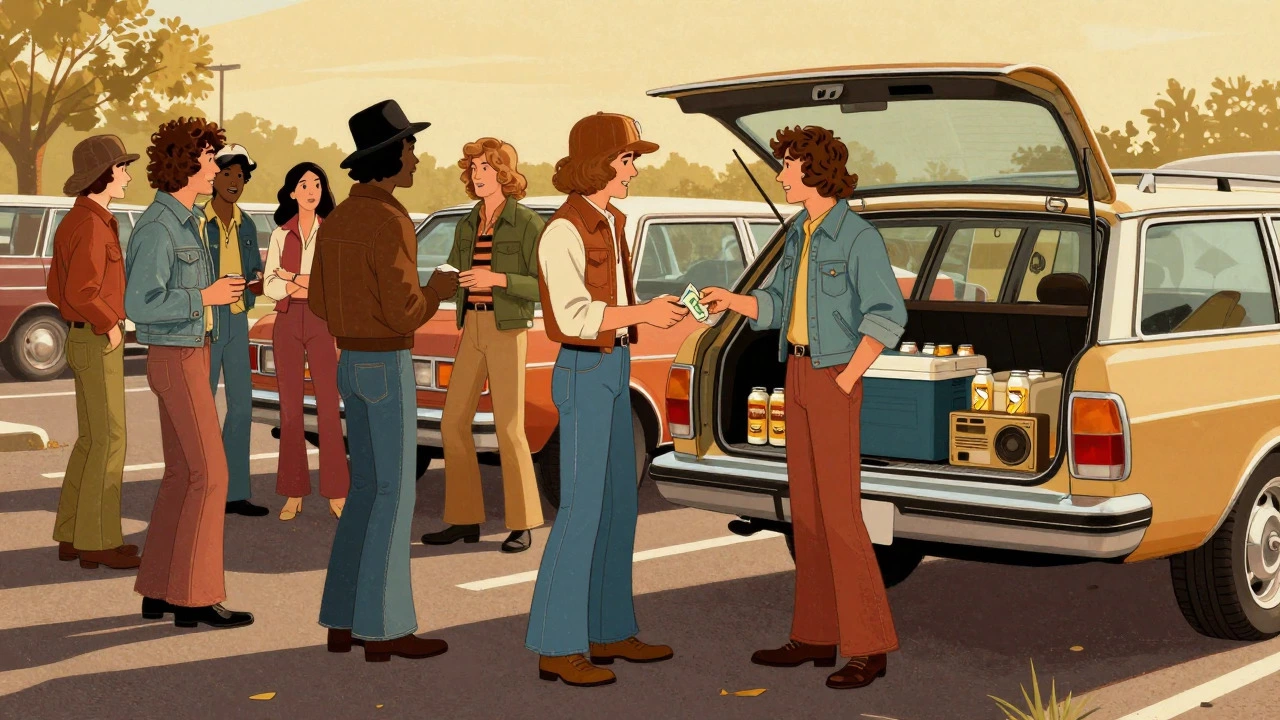

Audience Experience: What 1970s Concerts Felt Like
Explore the raw, immersive world of 1970s concerts. From $7 tickets to stadium-sized crowds, discover what it really felt like to experience live music during the golden age of arena rock.
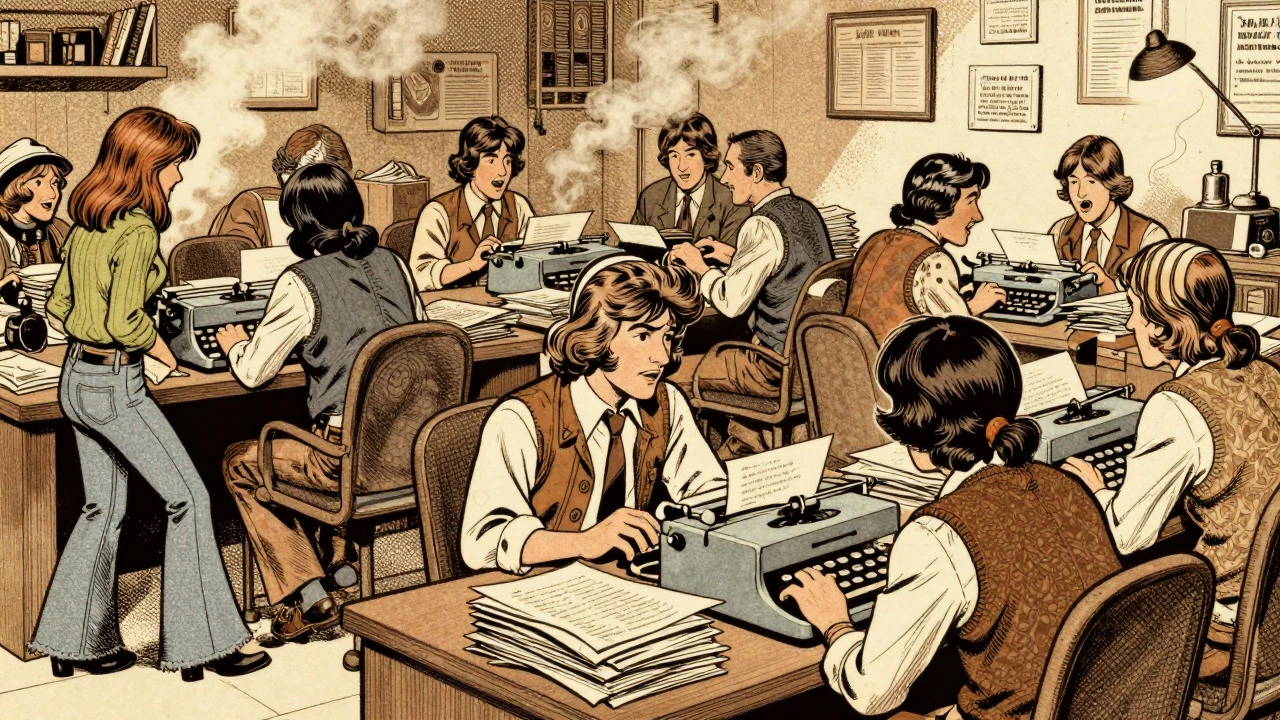
How Rolling Stone Magazine Defined 1970s Rock Journalism
Explore how Rolling Stone Magazine defined 1970s rock journalism through long-form narratives, Gonzo writing by Hunter S. Thompson, and iconic photography by Annie Leibovitz.
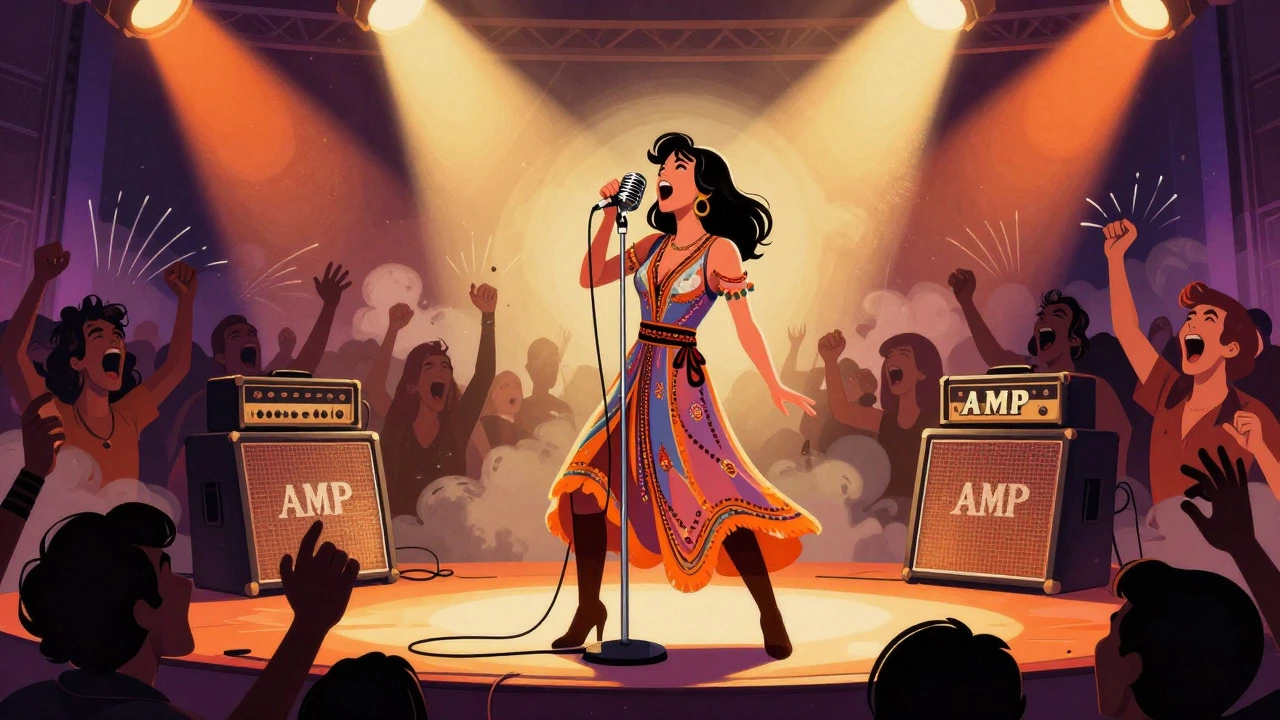

Vocal Health and Technique: Sustaining Power Across 1970s Tours
Explore how 1970s female artists sustained powerful vocals on demanding tours despite limited medical knowledge. Learn about vocal nodules, technique evolution, and the legacy of Stevie Nicks.
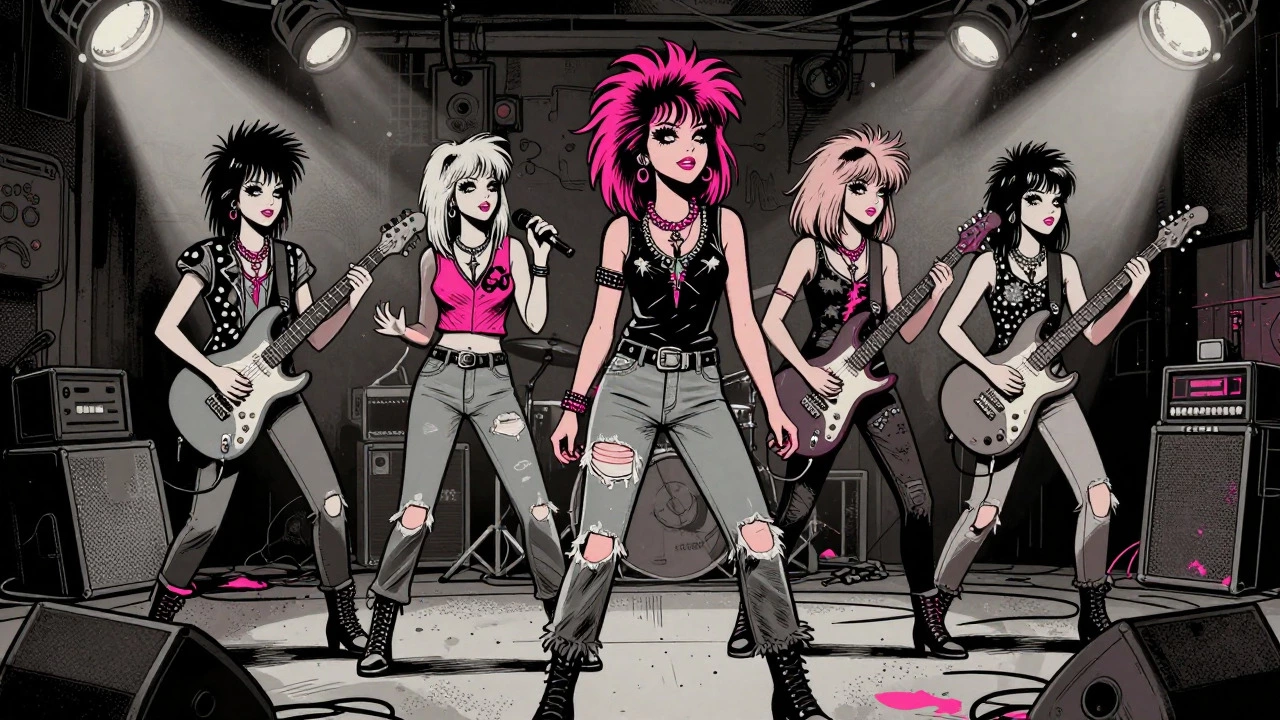
The Go-Go’s: How This All-Female Band Revolutionized the Music Industry
Discover how The Go-Go’s became the first all-female band to top the Billboard charts with self-written songs, reshaping the music industry and inspiring generations of women in rock.