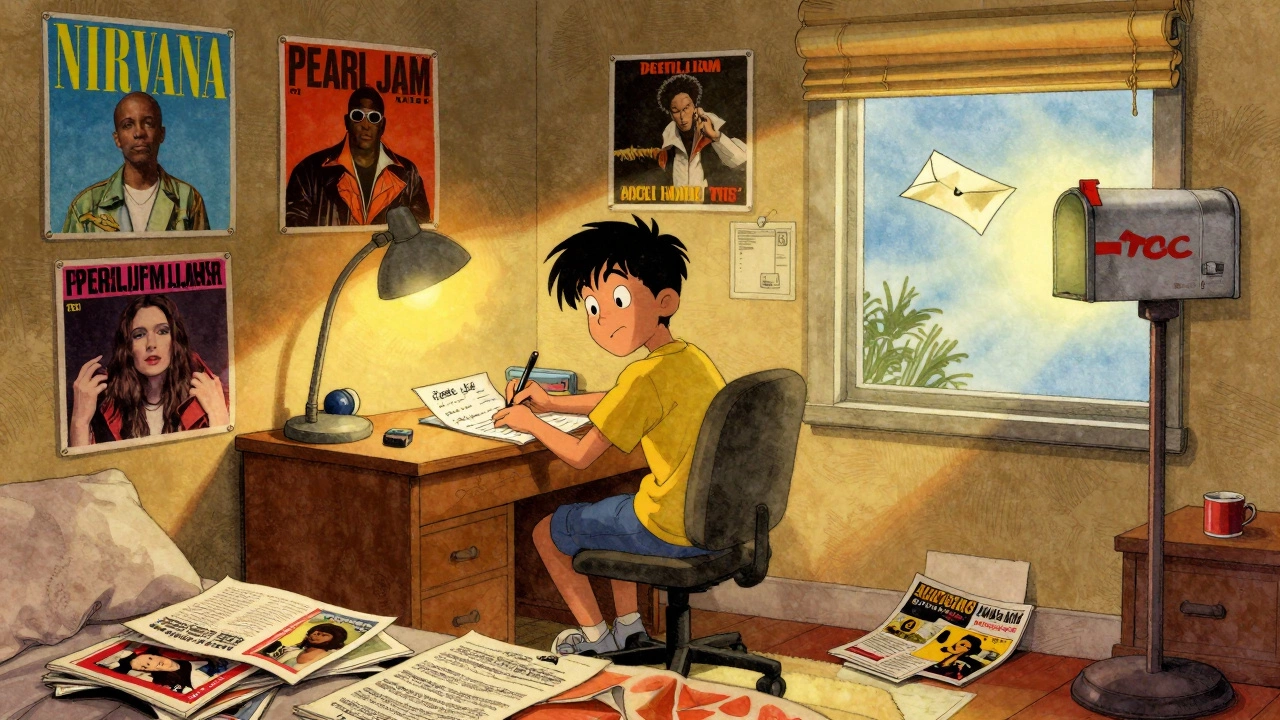

Back in the 1990s, music critics held a lot of power. Magazines like Rolling Stone, NME, and Spin decided what was cool, what was trash, and what you should be listening to. But something unexpected happened: people stopped listening to them. Not because they didn’t care - but because they cared too much. And they started writing back.
When Critics Got It Wrong
Remember when Nirvana’s Nevermind dropped in 1991? Critics called it raw, messy, and unpolished. Some said it was a fluke. A few even dismissed it as "teenage noise." But kids across America bought it by the millions. By the end of the year, it was number one. The critics didn’t see it coming - but fans did. And they weren’t shy about saying so.
Same with Pearl Jam’s Ten. Critics called it "overblown grunge." One reviewer in Entertainment Weekly wrote, "It’s like a high school band trying to sound deep." Meanwhile, fans packed arenas. The album sold over 13 million copies. No critic’s review changed that.
Then there was TLC’s CrazySexyCool. Critics praised the production but mocked the lyrics as "naive" and "teenybopper." One writer called it "a sugar rush with no substance." But the album sold 14 million copies. Women, especially, connected with the songs - they weren’t just listening to music, they were hearing their own lives.
The Letters Pages That Shook the Industry
Back then, magazines still printed real letters from readers. Not just a few. Sometimes dozens. And in the mid-90s, those letters started changing tone. They weren’t just saying "I liked it." They were saying: "You don’t get it."
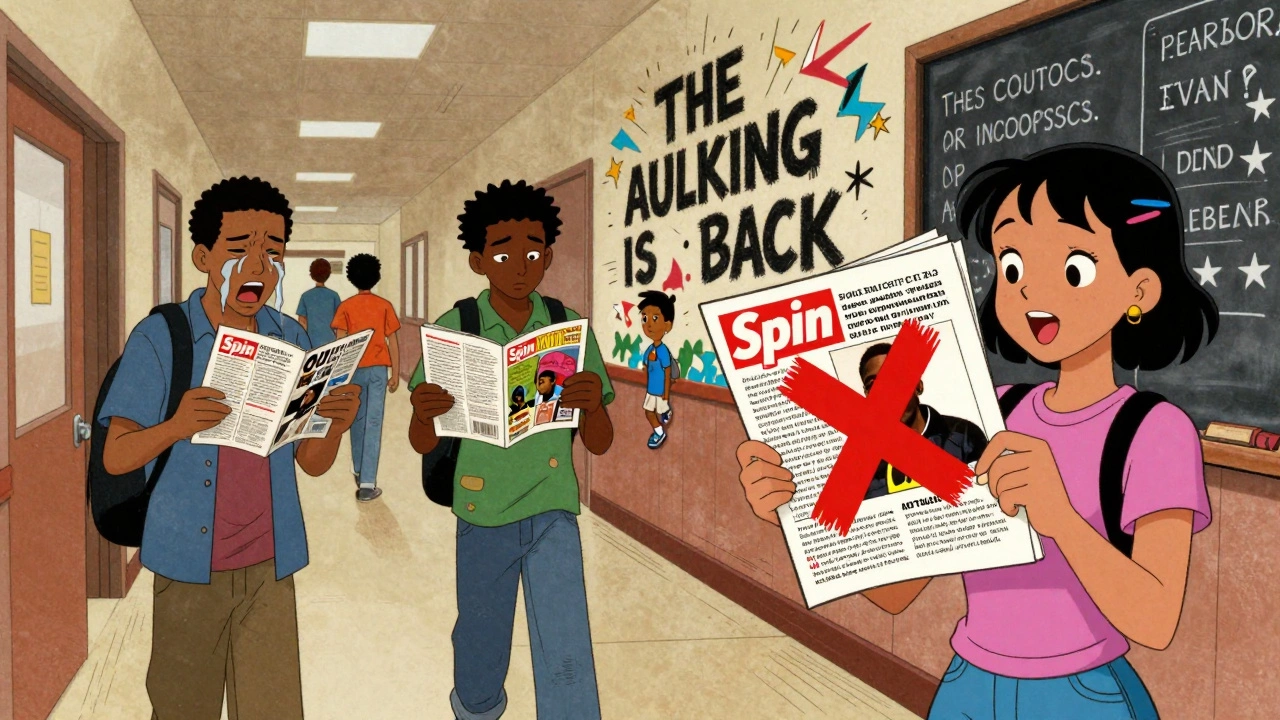
In 1995, Spin ran a scathing review of OutKast’s debut album, ATLiens. The critic called it "overproduced and directionless." Within weeks, the letters section exploded. One reader wrote: "You’re reviewing a Black Southern hip-hop album like it’s supposed to sound like New York. That’s not how it works. You’re not the gatekeeper. We are." Another: "I’m 17. I’ve never heard anything this alive. You’re the one who’s dead."
That issue sold out. The magazine printed a follow-up letter from the editor: "We heard you. And we’re listening."
It wasn’t just Spin. NME got a flood of letters after panning Radiohead’s OK Computer as "pretentious." One fan mailed a handwritten 12-page essay titled "Why This Album Saved My Life." It was published in full. A month later, NME named it Album of the Year.
The Rise of the Fan Zine
When mainstream magazines ignored or mocked what fans loved, fans built their own platforms. Fan zines - photocopied, stapled, passed around in high school hallways - became the real voice of music culture.
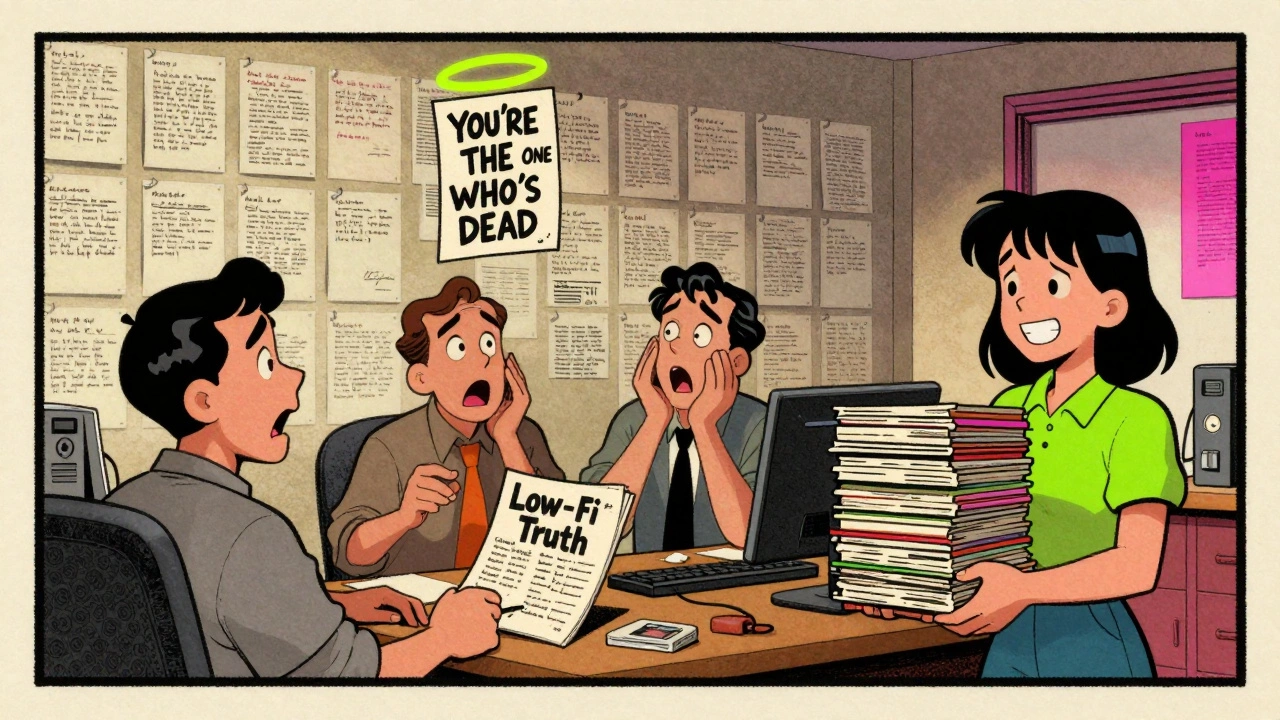
In Portland, a 16-year-old named Jamie ran Low-Fi Truth out of her basement. She typed each issue on an old IBM, printed 300 copies, and mailed them to record stores and fan clubs. One issue featured a direct rebuttal to Robert Christgau’s review of Smashing Pumpkins’ Siamese Dream. Christgau had called it "overblown and emotionally dishonest." Jamie’s zine ran side-by-side quotes from fans: "It’s the only album that made me feel like someone else understood my loneliness." "I listened to it while I cried after my mom left. That’s not overblown. That’s real."
By 1997, Low-Fi Truth had 12,000 readers. It wasn’t just fans. Musicians started reading it. Billy Corgan sent a handwritten note: "You’re the only ones who got it."
Why Critics Lost Their Grip
Critics didn’t lose power because they were wrong. They lost it because they acted like they were right - all the time.
They treated taste like a science. They ranked albums like they were grading exams. They acted like their opinion was the only one that mattered. But music doesn’t work that way. It’s personal. It’s emotional. It’s tied to your first kiss, your first fight, your first time feeling like you belonged.
Fans didn’t need critics to tell them what mattered. They already knew. They just needed a place to say it out loud.
And when magazines started printing those letters? That’s when things changed. Not because critics changed their minds - but because they realized: the audience wasn’t just listening. They were talking back.
The Lasting Impact
Today, when a critic pans a new album, fans don’t write letters. They post reviews on RateYourMusic. They make TikTok edits. They reply with memes. But the pattern is the same.
The 1990s didn’t kill music criticism. It redefined it. It proved that taste isn’t handed down from above. It’s built from below - by people who show up, who speak up, and who refuse to let someone else decide what they love.
That’s why, 30 years later, you still hear fans arguing about whether Back to the Future Part II was better than Back to the Future. Or whether Appetite for Destruction is a masterpiece or a mess. Because those debates didn’t start with critics. They started with fans who refused to stay quiet.
Were there organized fan campaigns against music critics in the 1990s?
There weren’t formal organizations like today’s activist groups, but there were coordinated efforts. Fans mailed letters in bulk to magazines, organized zine swaps across cities, and sometimes pooled money to buy copies of magazines just to send in rebuttals. One fan group in Minneapolis sent over 400 letters to Rolling Stone after they dismissed Björk’s Post as "alienating." The magazine published 17 of them in a single issue.
Did any critics change their views after reading fan letters?
Yes. Several did. Lester Bangs, before his death in 1982, had already begun to value fan feedback. In the 90s, critics like Greg Kot of the Chicago Tribune started including fan letters in reviews. Robert Christgau wrote in 1998: "I’ve stopped pretending I know what every listener feels. Sometimes, the people who love it know better than I do." That was a quiet revolution.
What role did fan zines play in music journalism?
Fan zines were the original blogs. They gave voice to people ignored by mainstream media - teenagers, women, people of color, queer listeners. They didn’t just defend albums; they redefined what mattered. One zine, Girls Don’t Cry, focused on female fans of riot grrrl bands and helped shift how critics talked about emotion in punk music. By the late 90s, major publications were borrowing language and ideas from zines.
Did any fan letters get published in newspapers?
Absolutely. The New York Times published a letter in 1996 from a 14-year-old in Ohio defending Alanis Morissette’s Jagged Little Pill after critics called it "angry and unrefined." The letter went viral in print. It read: "You think she’s loud? Try living in my house. She’s the only one who made me feel like my rage wasn’t wrong." The paper later ran a follow-up feature on teen music fans.
Why did fans care so much about music reviews in the 90s?
Because music was identity. In the 90s, you didn’t just listen to Nirvana - you became Nirvana. You wore the flannel, you learned the lyrics, you defended it at school. Critics weren’t just judging an album. They were judging your taste, your rebellion, your sense of self. So when they called it trash, fans didn’t just disagree - they fought back. It wasn’t about music. It was about being heard.
What Happened Next
By 1999, the letters pages were shrinking. Magazines cut them to save space. But the movement didn’t die. It just moved online. AOL forums, early message boards, and eventually blogs picked up where the zines left off.
Today, when a critic says a new album is "overrated," fans don’t wait for permission to respond. They tweet. They post. They make videos. But if you dig deep enough, you’ll find the roots of that rebellion in the stacks of photocopied zines, the handwritten letters, and the readers who refused to stay silent.
Music criticism didn’t end. It just got louder. And it finally started listening.


