Category: Music History - Page 28
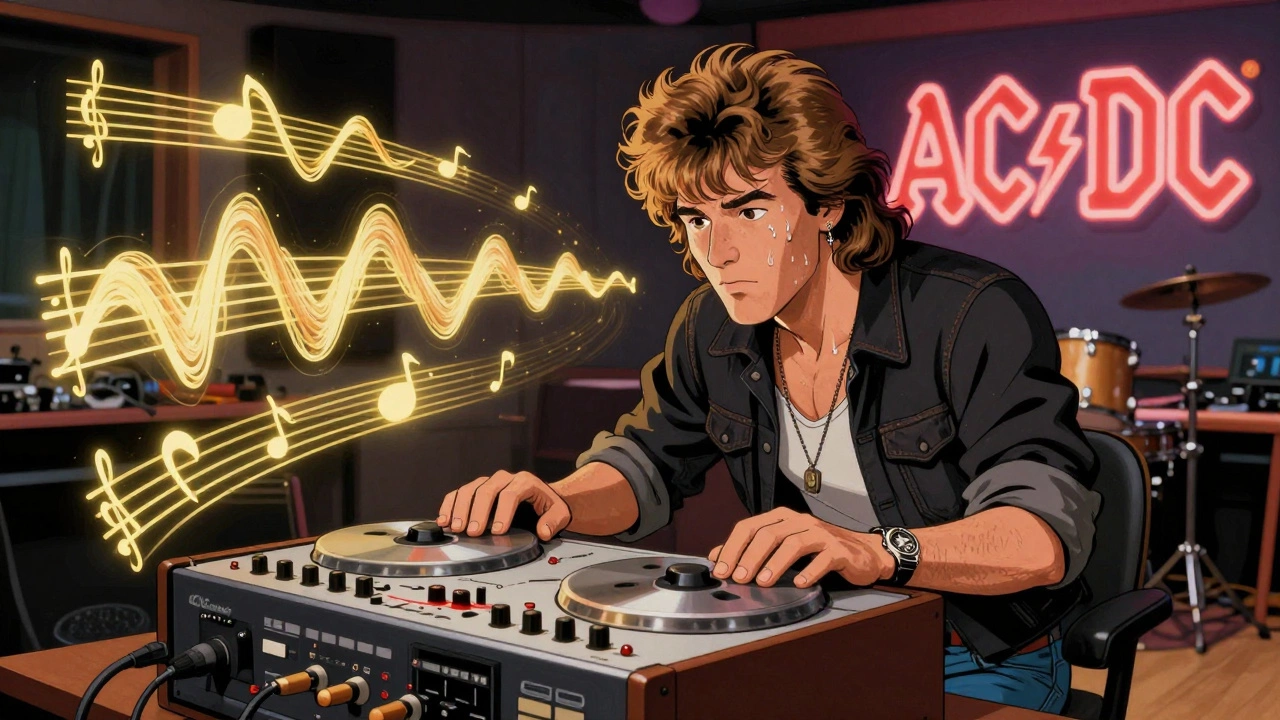

Producer Midas Touch in 1980s Rock: Mutt Lange, Bob Clearmountain, and More
Mutt Lange, Bob Clearmountain, and other 1980s rock producers reshaped the sound of rock music with obsessive detail, innovative techniques, and a refusal to accept anything less than perfection. Their legacy still echoes in today's music.
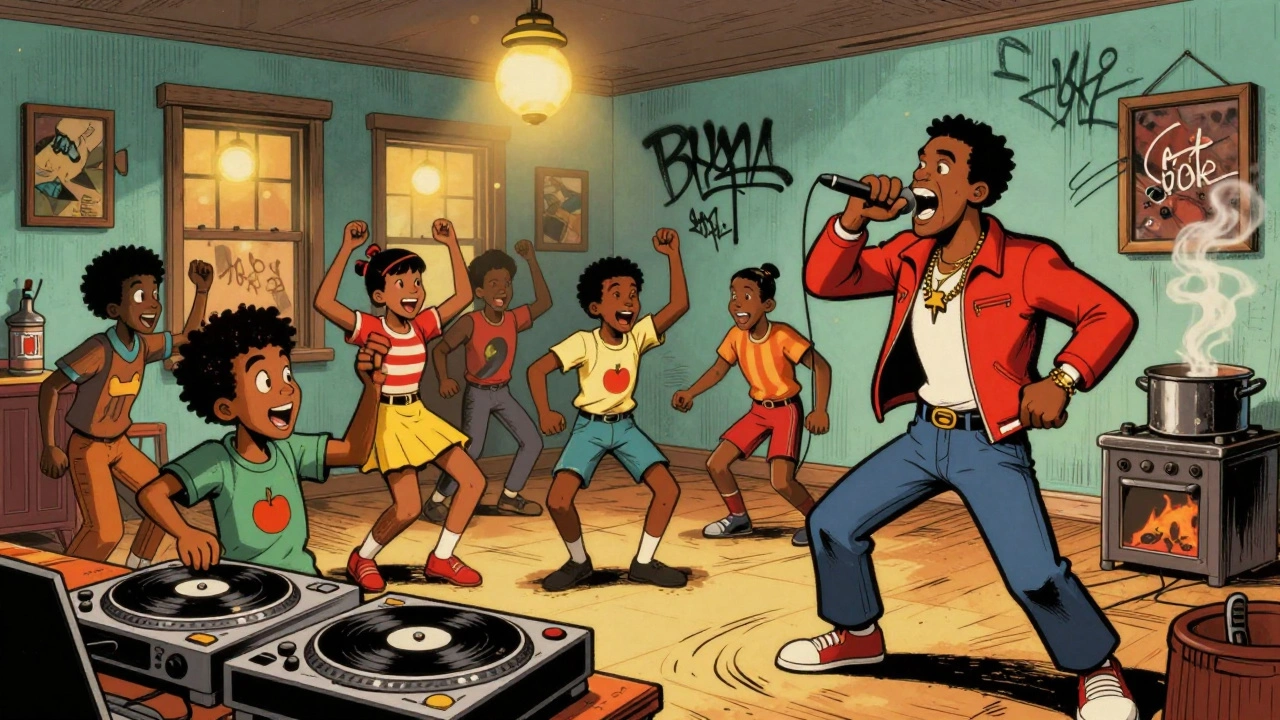

From Party Music to Art: How Hip-Hop Became a Voice for a Generation
Hip-hop began as party music in the Bronx, but evolved into a powerful art form that gives voice to marginalized communities. From DJ Kool Herc to Tupac, it transformed from entertainment to testimony.
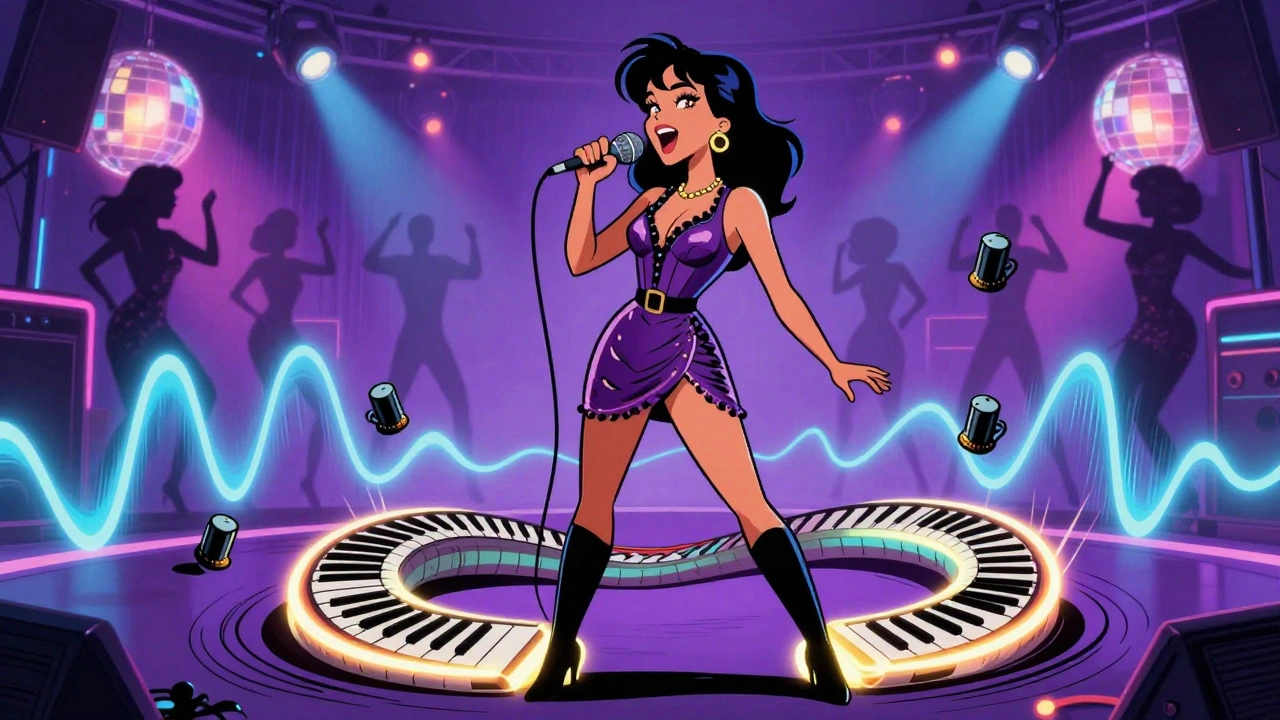

I Feel Love: How Donna Summer and Giorgio Moroder Invented Modern Electronic Dance Music
Donna Summer and Giorgio Moroder’s 1977 hit 'I Feel Love' revolutionized dance music by using synthesizers to create a hypnotic, futuristic groove that birthed house, techno, and EDM. It wasn't just a song-it was a blueprint for the future.
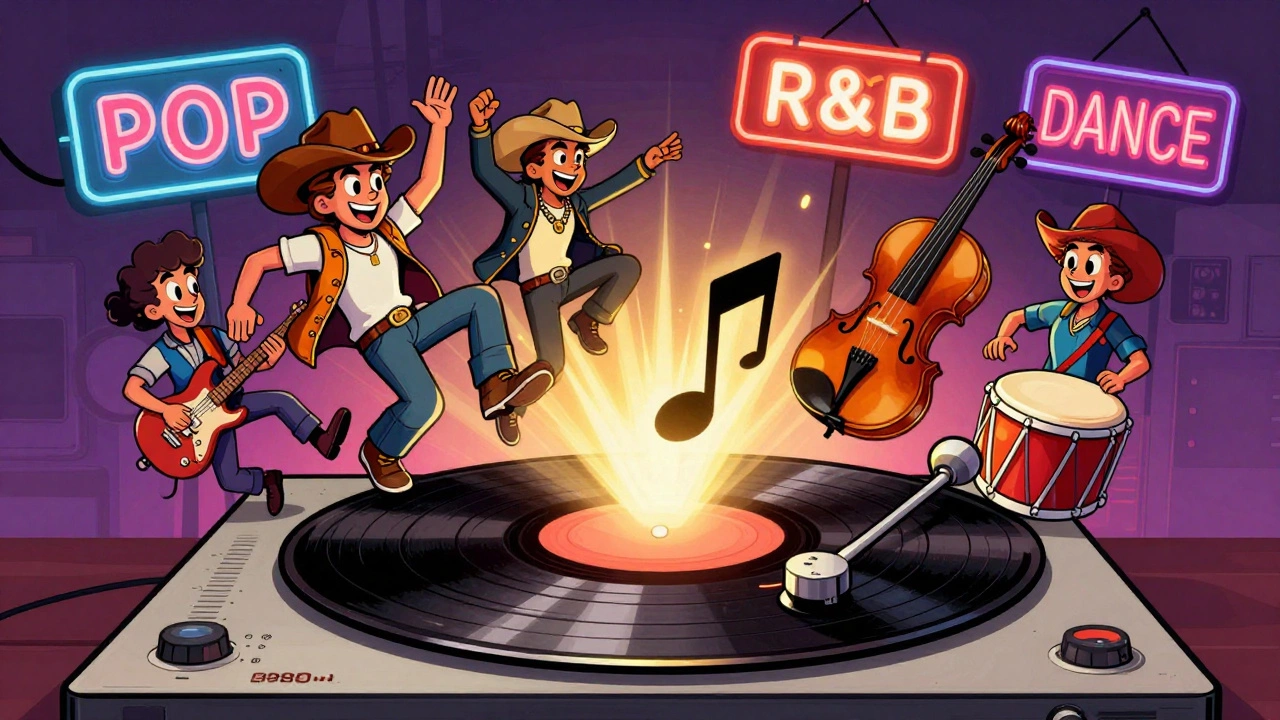

Crossover Hits of the 1980s: When Songs Ruled Multiple Billboard Charts
In the 1980s, crossover hits broke genre barriers on Billboard charts, fueled by MTV and bold collaborations. Songs like 'Islands in the Stream' and 'Conga' reached pop, country, and R&B audiences, reshaping music forever.
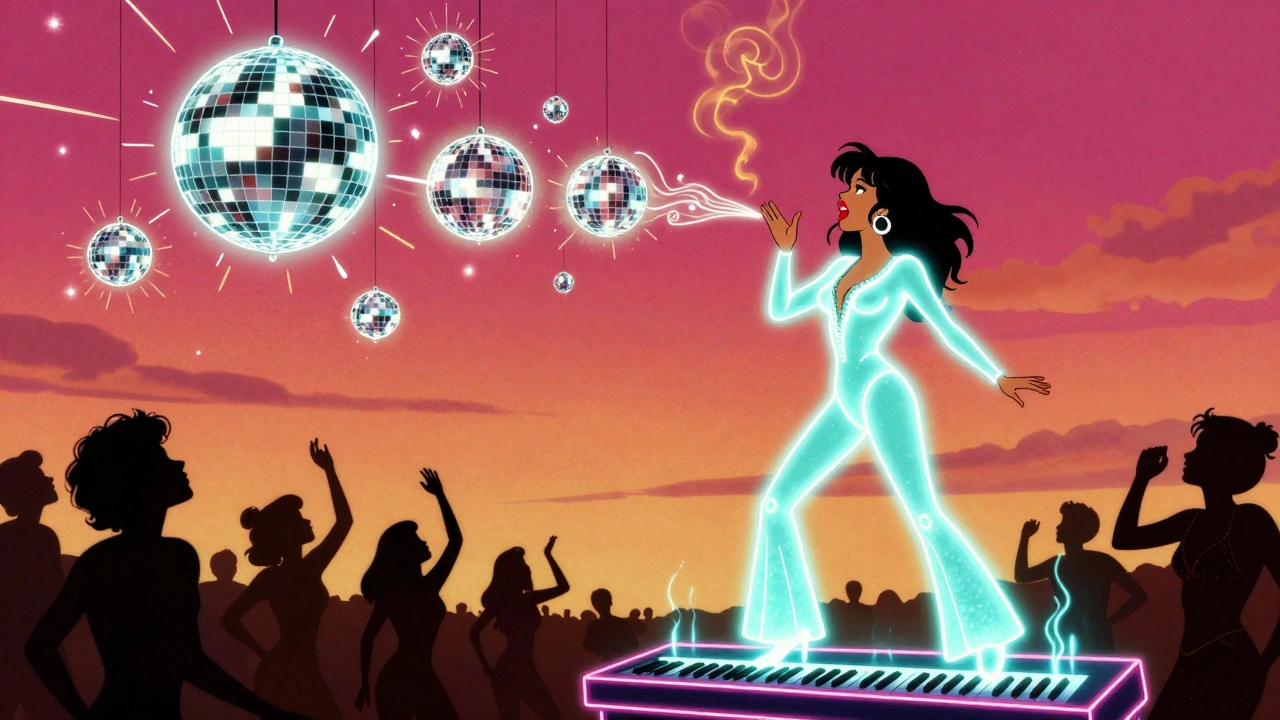

Legacy on Today’s Pop: 1970s Women Who Shaped Modern Sound
The 1970s gave us Donna Summer, Carole King, Diana Ross, and more - women who transformed pop music with bold vocals, self-written songs, and unapologetic power. Their legacy lives in every modern female artist who owns her sound.
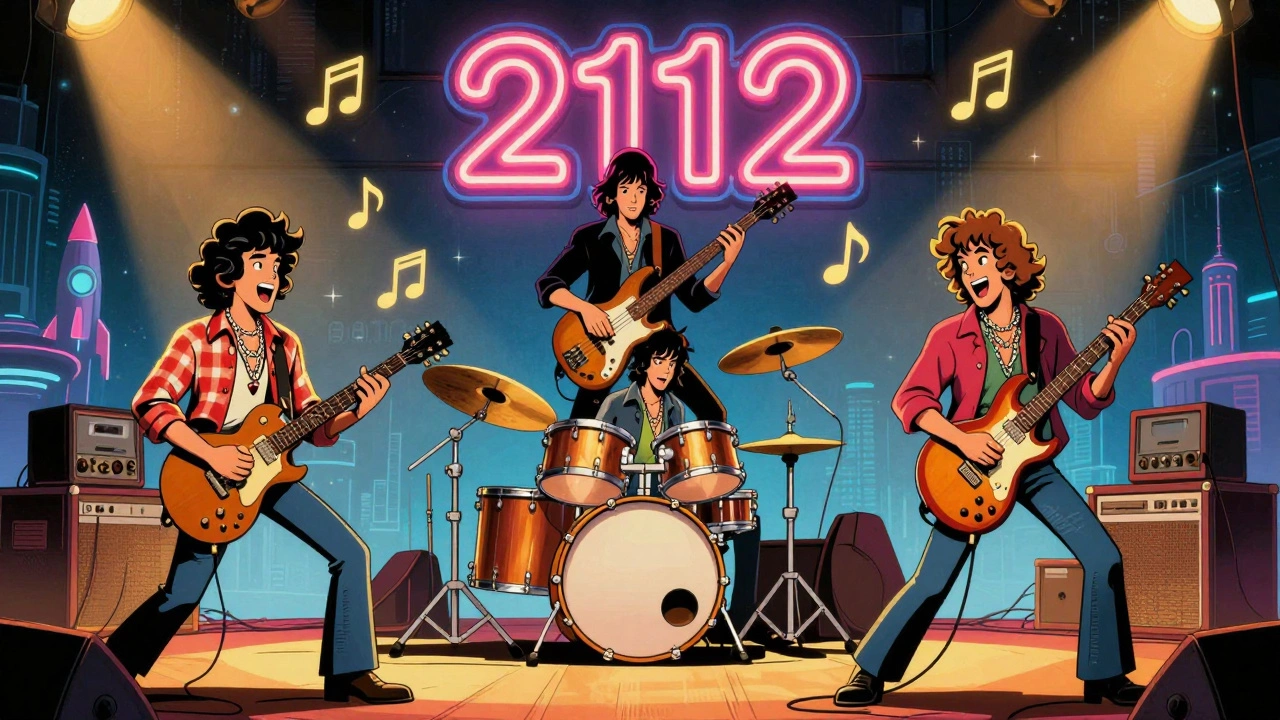
Canadian Musicians Rush and Neil Young: How They Shaped North American Rock
Rush and Neil Young, two Canadian icons, reshaped North American rock with technical mastery and raw authenticity. Their refusal to compromise defined a generation of music that still resonates today.
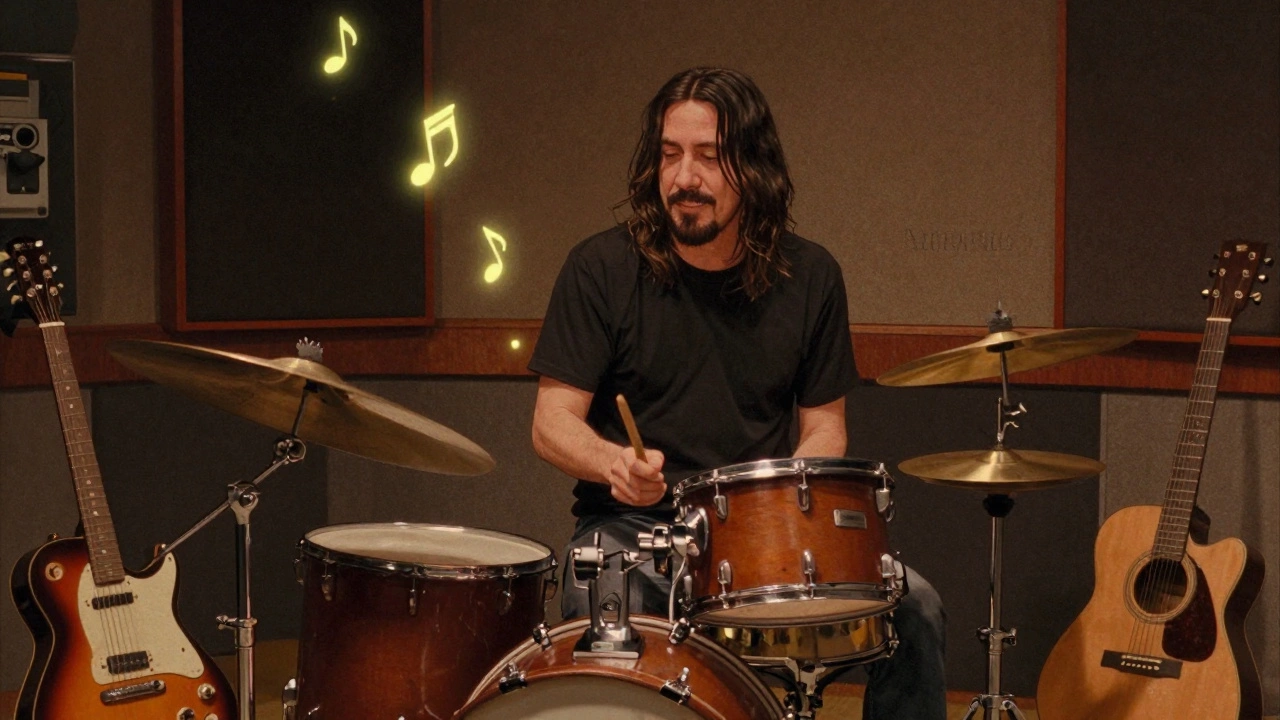

Foo Fighters and the Birth of Post-Grunge Stadium Rock in the 1990s
Foo Fighters transformed post-grunge rock in the 1990s by blending raw emotion with stadium-ready hooks, turning grief into enduring anthems that outlasted the grunge era. Their evolution from a solo project to a global powerhouse redefined what rock could be.
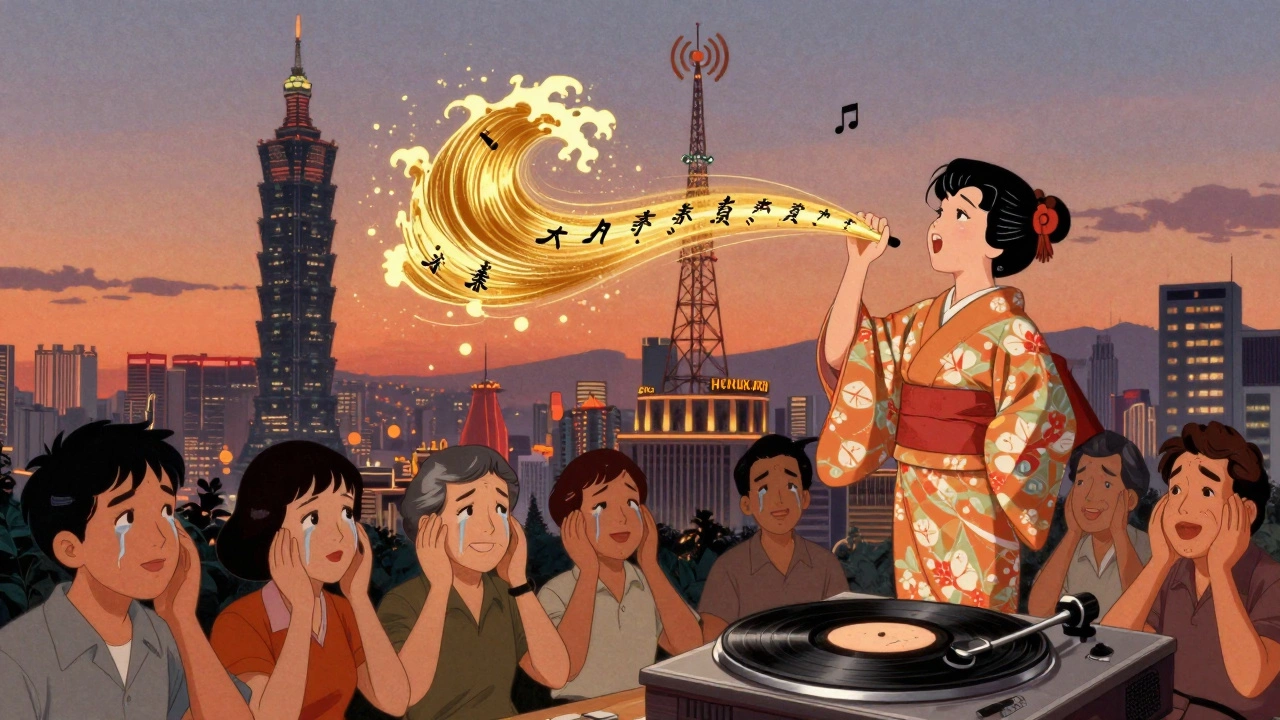
Japanese Music Scene: How 1970s Japan Shaped Asia's Pop Sound
In the 1970s, Japanese music became Asia's hidden musical force-through enka ballads, rock fusion, and synth pioneers like YMO. Its influence shaped K-pop, idol systems, and pop production across the continent.
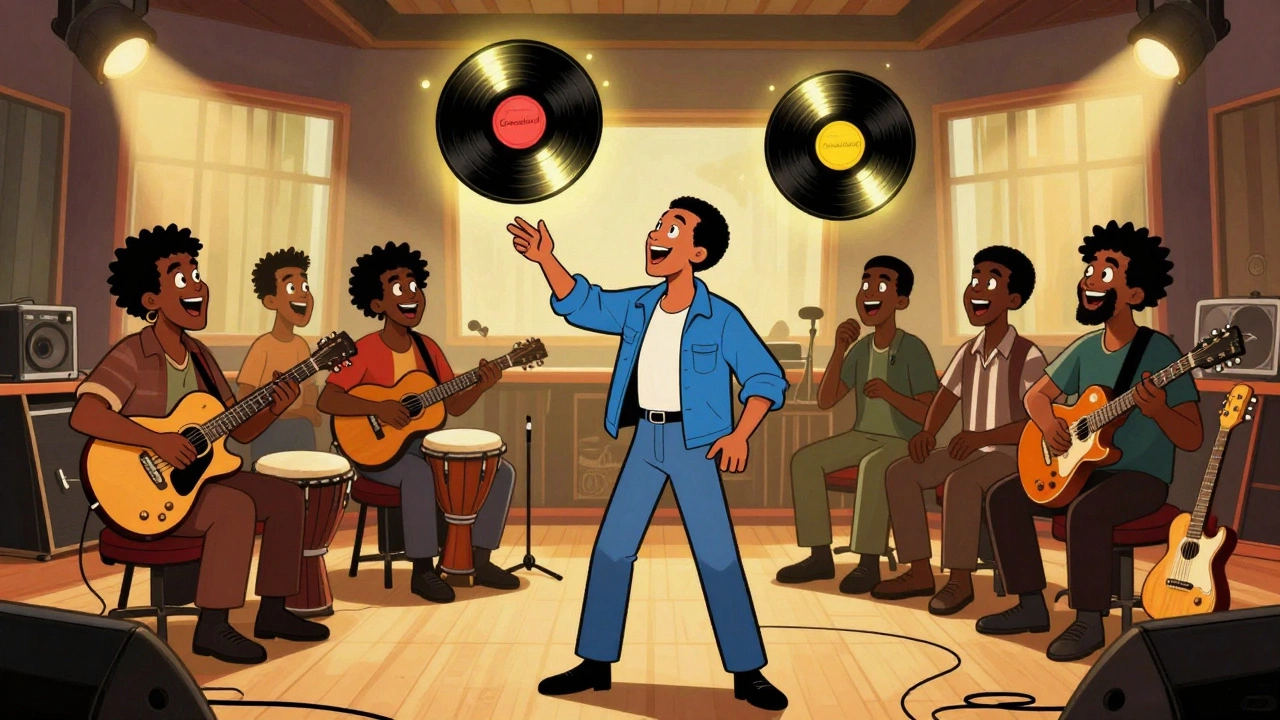
How African Music Broke Into Western Audiences in the 1980s
In the 1980s, African music broke into Western mainstream culture through groundbreaking collaborations, hit albums like Paul Simon's Graceland, and rising stars like Youssou N'Dour and Fela Kuti. This era transformed global music and laid the foundation for today's Afrobeats movement.
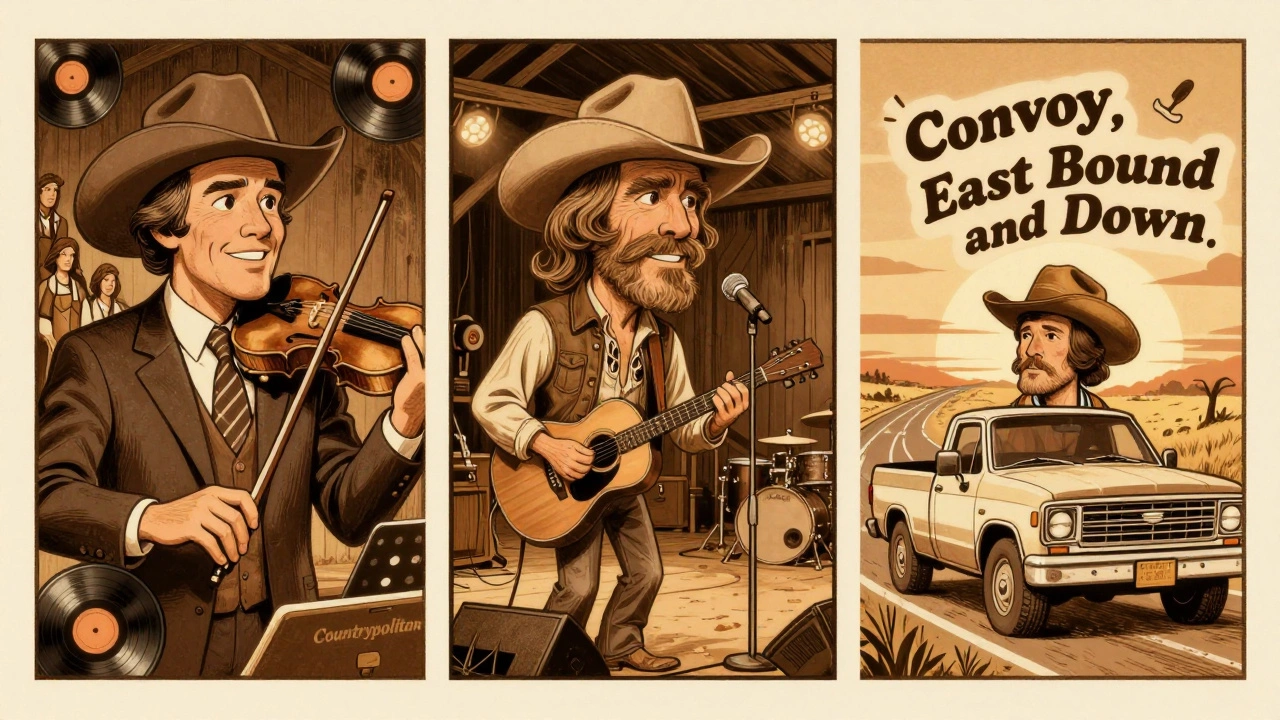

The Legacy of 1970s Country: Foundations of Modern Country Music
The 1970s shaped modern country music through the Outlaw movement, Countrypolitan pop crossover, and powerful storytelling by artists like Dolly Parton and Kenny Rogers. Their legacy lives on in today’s authentic, genre-blending hits.
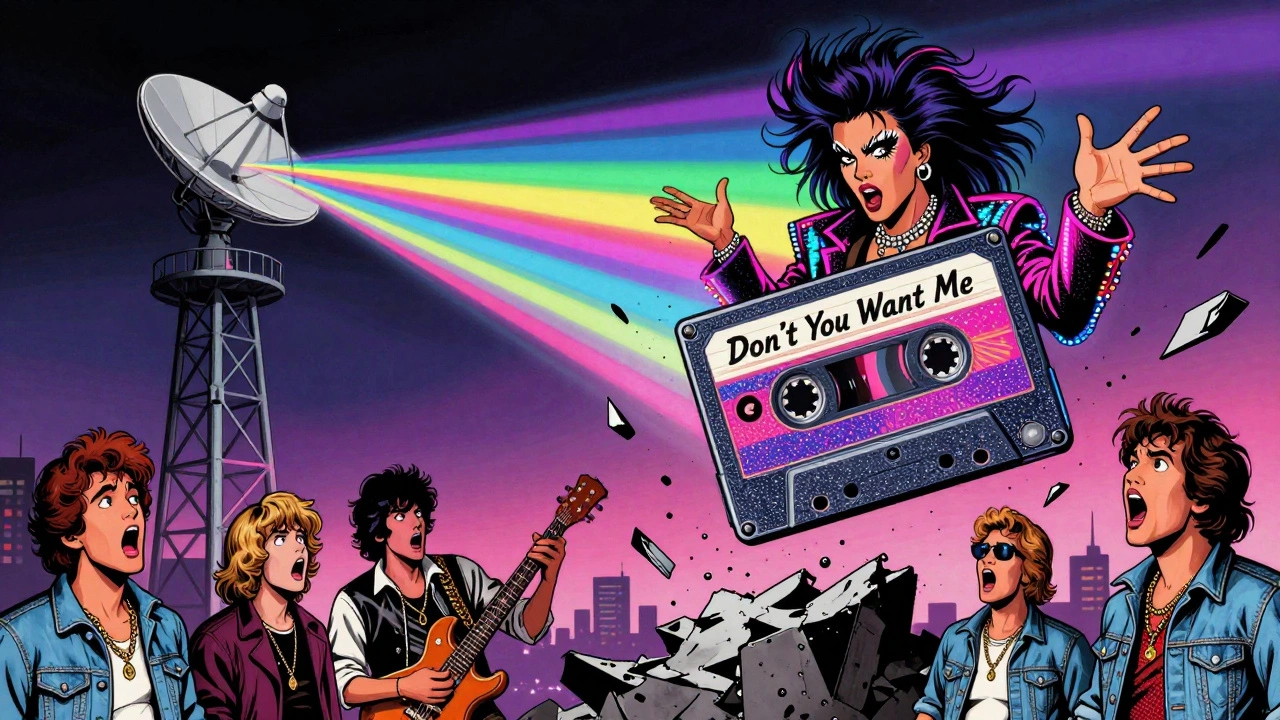
British Invasion Part Two: How 1980s UK Acts Took Over the Billboard Charts
Between 1982 and 1986, British acts like Duran Duran and Culture Club dominated the Billboard Hot 100, with 20 songs in the top 40 at once. MTV, synth-pop, and bold visuals turned the UK into America’s biggest music export.
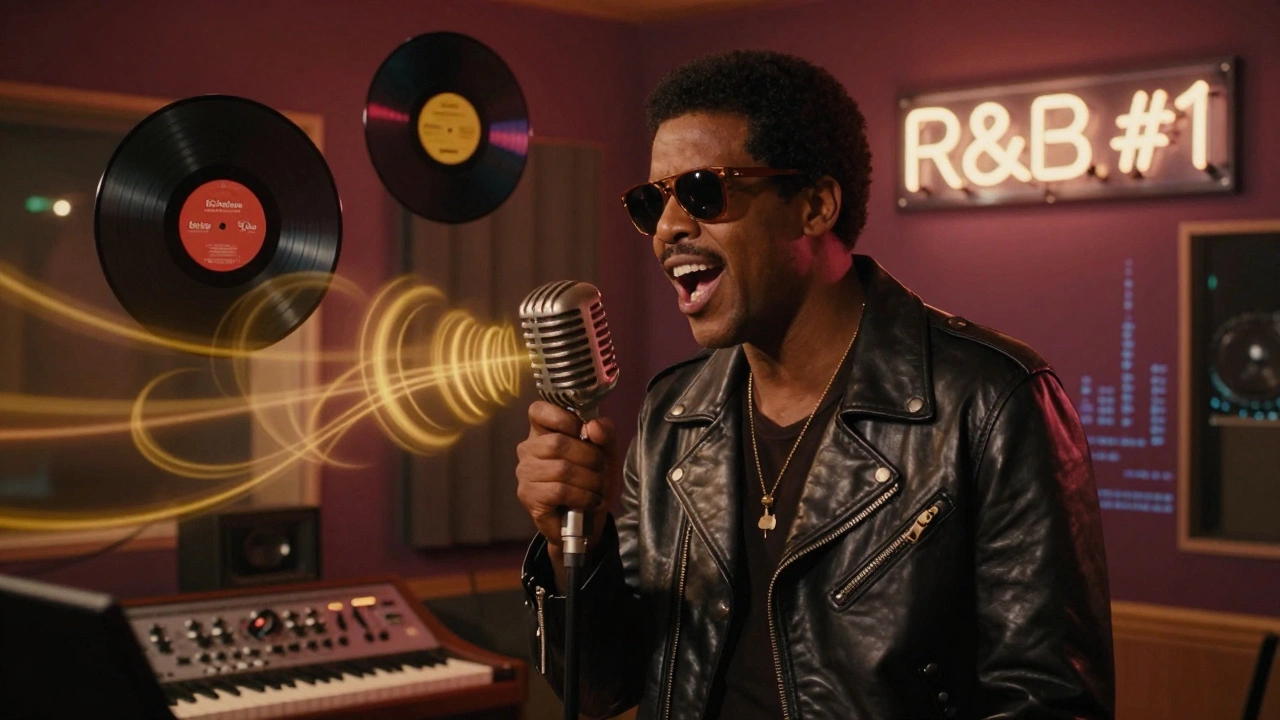
Smokey Robinson’s Enduring 1980s Soul Legacy: How He Dominated Charts When Others Faded
Smokey Robinson didn’t just survive the 1980s-he ruled it. With gold albums, chart-topping singles, and a steady presence on tour and at Motown, he proved legendary soul artists could stay relevant without turning nostalgic.