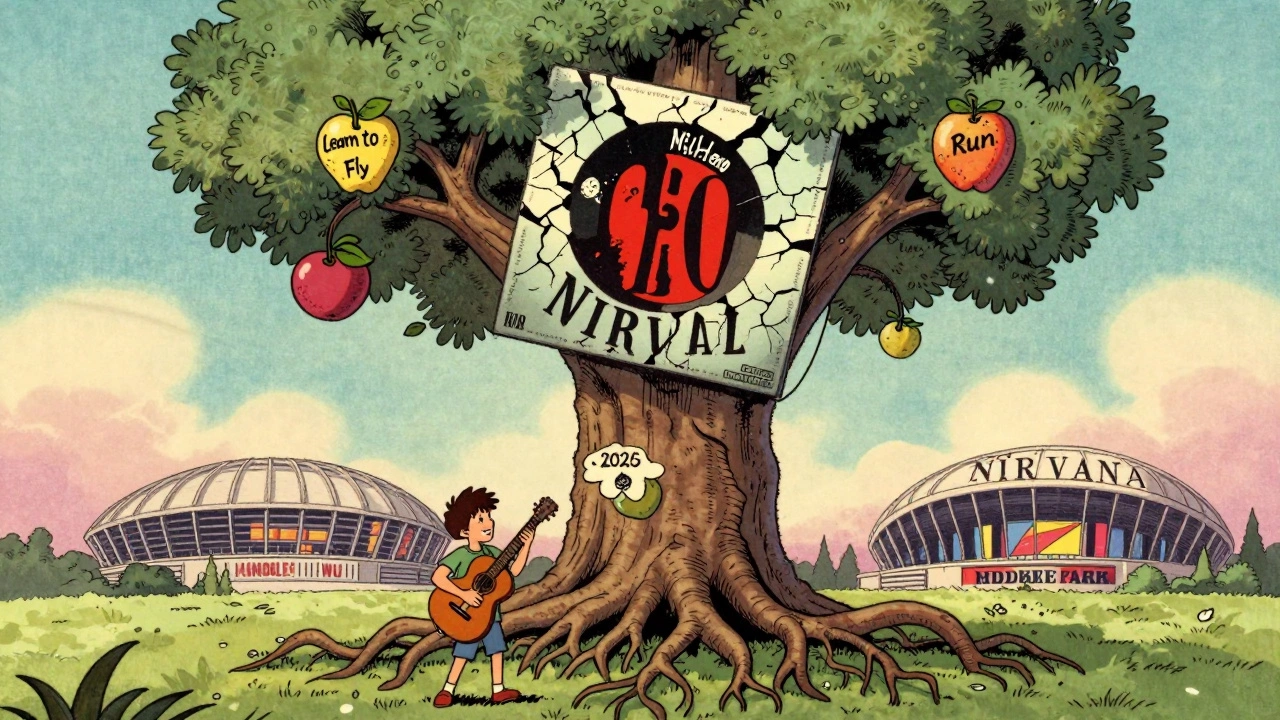

When Nirvana ended with Kurt Cobain’s death in 1994, a lot of people thought rock music had lost its edge. The raw, messy, emotional sound of grunge felt like it couldn’t survive without its voice. But out of that silence came something unexpected - a band that didn’t try to replace Nirvana, but instead built something new on its ruins. That band was the Foo Fighters.
From One Man to a Full Band
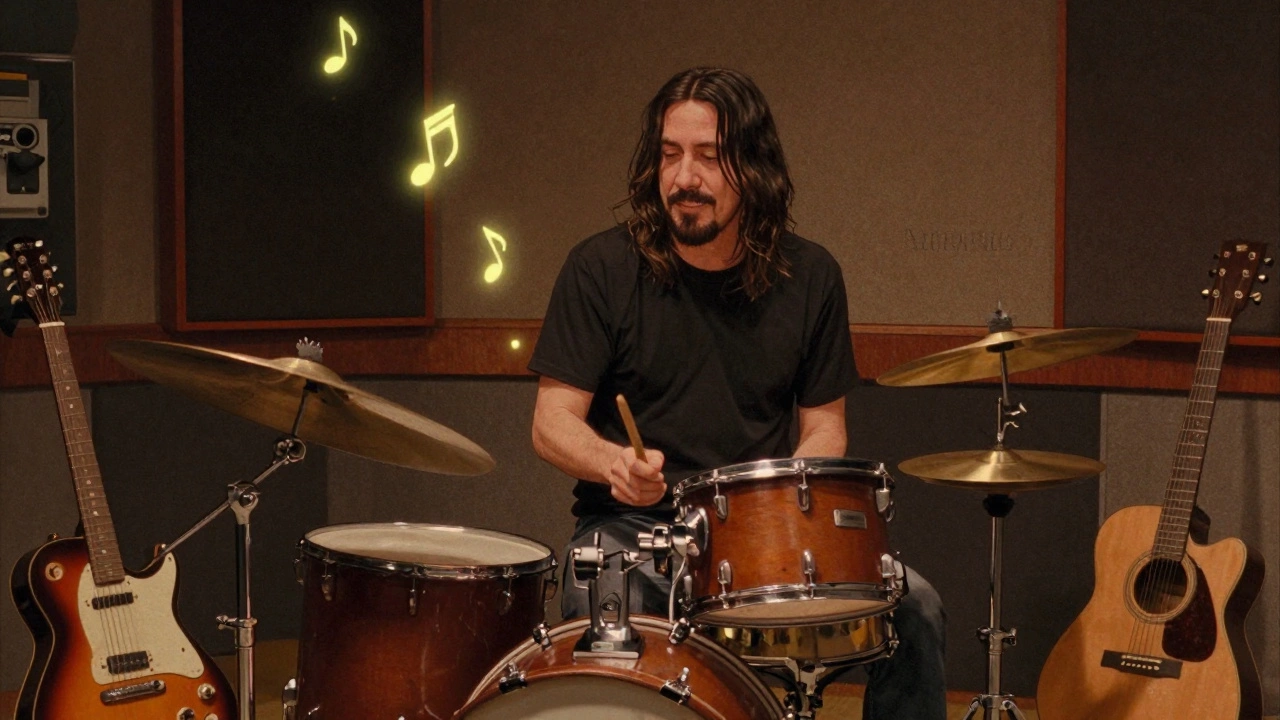
Dave Grohl didn’t set out to start a band after Nirvana. He was grieving. He was unsure if he even wanted to play music again. So in early 1995, he locked himself in a studio in Alexandria, Virginia, with a drum kit, a guitar, and a four-track recorder. He played every instrument. He wrote the songs. He sang. He produced it himself. The result was a 9-song album that sounded like a rock record made by someone who still believed in the power of a loud chorus and a driving riff. That album became the Foo Fighters’ self-titled debut. It sold over a million copies. Critics didn’t just like it - they were stunned. Here was a guy who had been the heartbeat of one of the most important bands in history, and now he was making music that was just as catchy, just as honest, but way more hopeful. Songs like "I’ll Stick Around" and "This Is a Call" didn’t sound like grunge. They sounded like something else - something bigger. Grohl didn’t plan to tour it. But the record was too big to ignore. He called up Pat Smear, the guitarist who’d played with Nirvana on their final tour, and asked him to join. Then he found Nate Mendel and William Goldsmith from Sunny Day Real Estate - two guys who understood emotional intensity, but also knew how to build a song. The Foo Fighters were no longer a solo project. They were a band.The Album That Changed Everything
The real turning point came in 1997 with The Colour and the Shape. This wasn’t just a follow-up. It was a declaration. Grohl hired Gil Norton, the producer behind Pixies’ Doolittle and Foo Fighters’ own debut. Norton pushed him to write hooks - big ones. He wanted choruses you couldn’t forget. He wanted songs that could fill a stadium, not just a basement. The recording was a mess. Grohl hated the first batch of tracks recorded in Washington. He scrapped them. He flew the band to Hollywood. Then, during sessions, tensions exploded. Goldsmith, the original drummer, couldn’t keep up with Grohl’s perfectionism. Grohl ended up re-recording all the drums himself. Goldsmith quit. The band nearly broke apart. But out of that chaos came the songs that defined post-grunge. "Monkey Wrench" ripped open with a heavy riff but exploded into a chorus you could scream along to in a packed arena. "Everlong" - that song - didn’t just hit the radio. It rewired it. It had the pain of grunge, but the lift of pop. It had the grit of a garage band, but the polish of a stadium show. It was the perfect bridge between two worlds. This was the moment Foo Fighters stopped being "that Nirvana guy’s new band." They became their own force. While bands like Creed, Nickelback, and 3 Doors Down were churning out watered-down grunge clones, Foo Fighters were making music that felt alive - messy, emotional, but never desperate. They didn’t hide their roots. They built on them.
What Made Them Different From Other Post-Grunge Bands
Most post-grunge bands in the late ’90s were trying to copy the sound of Nirvana - heavy guitars, mumbled vocals, quiet-loud dynamics. But they lost the soul. They became formulaic. Radio stations played them because they were safe. Not because they meant anything. Foo Fighters didn’t do that. They kept the energy, but added melody. They kept the volume, but added heart. They didn’t write songs about depression. They wrote songs about connection - "Everlong," "My Hero," "Learn to Fly." These weren’t anthems for the broken. They were anthems for the people who kept going. Their sound was hard rock with pop hooks. It was punk energy with stadium-sized production. They didn’t chase trends. They made music that sounded good on a car stereo, on a radio, and in a 60,000-person arena. And they did it without gimmicks. No masks. No theatrics. Just guitars, drums, and a voice that sounded like it came from somewhere real.From Clubs to Stadiums
By 2005, they were headlining Reading and Leeds Festivals. By 2006, they played Hyde Park to 65,000 people. In 2008, they sold out Wembley Stadium. That’s not luck. That’s consistency. They didn’t need viral videos or TikTok trends. They didn’t need to change their sound to stay relevant. They kept touring. They kept recording. They kept getting better. Even when they took breaks - like after In Your Honor in 2005, when they built their own studio and nearly shelved an entire album - they came back stronger. In 2017, they released Concrete and Gold, produced by Greg Kurstin. It had synths. It had orchestras. It had a song called "Run" that hit #1 on the Mainstream Rock chart. And still, it felt like Foo Fighters. Because at its core, their music was never about being trendy. It was about being true.