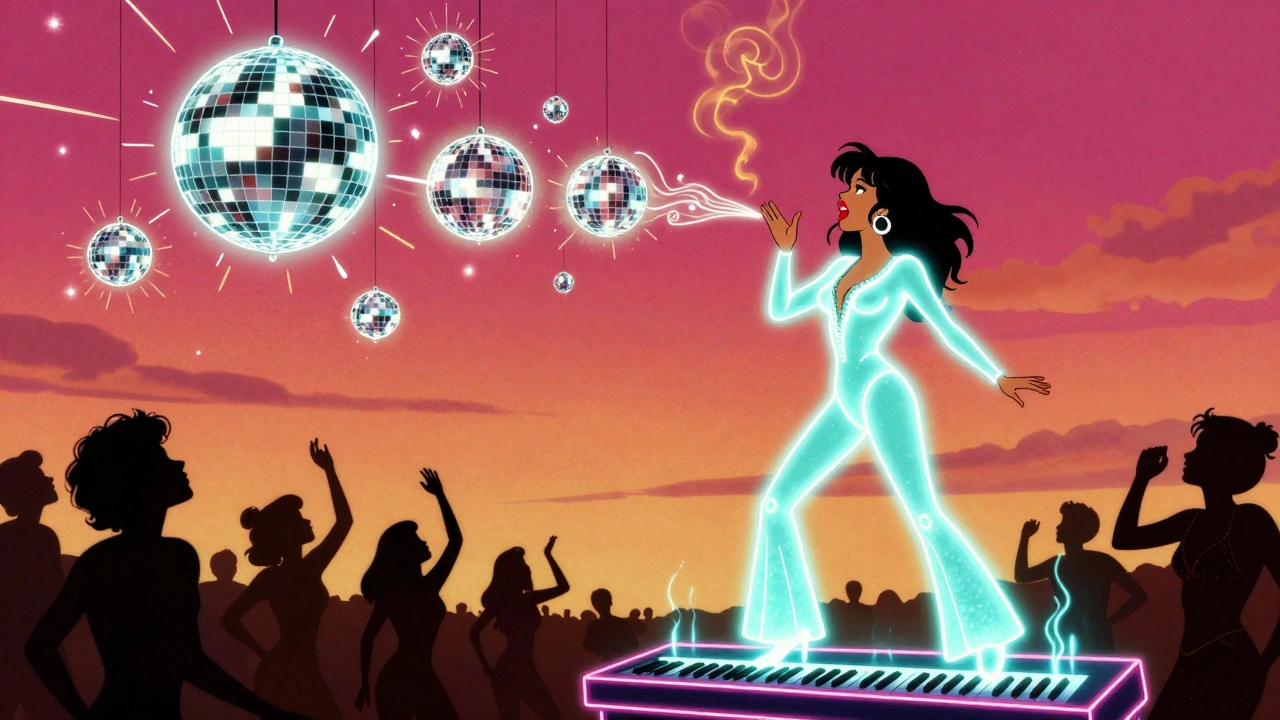

When you hear a modern pop song with a soaring, emotionally raw vocal run or a beat that makes you move before you even think about it, you’re hearing the echo of women who refused to be background noise in the 1970s. These weren’t just singers. They were architects. They built the blueprint for how female voices could dominate, define, and rewrite pop music - and we’re still living in the world they created.
Donna Summer: The Queen of the Beat
Donna Summer didn’t just sing dance music - she reinvented it. Before "I Feel Love," disco was just a trend. After it? It became a movement. That track, produced by Giorgio Moroder, was revolutionary. No live drums. No bass guitar. Just a synthesizer pulsing like a heartbeat, and Summer’s voice - smoky, urgent, in control - riding it like a wave. She didn’t need a band to command a room. Her voice was the instrument, and she played it like a master.
"Bad Girls" wasn’t just a hit. It was a manifesto. In it, Summer sang about women who worked the night shift, who drove fast cars, who didn’t wait for permission. She didn’t ask for approval. She declared her presence. Critics called it bold. Fans called it liberation. Today, artists like Beyoncé, Dua Lipa, and even The Weeknd owe a debt to that track. The way modern pop blends electronic production with female vocal power? That started with Summer. She proved a woman could lead a revolution with a four-on-the-floor beat and a whisper that turned into a scream.
Diana Ross: Glamour as Power
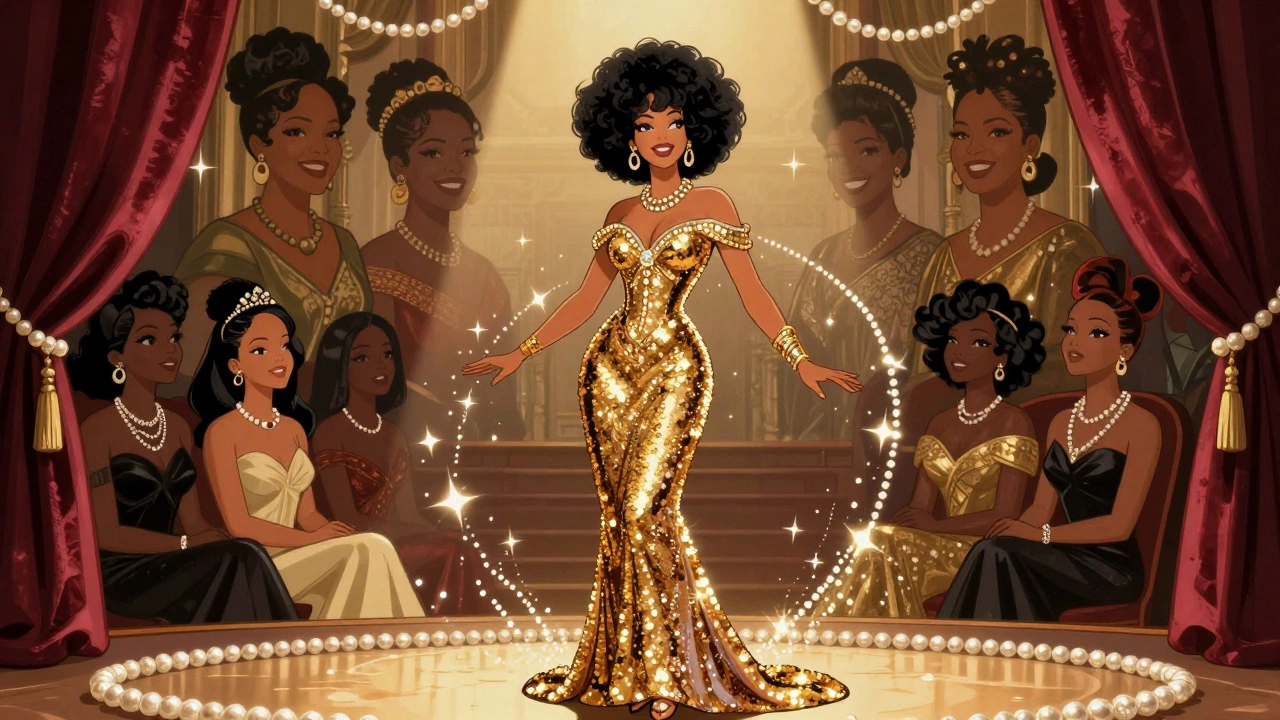
Diana Ross didn’t just perform. She commanded. With The Supremes, she broke barriers. As a solo artist, she redefined what a Black woman could look like on stage - not as a victim, not as a muse, but as a force. "Love Hangover" wasn’t just a song about infatuation. It was a slow-burn anthem of self-possession. Her voice, rich and controlled, carried the weight of decades of Black musical tradition while pushing into new territory: polished, cinematic, unapologetically glamorous.
At a time when women were still expected to be sweet and submissive, Ross wore sequins like armor. Her choreography wasn’t decorative - it was deliberate. Every step, every glance, every held note said: "I am here, and I own this space." She didn’t shout. She didn’t need to. Her presence did the talking. Modern artists like Rihanna and Janelle Monáe channel that same energy - the idea that elegance and authority aren’t opposites. They’re the same thing.
The Singer-Songwriters: When the Personal Became Political
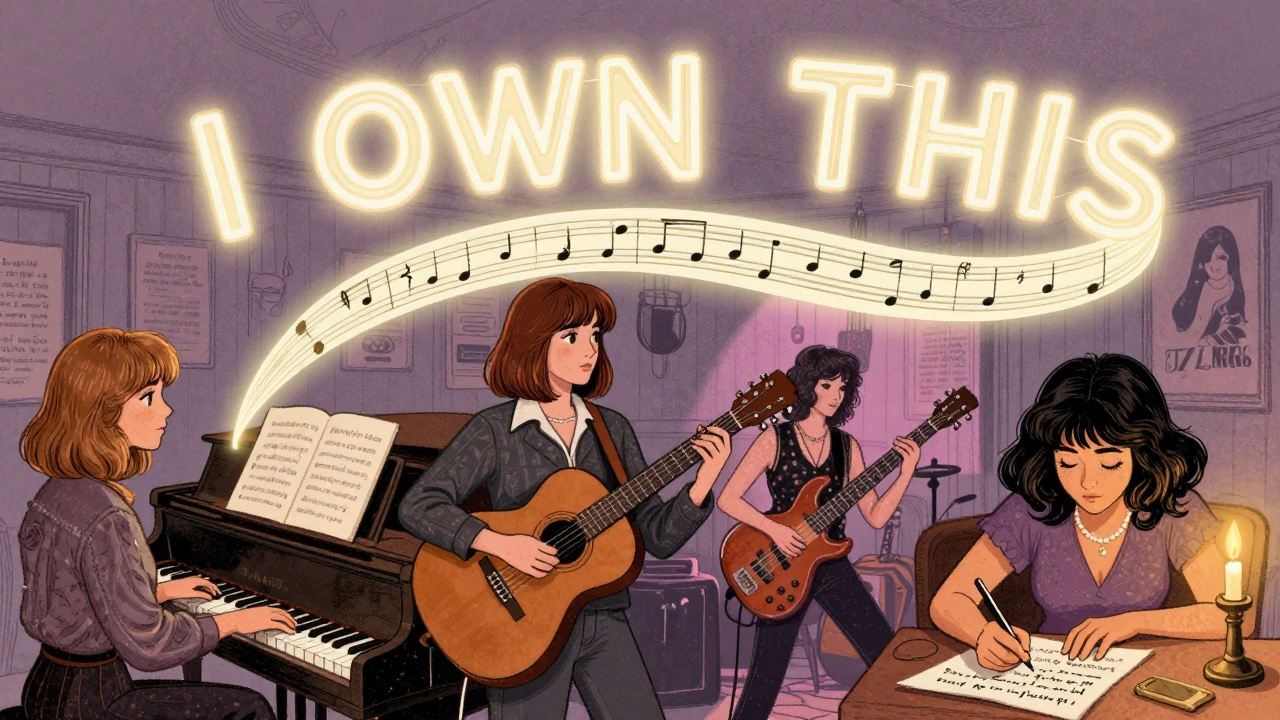
While Summer and Ross ruled the charts, another kind of revolution was happening in living rooms and small clubs. Joni Mitchell, Carole King, and Carly Simon turned their guitars into microphones for a generation of women who were finally allowed to say what they felt.
Before the 1970s, pop songs about love were mostly about longing or heartbreak written by men. Mitchell’s "A Case of You" wasn’t just a love song - it was a confession. King’s "I Feel the Earth Move" didn’t just describe passion - it made you feel it. Simon’s "You’re So Vain" didn’t just name a man - it mocked the whole idea that women should care about his ego.
These women wrote about messy emotions, sexual desire, independence, and the quiet rage of being unheard. They didn’t wait for permission. They picked up a pen, sat at a piano, and said: "This is my truth. Listen." Today, Taylor Swift’s storytelling, Lorde’s emotional precision, and H.E.R.’s introspective lyrics all trace back to these women. The idea that a woman’s personal story can be a universal anthem? That started here.
Cris Williamson: The Sound of Separation
While mainstream radio played Donna Summer, a quieter but no less powerful movement was building in basements and feminist collectives. Cris Williamson didn’t chase chart-toppers. She built a whole world - women’s music. Her 1975 album, "The Changer and The Changed," sold over half a million copies independently, without label backing. It wasn’t just music. It was community. Olivia Records, the label she co-founded, was run by women, for women. No male producers. No male executives. Just voices, guitars, and a shared belief that music could be a tool for liberation.
Williamson’s songs weren’t about love in the abstract. They were about love between women, about healing from abuse, about claiming space in a world that told women to stay quiet. She didn’t sing to make men comfortable. She sang to make women feel seen. Today, artists like Ani DiFranco, Kathleen Edwards, and even Mitski carry that torch. The idea that you can make music outside the system and still reach millions? That started with Williamson.
Suzi Quattro: Rock’s First Female Frontwoman
When Suzi Quattro stepped on stage in leather pants and a mic in hand, the rock world didn’t know what to do. She didn’t fit the mold. She wasn’t a backup singer. She wasn’t a glam figure. She was a bandleader. She played bass like she owned it. She sang with grit, not coquetry. "Disgracefully Yours" wasn’t a ballad - it was a challenge. "You think I’m just a pretty face?" her voice seemed to say. "Watch me tear this down."
She didn’t ask to be accepted. She forced her way in. At a time when female guitarists were rare and female rockers were dismissed as novelties, Quattro proved a woman could be the engine of a rock band - not just the face. Look at Joan Jett, St. Vincent, or even Halsey today. Their confidence, their swagger, their refusal to apologize for taking up space? That’s Quattro’s legacy.
The Unseen Blueprint
These women didn’t just make hits. They changed the rules. They proved a woman’s voice could be the center of a genre, not the decoration around it. They showed that pop music could be deeply personal and wildly commercial at the same time. They refused to be silenced, sidelined, or sexualized without consent.
Today, when a woman sings about heartbreak and turns it into a global anthem - when she writes her own songs, produces her own tracks, and controls her own image - she’s following a path carved out in the 1970s. The vocal runs in Adele’s "Someone Like You"? That emotional depth? It’s King and Mitchell. The bass-heavy beats in Billie Eilish’s "Bad Guy"? That groove? It’s Donna Summer. The unapologetic ownership of identity in Lizzo’s performances? That’s Diana Ross and Suzi Quattro rolled into one.
The 1970s didn’t just give us music. It gave us permission. Permission to be loud. Permission to be complex. Permission to be in charge. And every time a woman steps into a studio today and says, "I’m writing this, I’m producing this, I’m owning this," she’s honoring them.
Who was the most influential female artist of the 1970s?
There’s no single answer - influence works in layers. Donna Summer reshaped pop’s sound with electronic production and vocal control. Carole King and Joni Mitchell redefined songwriting as personal testimony. Diana Ross reimagined Black femininity on a global stage. Cris Williamson created a self-sustaining space for women’s voices outside the mainstream. Suzi Quattro broke gender barriers in rock. Together, they didn’t just shape pop - they rewrote its rules.
How did 1970s women change pop music production?
Before the 1970s, pop production was mostly controlled by male producers and songwriters. Women like Donna Summer and Giorgio Moroder experimented with synthesizers, creating new sonic textures that became the foundation of modern dance-pop. Singer-songwriters like Carole King and Joni Mitchell wrote and produced their own material, proving women didn’t need male gatekeepers to make hits. Cris Williamson built an entire independent label, proving women could control distribution. Today’s DIY pop culture - from bedroom producers to self-released albums - owes its existence to their refusal to wait for permission.
Why do modern artists cite 1970s women as influences?
Because those women showed that emotional honesty and technical skill could coexist. They sang about real pain, real desire, real power - without sugarcoating. Modern artists see in them not just inspiration, but proof that you can be vulnerable and still dominate. They also see the blueprint for autonomy: writing your own songs, producing your own sound, owning your image. In an industry that still struggles with gender equity, the 1970s women are proof it’s possible to lead - and win.
Did these women face backlash for their work?
Absolutely. Donna Summer was called "too sexual." Carole King was told her songs were "too personal." Cris Williamson’s music was banned from mainstream radio. Suzi Quattro was dismissed as a "male impersonator." Joni Mitchell was mocked for her unconventional lyrics. Yet they kept going. They didn’t change their message to fit expectations. They changed the expectations. Their resilience is why today’s artists can speak openly about trauma, identity, and power without fear of being labeled "difficult."
How did these artists influence the #MeToo movement in music?
They laid the groundwork. By writing their own stories, controlling their own narratives, and refusing to be silenced, they proved that a woman’s voice - when fully owned - is unstoppable. The #MeToo movement didn’t invent the idea of speaking out. It amplified a tradition that began decades earlier. When artists today speak up about exploitation, they’re following in the footsteps of women who sang about autonomy before the word "empowerment" was a marketing slogan.


