Music Cafe - Page 10
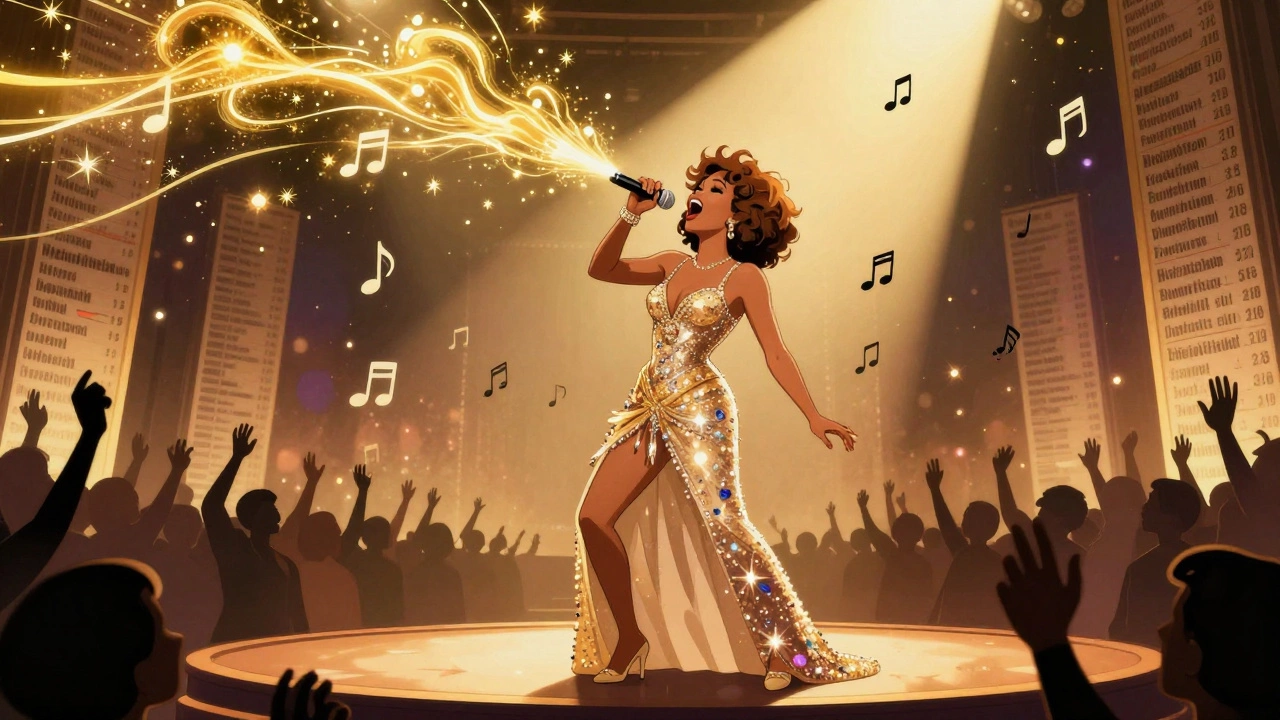

1980s R&B Divas: Whitney Houston, Sade, and Anita Baker Who Changed Soul Music
Whitney Houston, Sade, and Anita Baker defined 1980s R&B with unmatched voices and distinct styles. Whitney broke records, Sade whispered magic, and Anita turned soul into poetry. Their music still moves millions today.
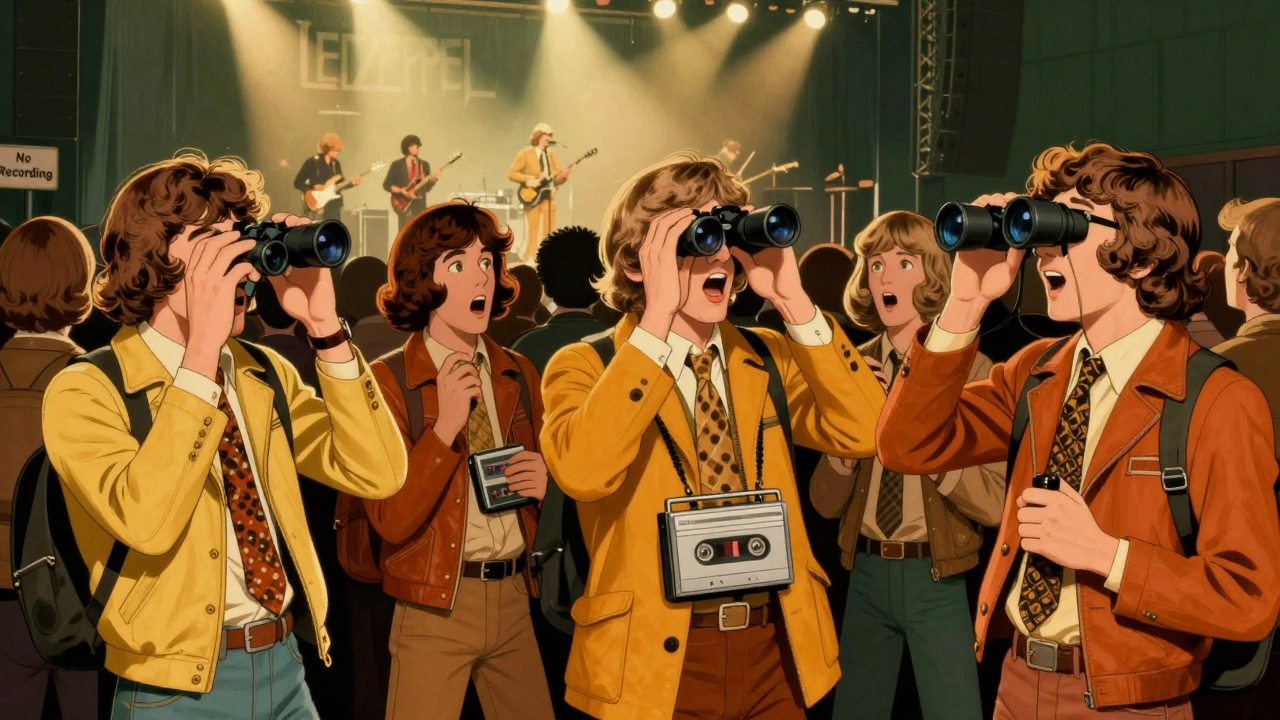
Bootleg Recordings: The Rise of Live Albums and Collector Culture
Bootleg recordings turned unauthorized live concerts into cultural treasures. From Led Zeppelin’s 1977 bootlegs to the Grateful Dead’s 14,500+ fan-recorded shows, this is the story of how fans preserved music the labels refused to release.
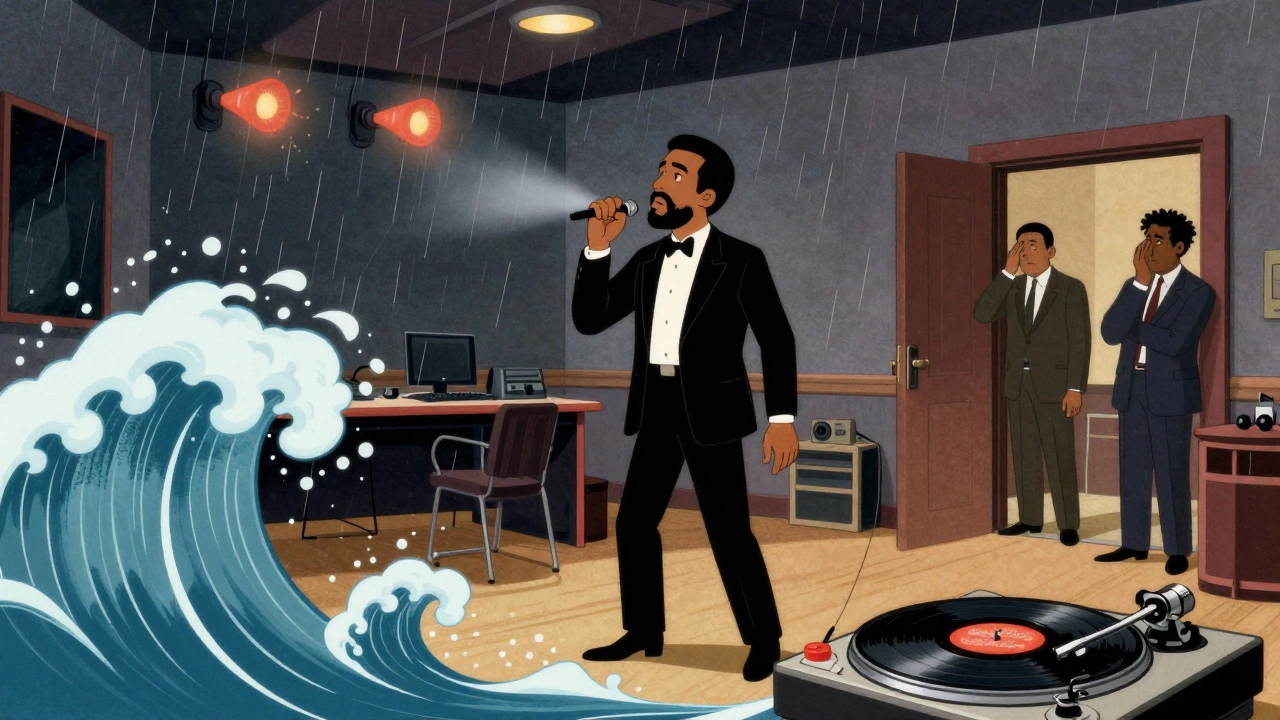

Political Lyrics Analysis: How 1970s Artists Addressed Social Issues
In the 1970s, artists like Marvin Gaye, Helen Reddy, and Bob Marley turned music into a powerful tool for social change. Their lyrics confronted racism, gender inequality, and war-not with slogans, but with soulful, personal stories that still resonate today.
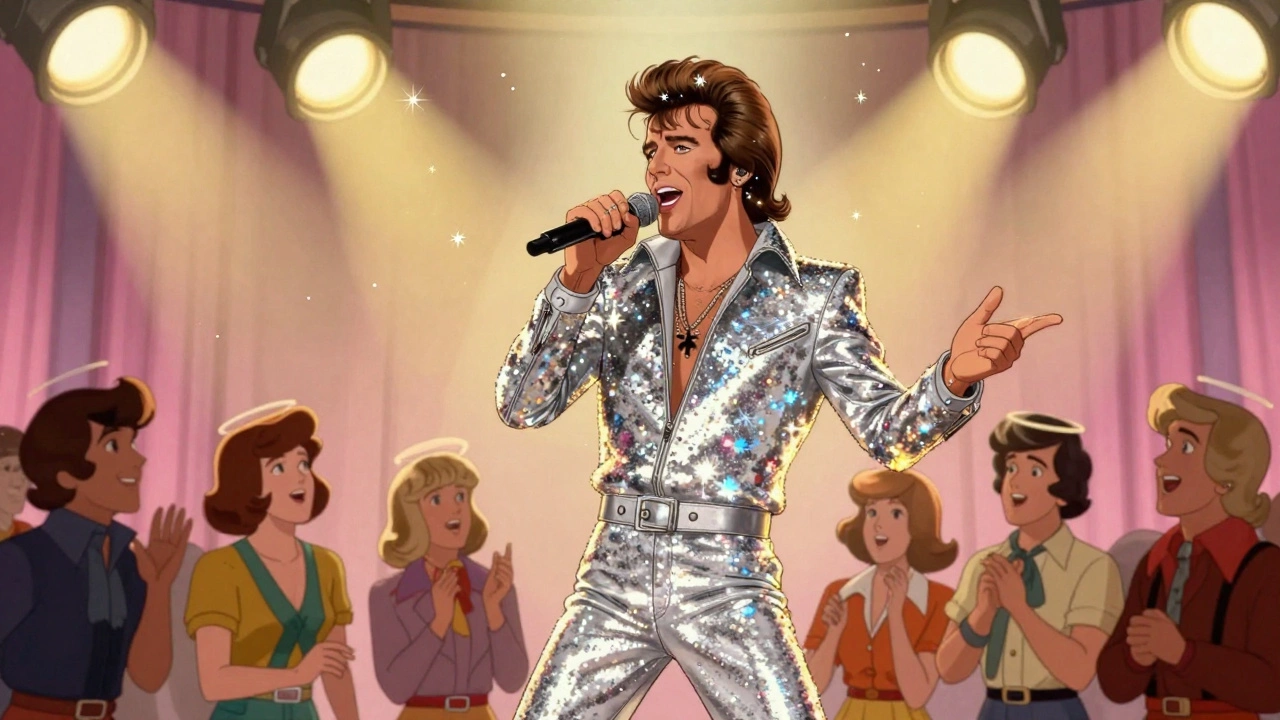

Glam Rock on Television: How Top of the Pops Changed Music Forever
Glam rock exploded on British TV thanks to Top of the Pops, where Marc Bolan’s glitter and David Bowie’s Ziggy Stardust turned music into visual theater. The show didn’t just play songs-it defined a generation’s identity.
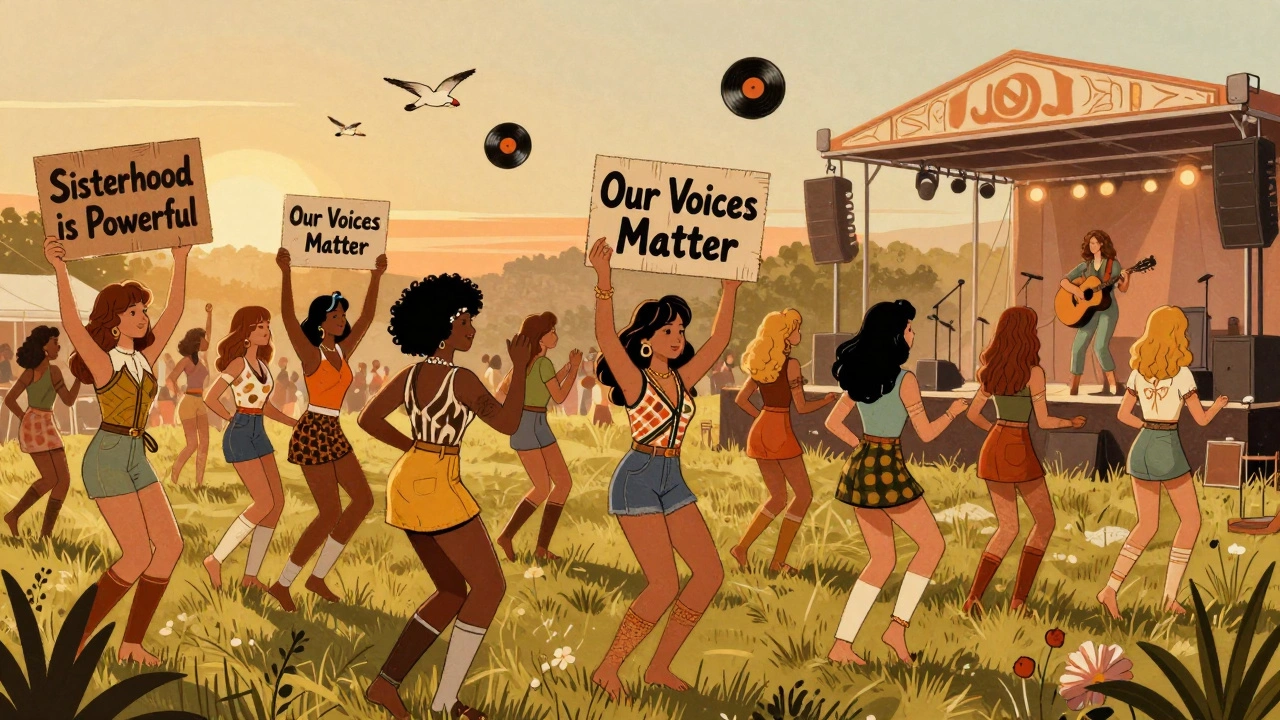

Archiving Women’s Music History: Preserving 1970s Female Legacies
The 1970s women's music movement gave voice to feminism, lesbian identity, and social justice. Now, those recordings are fading. Olivia Records and other archives hold priceless legacies-but time is running out to preserve them.
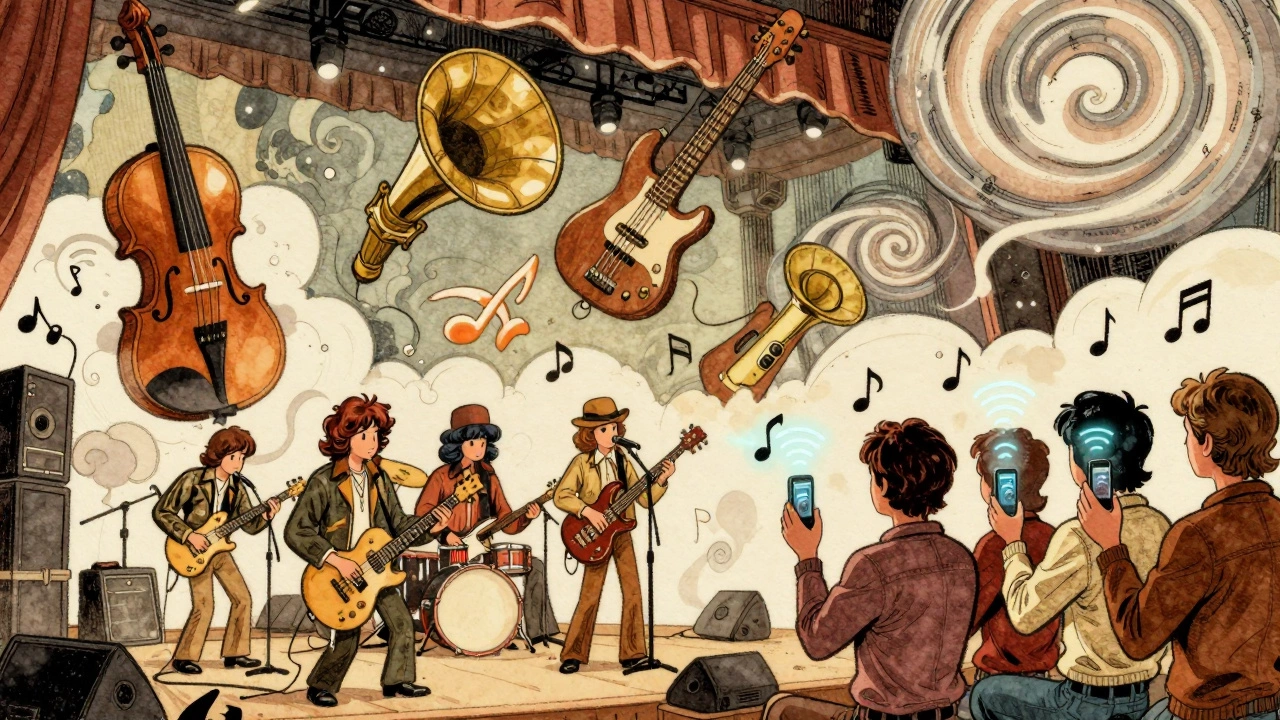
Prog Rock's Return: How Modern Bands Reclaimed 1970s Complexity
Prog rock is making a powerful comeback, with modern bands reclaiming the genre’s 1970s complexity through intricate compositions, global influences, and emotional depth-proving that complex music still resonates in the streaming era.
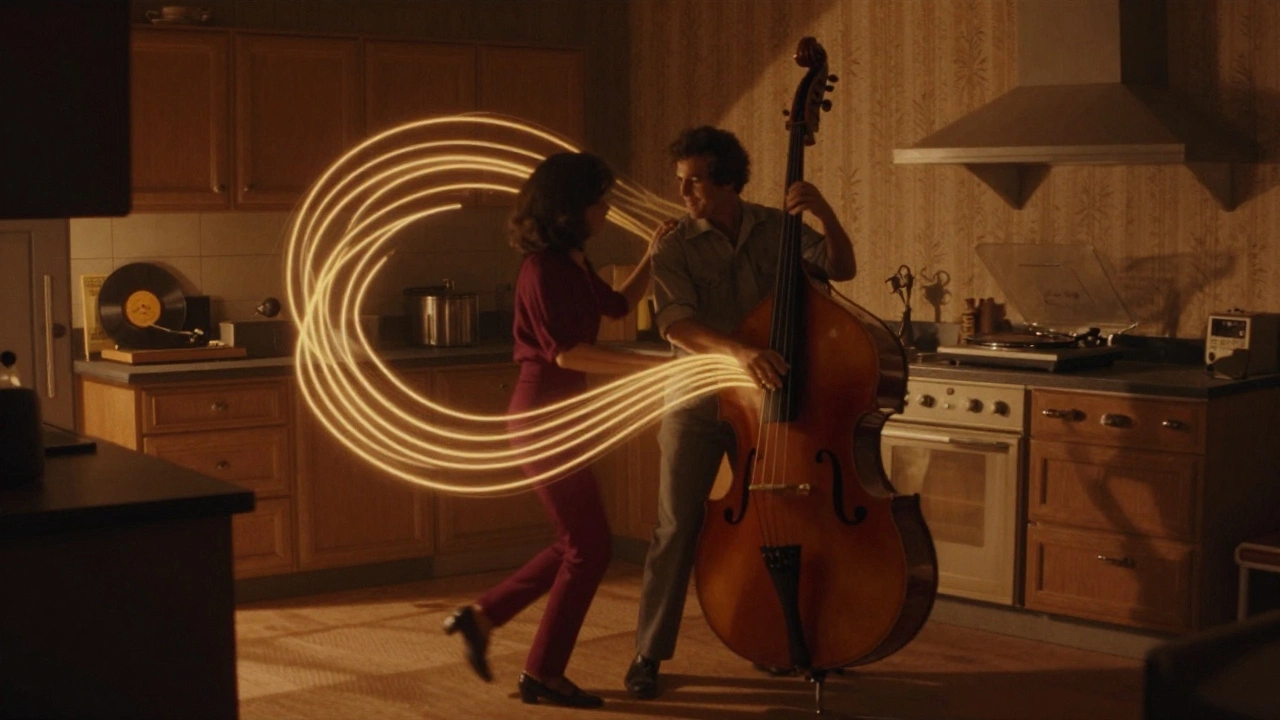
Soft Soul and Smooth R&B: The Romantic Sound That Dominated the 1970s
Soft soul and smooth R&B defined 1970s romance with lush strings, slow tempos, and whisper-soft vocals. From Philly to Memphis, artists like Barry White, The Spinners, and Al Green created a sound that dominated charts and still shapes love songs today.
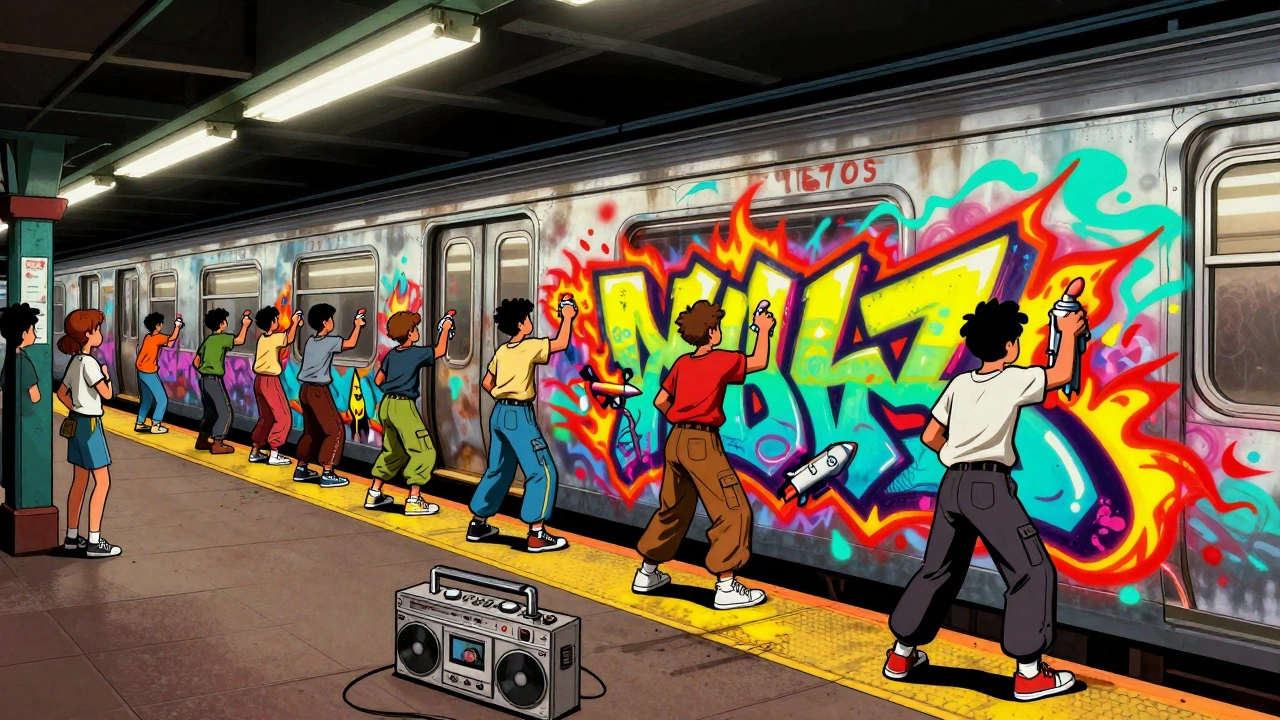
Graffiti and Hip-Hop: How Visual Art Became the Visual Heart of a Movement
Graffiti was the first visual voice of hip-hop, turning subway walls into murals of resistance. It gave the culture its look, its edge, and its permanence - long before rap hit the radio.
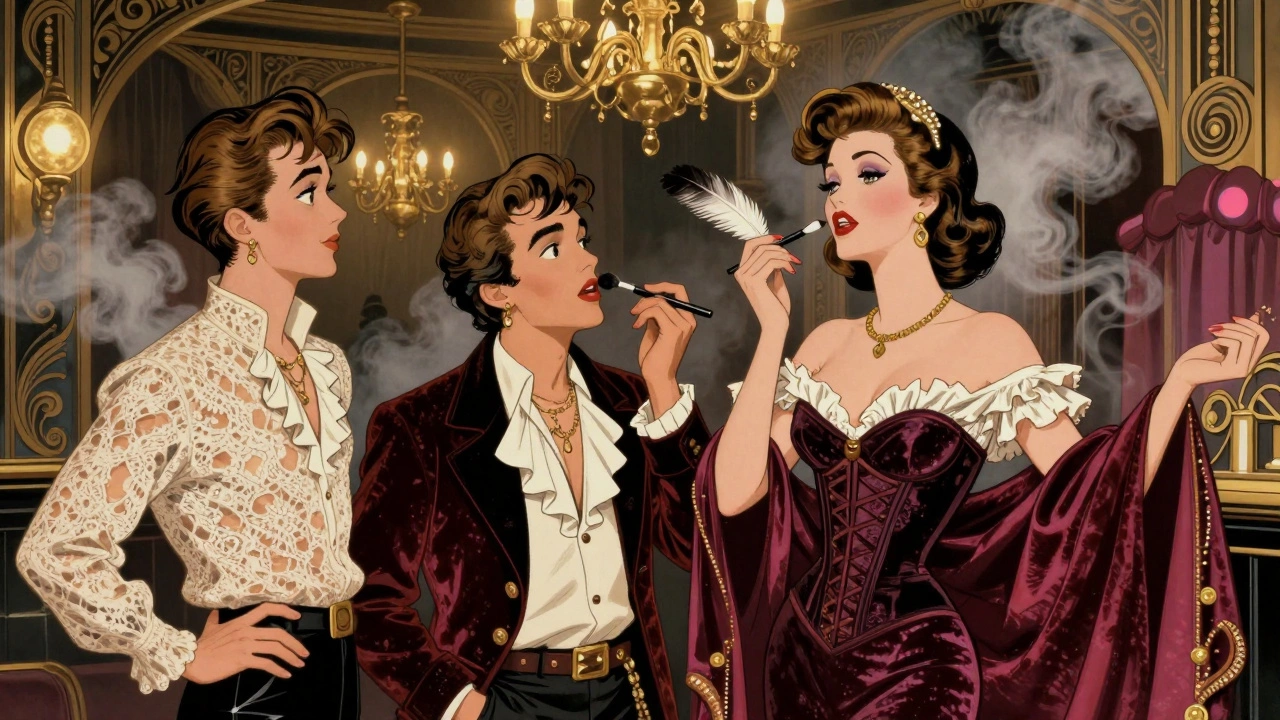

Glam Remnants in 1980s Pop: From New Romantic to Hair Metal
From the lace and velvet of London's New Romantic scene to the spandex and hairspray of L.A. Hair Metal, the 1980s saw glam rock evolve into a global phenomenon - changing fashion, music, and pop culture forever.
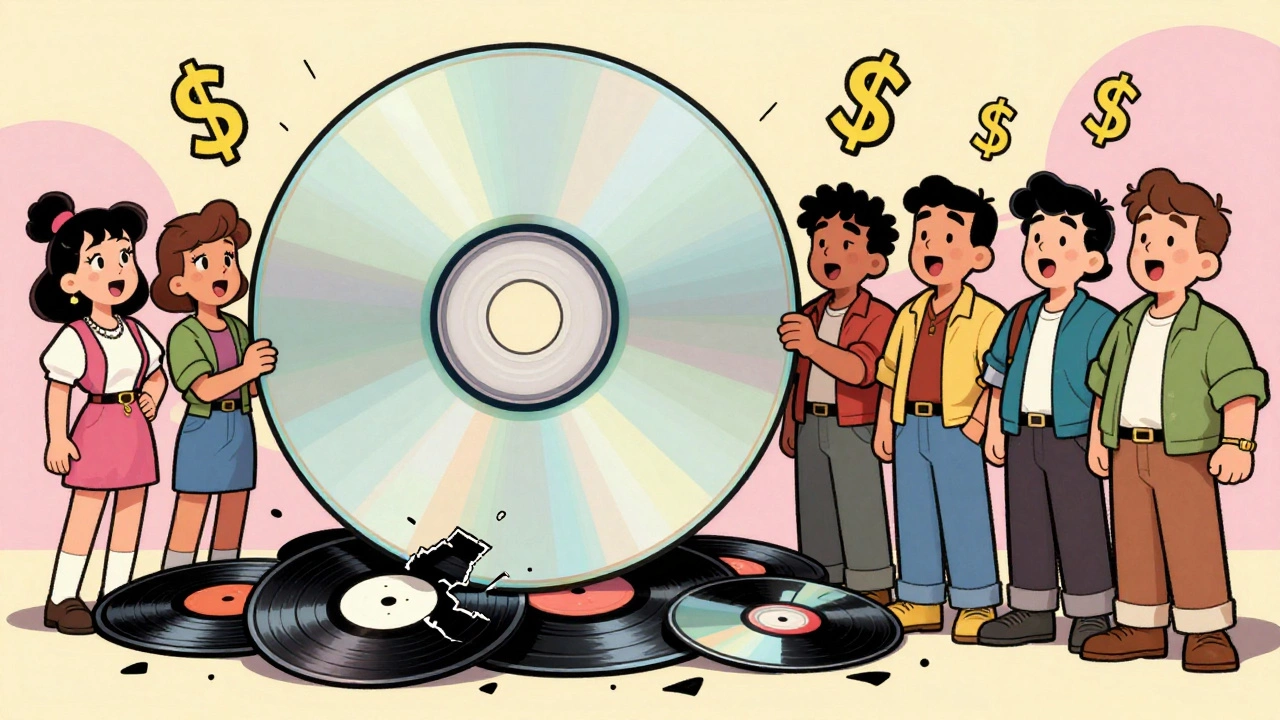

How the Music Industry Changed in the 1980s: CDs, MTV, and the Rise of Corporate Control
The 1980s transformed music from sound to spectacle. CDs raised prices, MTV demanded videos, and big labels bought up the competition. Michael Jackson, Madonna, and Prince ruled-but only because they had the money to play the new game.
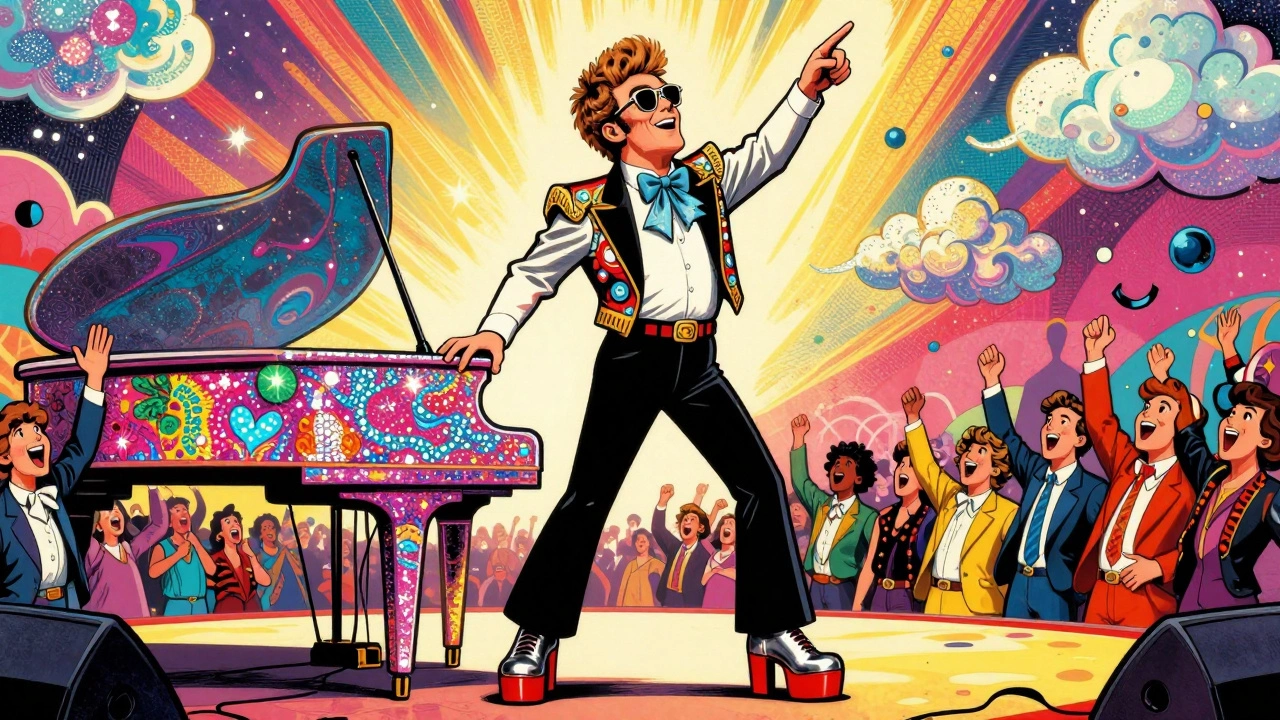

Elton John's Flamboyant Fashion: How Platform Shoes Redefined Male Rock Style
Elton John’s platform shoes weren’t just footwear-they were a revolution. In the 1970s, he turned glam rock into a visual spectacle, challenging gender norms and redefining male style with glittering, towering boots that still inspire fashion today.
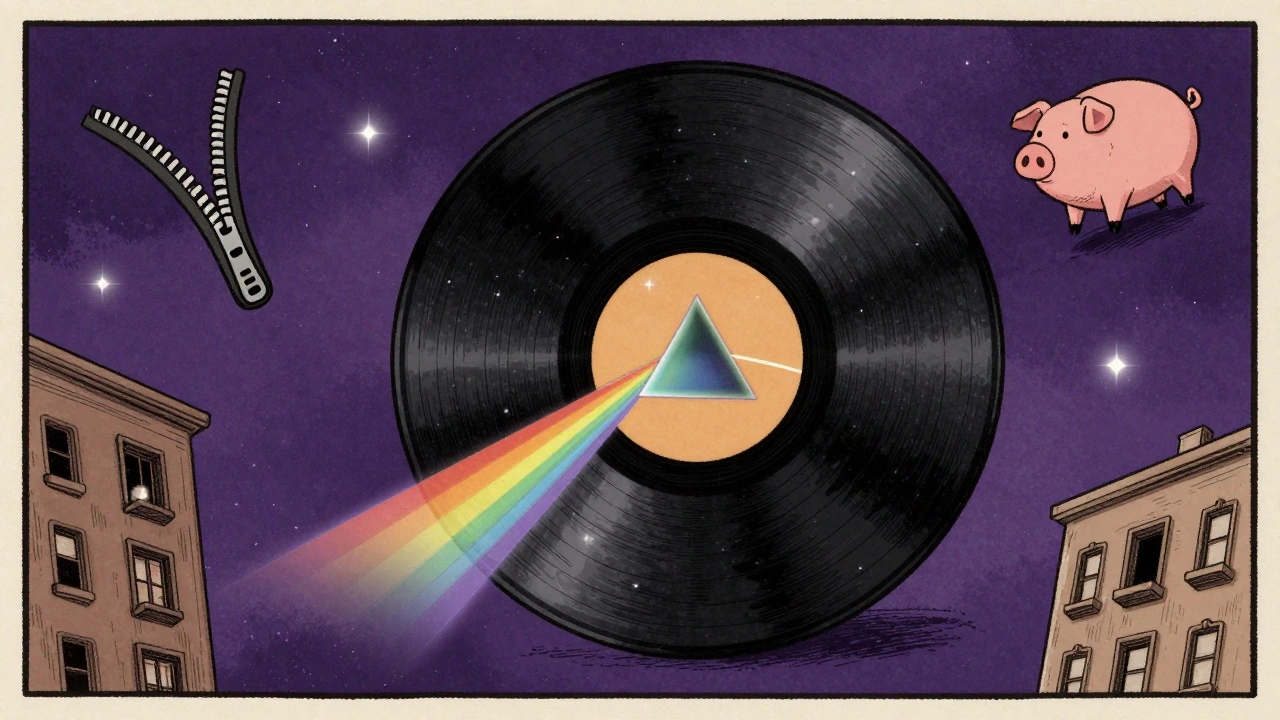

Iconic 1970s Album Covers That Defined the Era: Visual Landmarks
The 1970s produced some of the most iconic album covers in history - from Pink Floyd's prism to The Rolling Stones' working zipper. These weren't just packaging - they were art that defined an era.