
The Sound of Slow Love
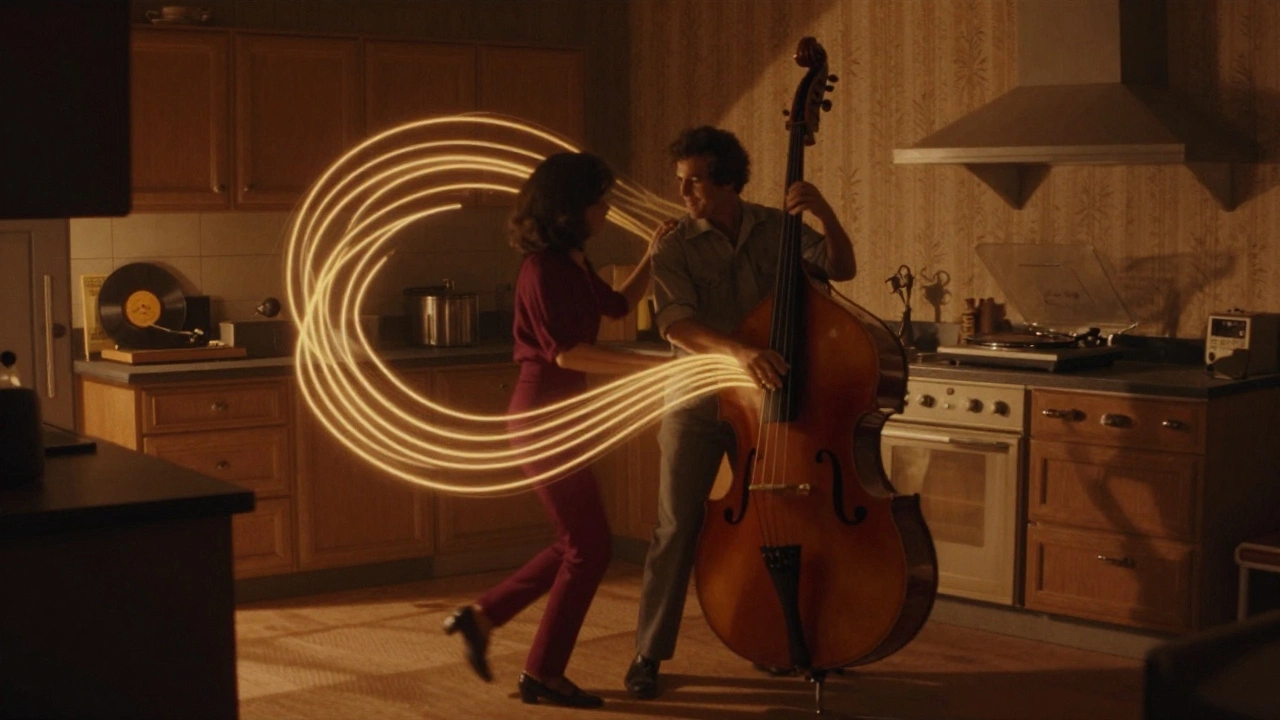
In the early 1970s, soul music didn’t just change-it softened. The raw, gospel-fired shouts of the 1960s gave way to something quieter, smoother, and deeper. This wasn’t dance music for the clubs. It was music for dimmed lights, closed curtains, and slow sways in the kitchen after dinner. Soft soul and smooth R&B became the soundtrack of romance in the 1970s, built on velvet vocals, lush strings, and basslines that felt like a heartbeat you could feel in your chest.
Where It Came From
This new sound didn’t appear out of nowhere. It was crafted in three key studios: Sigma Sound in Philadelphia, Hi Records in Memphis, and Motown’s Detroit studios. Producers like Gamble and Huff in Philly, Willie Mitchell in Memphis, and Thom Bell in Philadelphia didn’t just make records-they built sonic worlds. Bell spent up to 60 hours on a single three-minute track, layering 16-piece string sections, muted horns, and double-tracked basslines that blended upright and electric bass for a rich, warm tone. Engineer Joe Tarsia called it the "Philly Sound," and it became the gold standard.
Meanwhile, Willie Mitchell was doing something similar in Memphis with Al Green. His productions were sparser but just as sensual-tight drums, a walking bass, and Green’s voice like warm honey poured over silk. Between 1971 and 1973, Green had seven straight #1 R&B hits, including "Let’s Stay Together" and "I’m Still in Love with You." These weren’t just songs. They were declarations of devotion.
The Ingredients of Smooth
What made soft soul different from earlier soul? Tempo. Where 1960s Motown soul moved at 100-120 BPM, soft soul slowed to 60-90 BPM. The energy wasn’t in the beat-it was in the space between the notes. Strings didn’t swell dramatically; they glided. Horns didn’t blast-they whispered. Drums didn’t punch; they brushed. Basslines didn’t drive-they caressed.
Vocals changed too. Gone were the screams and gospel wails. In their place came controlled, intimate delivery. Barry White’s baritone was so low it vibrated in your ribs. Smokey Robinson’s falsetto on "Cruisin’" (1979) was barely above a breath. The Spinners’ "Could It Be I’m Falling in Love" (1972) featured a vocal harmony so smooth it felt like silk sliding over skin. Even Ann Peebles, who came from the grittier Hi Records camp, delivered her lines with a quiet, knowing confidence-no shouting, just truth.
Chart Domination
People didn’t just listen-they bought. Between 1972 and 1976, soft soul acts accounted for 63% of all #1 R&B hits. The Spinners had five straight #1 R&B singles from 1972 to 1974. The Stylistics scored ten top 10 R&B hits in just three years. Barry White’s "Can’t Get Enough of Your Love, Babe" hit #1 on both the Billboard Hot 100 and R&B charts in 1974. The Spinners’ 1973 self-titled album went platinum, selling over a million copies.
This wasn’t just an R&B phenomenon. These songs crossed over. "Could It Be I’m Falling in Love" reached #4 on the pop chart. "You Are Everything" by The Stylistics hit #9 on the Hot 100. Even slower songs like Roberta Flack’s "The First Time Ever I Saw Your Face" (1972), with a tempo of just 52 BPM, spent six weeks at #1 on the pop chart after being featured in the movie Play Misty for Me. That song won an Oscar. No other soul track had ever done that.
The Quiet Storm Begins
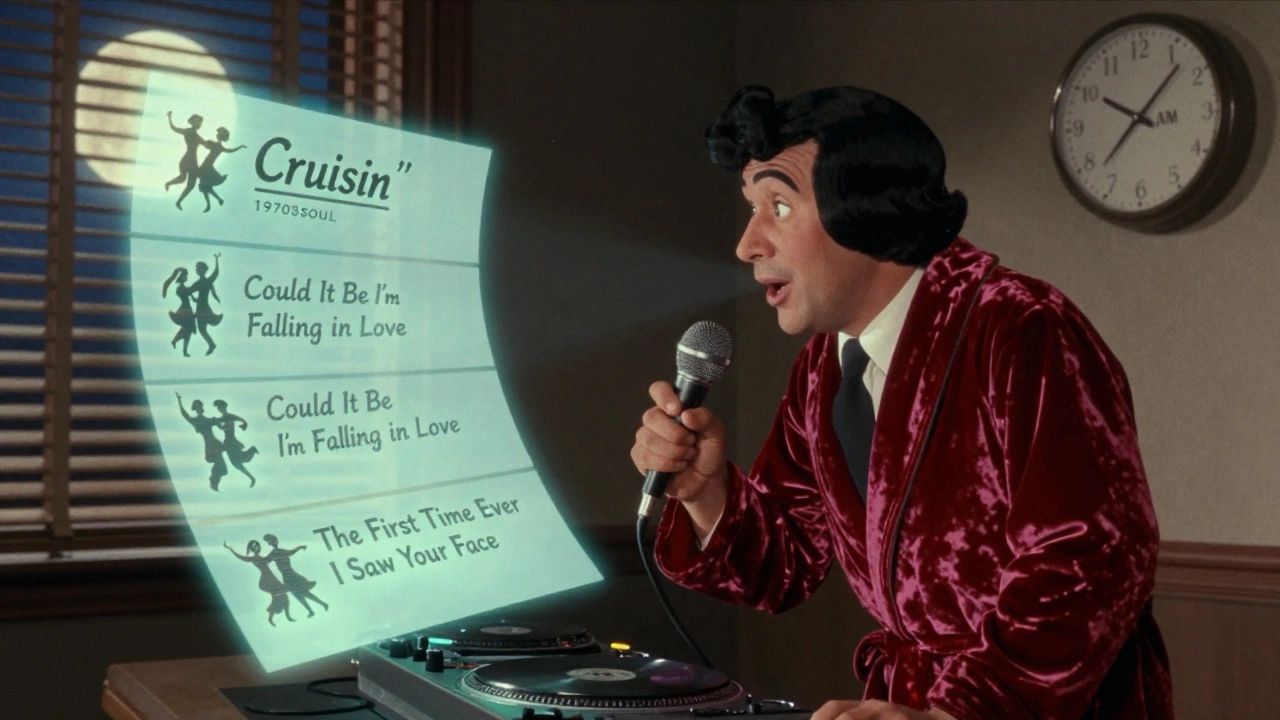
By the late 1970s, the sound got even softer. In 1976, WHUR radio in Washington D.C. launched the first "quiet storm" program-late-night slots dedicated entirely to slow, romantic R&B. DJs played songs by Smokey Robinson, Peabo Bryson, Chaka Khan, and L.T.D., all of them drawing from the same well: lush arrangements, whispered vocals, and a tempo that matched the slow burn of midnight.
Smokey Robinson’s "Cruisin’" (1979) became the quiet storm anthem. At 58 BPM, it was barely above a whisper. The production was so clean it felt like listening through headphones in an empty room. It spent four weeks at #1 on the R&B chart. That song didn’t just top the charts-it defined a mood. It wasn’t just music. It was atmosphere.
Who Hated It
Not everyone loved it. Rolling Stone critic Dave Marsh called Philadelphia International’s polished productions "soul for people who don’t like soul." He saw it as overproduced, too clean, too safe. And in some ways, he was right. The grit of James Brown’s funk, the rawness of Aretha Franklin’s gospel roots, the urgency of Marvin Gaye’s "What’s Going On?"-all of that was being smoothed over.
But Nelson George saw it differently. In his book The Death of Rhythm & Blues, he called it "a necessary evolution that brought black musical sophistication to mainstream audiences." He wasn’t wrong. These songs reached white audiences in numbers no earlier soul act had. They were played in suburban living rooms, at weddings, in cars with the windows rolled up. They made soul music palatable without dumbing it down.
Why It Still Matters
Soft soul didn’t die in the 1980s-it just changed shape. Luther Vandross, Freddie Jackson, and later Maxwell all built their careers on the foundation laid by Thom Bell and Willie Mitchell. The slow jam, the late-night playlist, the wedding first dance-these are all direct descendants of 1970s smooth R&B.
According to The Knot’s 2022 wedding survey, 78% of couples married between 1975 and 1985 chose a 1970s smooth soul song for their first dance. "Could It Be I’m Falling in Love" was the #1 pick. That’s not nostalgia. That’s legacy.
The sound still lives in the way modern R&B artists approach emotion-not with shouting, but with silence. Not with speed, but with space. Not with volume, but with vulnerability. That’s what soft soul taught us: sometimes, the most powerful love song isn’t the one that shakes the room. It’s the one that makes you lean in to hear it.
The Artists Who Made It
- The Spinners - Defined the Philly sound with hits like "I’ll Be Around" and "Could It Be I’m Falling in Love"
- Barry White - His deep voice and orchestral arrangements turned romance into an experience
- Al Green - Memphis soul at its most intimate, with Willie Mitchell’s production
- The Stylistics - Harmonies so sweet they felt like a lullaby
- Smokey Robinson - Master of the whispered falsetto; "Cruisin’" was the quiet storm’s crown jewel
- Ann Peebles - Underappreciated queen of Hi Records’ groovy, soulful side
- Roberta Flack - Brought quiet soul to the Oscars with "The First Time Ever I Saw Your Face"
How It Changed the World
Soft soul didn’t just influence music-it changed how people experienced love. The genre turned romance into something you could feel in your bones. It gave us the first late-night radio format built around intimacy. It made three-piece suits and silk shirts the uniform of cool. It turned wedding playlists into sacred playlists.
And for the first time, black artists weren’t just making music for black audiences. They were making music for everyone who wanted to feel something real, slow, and deeply human.