
When music became a mirror for a fractured America
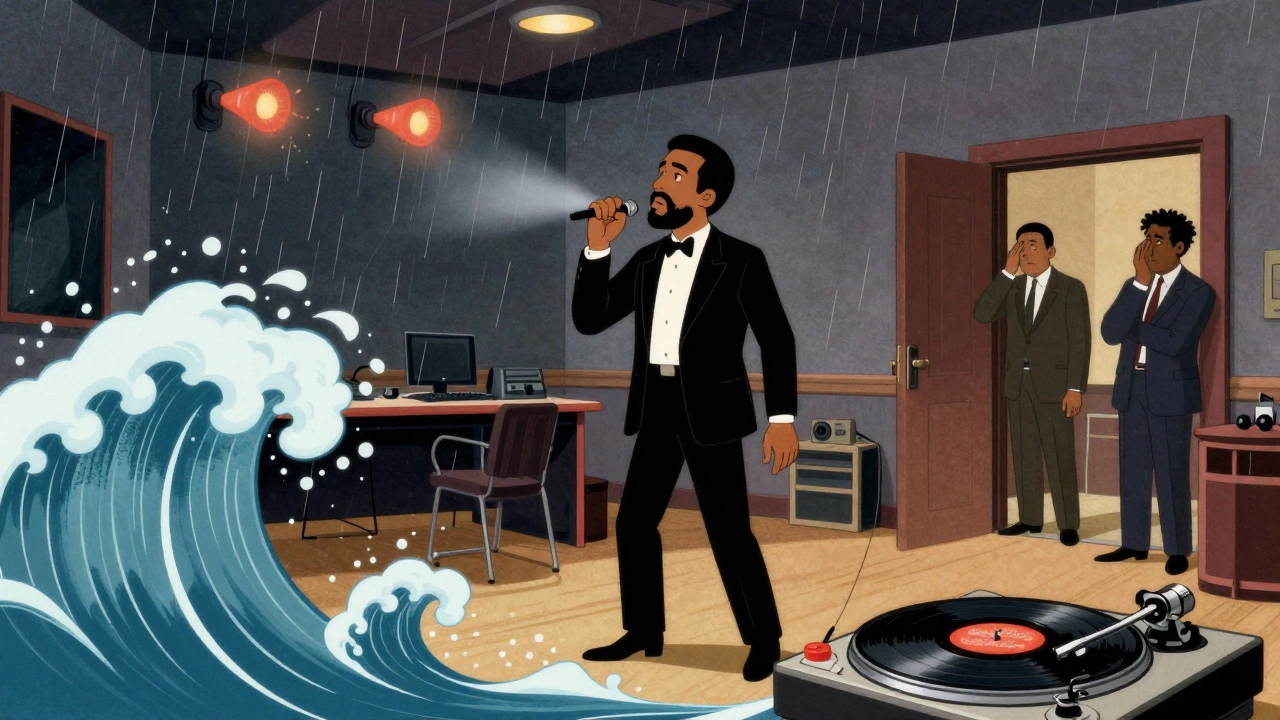
In 1971, Marvin Gaye walked into Motown’s Detroit studio with a radical idea: an album that didn’t sound like a hit factory product. No backing vocals on cue, no choreographed harmonies. Just his voice, layered over slow-burning basslines, distant sirens, and the sound of rain. He called it What’s Going On. The label hated it. They said it wouldn’t sell. Gaye told them he’d stop recording unless they released it. They gave in. And it became one of the most important albums of the decade-not because it was catchy, but because it was honest.
The 1970s weren’t just about disco and bell-bottoms. They were a time when the promises of the 1960s had started to crack. The Vietnam War dragged on, even after the draft ended. Cities burned after police violence. Women were still fighting for equal pay. Black families still lived under the weight of systemic racism. And music didn’t look away. Artists didn’t just sing about love anymore-they sang about hunger, corruption, and the cost of silence.
The voice of the unheard: Marvin Gaye and the birth of personal protest
Before What’s Going On, protest songs were often collective chants-groups singing together in marches. Gaye changed that. He turned the political into the personal. The opening track isn’t a rally cry. It’s a man coming home from war, seeing his brother broken, watching his neighborhood burn, and asking, “What’s going on?” That question wasn’t rhetorical. It was a plea.
Gaye didn’t write it alone. He took a demo by Al Cleveland, rewritten it after his brother Frankie returned from Vietnam with PTSD, and soaked it in the pain of the 1965 Watts Riots. He recorded the album like a film-each song a scene, each instrument a character. The horns weep. The drums stumble. The background singers don’t harmonize-they echo, like voices in a crowded room trying to be heard.
It sold two million copies in a year. Radio stations played it. But they didn’t always understand it. Some DJs thought it was just a soul ballad. Others knew better. They played it in churches, in classrooms, in living rooms where people sat quietly after the record ended, not sure what to say next.
Women roaring: Helen Reddy and the anthem that changed a movement
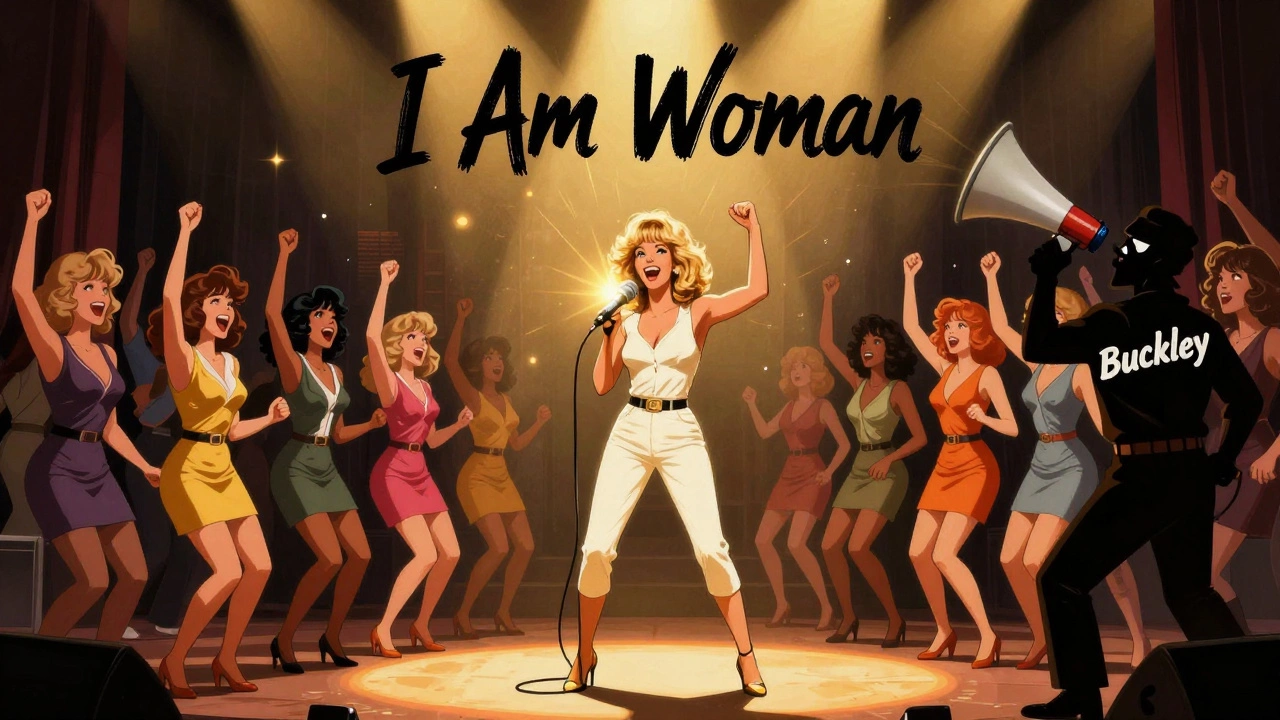
In 1972, Helen Reddy was tired of hearing male singers tell women how to feel. So she wrote I Am Woman. Not as a protest. Not as a demand. As a declaration. She didn’t want to be a muse. She wanted to be a force.
The song wasn’t written for the charts. It was written for a woman sitting alone in a small apartment, wondering if she mattered. When it hit the Women’s Rights Convention in 1973, hundreds of women stood up. They didn’t clap. They danced. They sang back. Reddy later said she didn’t know the lyrics would become a battle cry. She just wrote what she needed to hear.
It reached #1 on the Billboard Hot 100. Conservative critics called it divisive. William F. Buckley Jr. called it “narcissistic whining.” But women in factories, in offices, in college dorms, kept singing it. It wasn’t just a song. It was a permission slip-to be loud, to be angry, to be seen.
Reggae as resistance: Bob Marley and the sound of the hungry mob
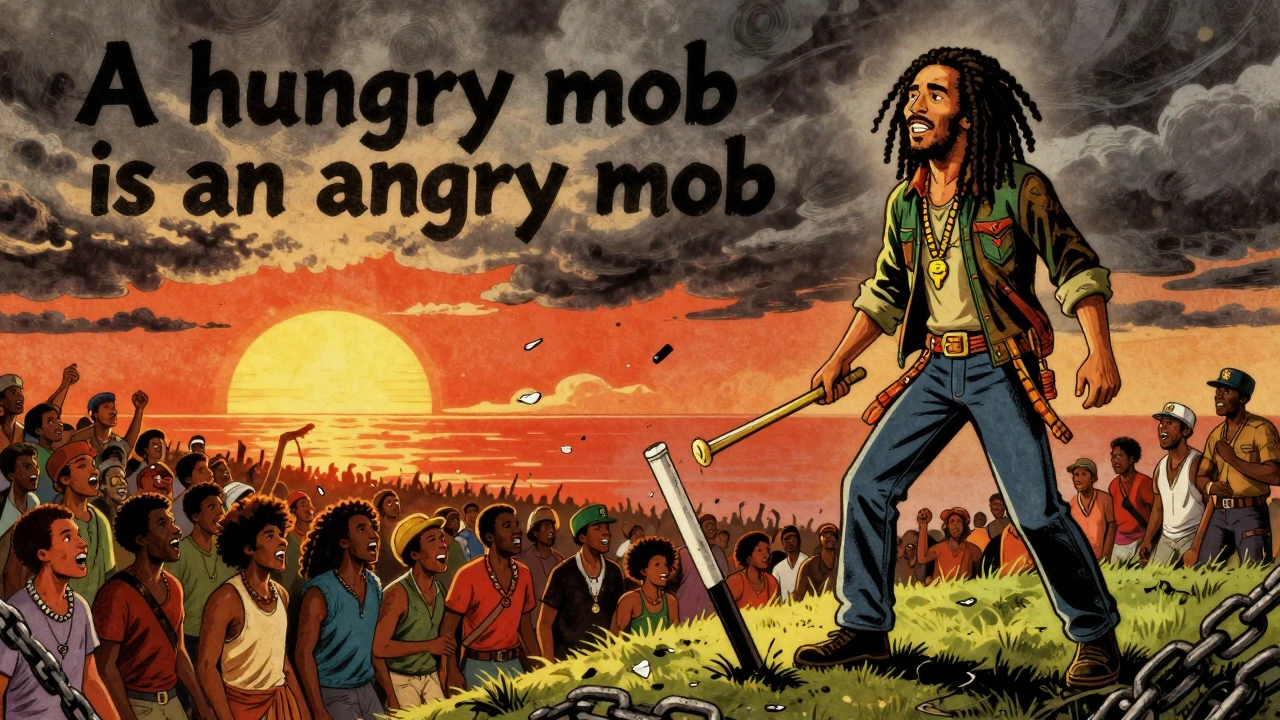
While Gaye sang from Detroit and Reddy from New York, Bob Marley was writing from Kingston, Jamaica. His 1974 album Natty Dread didn’t mention America once. But it spoke to the same pain. The line “A hungry mob is an angry mob” wasn’t poetry. It was a warning. Marley had seen children in slums with nothing to eat. He’d watched police beat men for speaking out. He didn’t need to name Nixon or the FBI. He named hunger. And hunger, he knew, doesn’t stay quiet.
His 1973 song Get Up, Stand Up didn’t ask for change. It demanded it. He borrowed the rhythm of gospel, but the message was revolutionary: justice shouldn’t wait for heaven. It had to happen now. When he played it in Zimbabwe during its independence movement, crowds chanted the chorus like a prayer. When he played it in London, white kids sang it with Black kids. Music didn’t erase race-it made it impossible to ignore.
When the system turned its back: The Isley Brothers, Johnny Cash, and the censorship that followed
The Isley Brothers’ 1975 single Fight The Power was raw. It didn’t whisper. It shouted. And it had one word that radio stations couldn’t handle: bullshit. The label begged them to change it. Ron Isley refused. “That word,” he said, “is what people feel when they’re lied to.” The song was banned on 47% of major U.S. radio stations. Yet it still sold over half a million copies.
Johnny Cash took a different route. In 1970, he performed What Is Truth for President Nixon at the White House. The lyrics asked: “What is truth? Is it what the papers say? Or what the people feel?” Nixon’s staff stiffened. The First Lady clapped. The press called it “a political minefield.” Cash didn’t care. He’d spent years singing about prisoners, addicts, and the poor. He knew truth didn’t come from the Oval Office.
Both songs were pushed to the edges of mainstream radio. But they found life elsewhere-in underground clubs, on college campuses, in protest marches. Censorship didn’t kill them. It made them louder.
How the music industry tried to silence dissent
Record labels didn’t hate protest music because it was bad. They hated it because it was dangerous. Motown’s executives thought Gaye’s album would ruin their brand. They’d built a machine that made love songs, not questions. When Gaye threatened to walk, they panicked. He wasn’t just an artist-he was their biggest earner. So they let him have his way.
But not everyone had that power. Many artists had to rewrite lyrics to get airplay. John Lennon recorded two versions of Gimme Some Truth-one for the album, one with softer words for U.S. radio. The Pop Group’s We Are All Prostitutes called capitalism “the most barbaric of all religions.” It still hit #18 on the UK indie chart because the beat made you move-even if the words made you think.
By 1975, the Payola Amendment forced radio stations to disclose who paid for playtime. It sounded like progress. But it also made stations more afraid. Why risk playing a song that might get you fined or lose sponsors? So protest music got quieter. Or it went underground.
Why 1970s protest music still matters today
Look at Kendrick Lamar’s The Blacker the Berry in 2015. He samples Gil Scott-Heron’s The Revolution Will Not Be Televised. Beyoncé dances to I Am Woman on tour. H.E.R. says Marvin Gaye taught her how to make protest feel personal. These aren’t nostalgia acts. They’re inheritors.
What made 1970s protest music work wasn’t the politics. It was the humanity. Gaye didn’t scream slogans. He sang like someone who’d just lost a brother. Reddy didn’t demand equality-she claimed it. Marley didn’t preach revolution-he made you feel the weight of hunger.
Today’s artists have more tools: social media, streaming, global reach. But they still face the same challenge: how to speak truth without being ignored. The 1970s showed them the answer: don’t try to change the world with a megaphone. Change it with a melody that sticks in your chest long after the song ends.
Legacy in the classroom and the streets
Today, 78% of U.S. high school music programs teach What’s Going On as a lesson in civil rights. Not because it’s old. But because it’s alive. Students listen to the rain in the intro. They hear the sirens. They realize: this wasn’t just music. It was a witness.
On the streets, in 2020 and again in 2023, protesters in Portland, Minneapolis, and Chicago chanted the lines from Get Up, Stand Up as they marched. The same words. The same pain. The same refusal to stay silent.
Protest music didn’t end in the 1970s. It just changed shape. And as long as people still feel unheard, it never will.