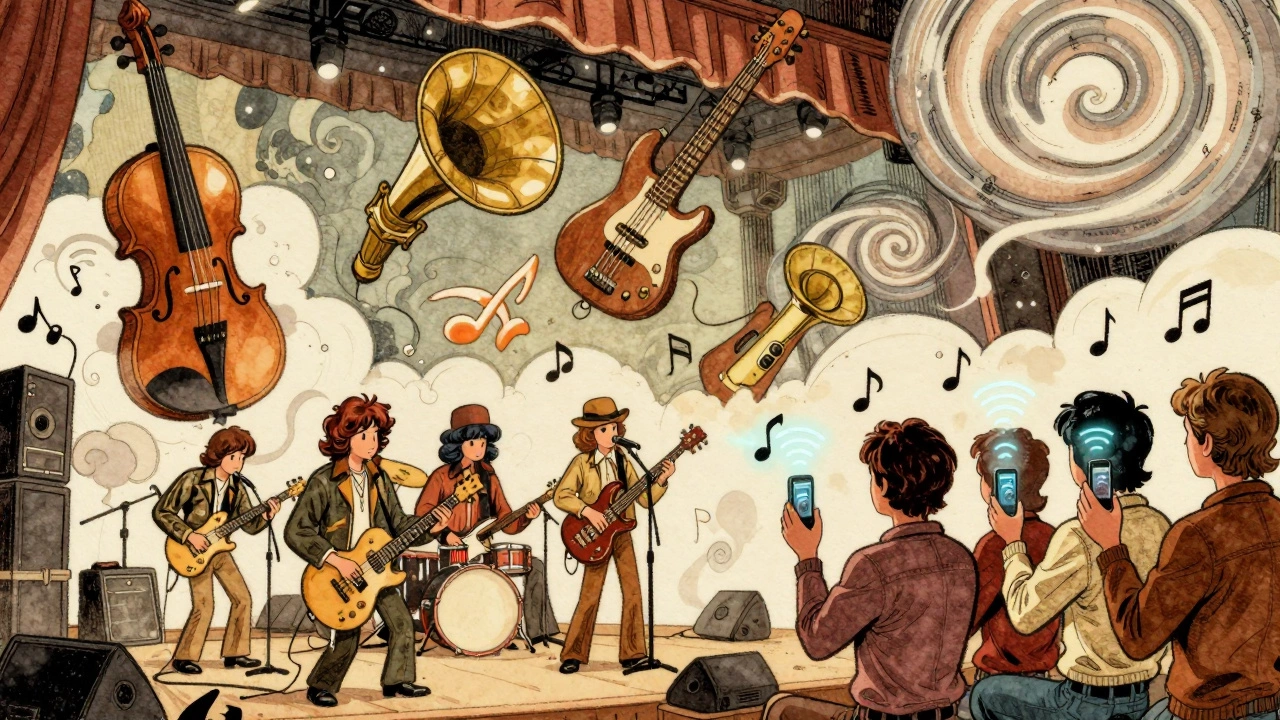

Prog rock isn’t dead-it’s been waiting for you to catch up.
In the early 2010s, if you told someone you listened to bands that wrote 12-minute songs with seven time signature changes, they’d either nod politely or laugh and ask if you still wore bell-bottoms. But by 2025, that same person is probably streaming prog rock on Spotify during their morning commute. The genre that once dominated FM radio in the 1970s with bands like Yes, Genesis, and King Crimson has quietly come back-not as a nostalgia act, but as a living, breathing movement led by a new generation of musicians who didn’t grow up listening to vinyl but still crave musical depth.
Modern prog isn’t just copying the past. It’s rebuilding it. Bands today are taking the wild ambition of 1970s prog-extended structures, conceptual storytelling, virtuosic playing-and layering it with djent riffs, electronic textures, jazz improvisation, and even traditional Chinese melodies. The result? Music that’s just as complex as Thick as a Brick, but feels like it was made for your phone’s playlist.
What made 1970s prog rock so special?
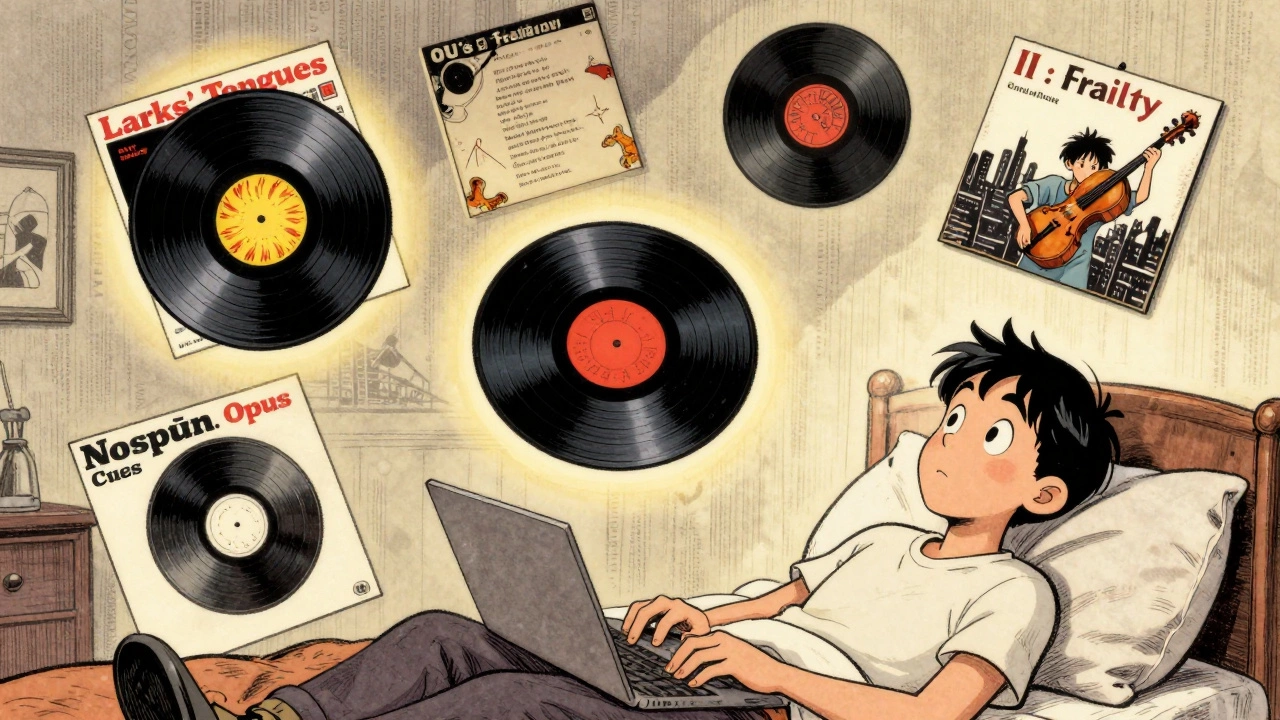
Back then, prog wasn’t about radio hits. It was about ambition. Bands didn’t care if a song was too long, too weird, or too hard to follow. They were building sonic worlds. King Crimson’s Larks’ Tongues in Aspic switched from brutal metal riffs to quiet violin passages in the same track. Genesis turned a 23-minute epic about a boy lost in New York into a theatrical journey with shifting moods and layered instrumentation. Yes didn’t just write songs-they composed symphonies with electric guitars.
These weren’t just technical exercises. They were emotional journeys. The complexity served the story. A sudden key change wasn’t there to show off-it was to mirror a character’s panic. A 9/8 groove wasn’t just odd-it felt like stumbling through a dream. That’s what made it stick. And that’s exactly what today’s bands are trying to bring back.
How modern bands are rebuilding prog’s complexity
Today’s prog bands aren’t just using old tricks-they’re inventing new ones. Take Phase Transition, a Portuguese trio that doesn’t have a bassist or keyboardist. Instead, they use violin, guitar, and drums. That’s not a gimmick. It’s a deliberate choice to recreate the textural freedom of 1970s prog, where instruments weren’t just supporting roles-they were equal voices. Their 2024 album took over 200 hours to arrange because every note had to breathe between the others. No bass? No problem. The violin carries the low end. The guitar weaves harmony. The drums don’t just keep time-they lead the shifts.
Then there’s OU, a Chinese band whose 2024 album II: Frailty pairs soaring, almost ethereal vocals with crushing djent riffs. Their sound is a collision: the emotional weight of early Genesis meets the precision of modern metal. Listeners on ProgArchives call it “King Crimson with a Chinese soul.” That’s not hyperbole. They’re not imitating-they’re expanding the language of prog by adding cultural layers that didn’t exist in the 70s.
Nospūn, from North Carolina, takes the concept album format and turns it into something cinematic. Their 2023 album Opus isn’t just a collection of songs-it’s a story told through narration, sudden tempo shifts, and shifting dynamics. One track might start as a gentle piano ballad, then explode into a mathcore frenzy, then calm down again with whispered spoken word. It’s like if The Lamb Lies Down on Broadway was remade by a filmmaker who grew up on video games and anime.
The numbers don’t lie: prog is growing
It’s not just fans who are noticing. The data is screaming. In 2024, Spotify reported that prog rock was the fastest-growing niche genre among listeners aged 18-34, with streams up 63% year-over-year. Tracks longer than six minutes saw a 42% increase in plays. That’s huge. For years, the industry assumed younger audiences only wanted short, punchy songs. Turns out, they just wanted something that meant something.
Inside Out Music, a label that’s signed over a dozen new prog acts since 2022, saw a 37% year-over-year growth in streaming for albums with complex time signatures and extended compositions. By 2025, they projected the global prog market would hit $187 million-up from $121 million in 2022. That’s not a flash in the pan. That’s a slow-burning fire.
Even festivals are changing. At RoSfest and Euroblast in 2025, 68% of the acts were formed after 2018. That’s a massive shift from 2020, when only 42% were new. The old guard-Dream Theater, Porcupine Tree-are still releasing great albums, but the real energy is coming from younger bands who never lived through the 70s but still understand what made prog powerful.
Why now? Why this generation?
There’s a reason this is happening now. After years of algorithm-driven pop-three-minute songs, predictable hooks, auto-tuned vocals-many listeners are tired of being fed the same thing. They’re craving music that rewards attention. Music that unfolds over time. Music that makes you lean in, hit replay, and notice something new each time.
Modern prog doesn’t just demand listening-it invites it. Take Royal Sorrow from Finland. Their song “Metrograve” has clean singing, sudden screams, and layers of synth that only reveal themselves after the third listen. It’s not loud for the sake of being loud. It’s layered for the sake of discovery. That’s the 1970s spirit: music as a puzzle, not a product.
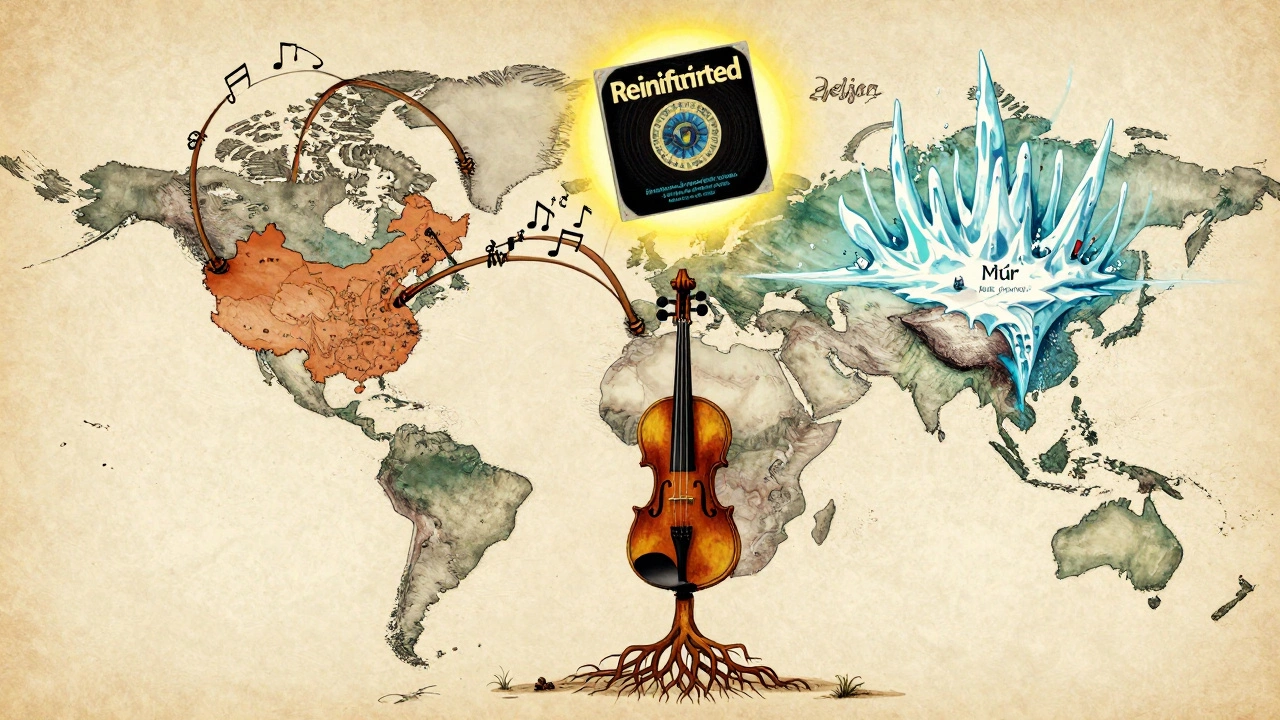
And it’s not just Western bands. Iceland’s Múr, winner of the 2024 Icelandic Music Award for Newcomer of the Year, builds soundscapes that feel like glaciers shifting-slow, massive, and emotionally vast. Their work connects directly to Sigur Rós and Sólstafir, but with the structural ambition of early Yes. China’s OU, Italy’s Benthos (who mix mathcore with prog metal), Norway’s Moonsoon (featuring a drummer who’s played with dozens of established acts)-these aren’t outliers. They’re part of a global wave.
Is it all working? Or are some bands just trying too hard?
Not every attempt lands. Some bands pile on time signature changes like they’re trying to win a contest. They forget that complexity without emotion feels empty. On Sputnikmusic, one listener wrote: “Some modern prog sounds like a math exam disguised as music.” And they’re right. The best prog from the 70s didn’t just confuse-it moved you. The same is true today.
The bands that are thriving-Sometime in February, Asymmetric Universe, OU-all share one thing: melody. Even when their songs are 15 minutes long, they have hooks. They have moments of beauty. They know when to hold back. That’s the real lesson from the 70s: complexity isn’t about how many notes you play. It’s about how you make those notes matter.
Asymmetric Universe, an instrumental trio from Italy, doesn’t need vocals to tell a story. Their music breathes. A single guitar line can carry an entire emotional arc. That’s what made King Crimson’s “Larks’ Tongues in Aspic” unforgettable-not the drum fills, but the silence between them.
The future of prog isn’t retro-it’s reinvented
The next frontier? Non-Western scales. Indian ragas fused with 11/8 time signatures. West African polyrhythms layered under synth pads. Chinese pentatonic melodies woven into prog metal. OU is already doing it. Prog Magazine predicts this will be the next big leap.
And the audience? It’s getting younger. The average age of prog listeners dropped from 48.7 in 2015 to 36.2 in 2025. That’s not just a shift-it’s a generational handoff. These aren’t people reminiscing about the past. They’re building the future.
Prog rock didn’t come back because someone missed flutes and Mellotrons. It came back because people finally realized that music doesn’t have to be simple to be powerful. That complexity, when done right, isn’t a barrier-it’s an invitation. To listen deeper. To feel more. To be challenged.
The 1970s gave us the blueprint. Today’s bands aren’t copying it. They’re rewriting it-with their own voices, their own cultures, their own rules. And for the first time in decades, prog rock isn’t a relic. It’s alive.
Is prog rock making a comeback, or is it just nostalgia?
It’s not nostalgia-it’s evolution. While legacy bands like Dream Theater and Porcupine Tree are still active, the real energy comes from new artists born after 2000 who didn’t grow up listening to vinyl but still crave depth. Bands like OU, Phase Transition, and Moonsoon are blending 1970s complexity with modern metal, jazz, and global sounds, creating something entirely new. Streaming data shows a 63% increase in prog streams among 18-34-year-olds since 2023, proving this is a living movement, not a revival of the past.
Why are younger listeners drawn to long, complex songs?
After years of algorithm-driven pop music designed for quick consumption, many listeners are craving depth. Complex prog songs reward repeated listens-they reveal new layers, hidden melodies, and emotional shifts over time. Unlike short pop tracks, which are often built on repetition, prog invites curiosity. Fans say they feel like they’re uncovering a secret with each play. Spotify data shows a 42% rise in streams for tracks over six minutes, confirming this isn’t a niche trend-it’s a cultural shift.
Do modern prog bands just copy the 1970s, or are they innovating?
They’re doing both. Bands like Benthos and Nospūn use the structural ambition of 1970s prog-extended forms, concept narratives, odd time signatures-but layer in modern elements: djent riffs, electronic textures, spoken word narration, and non-Western scales. Phase Transition removes the bass and adds violin, creating textures unheard in classic prog. OU blends Chinese melodic traditions with metal. These aren’t homages-they’re reinventions that expand what prog can be.
Is prog rock only popular in the US and Europe?
No. The movement is global. Bands from China (OU), Portugal (Phase Transition), Iceland (Múr), Italy (Benthos), and Norway (Moonsoon) are leading the charge. ProgArchives editor James R. Smith called it a “truly international progressive rock renaissance.” These bands aren’t imitating Western styles-they’re adding their own cultural DNA. That’s why the genre is growing faster now than ever before: it’s becoming more diverse, not less.
What’s the biggest mistake modern prog bands make?
Overcomplicating for the sake of complexity. Some bands pile on tempo changes, odd meters, and technical riffs without emotional grounding. The best prog-from King Crimson to today’s Sometime in February-balances complexity with melody and mood. It’s not about how many notes you play, but how those notes make you feel. Listeners on Sputnikmusic and Reddit have called out bands that sound like “a math exam disguised as music.” The ones that succeed know: complexity serves the story, not the ego.
Will prog rock ever go mainstream again?
It doesn’t need to. Prog’s strength has always been its independence from mainstream trends. It thrives in communities-Reddit threads, specialized festivals, niche labels like Inside Out Music. But it’s gaining visibility. With 37 notable prog albums scheduled for 2025 alone, and streaming numbers rising, it’s becoming harder to ignore. Mainstream radio may never play a 17-minute song, but TikTok clips of prog guitar solos are getting millions of views. The audience is growing-not by accident, but because the music finally matches what listeners are searching for: meaning, not just noise.