
Why the Music of 1970s Women Still Matters
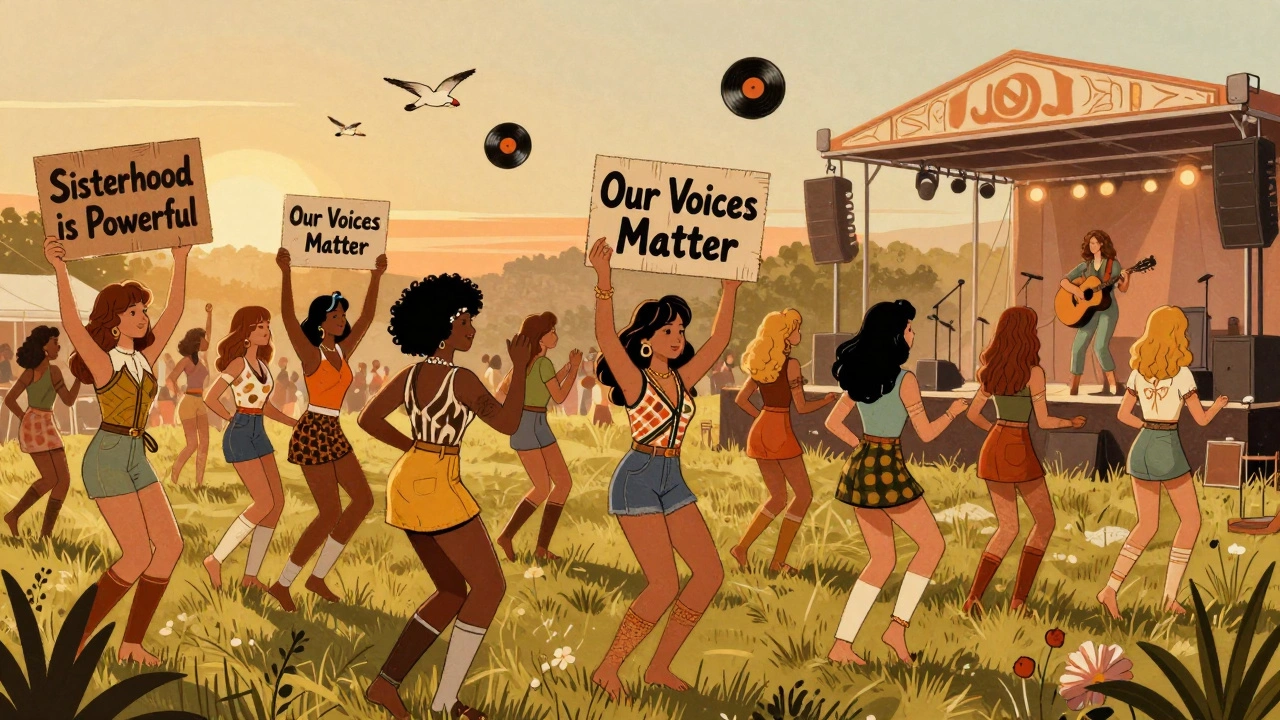
In the 1970s, women didn’t just sing songs-they built movements. In basements, community centers, and women-only festivals, female artists recorded albums that spoke directly to women’s lives: their anger, their joy, their solidarity, their resistance. This wasn’t background noise. It was the soundtrack of a revolution. Today, those recordings-on vinyl, cassette, and reel-to-reel-are fading. The people who made them are aging. And if we don’t act now, their stories might disappear with them.
The Rise of Women’s Music
Before streaming playlists and TikTok virality, there was Olivia Records. Founded in 1973 by five women-Ginny Berson, Meg Christian, Judy Dlugacz, Kate Winter, and Jennifer Woodul-Olivia became the first and longest-lasting woman-owned record label in U.S. history. These weren’t just businesswomen; they were activists. They believed music could change the world. And they proved it.
Artists like Meg Christian, Cris Williamson, and Holly Near released albums that didn’t just top charts-they built communities. Women traveled hundreds of miles to attend concerts where they weren’t just audience members, but the majority. For many, it was the first time they felt safe being openly lesbian, feminist, or just themselves. The music wasn’t polished for radio play. It was raw, honest, and made for people who’d been told their voices didn’t matter.
What Got Preserved-and What Didn’t
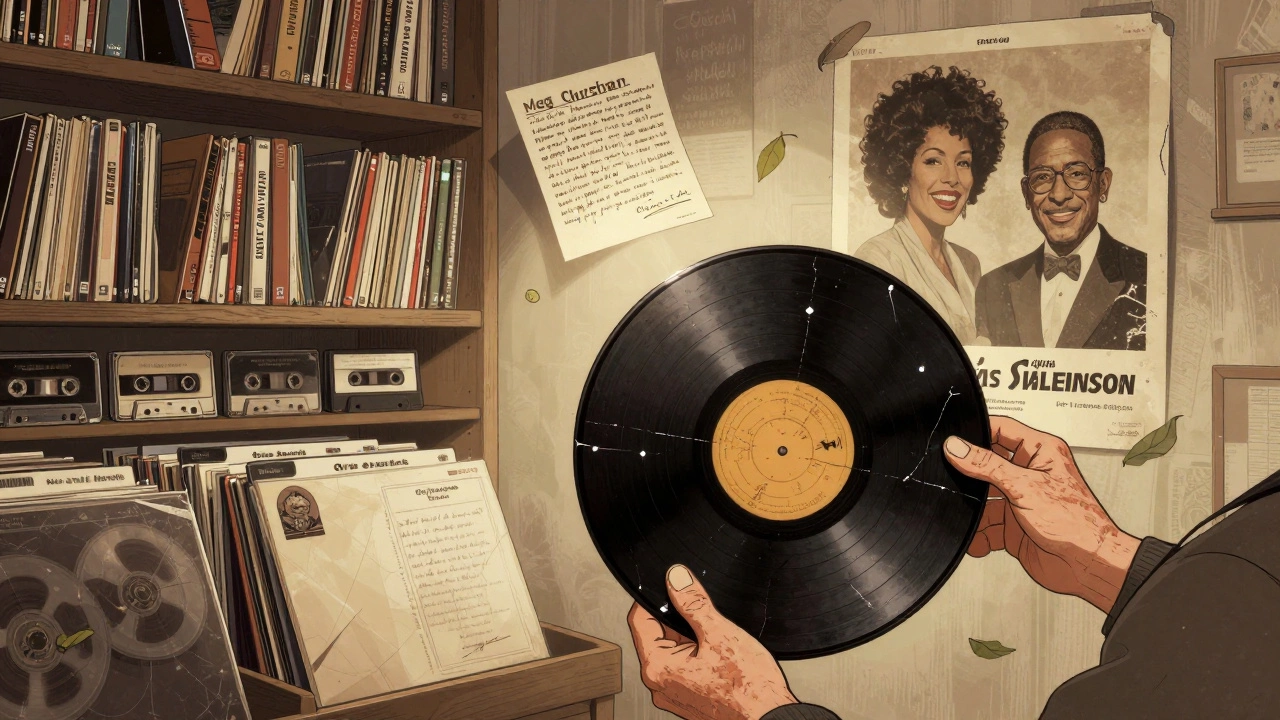
Today, Olivia Records’ archive sits in a back room at its San Francisco headquarters, now a lesbian travel company. Inside: 3,212 45 rpm singles, 868 LPs, 400 cassette tapes, and over 1,200 CDs. Many are still shrink-wrapped. These aren’t just recordings-they’re artifacts of a culture that refused to be silenced. But they’re not cataloged. Not digitized. Not easily accessible.
Meanwhile, the Women’s Liberation Music Archive at the University of Bristol holds something even richer: flyers from concerts, handwritten lyrics, protest posters, video recordings, gig lists, and manifestos. These materials show how music and politics intertwined. A song wasn’t just a song-it was a call to action. A poster wasn’t just advertising-it was a declaration of belonging.
But here’s the problem: most of these archives are locked away. You can’t just stream them. You have to request access. You have to travel. You have to know where to look. And too few people do.
The Race Against Time
The people who made this music are in their 70s and 80s. The fans who danced to it in college dorms and women’s collectives are aging too. That means the oral histories-the stories behind the songs-are slipping away.
One veteran of the movement told Smithsonian Magazine: “I’m not ready to be a museum piece.” That’s a powerful sentiment. These women didn’t create music to be displayed. They created it to live. But now, their legacy is at risk of becoming a footnote.
Digitizing tapes is expensive. Cassette decks are hard to find. Vinyl needs special turntables. And no one’s funding this work like they fund rock legends from the same era. While Led Zeppelin’s archives get museum exhibits, the women who sang about domestic violence, equal pay, and lesbian pride are still waiting.
Why This Isn’t Just About Music
These archives aren’t just collections of songs. They’re proof that feminism wasn’t just about marches and laws-it was about culture. Women’s music helped raise awareness about breast cancer. It gave voice to survivors of abuse. It pushed LGBTQ visibility into spaces that refused it. The song “The Chorus” by Cris Williamson didn’t just get played at women’s festivals-it got sung at rallies, in hospitals, in living rooms where women whispered, “I’m not alone.”
The Library of Congress has added Bessie Smith and Kitty Wells to its National Recording Registry. But where are the albums from Olivia Records? Where are the recordings from the Michigan Womyn’s Music Festival? They’re not there. And that’s not an accident. It’s a gap in history.
How You Can Help
You don’t need to be a scholar to care about this. Here’s what you can do:
- Find a local archive-like the University of Bristol’s Women’s Liberation Music Archive-and ask how to support their digitization efforts.
- If you have old cassettes or vinyl from women’s music festivals, donate them. Or at least record them before they degrade.
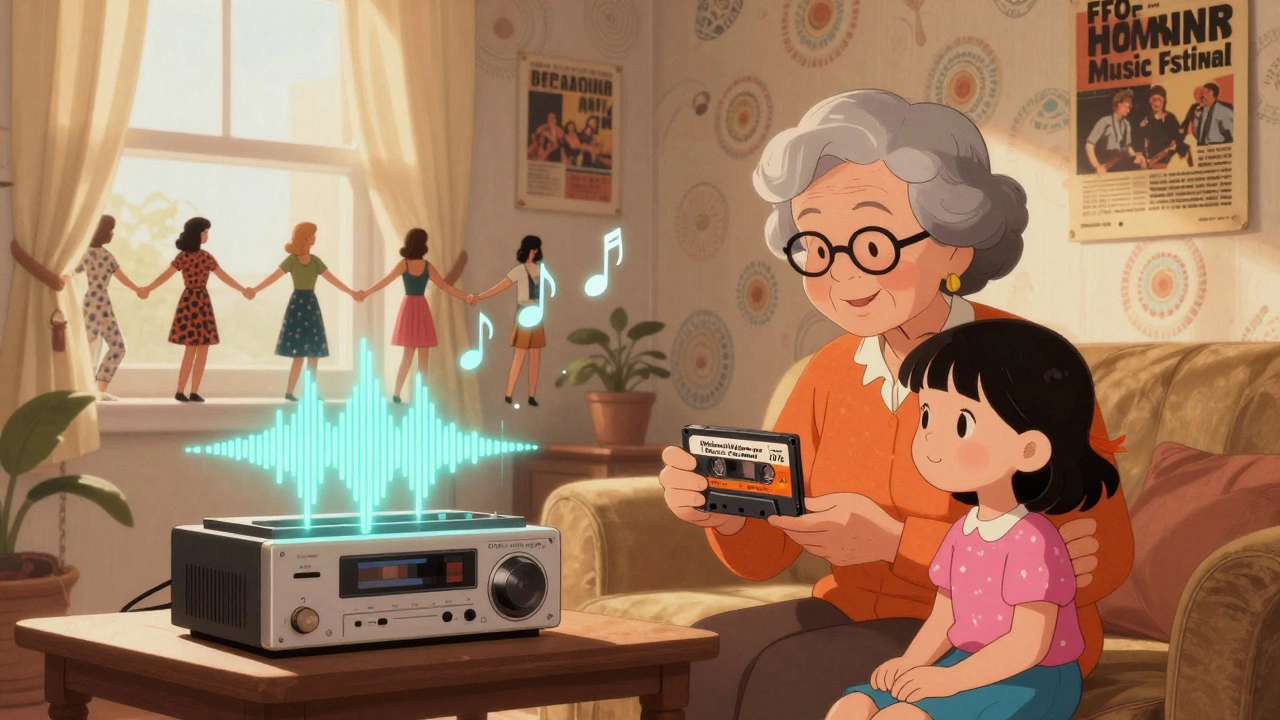
- Share stories. Talk to your mother, your aunt, your neighbor. Ask: “Did you ever go to a women’s music concert?” Their answers might be the only record left.
- Support independent artists who carry this legacy forward. Artists like Toshi Reagon, Indigo Girls, and even newer acts like MUNA are building on this foundation.
The Future of Women’s Music History
Some progress is happening. Museum exhibits are starting to include women’s music. Researchers are writing papers. Online catalogs are being built. But none of it is fast enough.
The goal isn’t to turn this into a nostalgia trip. It’s to make sure future generations know that feminism didn’t start with a hashtag. It started with a guitar, a microphone, and a group of women who refused to be quiet.
These archives are more than storage rooms. They’re monuments. And if we let them decay, we’re not just losing music-we’re losing proof that women once took control of their own sound, and changed the world because of it.
What’s Still Missing
There’s no national database for women’s music from the 1970s. No centralized streaming collection. No university course that teaches it as standard history. The materials exist-but they’re scattered. Forgotten. Undervalued.
What’s needed now is coordination. Funding. Recognition. And most of all, urgency.
Because when the last cassette wears out, and the last living singer passes away, we won’t have another chance to hear their voices. Not the way they meant them to be heard.