Author: Bridget Kale - Page 5


The Secret Art of Producer Relationships: How Labels Pair Artists and Producers
Discover how record labels strategically pair artists with producers to create hit records, shape sonic brands, and navigate the complex psychology of the studio.
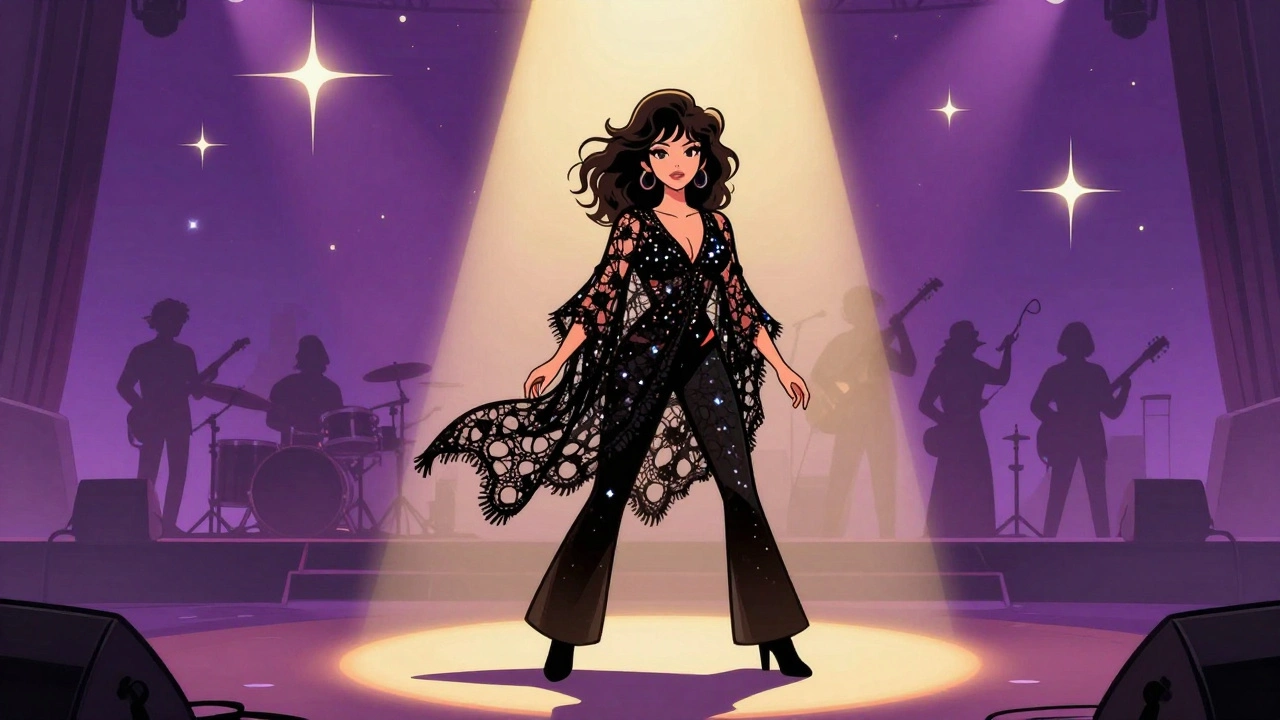
Stevie Nicks’ Stand Back: The Story of 1980s Solo Success
Explore how Stevie Nicks achieved solo superstardom in the 1980s, the secret collaboration of "Stand Back" with Prince, and her historic Rock Hall achievements.
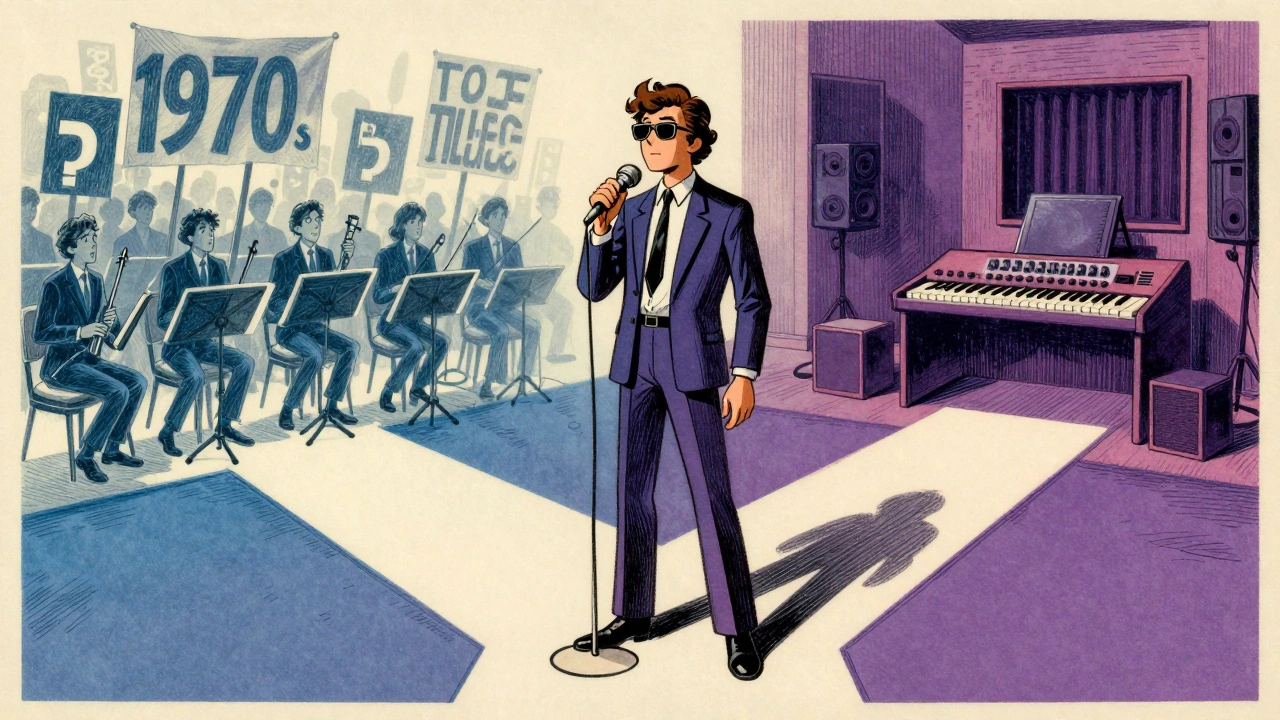
Marvin Gaye's 1980s Politics and Passion: From Sexual Healing Onward
Explore the transformation of Marvin Gaye in the 1980s. Discover how his music shifted from social protests to intimate healing, analyzing Midnight Love and his lasting legacy.

Studio Effects Guide: Mastering Reverb, Delay, and Distortion
Master studio effects like reverb, delay, and distortion. Learn key parameters such as pre-delay, decay time, and feedback to improve your audio mixing.
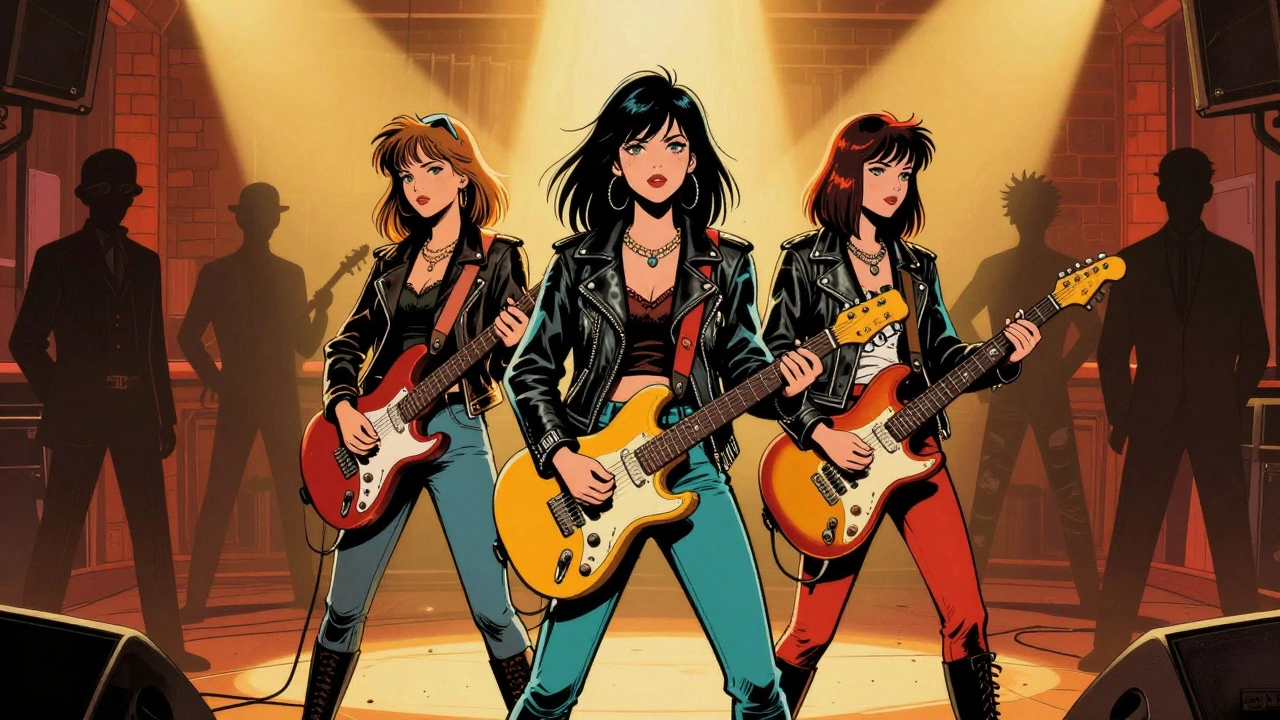
Women in 1990s Britpop: Voices Beyond the Boys' Club
Uncover how pioneering women reshaped 1990s Britpop beyond its male-dominated myth. Featuring Elastica, Sleeper, Lush & more.

How Punk's Raw Energy Evolved Into New Wave's Polished Sound
New wave didn't betray punk-it evolved it. By blending punk's raw energy with synthesizers and pop hooks, bands like Blondie and Talking Heads turned rebellion into radio hits, proving that innovation doesn't mean selling out.

Synthesizers Take Over: How Digital Instruments Redefined 1980s Music
Synthesizers transformed 1980s music by making electronic sounds mainstream. From the Yamaha DX7 to Depeche Mode and ZZ Top, digital instruments reshaped pop, rock, and even metal-changing how music was made forever.
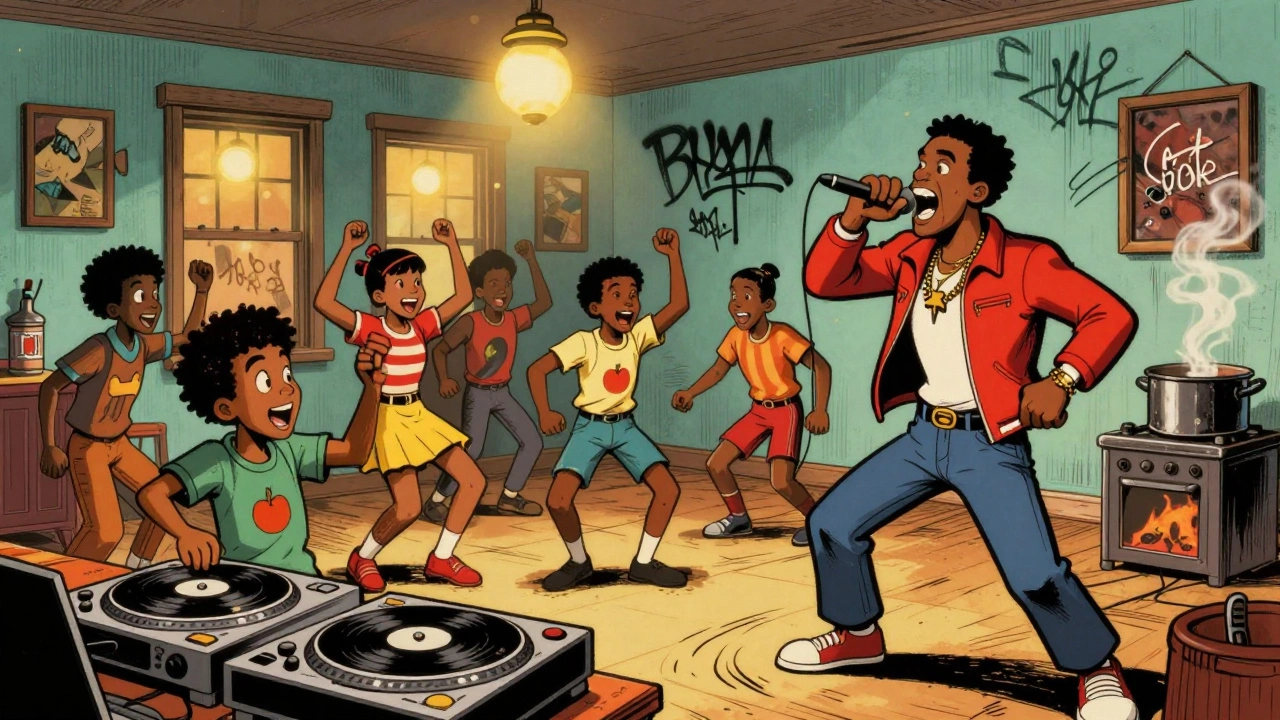
From Party Music to Art: How Hip-Hop Became a Voice for a Generation
Hip-hop began as party music in the Bronx, but evolved into a powerful art form that gives voice to marginalized communities. From DJ Kool Herc to Tupac, it transformed from entertainment to testimony.
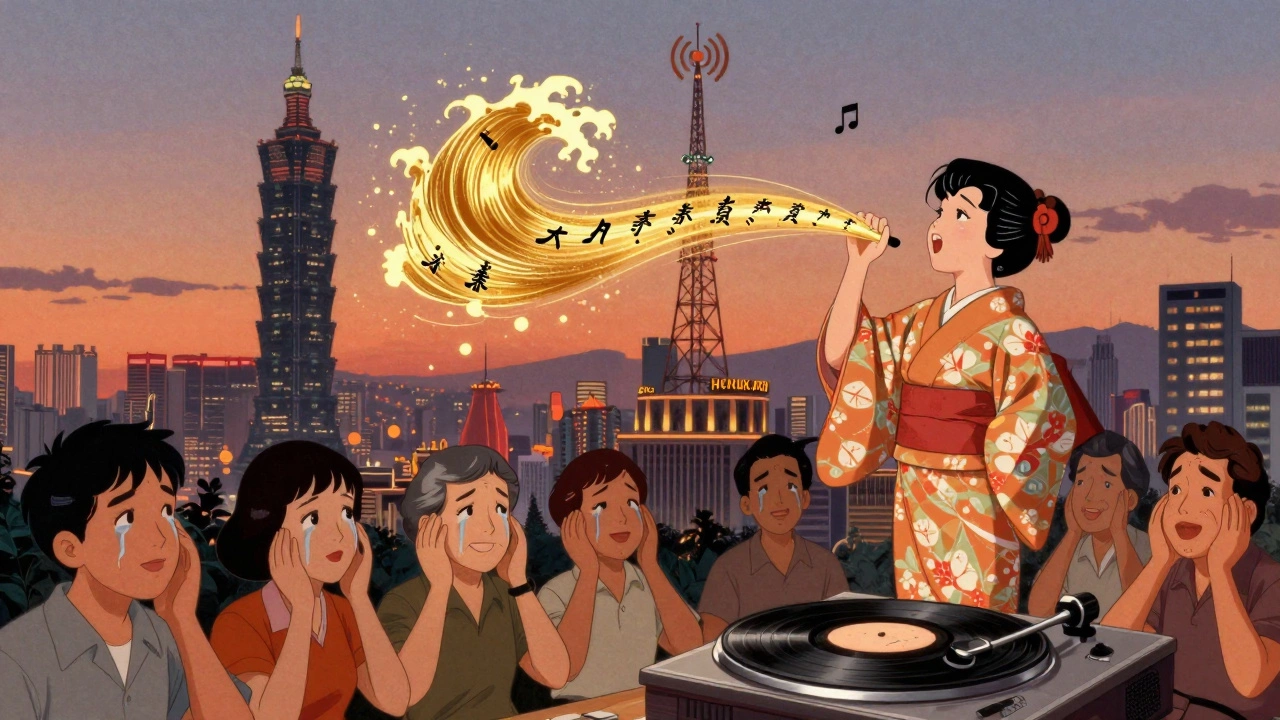
Japanese Music Scene: How 1970s Japan Shaped Asia's Pop Sound
In the 1970s, Japanese music became Asia's hidden musical force-through enka ballads, rock fusion, and synth pioneers like YMO. Its influence shaped K-pop, idol systems, and pop production across the continent.
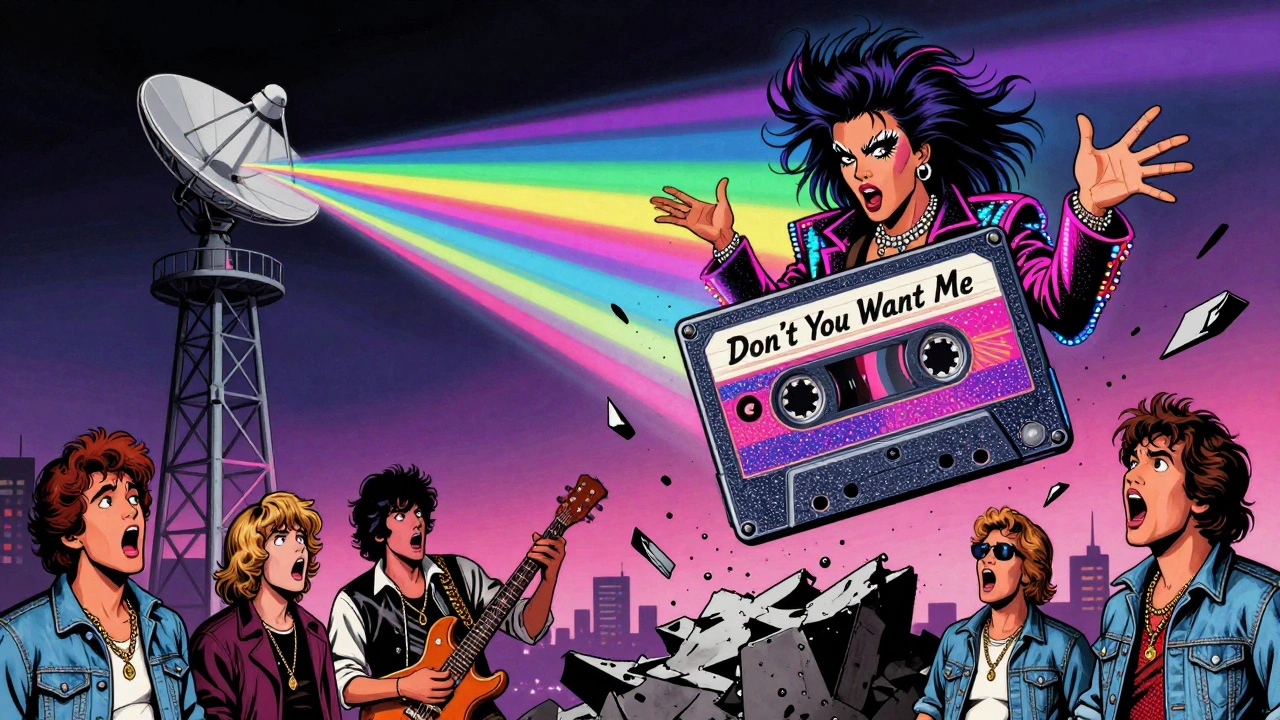
British Invasion Part Two: How 1980s UK Acts Took Over the Billboard Charts
Between 1982 and 1986, British acts like Duran Duran and Culture Club dominated the Billboard Hot 100, with 20 songs in the top 40 at once. MTV, synth-pop, and bold visuals turned the UK into America’s biggest music export.
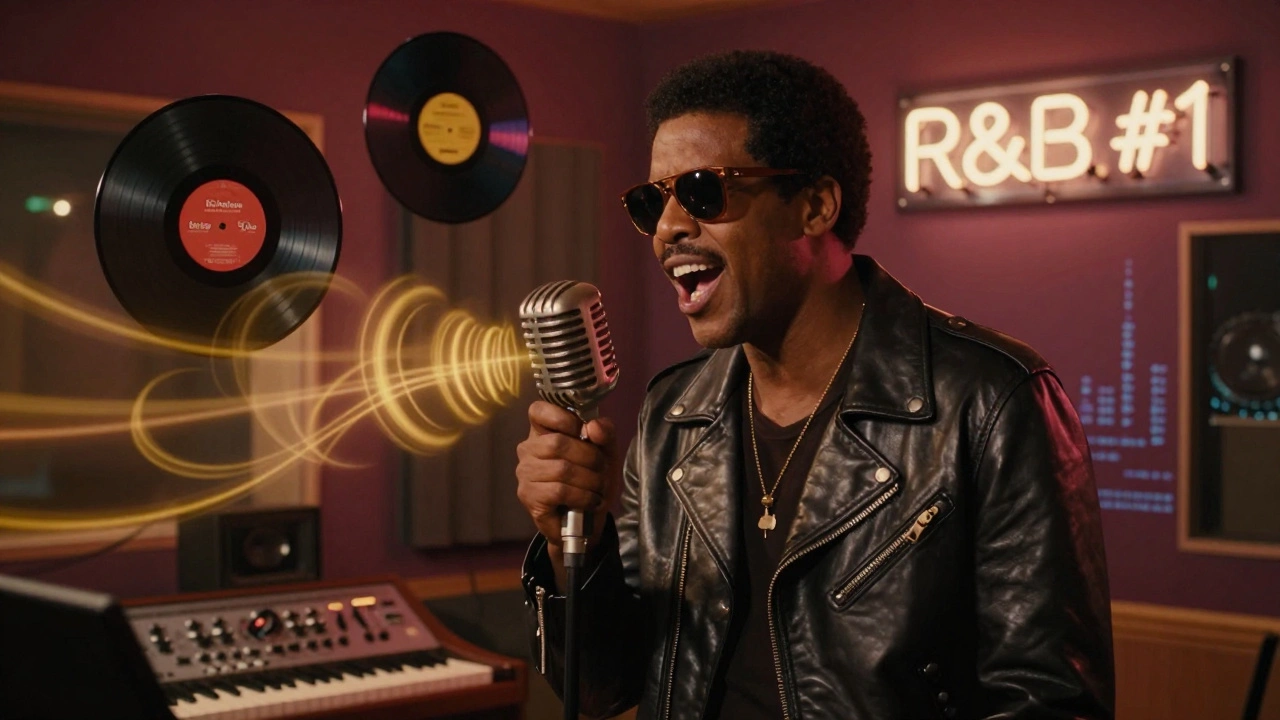
Smokey Robinson’s Enduring 1980s Soul Legacy: How He Dominated Charts When Others Faded
Smokey Robinson didn’t just survive the 1980s-he ruled it. With gold albums, chart-topping singles, and a steady presence on tour and at Motown, he proved legendary soul artists could stay relevant without turning nostalgic.
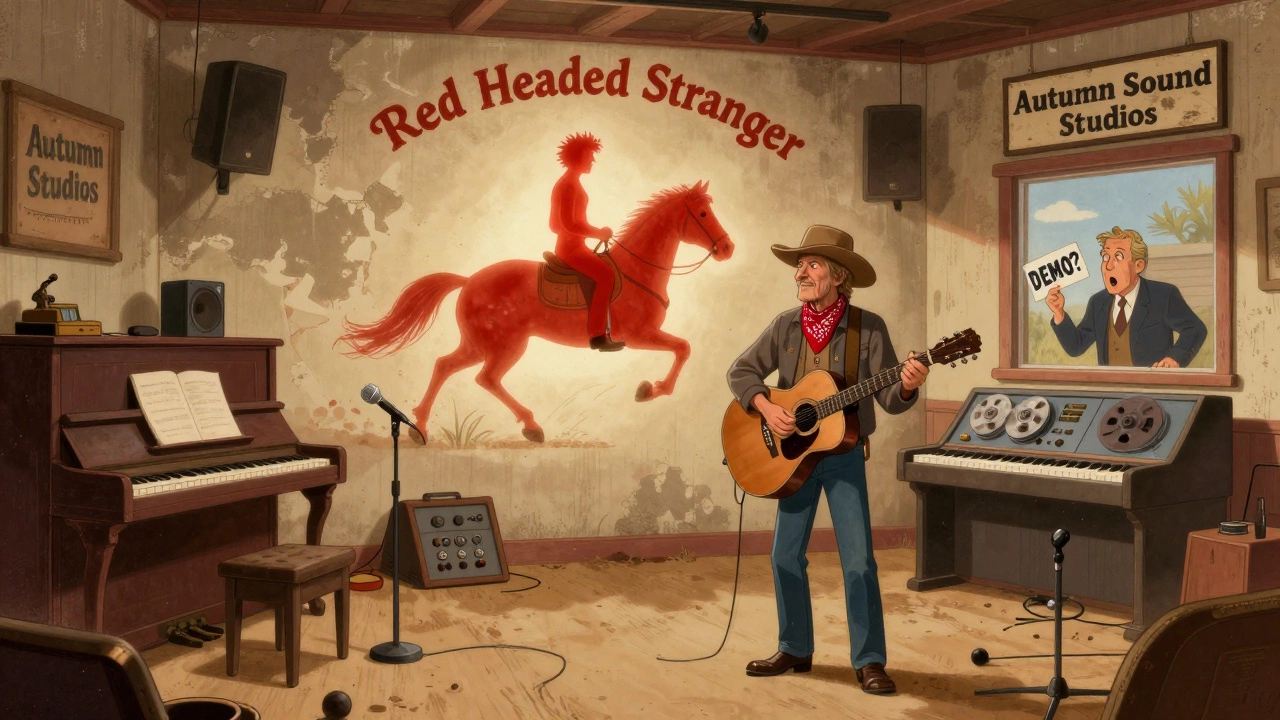
Willie Nelson's Austin Rebellion: Outlaw Country and Musical Independence
Willie Nelson’s rebellion against Nashville’s polished sound birthed outlaw country, proving that authenticity beats production. His 1975 album Red Headed Stranger changed music forever by showing artists they didn’t need labels to succeed.