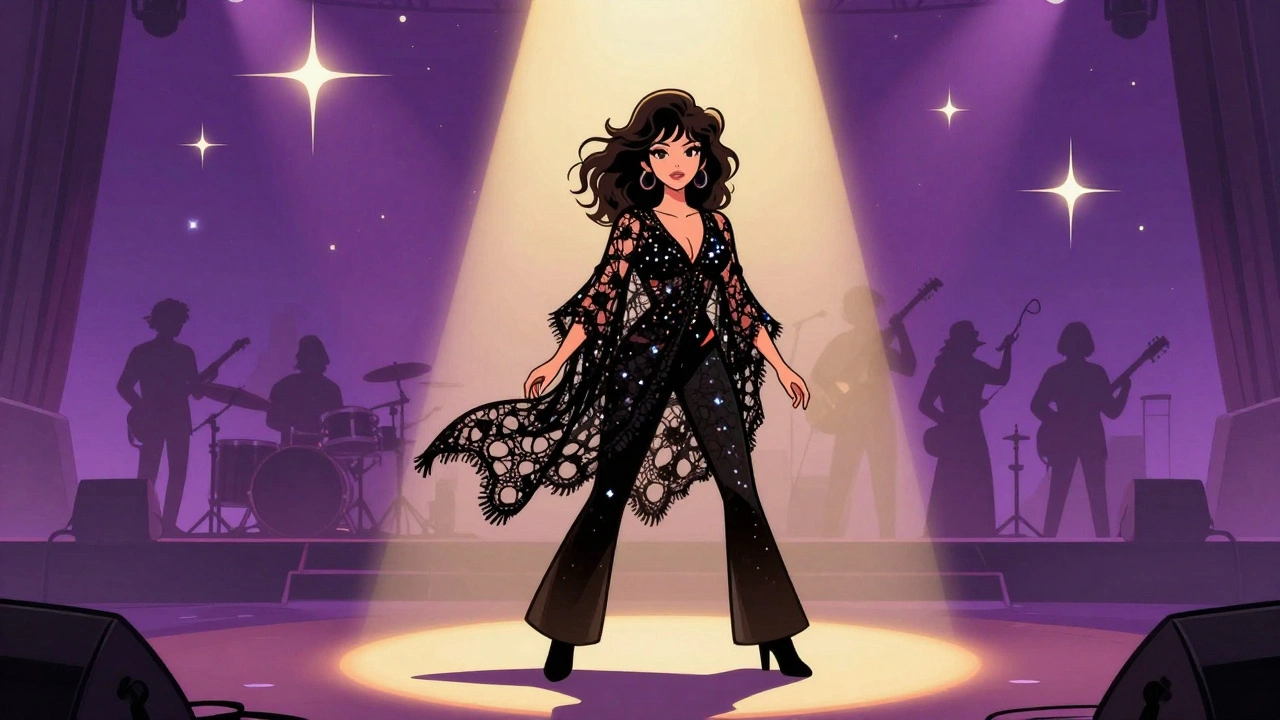

To understand the impact of "Stand Back," we have to look at where Nicks was in 1983. She was already riding a wave of solo success, but this track brought something different to the table: a heavy, synth-driven energy that felt like the future. Released in May 1983 as the lead single from The Wild Heart, the song shot up the charts, hitting number five on the Billboard Hot 100. It showed that Nicks could pivot from folk-rock mysticism to a polished, 80s dance-rock sound without losing her soul.
The Secret Ingredient: A Midnight Visit from Prince
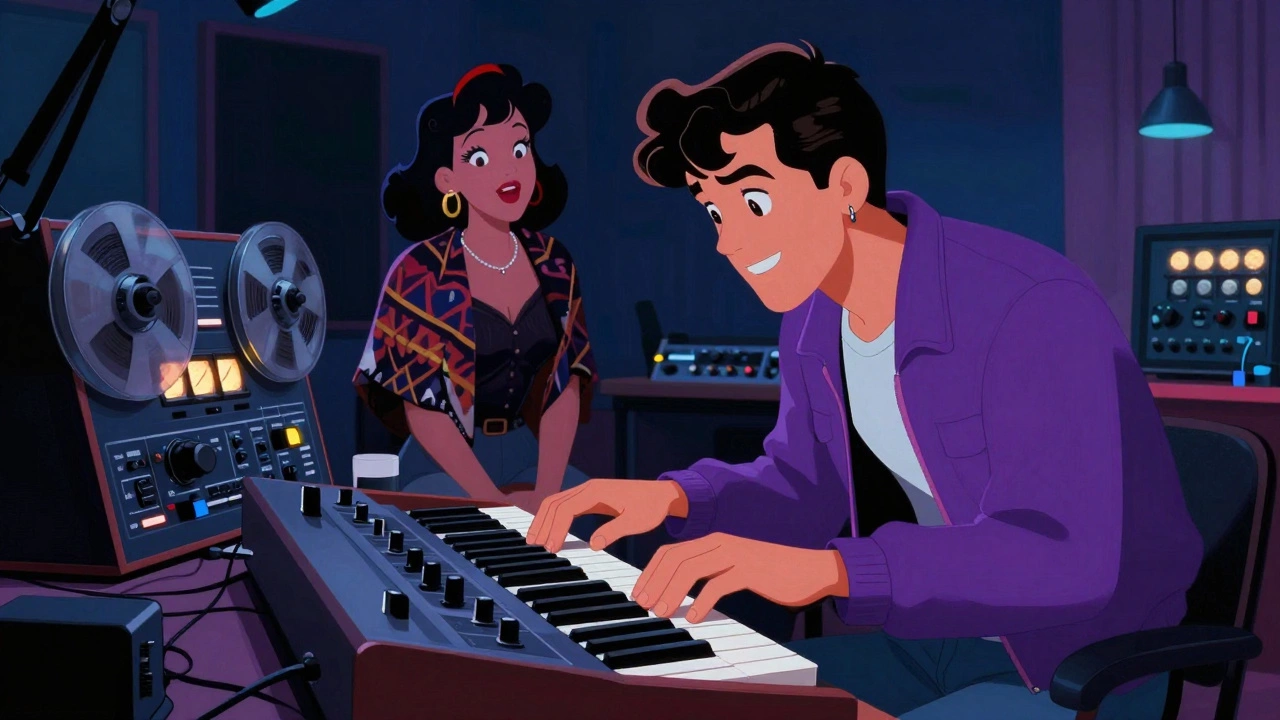
Every great song has a "what if" or a "how did that happen" story. For "Stand Back," that story involves Prince. On the night of February 8, 1983, the Minneapolis maestro wandered into the studio and played synthesizers on the track. Here is the wild part: he wasn't credited on the album. For years, this contribution was a whispered secret among music historians and die-hard fans, a hidden gem tucked away in the production of a platinum record.
This collaboration is a perfect example of how Nicks operated in the 80s. She didn't just record songs; she curated experiences. By bringing in a visionary like Prince, she added a layer of sonic sophistication that pushed the track beyond the typical rock boundaries of the era. Have you ever noticed how that specific synth line drives the song? That's the Prince influence, providing a funky, driving pulse that complemented Nicks' raspy, emotive vocals.
Breaking Away: The Solo Blueprint
While "Stand Back" was a peak, the climb started earlier. In 1981, Nicks released Bella Donna. This wasn't just a side project; it was a commercial juggernaut. The album debuted at number 12 on the Billboard 200 and eventually climbed to number one. It sold over five million copies in the US alone, proving that the public's appetite for Nicks existed independently of the Mac machinery.
The brilliance of Bella Donna lay in its balance. It felt familiar-sharing some DNA with the soft-rock polish of Fleetwood Mac-but it was unmistakably Stevie. It gave us the legendary "Edge of Seventeen" and saw her collaborating with other heavy hitters. She teamed up with Don Henley for "Leather and Lace" and Tom Petty & The Heartbreakers for "Stop Draggin' My Heart Around." These weren't just cameos; they were strategic partnerships that cemented her status as a peer to the biggest male stars of the decade.
| Album | Release Year | Key Achievement | Vibe/Style |
|---|---|---|---|
| Bella Donna | 1981 | Reached #1 on Billboard 200 | Rock/Pop with Folk roots |
| The Wild Heart | 1983 | Featured "Stand Back" | More experimental, synth-heavy |
| Rock A Little | 1985 | Platinum certified | Polished 80s Pop-Rock |
| The Other Side of the Mirror | 1989 | Platinum certified | Mature, atmospheric rock |
Sustaining the Momentum
Many artists have one lucky album and then fade away. Nicks did the opposite. She built a triumvirate of platinum records throughout the decade. After The Wild Heart, she released Rock A Little in 1985 and The Other Side of the Mirror in 1989. Critics at the time noted something interesting: her solo work often felt more inspired and vibrant than what Fleetwood Mac was producing in the mid-80s post-Tusk era. While the band was navigating its own internal complexities, Nicks was refining her individual brand.
Her ability to command a stage as a solo artist was put on full display at the 1983 US Festival. This is where "Stand Back" first met the public, performed live before the album even hit the shelves. It was a trial by fire, and she nailed it. This confidence allowed her to maintain a touring schedule that has lasted nearly 40 years, with "Stand Back" remaining a permanent fixture in her setlists because it always gets the crowd moving.
A Legacy Written in Gold
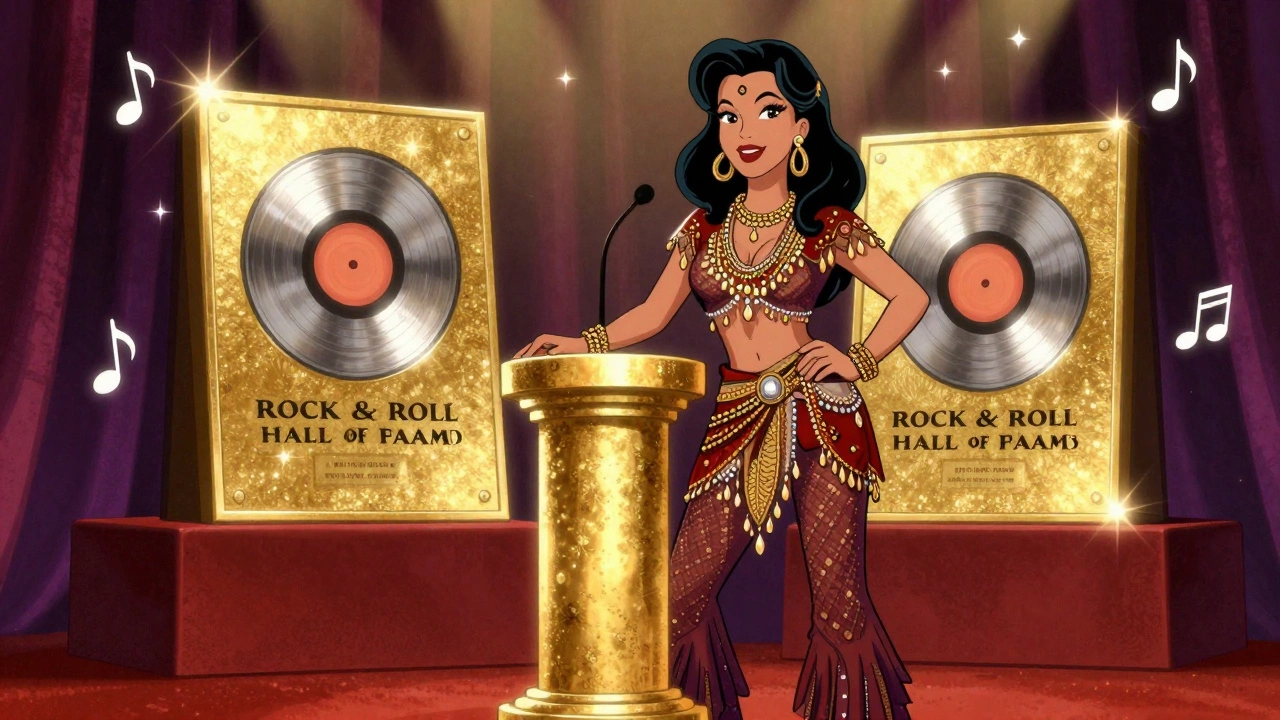
The long-term impact of this era became official in 2019. Stevie Nicks did something no other woman had ever done: she became the first female artist inducted into the Rock and Roll Hall of Fame twice. The first time was in 1998 with Fleetwood Mac, but the second induction was purely for her solo achievements. This was a massive nod to the fact that her 80s run wasn't just a "spin-off" of a band-it was a foundational contribution to rock history.
Even decades later, the music refuses to age. In 2007, a remixed version of "Stand Back" hit number one on the Hot Dance Single Sales chart, proving that the song's groove is timeless. From the early collaborations with Tom Petty to more modern pairings with Lana Del Rey, Nicks has always known how to blend her unique vocal texture with the right partners to keep her sound fresh.
Did Prince actually play on "Stand Back"?
Yes, Prince played synthesizers on the track during a late-night studio session on February 8, 1983. However, his contribution was uncredited on the original album release, making it a famous "secret" among music fans.
Which solo album was Stevie Nicks' most successful?
Bella Donna, released in 1981, was her most immediate commercial juggernaut. It reached number one on the Billboard 200 and sold over five million copies in the US, producing four Top 40 hits.
Why is Stevie Nicks' 2019 Hall of Fame induction special?
She became the first female artist to be inducted into the Rock and Roll Hall of Fame twice-once as a member of Fleetwood Mac and once as a solo artist-recognizing her individual impact on music.
What other artists did Stevie Nicks collaborate with in the 80s?
She worked closely with Don Henley on "Leather and Lace" and Tom Petty & The Heartbreakers on "Stop Draggin' My Heart Around," both of which appeared on her debut solo album, Bella Donna.
Was "Stand Back" ever played by Fleetwood Mac?
Yes, when the band reunited for their 1987 tour, "Stand Back" was added to the setlists and can be seen on the live concert video Tango in the Night.


