

The Matchmaker Role: How Labels Bridge the Gap
When a label signs a new artist, they aren't just buying a voice; they are buying a potential. But that potential is often dormant without the right guidance. Labels typically look at a few key factors when pairing an artist with a producer. First, they analyze the "sonic gap"-the distance between where the artist is now and where the current market is heading. If a pop singer sounds too folk-inspired for Top 40 radio, the label will bring in a producer known for "modernizing" sounds without stripping away the artist's identity.
This matching process is rarely a formal checklist. Instead, it's a game of social capital. A label executive might call a producer they've worked with for ten years and say, "I have this kid from Ohio who sounds like 1970s Stevie Wonder, but we need it to feel like 2026." The label relies on the producer's taste and instinct to determine if the chemistry will work. If the producer likes the demo, the label facilitates the introduction, often paying a premium for that producer's "ear' to ensure the project doesn't flop.
The Producer as the Industry Connector
It isn't always the label leading the charge. Often, the Music Producer is the one doing the heavy lifting. In the modern era, a producer is more than just a guy at a mixing desk; they are a strategic partner. Producers often act as the primary filter for labels. They spend hours in the trenches with artists, understanding their psychological quirks, their range, and their weaknesses. When a producer tells a label head, "This artist is ready," that recommendation carries more weight than a thousand polished demos.
Producers leverage their own networks to bring in the missing pieces of the puzzle. Need a bridge that feels more emotional? The producer calls a specific songwriter. Need a beat that hits harder in a club? They bring in a specialist mixing engineer. By managing these micro-relationships, the producer creates a safe ecosystem where the artist can focus entirely on the creative process while the producer handles the logistics of sonic excellence.
The Psychology of the Studio Pairing
The relationship between an artist and a producer is a delicate balance of power and trust. As experienced producer Peter Jones has noted, this partnership is far too important to be left to chance. If the producer is too dominant, the artist becomes a puppet and loses their authenticity. If the producer is too passive, the album becomes a meandering mess with no cohesive vision.
A successful match usually falls into one of three dynamics:
- The Mentor: The producer shapes the artist's identity from the ground up, teaching them how to phrase lyrics and handle the pressure of the booth.
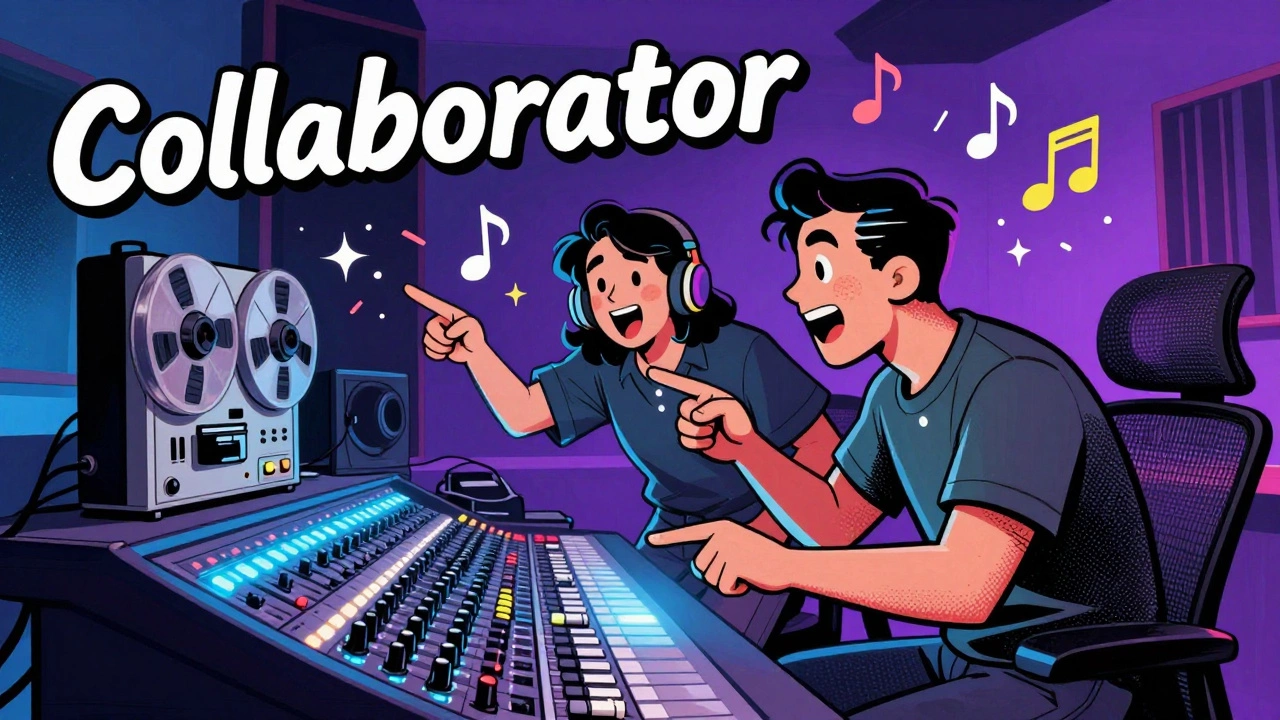
- The Collaborator: An equal partnership where the artist and producer feed off each other's ideas in real-time, often resulting in experimental sounds.
- The Architect: The artist brings a fully realized vision, and the producer simply provides the technical framework to make it sound professional and expensive.
Branding Through Sound
We often talk about a "brand" in terms of logos and Instagram aesthetics, but in music, the brand is the sound. When a label matches an artist with a specific producer, they are effectively choosing the artist's sonic logo. Think about how certain producers have a "signature"-a specific way of layering synths or treating vocals that makes a song instantly recognizable. When an artist aligns with a producer of this caliber, they inherit a portion of that producer's credibility.
| Element | Without Strategic Matching | With Label-Curated Matching |
|---|---|---|
| Sonic Identity | Generic or inconsistent across tracks | Cohesive "signature sound" |
| Market Reach | Limited to existing fan base | Access to producer's existing following |
| Professionalism | Unpolished, raw, or amateurish | Industry-standard mixing and mastering |
| Career Path | Trial and error approach | Strategic trajectory toward hits |
Managing the Business Side of Creativity
One of the most overlooked parts of this relationship is the contractual buffer. Artists are often terrified of the business side-the percentages, the advances, and the recoupables. A trusted producer often steps in as a mediator. They speak the language of both the creative (the artist) and the corporate (the label). By negotiating terms and ensuring clear communication, the producer prevents the artist from feeling exploited, which in turn keeps the creative energy high.
This role involves managing everything from session fees to royalty splits. When the label trusts the producer to handle these details, it streamlines the entire production cycle. The label gets the records they need on time, the producer gets their points, and the artist gets to stay in the "flow state" without worrying about the legal fine print until the record is actually finished.

Common Pitfalls in Artist-Producer Matching
Not every match is a success. Sometimes labels force a pairing based on data rather than chemistry. For example, a label might pair a rising indie artist with a "hit-maker" producer simply because that producer has three Platinum records in a row. The result? A record that sounds like a hit but feels soulless because the artist's essence was erased in favor of a formula.
Another common failure occurs when there is a clash of egos. If both the artist and the producer believe they are the primary "visionary" of the project, the studio becomes a battlefield. The most successful label pairings are those where the producer knows when to push the artist to their limit and when to step back and let the artist's intuition take over. The label's job is to recognize these personality traits before the first session even starts.
Does the record label always choose the producer?
Not always, but they usually have a strong say. In a traditional deal, the label often controls the budget, meaning they have a veto over who gets paid. However, established artists often have "producer approval" written into their contracts, allowing them to bring in their own collaborators.
What is the difference between a producer and a beatmaker?
A beatmaker creates the instrumental track. A producer manages the entire recording process, including vocal arrangement, song structure, choosing the right microphones, and guiding the artist's performance to ensure the song works as a complete piece of art.
How do labels find new producers for their artists?
Labels rely heavily on industry networks, A&R scouts, and "ghost producers." They often look at who is producing the underground hits or who is emerging as a trendsetter in a specific region before bringing them into the major label system.
Can an artist change producers mid-album?
Yes, but it's risky. Changing producers mid-stream can lead to a "sonic disconnect" where the first half of the album sounds completely different from the second. Labels usually try to avoid this unless the chemistry has completely collapsed.
How does this process work for independent artists?
Independent artists have to do the "label work" themselves. They must research producers, vet their portfolios, and negotiate their own splits. This often leads to more authentic sounds but lacks the strategic market-testing that major labels provide.
What to Do Next
If you're an emerging artist, don't just look for a producer who has a "cool sound." Look for someone who understands your goals and challenges your creativity. Start by sending a few choice demos-not a whole album-to see if there's an immediate spark. If you're a producer, focus on building a network of trusted A&R representatives; being the "go-to" person for a label executive is the fastest way to consistently work with top-tier talent.


