Author: Andy Lancaster
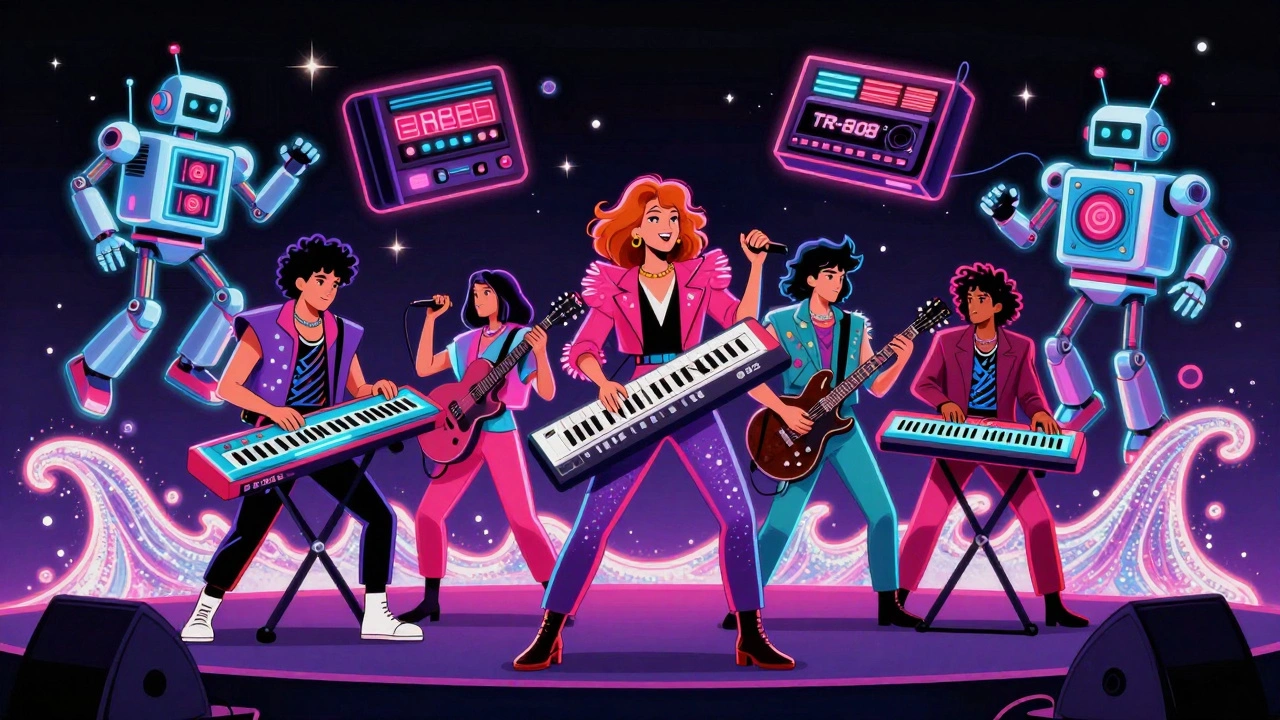

How 1980s Genre Blending Laid the Groundwork for 1990s Alternative and Pop Music
The 1980s invented the tools for genre-blending - synths, sampling, drum machines - and the 1990s used them to create raw, emotional music. From grunge to pop, the decade didn’t reject the 80s - it reinvented it.
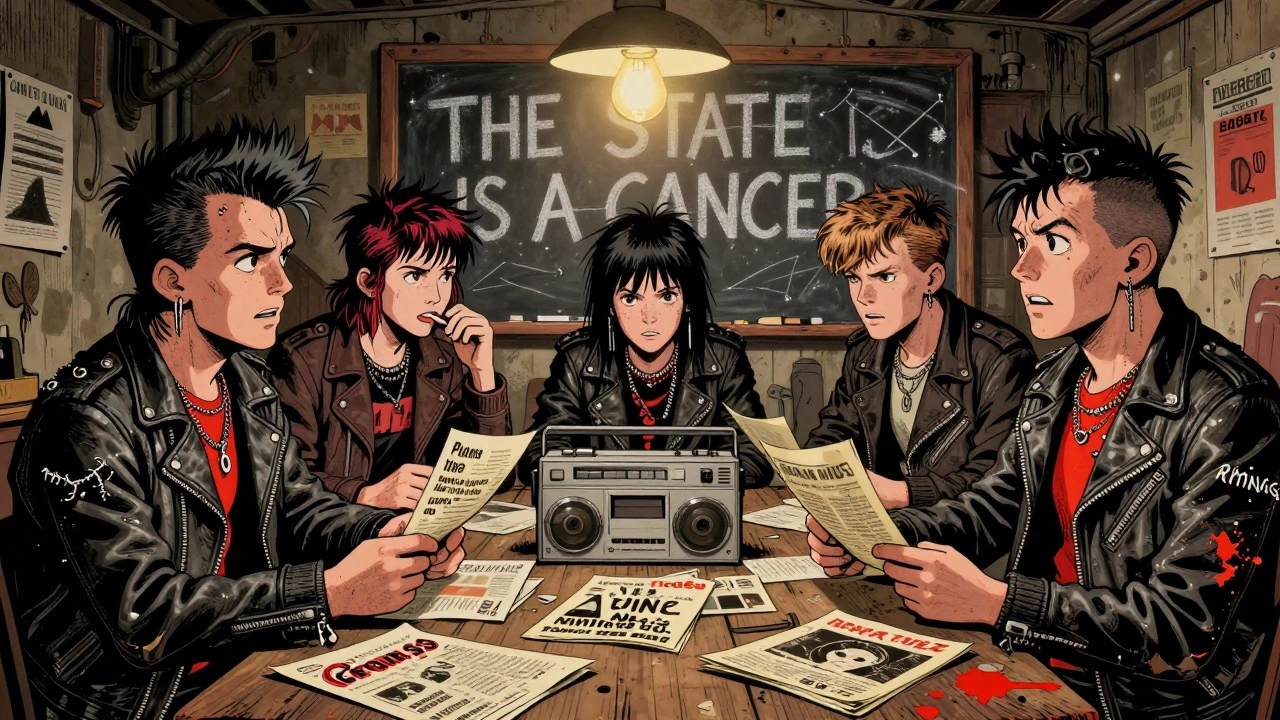
International 1980s Punk: UK '82, Japan, and Beyond
In 1982, punk exploded in three directions: UK anarcho-punk fought Thatcher’s Britain, Japanese teens built a silent revolution in basements, and American hardcore turned rage into a movement. No labels. No fame. Just raw, real music.
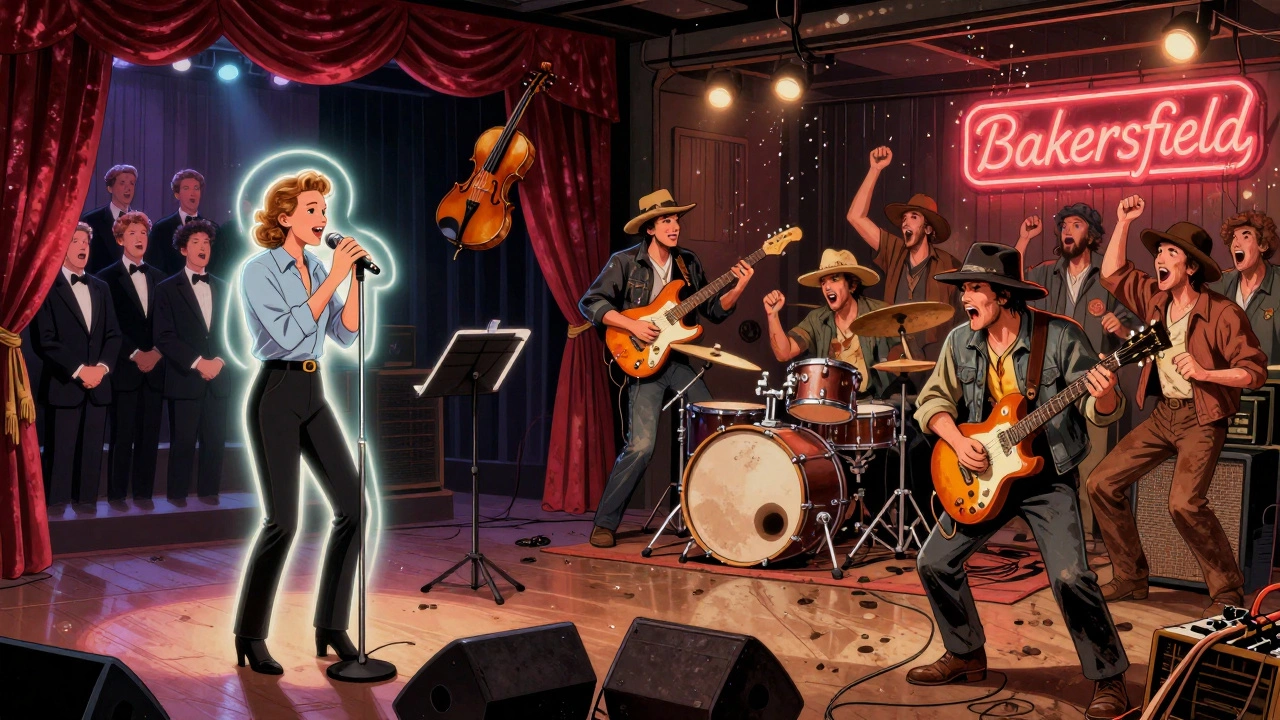
Bakersfield vs. Nashville: The Raw Truth Behind Country Music's Two Soul
Bakersfield and Nashville shaped country music in opposite ways - one polished and smooth, the other raw and loud. This is the story of how two cities, two sounds, and two attitudes changed country music forever.
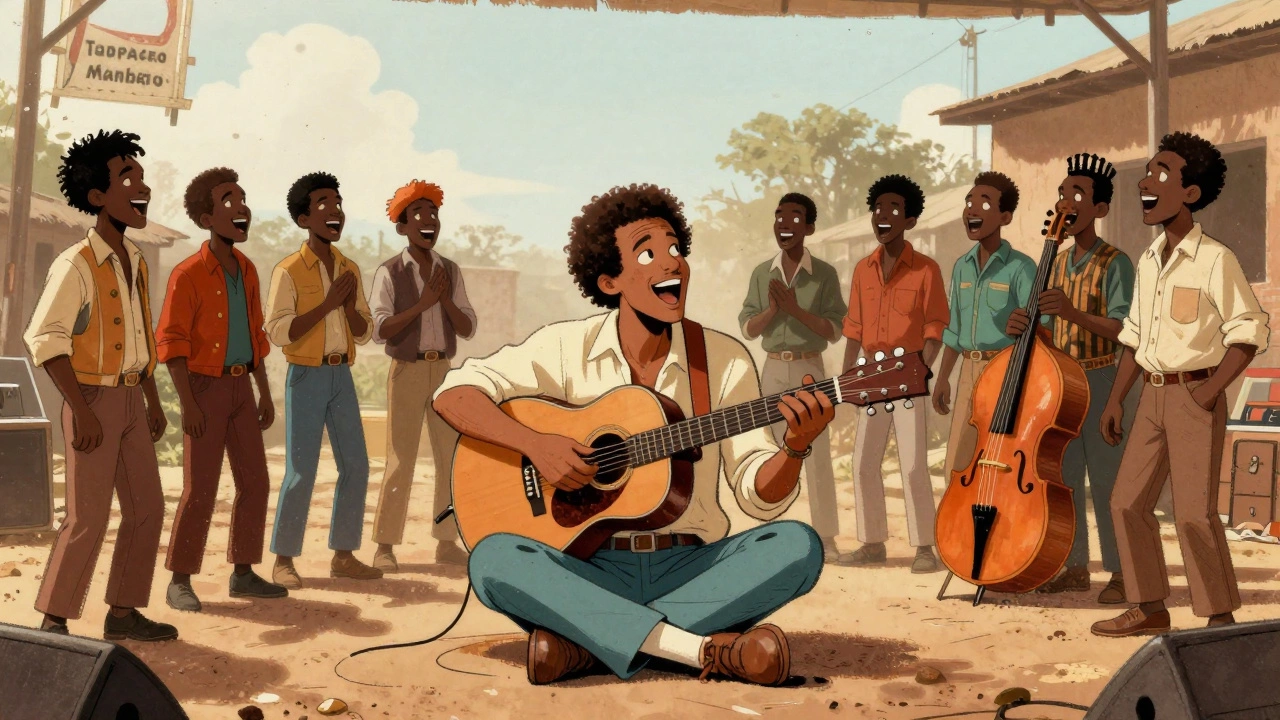
Cross-Continent Collaborations in the 1980s: Rock Meets Africa
In the 1980s, rock stars like Paul Simon and Peter Gabriel teamed up with African musicians, creating groundbreaking music that reshaped global sound. From South Africa to Senegal, these collaborations broke barriers and left a lasting legacy.
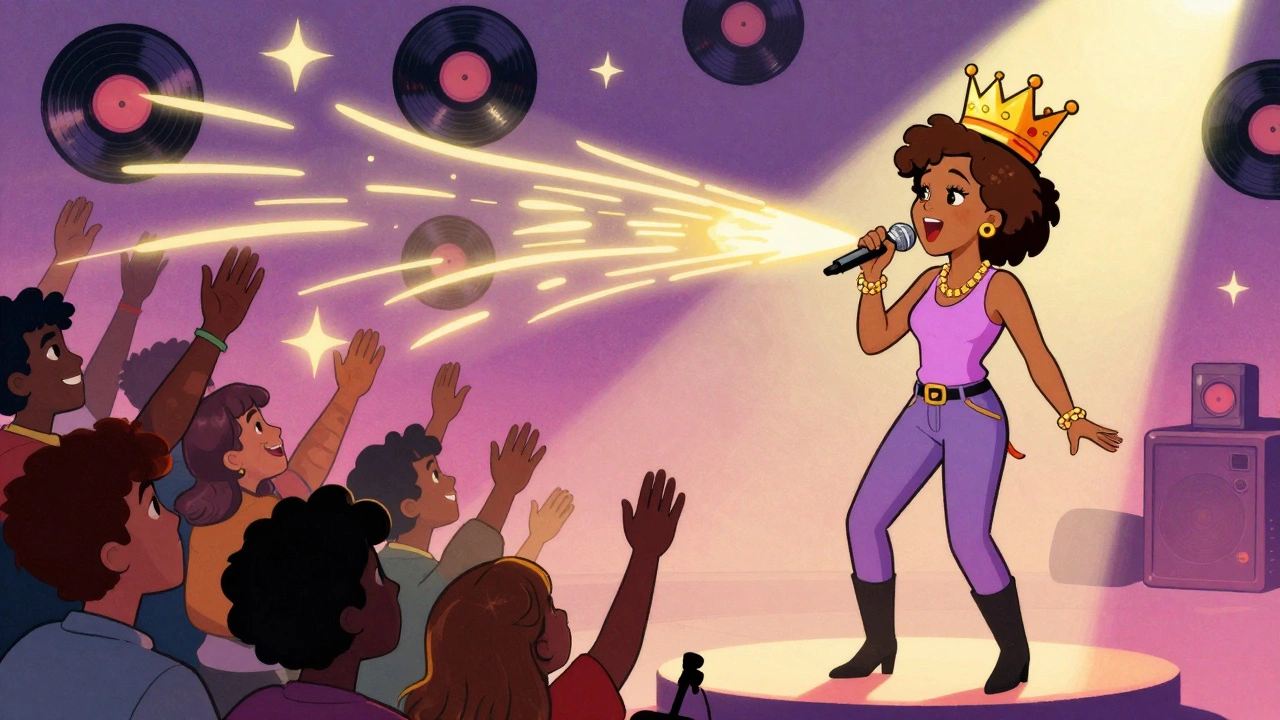
How 1980s Women Artists Shaped Today’s Pop and R&B
1980s women artists like Whitney Houston, Janet Jackson, and Sade redefined pop and R&B with powerful vocals, creative control, and bold messages. Their influence still shapes today's music.
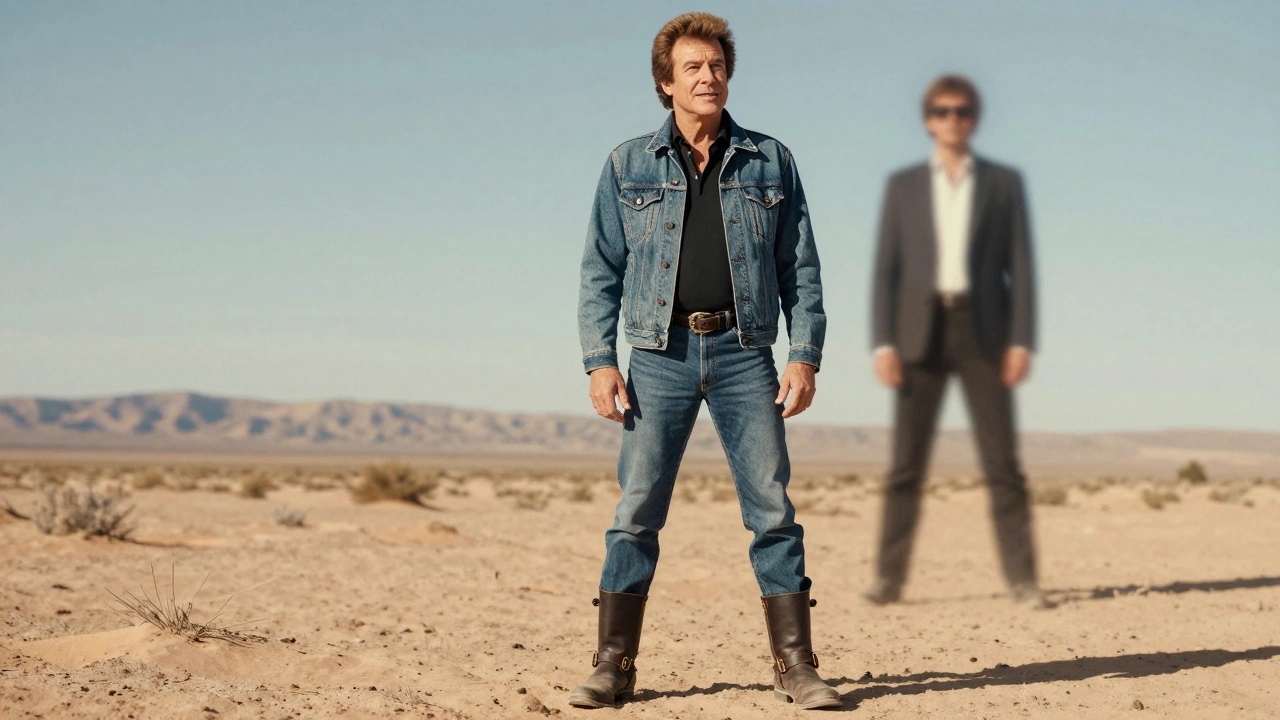
Soft Rock Fashion Myths: What Really Defined the 1970s Music Style
The article debunks myths about soft rock fashion, explaining that blazers and open collars weren't part of the 1970s style. Instead, authentic soft rock fashion featured denim, cowboy boots, and flowy shirts. Learn what really defined the era's music style and why common misconceptions persist.
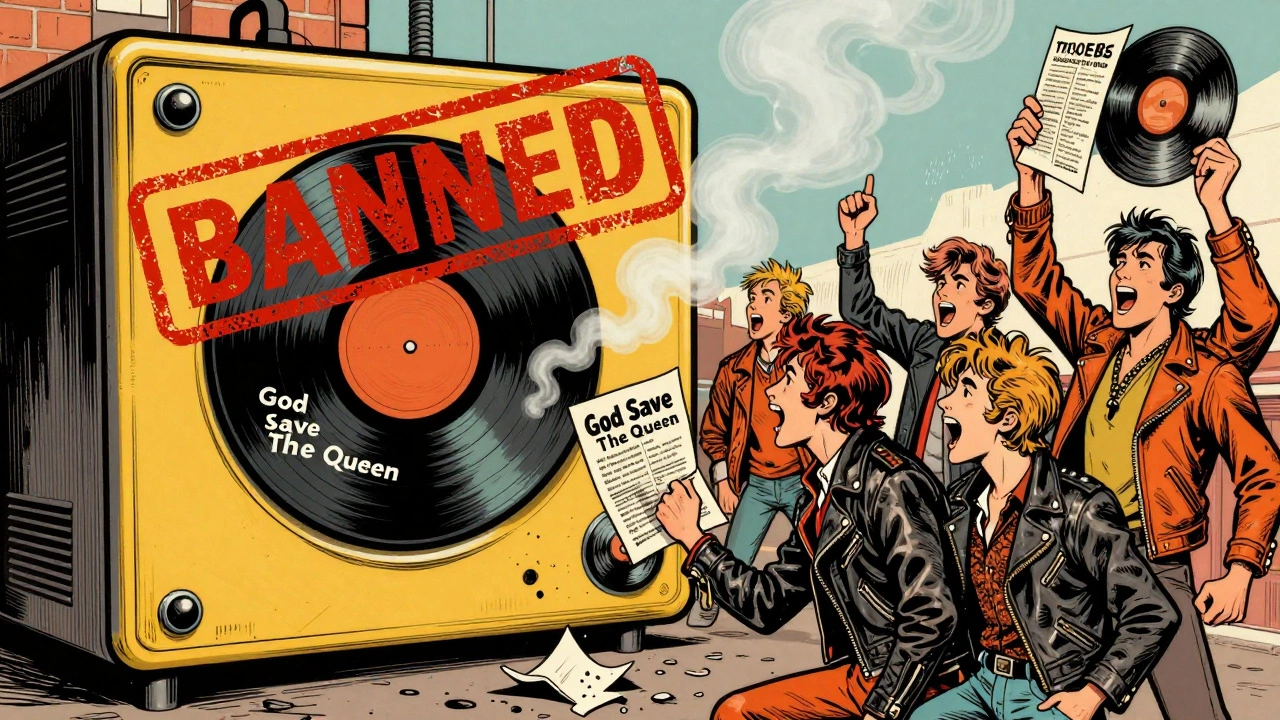
Controversy and Criticism: Heated Debates About 1970s Music
The 1970s were defined by music that pushed boundaries - songs banned for being too sexual, too political, or too raw. From "God Save The Queen" to "Love to Love You, Baby," controversy didn't kill these tracks - it made them legends.
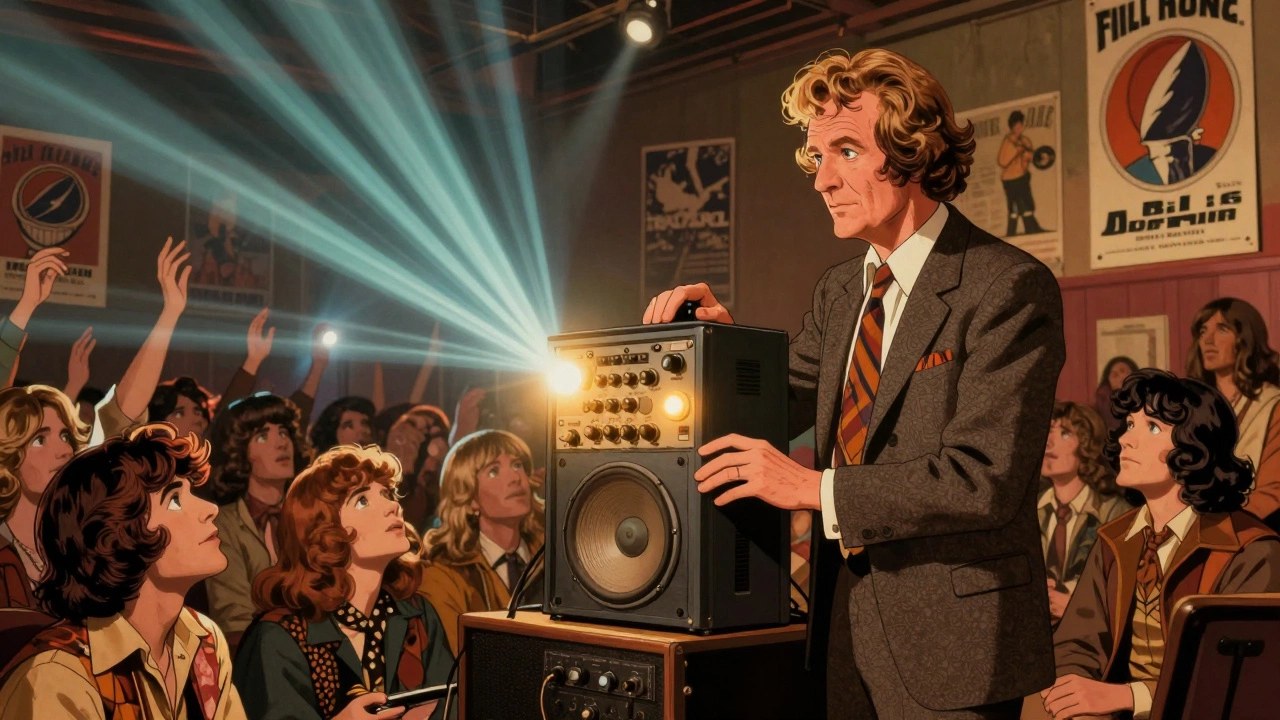
Bill Graham and the Business of Live Music in the 1970s
Bill Graham transformed live music in the 1970s by turning concerts into professional, immersive experiences. He built the Fillmore venues, introduced opening acts, and set new standards for sound, lighting, and artist pay-shaping the industry forever.
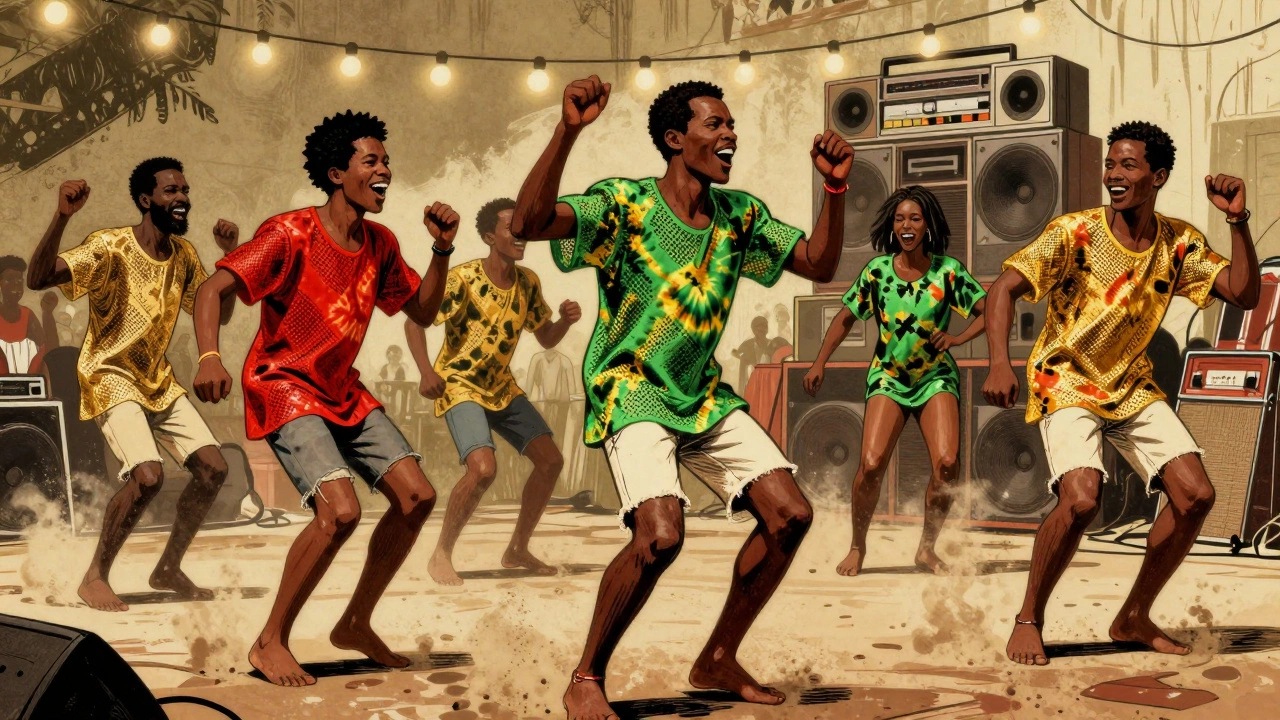
Reggae Fashion and Culture: How Jamaica’s Style Took Over the World
Reggae fashion began in Jamaica as a spiritual and political statement, using red, green, and gold to symbolize resistance and African identity. From Trenchtown dancehalls to global runways, it’s evolved into a powerful cultural force - but only when worn with respect.
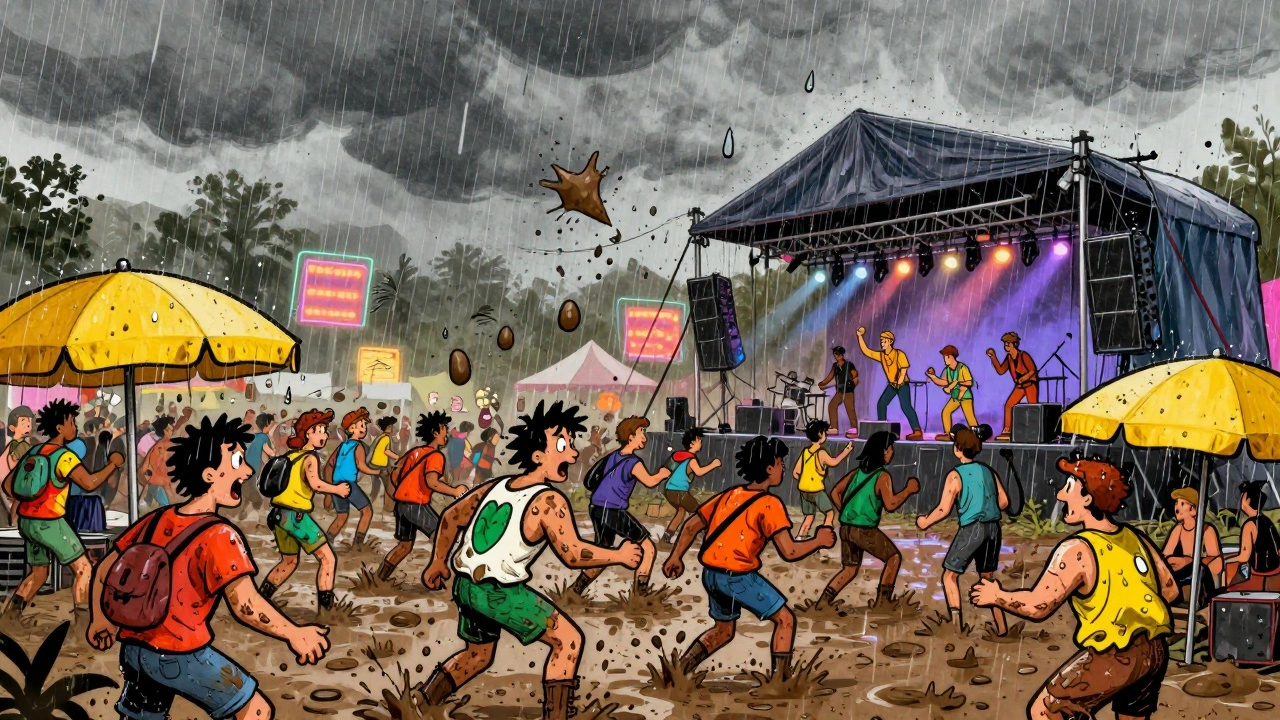
Festival Weather Contingency: How to Plan for Rain and Heat Without Panic
Learn how to plan for rain and extreme heat at outdoor festivals with proven weather contingency strategies. From drainage to emergency protocols, this guide shows you how to protect attendees, staff, and your bottom line.
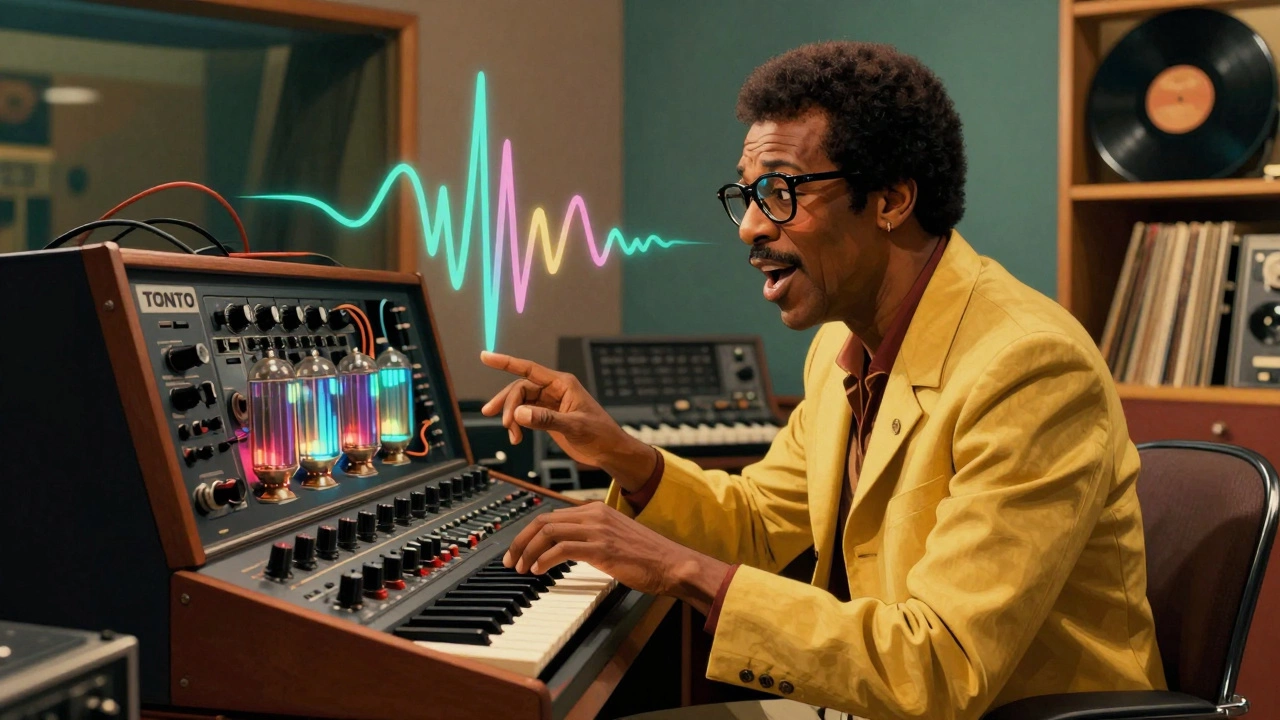
Synthesizers and Electronic Funk: How 1970s Black Musicians Rewrote Sound with Analog Tech
In the 1970s, Black musicians like Stevie Wonder and Bernie Worrell transformed funk music by turning synthesizers into tools of expression, resistance, and innovation. Their analog sounds shaped the groove of a generation-and still echo in today’s music.
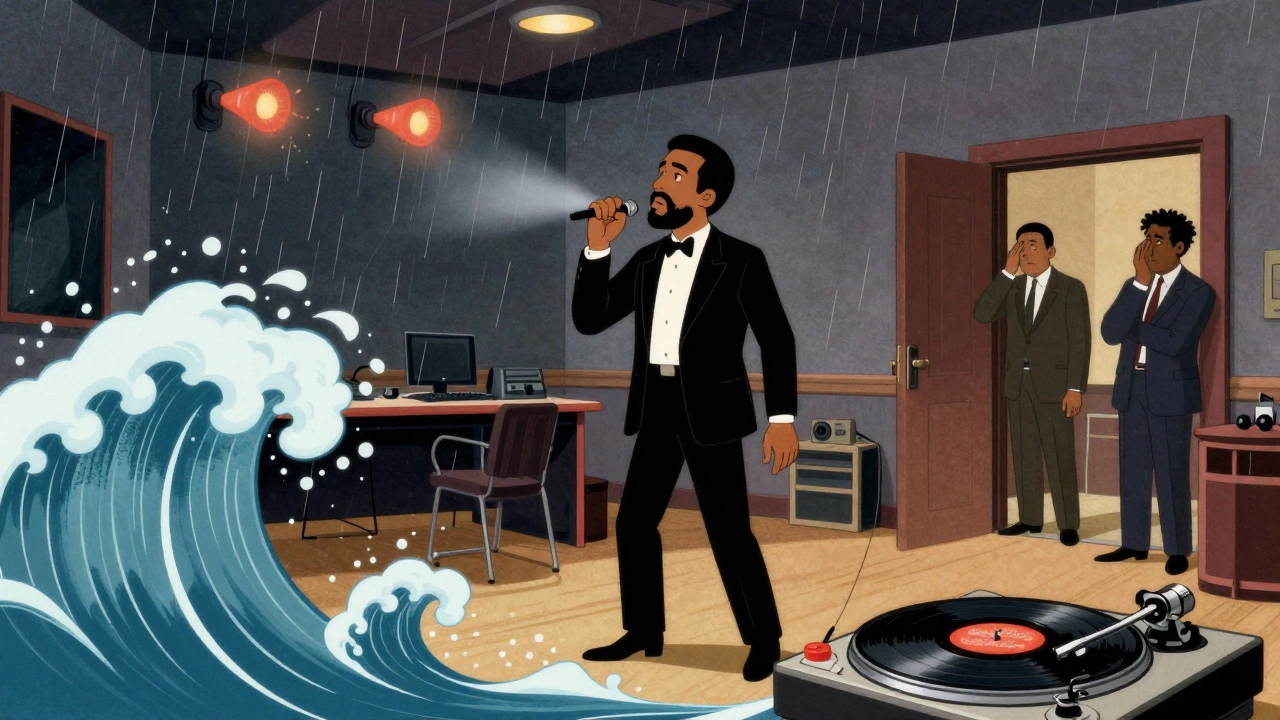
Political Lyrics Analysis: How 1970s Artists Addressed Social Issues
In the 1970s, artists like Marvin Gaye, Helen Reddy, and Bob Marley turned music into a powerful tool for social change. Their lyrics confronted racism, gender inequality, and war-not with slogans, but with soulful, personal stories that still resonate today.