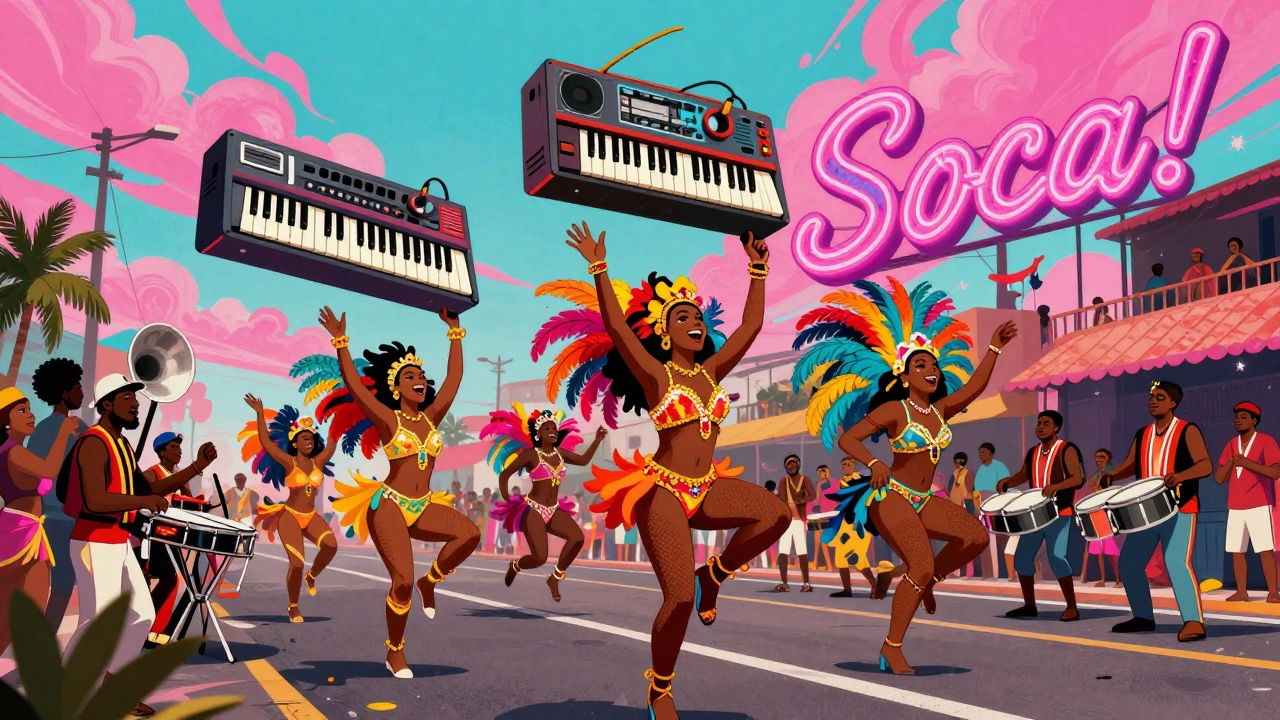

By 1985, the streets of Port of Spain didn’t just pulse with drums and steelpan-they roared with a new kind of energy. It wasn’t the slow, storytelling calypso of the 1950s. It wasn’t the reggae creeping in from Jamaica. It was something faster, brighter, and harder to ignore: Soca. And by the end of the decade, it had rewritten the rules of Caribbean music-not just in Trinidad, but across London, New York, Tokyo, and beyond.
Where Did Soca Really Come From?
很多人以为Soca是Calypso的简单升级版,但事实远不止如此。1974年,特立尼达音乐人Garfield Blackman,也就是Ras Shorty I,发布了《Endless Vibrations》。这首歌不是为了取代Calypso,而是为了拯救它。当时,年轻一代被Jamaican Reggae和美国灵魂乐吸引,Calypso在街头和电台逐渐失势。Shorty的解法不是模仿,而是融合:他把Calypso的歌词传统、加勒比节奏,和Funk的低音线、灵魂乐的鼓点混在一起,创造了一种全新的声音。这声音更响、更快、更让人忍不住跳舞。 学术研究者Stefan Walcott称这是“Soca最不安分的时期”。没人知道它最终会长成什么样。但短短几年,它从实验品变成了现象。1982年,Arrow的《Hot, Hot, Hot》成了转折点。制作人Leston Paul用电子键盘、合成器贝斯和鼓机,打造出一种“引擎室”般的节奏-每分钟120拍,比传统Calypso快了近50%。这不是改良,是革命。The Sound That Changed Everything
传统Calypso靠的是钢鼓、手鼓和木吉他,声音温暖但有限。Soca不一样。它用上了当时最先进的录音技术。KH Studios在1970年代就开始用多轨录音捕捉复杂节奏,到了1980年代,这些技术在纽约和伦敦的录音棚里被放大。鼓机不再是辅助,而是核心。合成器不再只是点缀,它定义了旋律。低音线像心跳一样稳定,每一下都推着你往前。 这种声音设计不是偶然。它是为了Carnival的街道。在1977年,Road March(狂欢节游行中最受欢迎的歌曲)冠军还属于Calypso。到1983年,冠军全是Soca。1988年,Tambu的《This Party Is It》成为第一首明确以Soca身份赢得Road March的歌曲。这意味着什么?Soca不再只是“Calypso的弟弟”,它成了Carnival的主人。 更惊人的是,它甚至反向渗透了Calypso。1986年,David Rudder的《De Hammer》赢得了Calypso Monarch比赛--这是传统Calypso的最高荣誉。但你听这首歌,它的节奏是Soca,它的能量是Soca,它的鼓点是Soca。Calypso的歌词还在,但它的身体已经换了血。Walcott说:“到80年代末,Soca已经被Calypso吸收了。”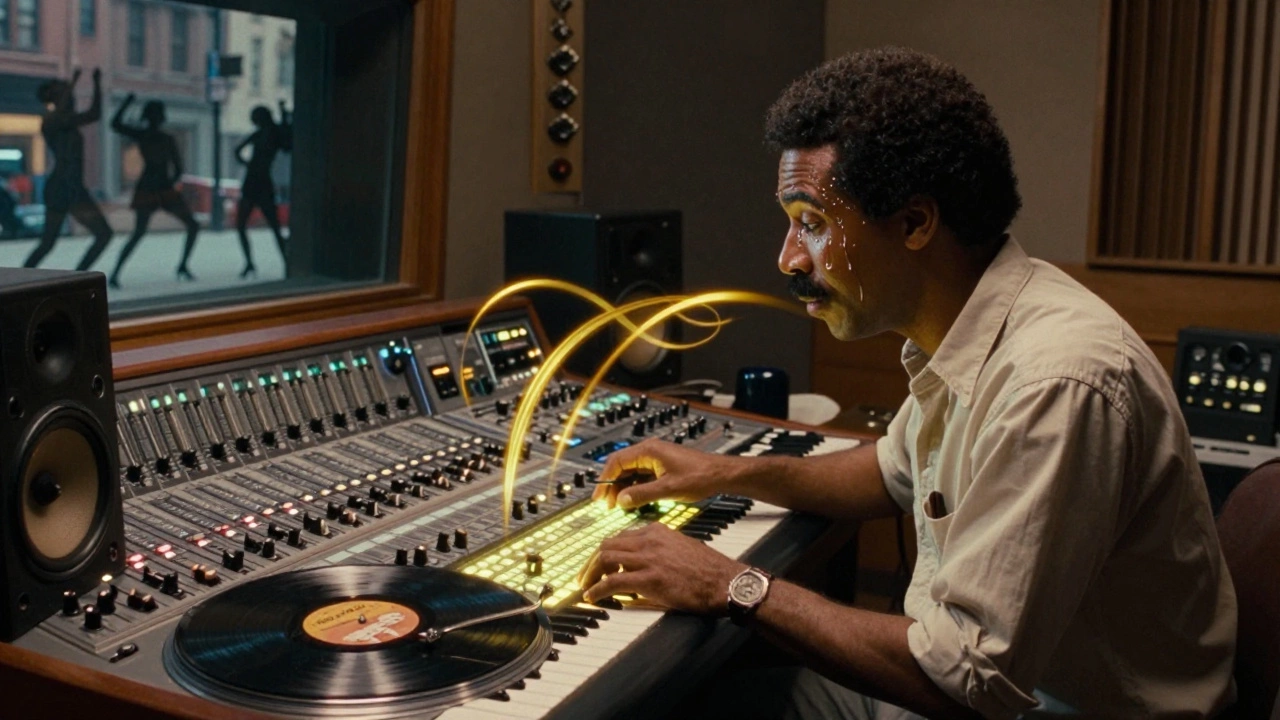
From Trinidad to Tokyo
Soca没止步于加勒比。1980年代,大批特立尼达音乐人移民到纽约布鲁克林。Mighty Sparrow、Calypso Rose、Lord Kitchener--这些名字不再只出现在Port of Spain的录音棚,它们出现在Brooklyn的唱片公司标签上。这些唱片被运到伦敦、多伦多、甚至东京。 伦敦的Notting Hill Carnival在1980年只有1.5万人参加。到1990年,人数突破百万。而到1985年,现场播放的音乐里,90%都是Soca。Calypso?几乎听不见了。日本市场虽然没有公开销售数据,但当时的报道和唱片进口记录显示,Soca专辑在东京的唱片店卖得比很多欧美流行专辑还快。年轻人不知道歌词讲的是什么,但他们知道:这音乐让你停不下来。 这种全球扩散不是靠广告,而是靠人。移民带去了音乐,社区聚会在后院放Soca,孩子们在街上跟着节奏跳。它不需要翻译。节奏本身就是语言。Who Really Made It?
很多人以为英国裔音乐人Eddy Grant是Soca之父,因为他1975年的《Black Skin Blue Eye Boys》听起来有点像。但特立尼达人不买账。Walcott说:“他们气疯了:‘这个非特立尼达人凭什么说这是我们的东西?’” 事实是,Grant的歌确实有影响,但大多数制作人说,他们真正受启发的是Shorty的《Endless Vibrations》。 真正的推手是那几个制作人:Leston Paul、Pelham Goddard和Frankie McIntosh。Paul打造了《Hot, Hot, Hot》的模板;Goddard让《De Hammer》和《This Party Is It》同时统治了Calypso比赛和Carnival游行;McIntosh则在幕后打磨了无数经典。他们不是明星,但他们的录音室决定了Soca的未来。 就连Lord Kitchener,这位Calypso传奇,在1978年还发誓不碰Soca。可当他录下《Sugar Bum Bum》后,他再也回不去了。那首歌是Calypso,但它用的是Soca的节奏。他赢了,但他也变了。
Why It Lasted
Soca在1980年代能成功,不是因为它“更现代”,而是因为它更实用。它适应了两个世界:Carnival的街头和录音室的精密制作。它让老一辈的Calypso歌手能继续比赛,也让年轻人在派对上尖叫。它不排斥任何文化--它吸收了印度节奏、非洲高力、灵魂乐、Funk、甚至后来的舞厅(Dancehall)。 它也改变了音乐制作的方式。以前,音乐靠口传心授。现在,它靠录音带、磁带、和CD。年轻歌手不用等十年才能出名,他们可以在自家地下室录歌,然后在Carnival tent里试音。Young Brigade这样的音乐团体,成了新人才的孵化器。 到1989年,特立尼达和多巴哥靠Soca出口赚了230万美元(相当于2025年的570万美元)。这不是小钱。这是文化输出的胜利。The Legacy That Still Beats Today
今天,当你听到Kingsley Rogers或Darryl Stegman的新歌,你听到的还是1980年代的影子。他们不模仿,他们继承。那个年代的鼓点、那个年代的合成器音色、那个年代的节奏密度,依然是Soca的DNA。 它甚至影响了其他地区。1988年,多米尼加的Windward Caribbean Kulture把Soca和本地的Jing Ping节奏融合,创造了Bouyon音乐。它不是Soca的翻版,是它的孩子。 Soca在1980年代没有“征服”世界。它被世界接纳了。因为它不强迫你听它。它只是让你动起来。而一旦你动了,你就再也停不下来了。Was Soca invented to replace Calypso?
No. Soca wasn’t created to kill Calypso-it was made to save it. In the 1970s, younger Trinidadians were turning away from traditional Calypso because it felt outdated. Ras Shorty I fused Calypso with soul, funk, and East Indian rhythms to make music that felt fresh and danceable. The goal wasn’t to erase Calypso, but to give it new life. By the late 1980s, Soca had become so dominant that Calypso artists began adopting its rhythms, creating a hybrid sound that still exists today.
Why did Soca become popular outside Trinidad?
Soca spread because of migration and Carnival culture. Thousands of Trinidadians moved to New York, London, and Toronto in the 1980s, bringing their music with them. In cities like London, the Notting Hill Carnival grew from 15,000 people in 1980 to over a million by 1990-and Soca became its soundtrack. The music’s fast tempo, driving beat, and simple lyrics made it easy to dance to, even if you didn’t speak Creole. Record labels in Brooklyn started releasing Soca albums, and they sold in Japan, France, and Canada. It wasn’t marketing-it was movement.
Did Eddy Grant really invent Soca?
No. Eddy Grant’s 1975 song "Black Skin Blue Eye Boys" had a similar sound, and he claimed to be the "father of Soca." But Trinidadians strongly rejected this. Music scholars like Stefan Walcott point to Ras Shorty I’s 1974 song "Endless Vibrations" as the true starting point. Most producers cite Shorty as their inspiration, not Grant. While Grant’s music influenced the genre, Soca’s core rhythm, structure, and cultural roots are deeply Trinidadian. Grant’s claim was controversial, but not accepted by the community that created the sound.
How did recording technology help Soca grow?
Before the 1980s, Calypso was recorded with simple setups-acoustic instruments, live drums, minimal mixing. Soca needed more. The rise of drum machines, synthesizers, and multi-track studios allowed producers like Leston Paul to build layered, punchy tracks with precise beats. The "engine room" rhythm-fast kick, syncopated snare, synth bass-could only be created with modern gear. Studios in Brooklyn and London became Soca factories, turning local street sounds into international hits. Without this tech, Soca wouldn’t have had the clarity or energy to go global.
Why did Calypso Monarch winners start singing Soca?
Because the audience changed. By the mid-1980s, Carnival crowds didn’t want slow storytelling-they wanted movement. David Rudder’s 1986 Calypso Monarch-winning song "De Hammer" was lyrically a Calypso, but musically, it was pure Soca. Judges noticed: people danced harder to Soca rhythms. To win, you had to adapt. Calypso didn’t disappear-it evolved. The distinction between Calypso and Soca blurred because the music was no longer about labels. It was about what made people move.
By 1990, Soca wasn’t just music. It was identity. It was migration. It was resistance. It was joy. And it still is.


