Archive: 2026/02 - Page 2
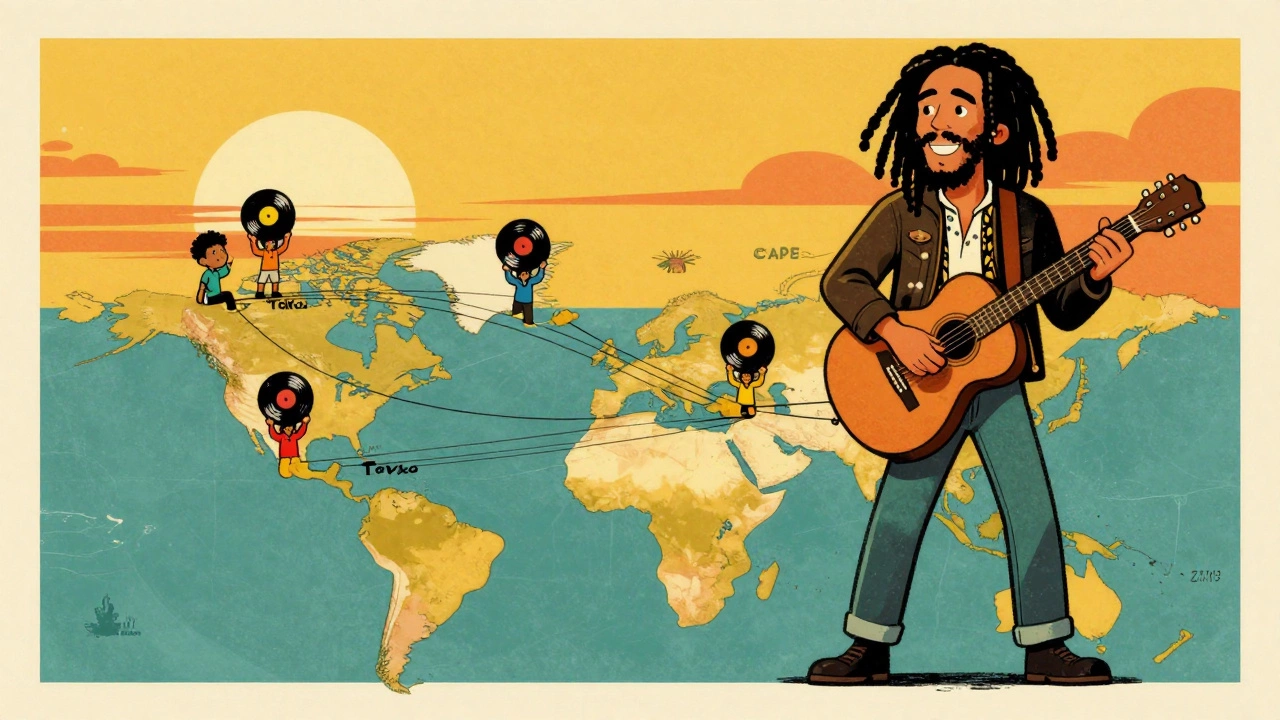

How Reggae Spread Across the Globe in the 1980s - From Jamaica to Japan, Africa, and Beyond
Reggae exploded globally in the 1980s, moving far beyond Jamaica thanks to Bob Marley’s legacy, cultural fusion in the UK and Japan, dancehall’s rise, and its adoption across Africa, Latin America, and the Pacific. It became more than music - it became a movement.
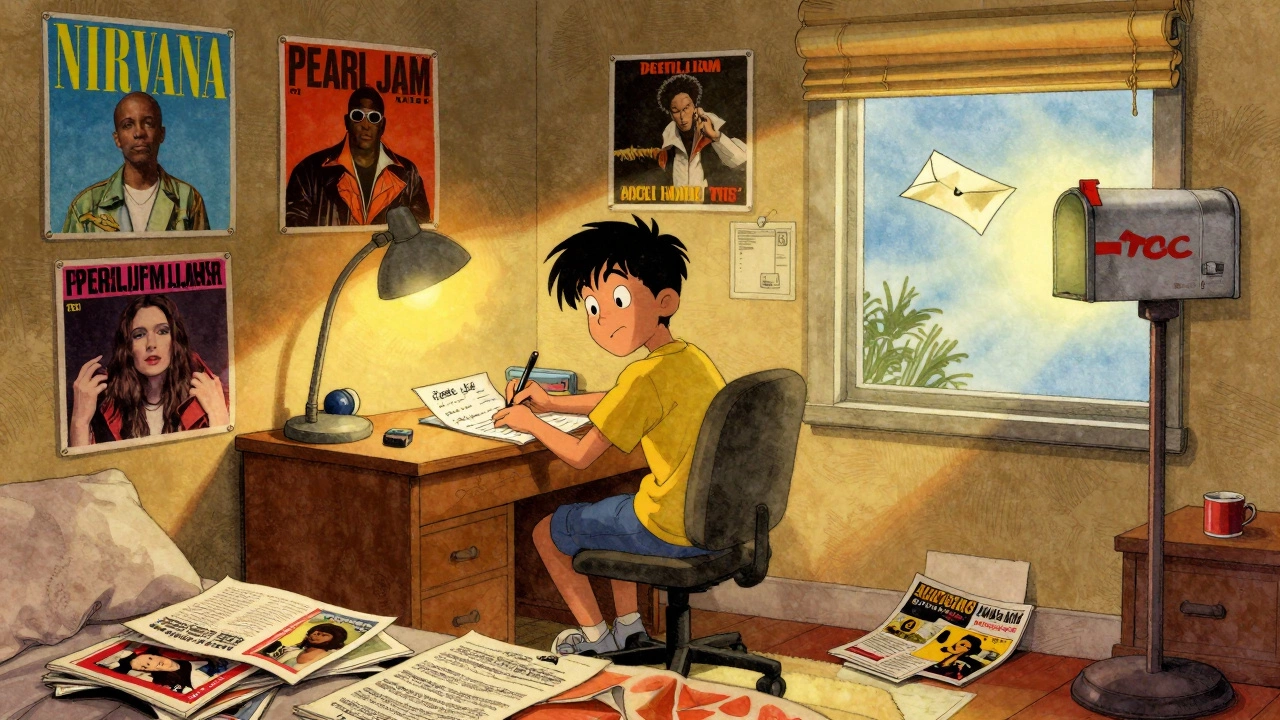
Backlash to 1990s Music Critics: Fan Rebuttals and Letters Pages
In the 1990s, fans fought back against music critics who dismissed albums they loved. Through letters, zines, and public rebuttals, they proved that taste isn't decided by experts - it's lived by listeners.
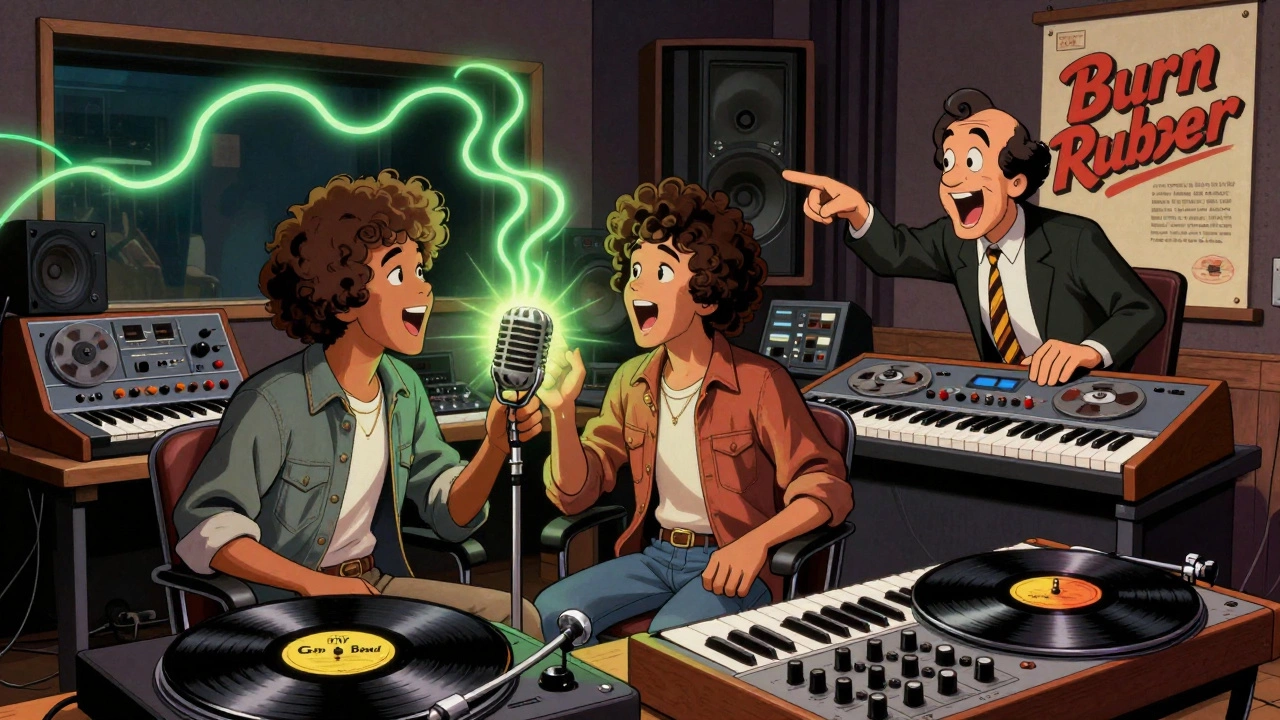

The Gap Band’s Funk Success in the 1980s
The Gap Band dominated 1980s R&B with synth-heavy funk anthems like 'Outstanding' and 'Burn Rubber.' With four gold albums and 15 top 10 R&B hits, they defined the era's dancefloor sound.
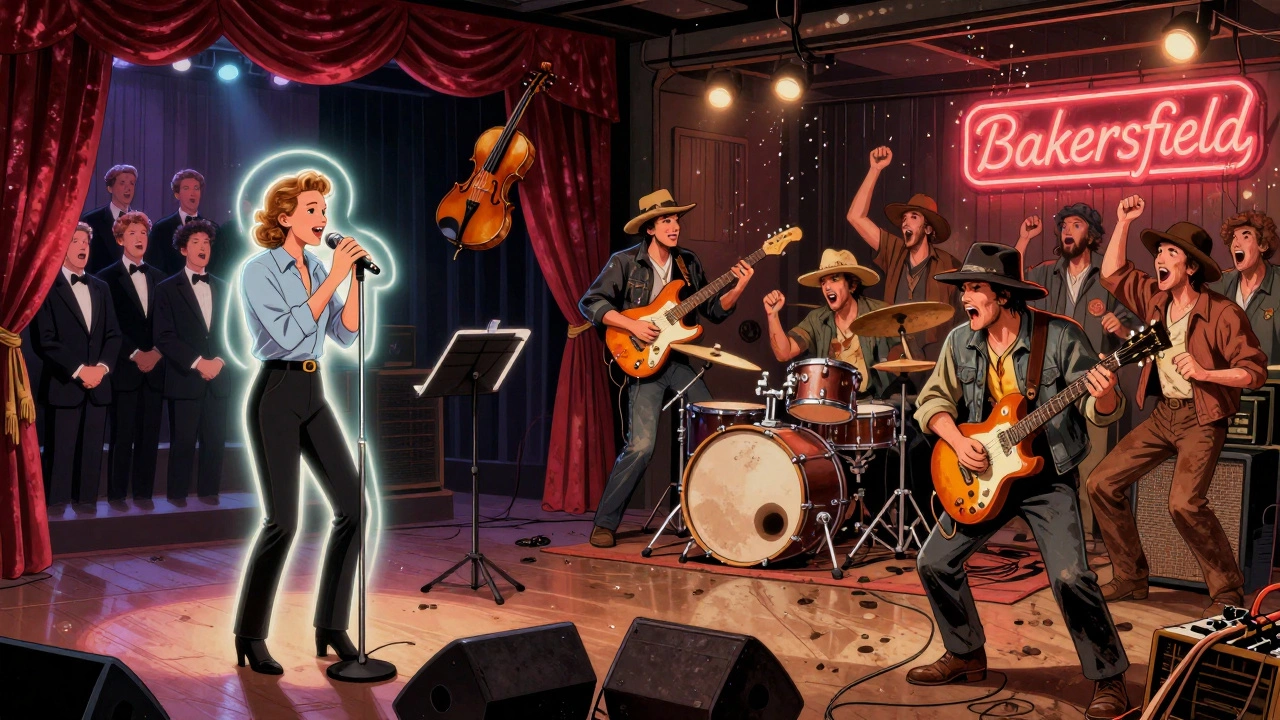

Bakersfield vs. Nashville: The Raw Truth Behind Country Music's Two Soul
Bakersfield and Nashville shaped country music in opposite ways - one polished and smooth, the other raw and loud. This is the story of how two cities, two sounds, and two attitudes changed country music forever.
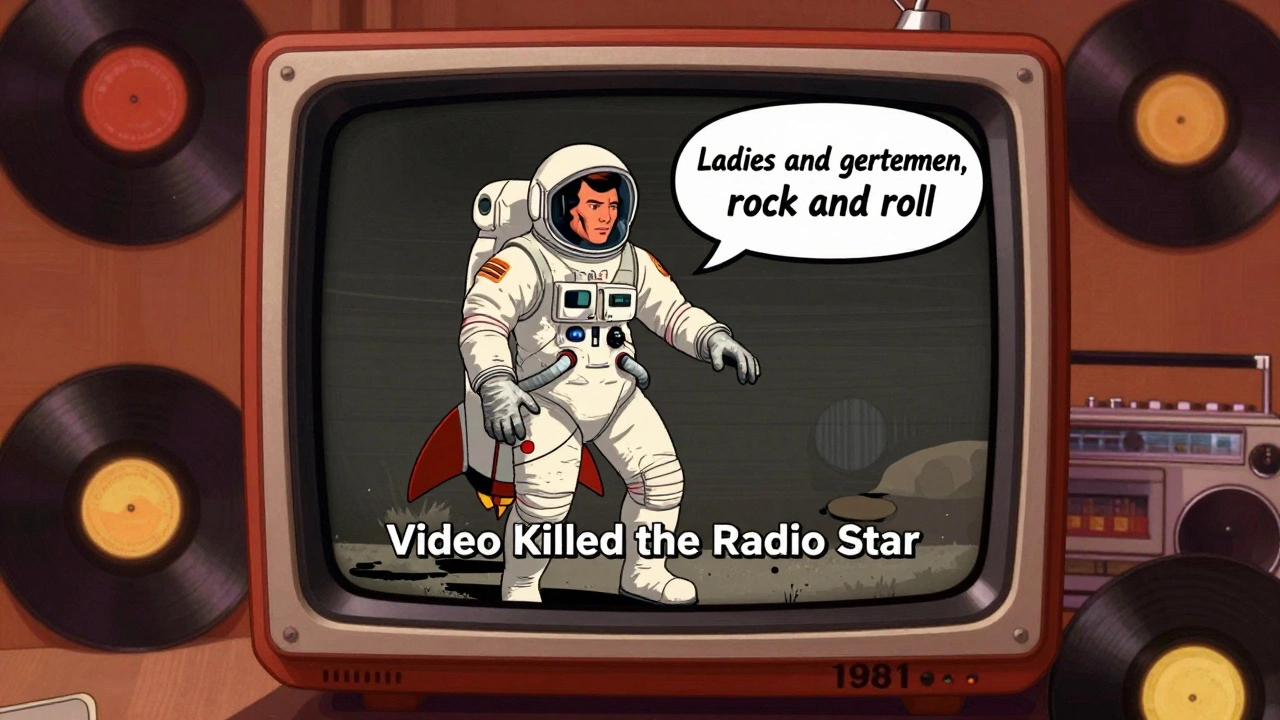

MTV’s 1980s Programming: Countdown Shows, VJs, and Video Premieres
MTV’s 1980s programming redefined music culture with VJs, countdown shows, and video premieres that turned songs into events. From "Video Killed the Radio Star" to "Thriller," the network shaped how generations experienced music.
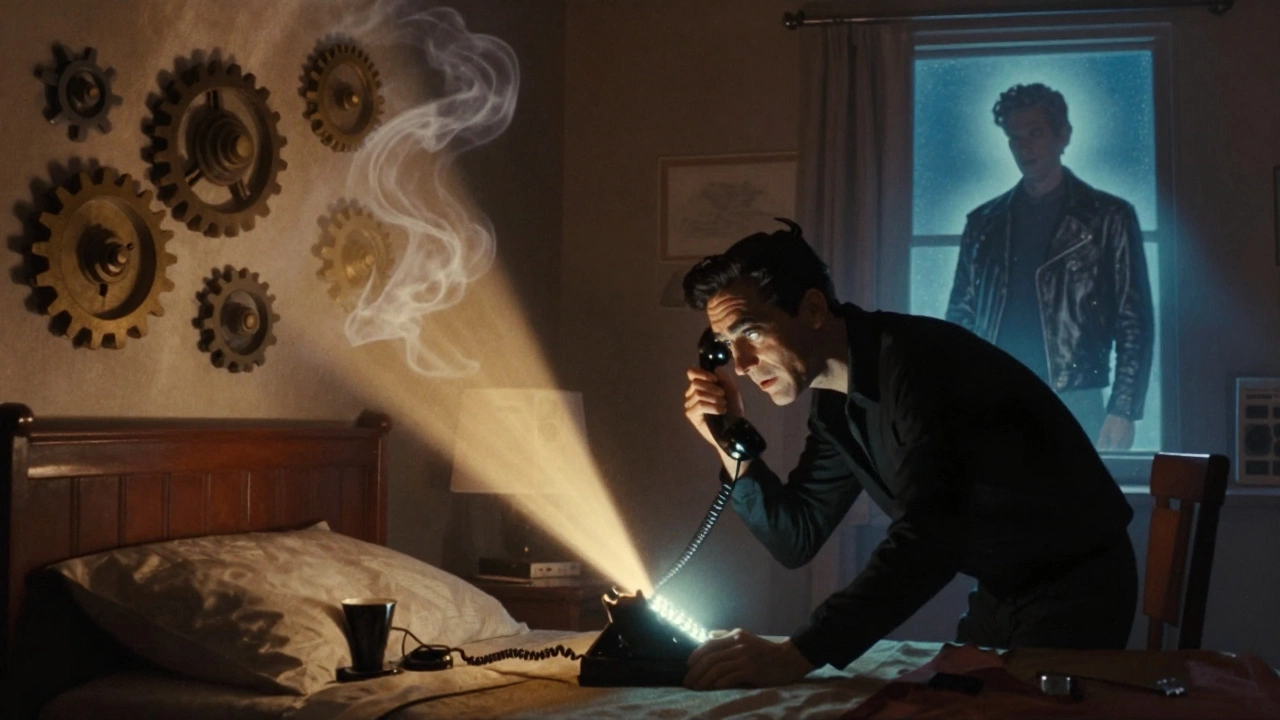

Depeche Mode's Personal Jesus: How Industrial-Tinged Synth-Pop Redefined Faith and Desire in 1989
Depeche Mode's 'Personal Jesus' blended synth-pop with blues and industrial sounds to create a haunting anthem about worship, dependency, and emotional salvation. Released in 1989, it became one of their most enduring hits.
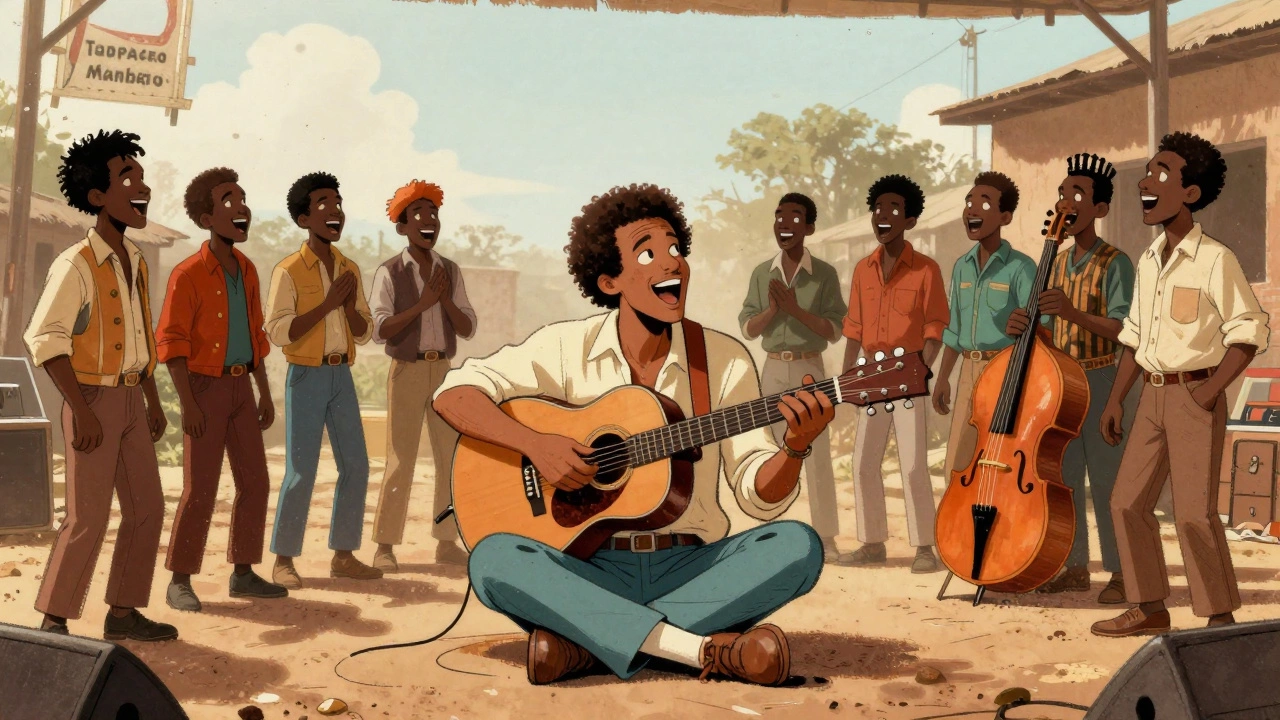
Cross-Continent Collaborations in the 1980s: Rock Meets Africa
In the 1980s, rock stars like Paul Simon and Peter Gabriel teamed up with African musicians, creating groundbreaking music that reshaped global sound. From South Africa to Senegal, these collaborations broke barriers and left a lasting legacy.
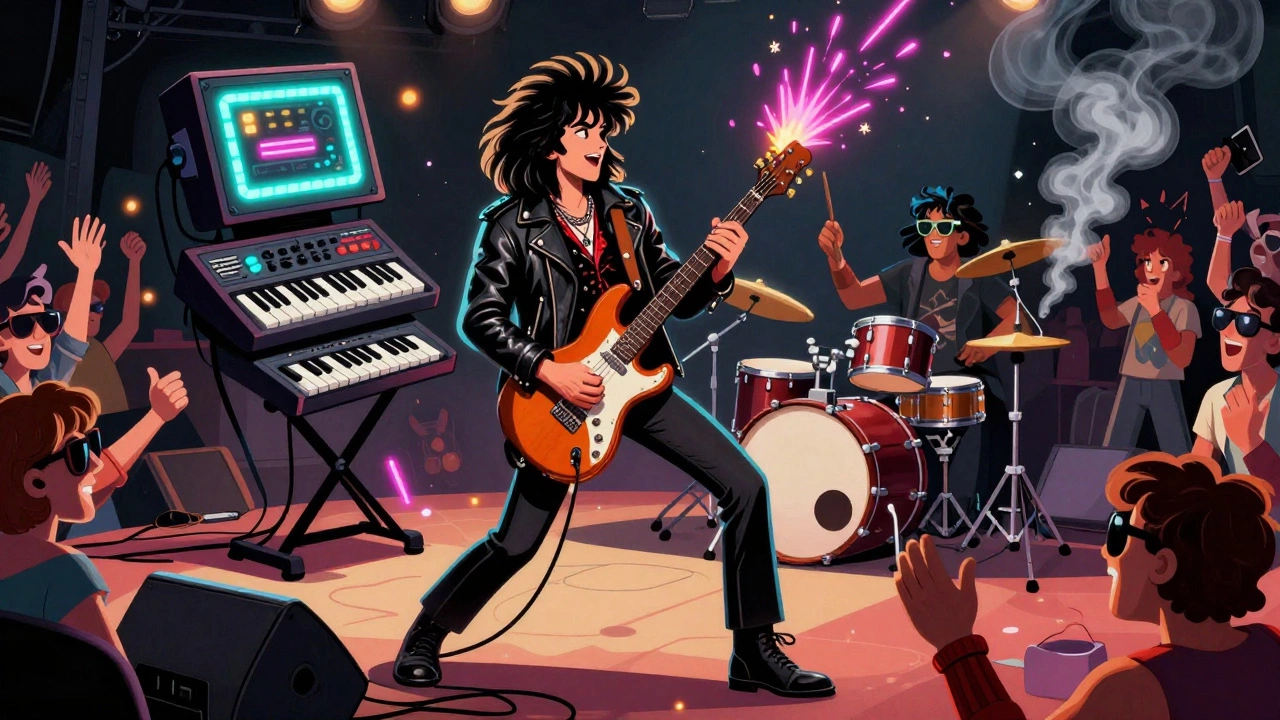

Synth-Rock Hybrids in the 1980s: When Guitars Met Drum Machines
In the 1980s, rock bands like ZZ Top, Van Halen, and Rush fused guitars with synthesizers and drum machines, creating a new sound that dominated charts and reshaped music forever.
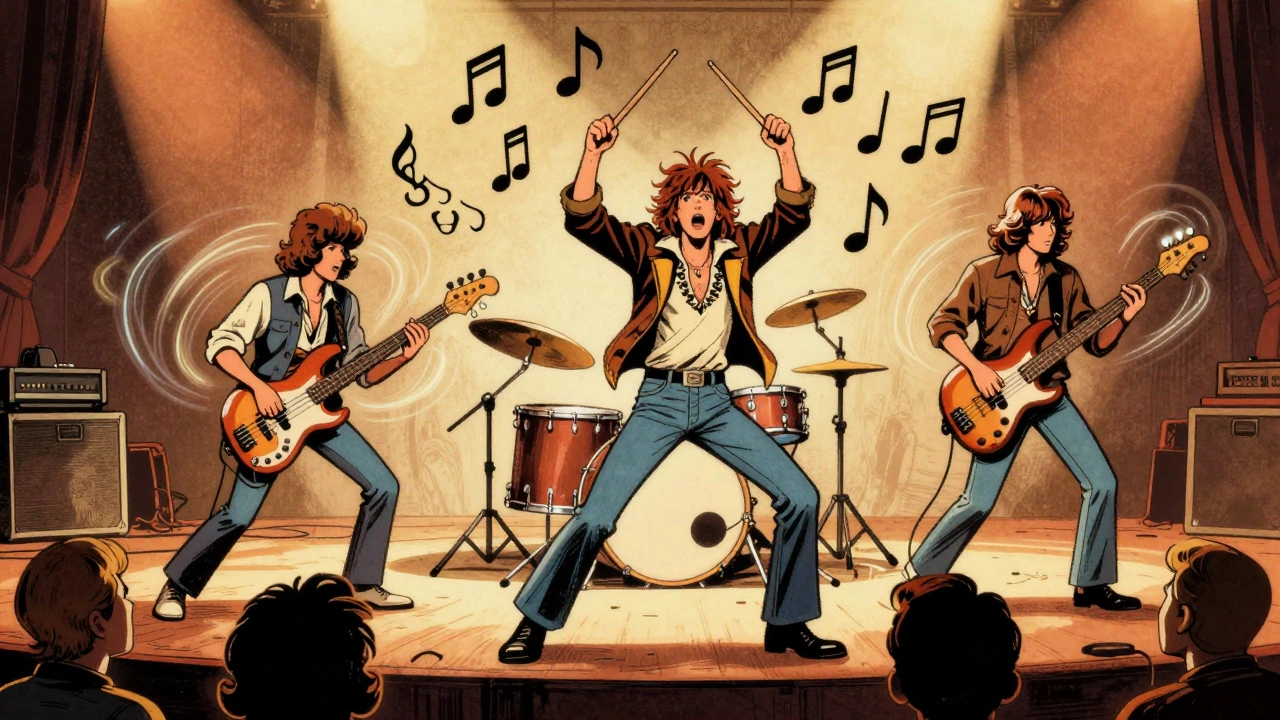
Odd Meter Grooves: How 7/8 and 13/8 Time Signatures Defined 1970s Prog Rock
How 7/8 and 13/8 time signatures transformed 1970s progressive rock into a genre of rhythmic innovation, with Genesis, Rush, and Pink Floyd leading the way.
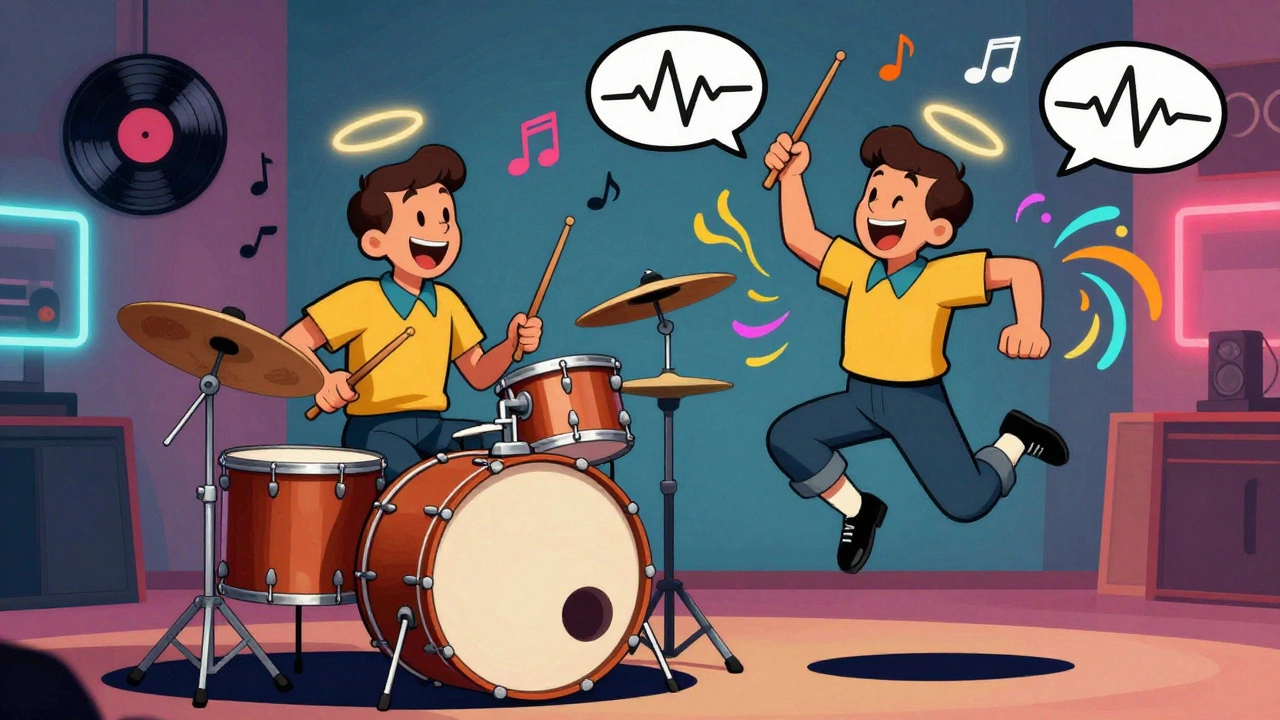

Double Drummers and Percussion: Layered Rhythms in 1970s Fusion
Double drumming in 1970s jazz fusion brought together rock power, jazz complexity, and African polyrhythms. Bands like the Allman Brothers and Miles Davis used two drummers to create layered, living grooves that changed music forever.
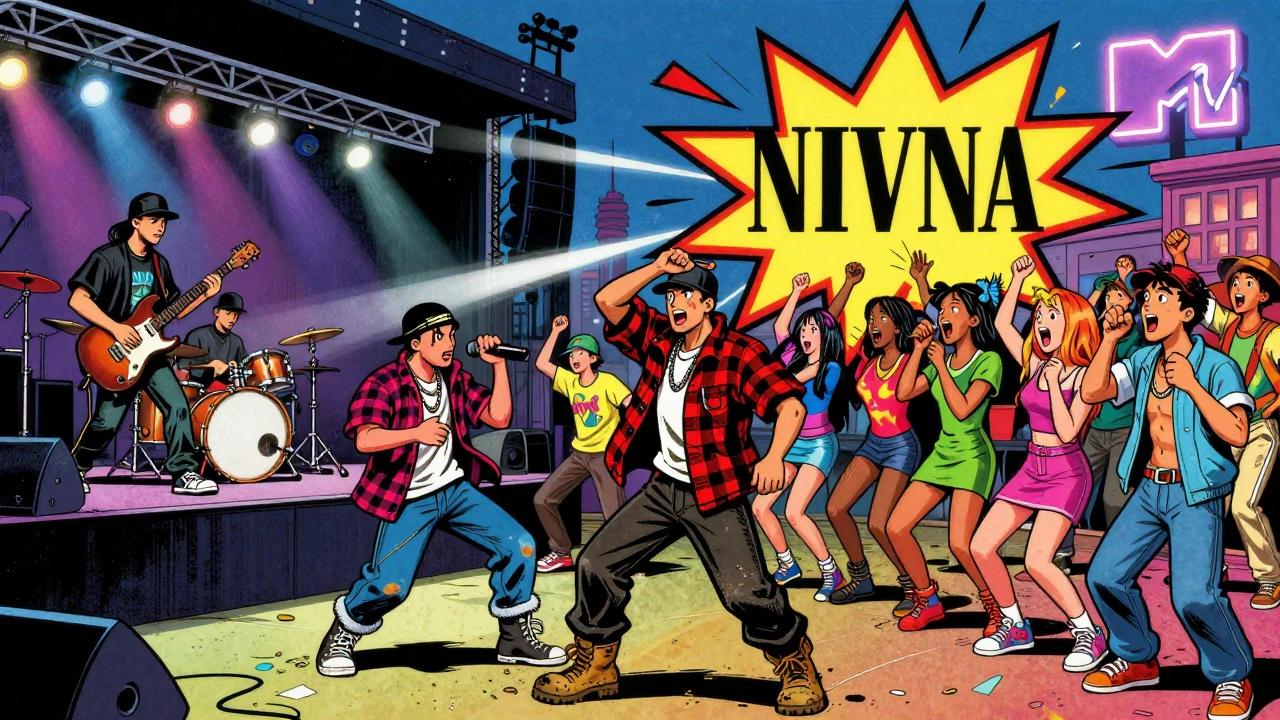
Why the 1990s Music Explosion Reshaped Global Pop Culture
The 1990s music explosion fused grunge, hip-hop, Britpop, and electronic sounds into a global cultural force. Festivals like Lollapalooza and Lilith Fair redefined live music, while MTV turned music videos into cultural touchstones. This decade didn't just produce hits-it reshaped fashion, identity, and how we experience music today.
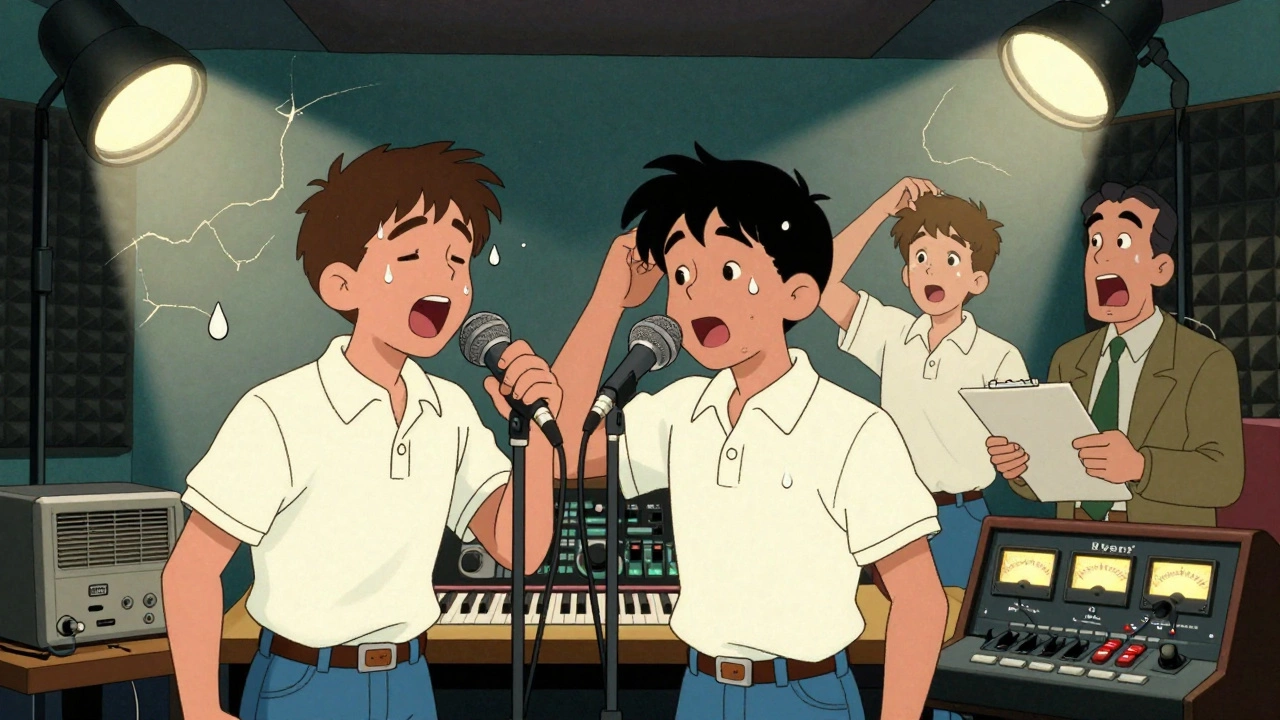
The Orlando Pop Factory in the 1990s: Studios, Managers, and Training
Orlando in the 1990s was the secret engine behind the teen pop explosion. Behind the scenes, studios, managers, and relentless training turned local teens into global icons like Backstreet Boys and *NSYNC - a factory built on repetition, control, and perfectly engineered sound.