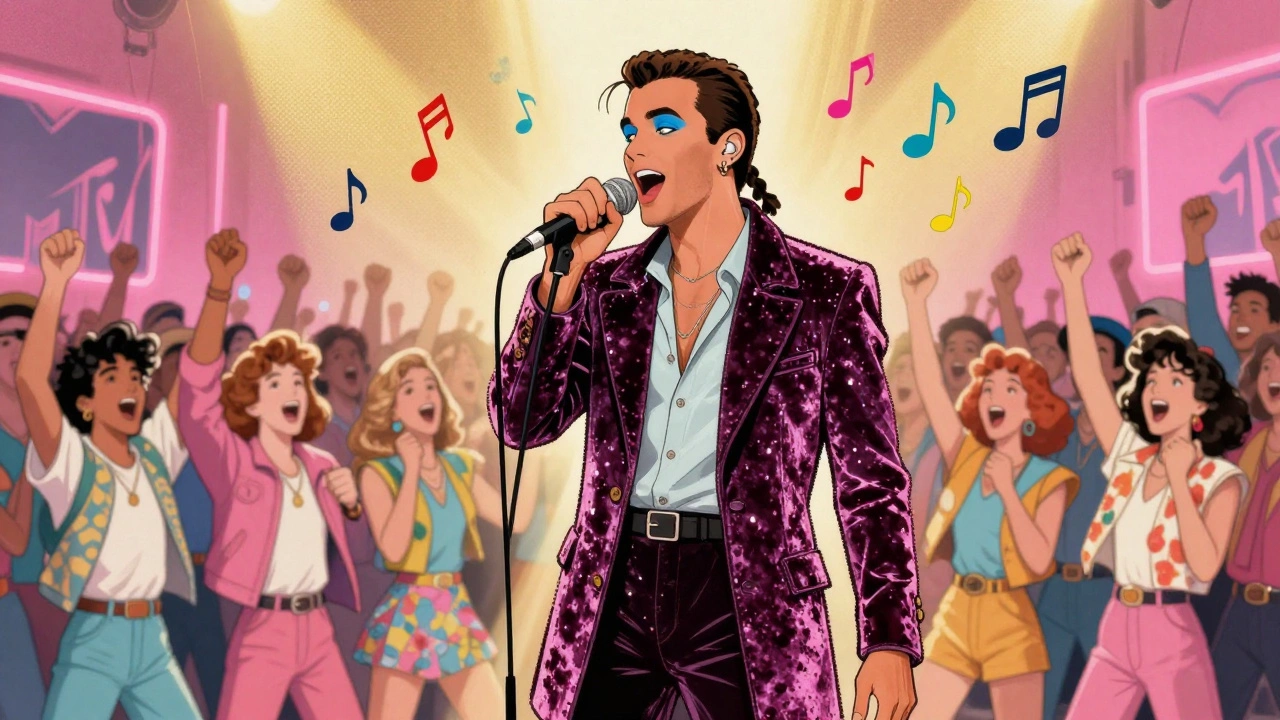

When Culture Club burst onto the scene in 1982, they didn’t just play music-they rewrote the rules of what a pop band could look like. At the center of it all was Boy George: makeup, braids, velvet coats, and a voice that could melt into a soulful croon or snap with punk energy. He wasn’t trying to be a man or a woman. He was just being himself-and that was enough to shake the foundations of 1980s pop culture.
Why Boy George Mattered More Than Just His Voice
Most bands in the early '80s dressed like they were going to the office. Duran Duran wore tailored suits. Adam Ant looked like a pirate. But Boy George? He showed up in a dress one day, a sequined blazer the next, and blue eyeshadow every single time. His look wasn’t a costume. It was a declaration. At a time when being openly queer could cost you your job-or worse-his presence on MTV, Top of the Pops, and magazine covers was revolutionary.
He didn’t just borrow from drag culture. He redefined it. His braids weren’t just fashion-they echoed Rastafarian traditions. His lipstick wasn’t camp-it was resistance. And when he stood on stage singing “Karma Chameleon,” he wasn’t just performing. He was showing millions that identity could be fluid, colorful, and completely your own.
The Visual Language of a Movement
Culture Club’s style didn’t come out of nowhere. It was born from London’s New Romantic scene-a post-punk explosion of glitter, androgyny, and synth-heavy music. But while bands like Visage leaned into cold, cyberpunk aesthetics, and Eurythmics used sharp tailoring to hint at gender play, Culture Club went all in. Their music videos were like pop-up fashion shows. “Do You Really Want to Hurt Me?” wasn’t just a ballad. It was a visual poem about vulnerability, shot in soft lighting with George in lace and pearls, staring straight into the camera like he was daring you to look away.
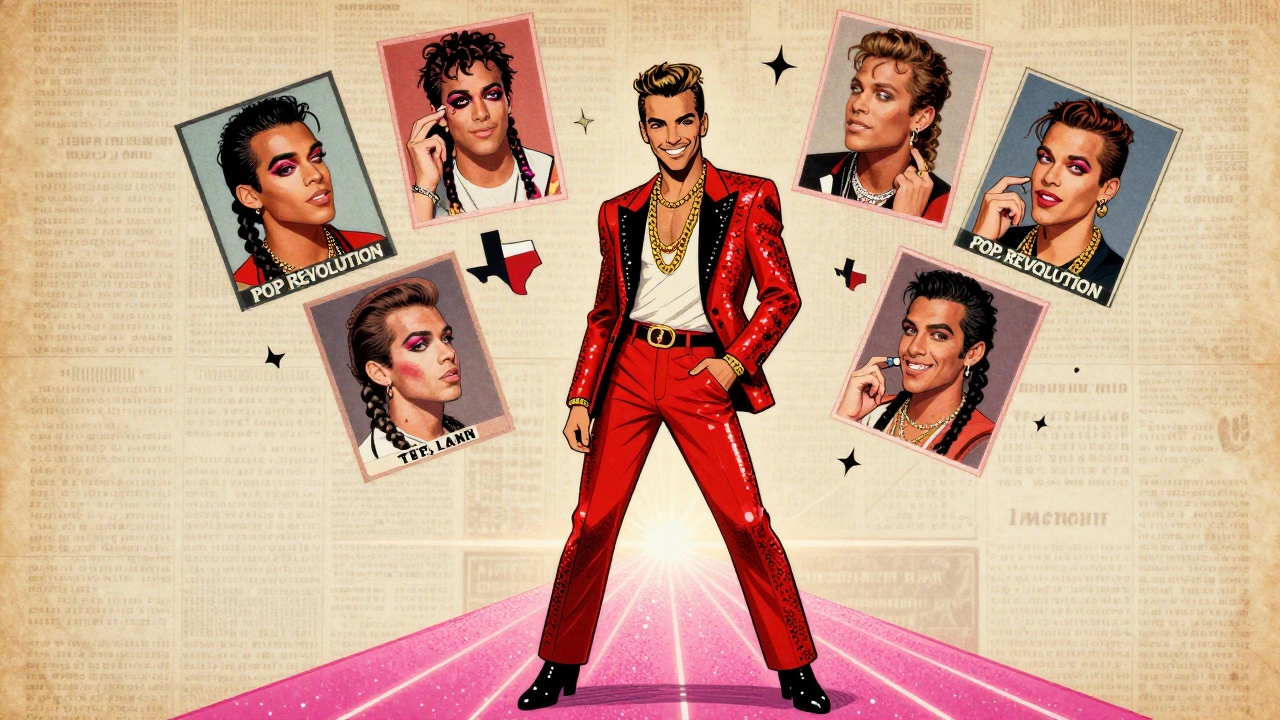
Album covers became landmarks. “Kissing to Be Clever” showed George in a fur-lined coat, eyes smoky, hair wild. “Colour by Numbers” had him in a red suit, gold chains, and a smirk that said, ‘I know you’re staring.’ These weren’t just marketing stunts. They were cultural artifacts. People copied his look. Teens in Texas and Tokyo painted their eyelids blue. Young queer kids saw themselves reflected for the first time on a global scale.
MTV Made Them Unstoppable
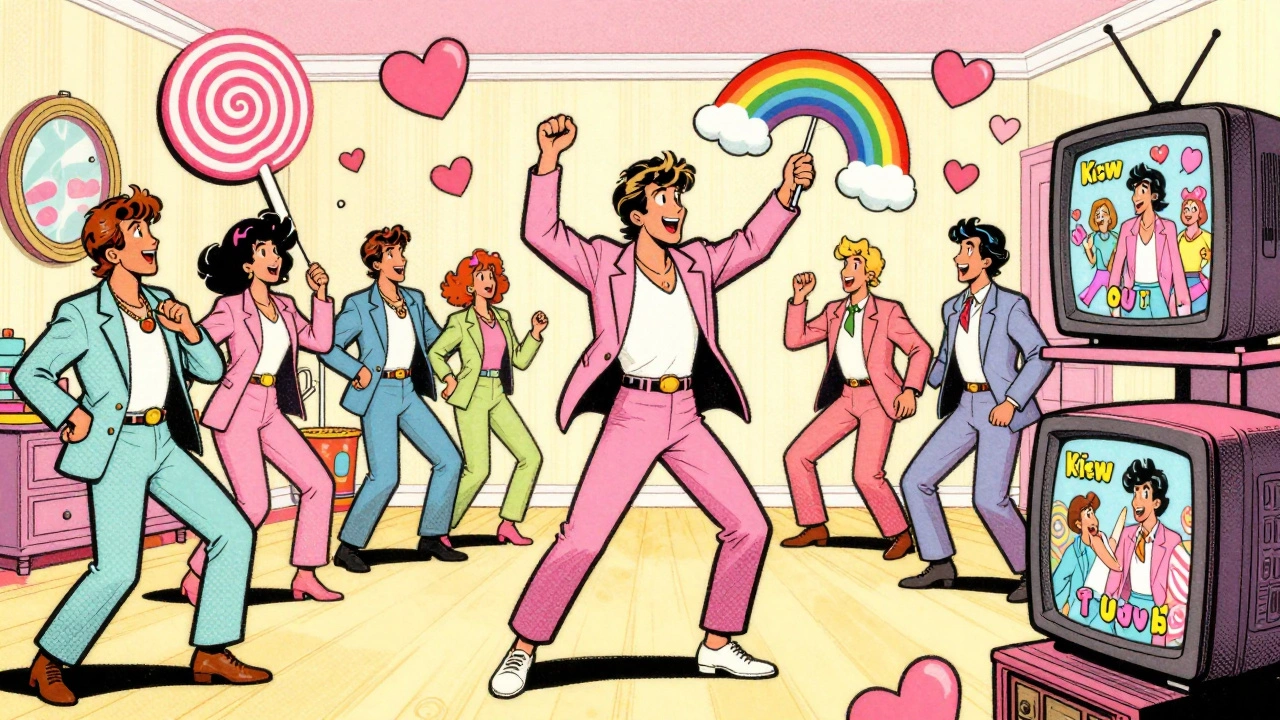
MTV launched in 1981. It needed stars who looked like they belonged on screen. Culture Club was made for it. Their videos were bright, theatrical, and packed with detail. “Karma Chameleon” featured George dancing in a candy-colored room, surrounded by dancers in matching outfits. It wasn’t just a song-it was a full sensory experience. And because MTV played it constantly, the world couldn’t ignore them.
Compare that to bands like The Police or Springsteen. They were great musicians, but their videos were just guys playing instruments. Culture Club turned music into spectacle. And that spectacle stuck. By the time “Church of the Poison Mind” hit in 1983, George’s look was already iconic. He didn’t need to explain himself. His presence spoke louder than any interview.
How They Stood Out From the Crowd
Other artists played with gender. Annie Lennox wore men’s suits. Pete Burns of Dead or Alive wore braids and big hats. But Boy George didn’t just wear women’s clothes-he embraced femininity as a form of power. He didn’t hide behind irony or camp. He owned it. When Burns claimed he was the first to wear braids, George simply said, “It’s not who did it first, it’s who did it better.” That line said everything.
Culture Club’s sound helped too. They mixed reggae, soul, and pop into something that felt both fresh and familiar. “Miss Me Blind” had a bounce you couldn’t ignore. “It’s a Miracle” felt like a gospel hymn wrapped in synth. Their music gave weight to their image. You couldn’t write them off as just a gimmick. They had hits. Real ones. Six Top 10 singles in the U.S. between 1982 and 1984. “Karma Chameleon” spent three weeks at number one. That kind of success gave their message legitimacy.
The Backlash and the Breakthrough
Not everyone loved them. Tabloids called him “sexual ambiguity.” Critics called his look “obnoxious.” Some fans didn’t know whether to cheer or cringe. But that controversy was part of the point. In a time when LGBTQ+ people were being erased-especially during the early AIDS crisis-Culture Club’s visibility was dangerous. And that’s why it mattered.
They didn’t sing about being gay. They didn’t need to. Their existence was the protest. A black man with braids and eyeliner singing about love and hurt on prime-time TV? That was radical. And it opened doors. Young people who felt alone saw someone who looked like them-and succeeded. That’s not just fashion. That’s legacy.
The Long Shadow of a 1980s Vision
Today, you still see it. Harry Styles in a dress at GQ. Lil Nas X in lace and cowboy boots. Billie Eilish’s oversized silhouettes. All of them owe something to Boy George. He didn’t invent gender fluidity, but he made it impossible to ignore in mainstream pop.
Designers reference Culture Club’s color palettes. Artists sample their beats. TikTok trends recreate their makeup looks. And in 2014, when they were inducted into the Rock and Roll Hall of Fame, it wasn’t just about the music. It was about the image. The courage. The unapologetic self-expression.
They didn’t just ride the wave of the New Romantic movement. They turned it into a tsunami. And decades later, their impact is clearer than ever: pop culture doesn’t just reflect society-it can change it. All it takes is one person, standing on stage, wearing what they want, and singing like nobody’s listening.
Was Boy George the first androgynous pop star?
No, he wasn’t the first. Artists like David Bowie, Freddie Mercury, and even Annie Lennox played with gender before him. But what set Boy George apart was how fully he embodied androgyny-not as a stage persona, but as a lived identity. While others used it as a stylistic tool, George made it central to his public self. That authenticity, combined with MTV’s reach, made his impact deeper and more widespread than any predecessor.
Did Culture Club’s fashion influence modern designers?
Absolutely. Designers like Alexander McQueen, Jean Paul Gaultier, and even today’s streetwear brands pull from Culture Club’s bold color blocking, layered textures, and gender-blurring silhouettes. Look at Gucci’s 2018 collection or Balenciaga’s oversized suits-there’s a clear thread back to George’s velvet coats and braided hair. His aesthetic wasn’t just about looking different; it was about rejecting the idea that fashion had to follow rules.
Why did Culture Club succeed in America when other British bands didn’t?
They had the perfect storm: catchy songs, MTV exposure, and a visual identity that stood out in a sea of denim and leather. While bands like The Cure or Joy Division were too dark for American radio, Culture Club’s music was bright, danceable, and emotionally direct. Add in George’s unforgettable look, and suddenly they weren’t just another British band-they were a phenomenon. Their six Top 10 hits in the U.S. weren’t luck. They were strategy, charisma, and timing.
How did Culture Club impact LGBTQ+ representation?
At a time when AIDS was spreading and LGBTQ+ people were being vilified in the media, Culture Club gave millions a visible, joyful, and unapologetic queer icon. George didn’t preach. He didn’t need to. His presence on TV, in magazines, and on the charts showed that queer people could be loved, successful, and wildly popular. For young viewers, especially in conservative areas, seeing him was life-changing. He didn’t represent a movement-he became part of one.
Did Culture Club’s image overshadow their music?
Some critics said yes. But that misses the point. Their music and image worked together. Boy George’s voice-raspy, tender, soulful-was the heart of their sound. Songs like “Victims” and “I’ll Tumble 4 Ya” weren’t just background noise to the looks. They were emotional anchors that made the visuals matter. You couldn’t separate the two. That’s why they lasted. It wasn’t just style. It was substance with glitter on top.
By the time the '80s ended, Culture Club had already changed the game. They proved that pop music didn’t need to be clean-cut to be successful. That identity could be a brand. That love, in all its forms, could be a hit single. And that sometimes, the most powerful thing you can do is wear what you want-and sing like nobody can stop you.


