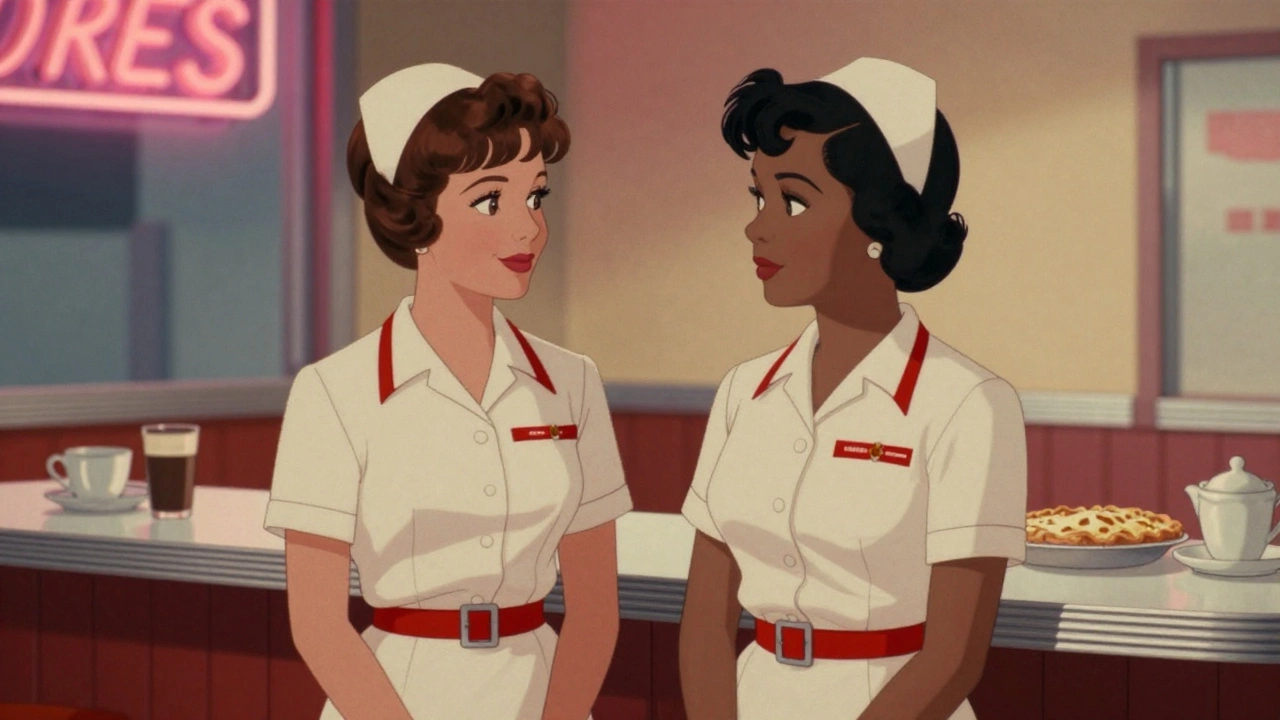

On the night of February 23, 1983, after winning a Grammy, Donna Summer walked into the ladies’ room at Chasen’s, a fancy West Hollywood restaurant. The TV was blaring. A woman in a uniform was asleep on a stool, exhausted from a long shift. Summer didn’t just see a worker. She saw a hero. That moment became the heart of one of the most powerful songs of the 1980s: She Works Hard for the Money.
The Real Woman Behind the Song
The song isn’t fiction. It’s a tribute to Onetta Johnson, a restroom attendant who worked overnight shifts just to make ends meet. Summer didn’t write a character. She wrote a person. The opening line of the song? "Onetta there in the corner stand." That’s not poetic license. That’s her name. Johnson didn’t just inspire the song-she appeared on the album cover, wearing the same waitress uniform as Summer. No makeup. No glam. Just two women, side by side, saying: her work matters.A Song Built to Move You-Body and Soul
Musically, "She Works Hard for the Money" is a dance track with a heartbeat. At 136 BPM, it’s got that punchy 1983 synth groove that made clubs go wild. But listen closer. The bassline doesn’t just bounce-it pushes. Like someone dragging themselves through a 12-hour shift. Summer’s voice? It swings from a whisper to a roar. She sings about exhaustion, then turns it into defiance. "It’s a sacrifice working day to day for little money, just tips for pay." Then, right after: "But it’s worth it all just to hear them say that they care." That’s not just lyrics. That’s a life. A woman who smiles through rude customers, who picks up dropped silverware without complaint, who still finds joy in a "thank you." The song doesn’t pity her. It honors her.The Video That Changed Everything
Most 1980s music videos were about glitter, dancing, and glamour. Donna Summer’s video for this song? It told a story. A woman once dreamed of being a ballerina. Life took her to a diner. She’s tired. Her shoes are worn. She drops a tray. A customer yells. Then, something shifts. Summer appears-not as a star, but as a witness. She helps. She leads. And then, dozens of women in different uniforms-waitresses, factory workers, cleaners-march down the street, dancing. No men. No romance. Just women, together, claiming space. That ending wasn’t choreography. It was a protest.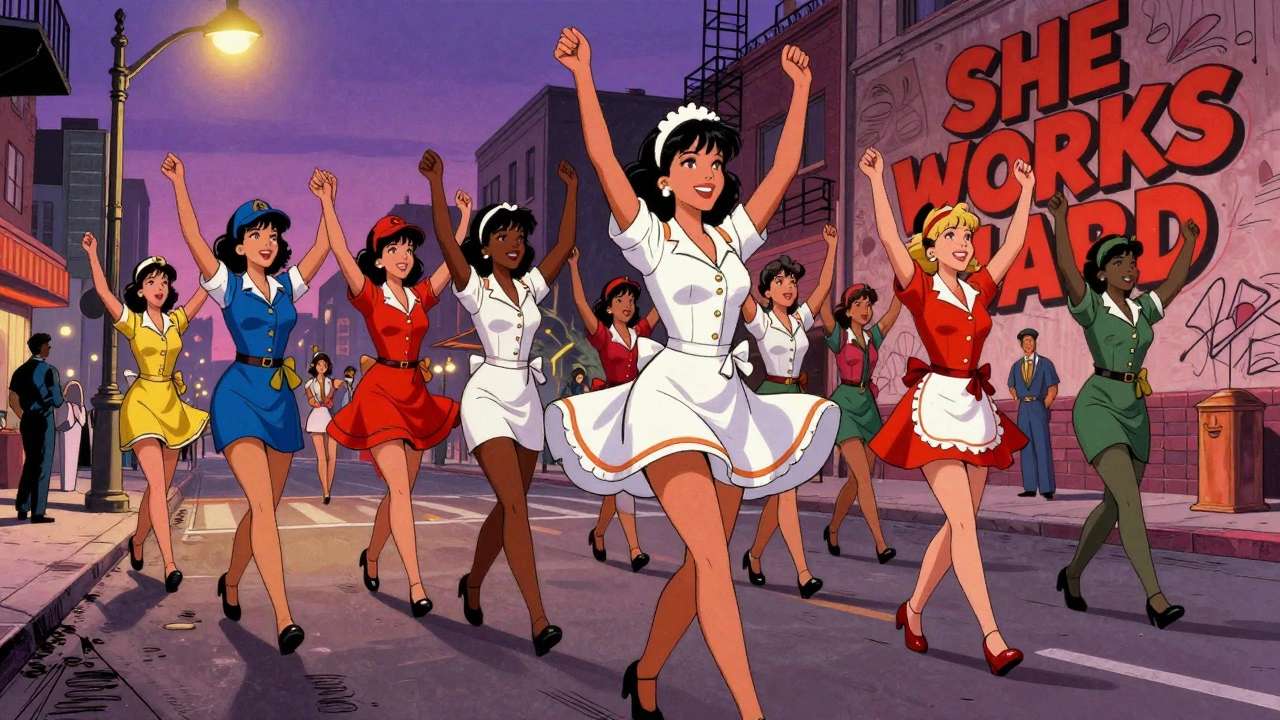
Why This Song Hit So Hard in 1983
1983 wasn’t just about neon and synthesizers. It was the height of Reagan-era economic shifts. Jobs were vanishing. Wages were flat. Women made 64 cents for every dollar a man earned. Service jobs-where most women worked-paid next to nothing. Tips were their lifeline. And they were expected to be invisible. Summer didn’t sing about queens or lovers. She sang about the woman who cleans your table after you leave your napkin on the floor. The one who works holidays so your family can celebrate. The one no one notices until they need a refill. The song’s chorus-"She works hard for the money, so you’d better treat her right"-wasn’t a catchy hook. It was a demand. A warning. A truth.It Wasn’t Just a Hit. It Was a Statement
The song hit #3 on the Billboard Hot 100. It topped the R&B chart. It got a Grammy nomination. But more than that, it opened the Grammys. Donna Summer performed it live on national TV, in front of millions, as the very first song of the night. No pop ballad. No love song. A working woman’s anthem. That choice sent a message: This matters. This woman matters. This work matters.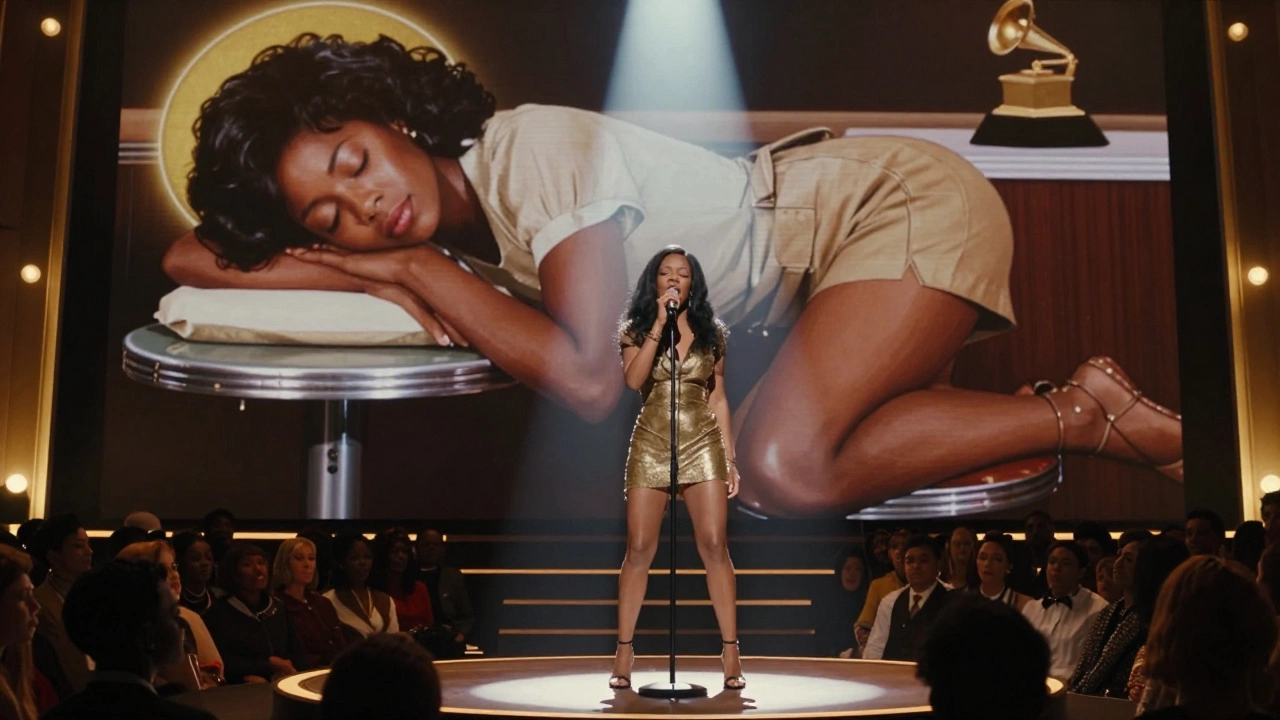
Why It Still Matters Today
Fast forward to 2026. Women still make up 70% of minimum wage workers in the U.S. Tips still don’t cover rent in most cities. Nurses, cleaners, cashiers, and delivery drivers are still told to smile, to be quiet, to be grateful. "She Works Hard for the Money" didn’t just capture a moment. It captured a pattern. The song doesn’t feel dated because the problem hasn’t gone away. It’s still playing out in diners, hospitals, warehouses, and delivery vans. The genius of the song? It doesn’t ask for pity. It demands respect. It doesn’t say, "Look how hard she works." It says, "Look how much she’s worth." And that’s why, decades later, people still play it on the radio when they’re tired, when they’re angry, when they need to remember their own strength.What Makes It a Feminist Anthem
Feminism isn’t just about breaking glass ceilings. It’s about lifting up the women who never had a ceiling to break. The ones who show up every day, no matter how little they’re paid, no matter how little they’re seen. Donna Summer didn’t write this song to be cool. She wrote it because she saw a woman sleeping on a stool and thought: That’s my sister. The song refuses to let her disappear. It gives her a voice. A name. A dance. A place on the album cover. A moment on the Grammy stage. That’s not pop music. That’s protest. That’s power.Legacy: More Than a Song
Onetta Johnson never became famous. But her story did. Her face is on a record that’s been played in classrooms, at protests, in union halls. Her name is in the lyrics of a song that made the charts. And Donna Summer? She didn’t just sing about a working woman. She made her a legend. Today, if you hear this song in a diner, a subway, or a protest march, it’s not nostalgia. It’s a reminder. The women who keep the world running? They’re not background noise. They’re the beat.Who was Onetta Johnson?
Onetta Johnson was a restroom attendant at Chasen’s restaurant in West Hollywood. She inspired Donna Summer’s 1983 hit "She Works Hard for the Money" after Summer saw her sleeping on the job during a long night shift. Johnson agreed to appear on the album cover, wearing the same uniform as Summer, making her one of the first real working women to be honored this way in mainstream pop music.
Why did Donna Summer write this song?
Summer wrote the song after witnessing Onetta Johnson’s exhaustion during a late-night shift. Moved by compassion, she realized how unseen and undervalued so many working women were. She wanted to turn that moment into a tribute-not just for Johnson, but for every woman who works long hours for little recognition.
Was "She Works Hard for the Money" a commercial success?
Yes. The song reached #3 on the Billboard Hot 100, #1 on the Hot R&B Songs chart, and #3 on the Dance Club Play chart. It earned a Grammy nomination for Best Female Pop Vocal Performance in 1984 and opened the Grammy Awards ceremony that year-rare for a socially conscious track.
What makes this song feminist?
It centers the dignity of working-class women-especially those in low-wage service jobs-without romanticizing or pitying them. The lyrics, video, and album art all elevate their labor as valuable and worthy of respect. It doesn’t ask for sympathy. It demands recognition, making it a rare example of pop music as direct social commentary.
Is the song still relevant today?
Absolutely. Women still make up the majority of minimum wage workers, and many rely on tips to survive. The song’s message-that hard work deserves dignity, not just a paycheck-resonates more than ever in today’s economy. It’s still played at labor rallies, in classrooms, and in homes where women are fighting to be seen.


