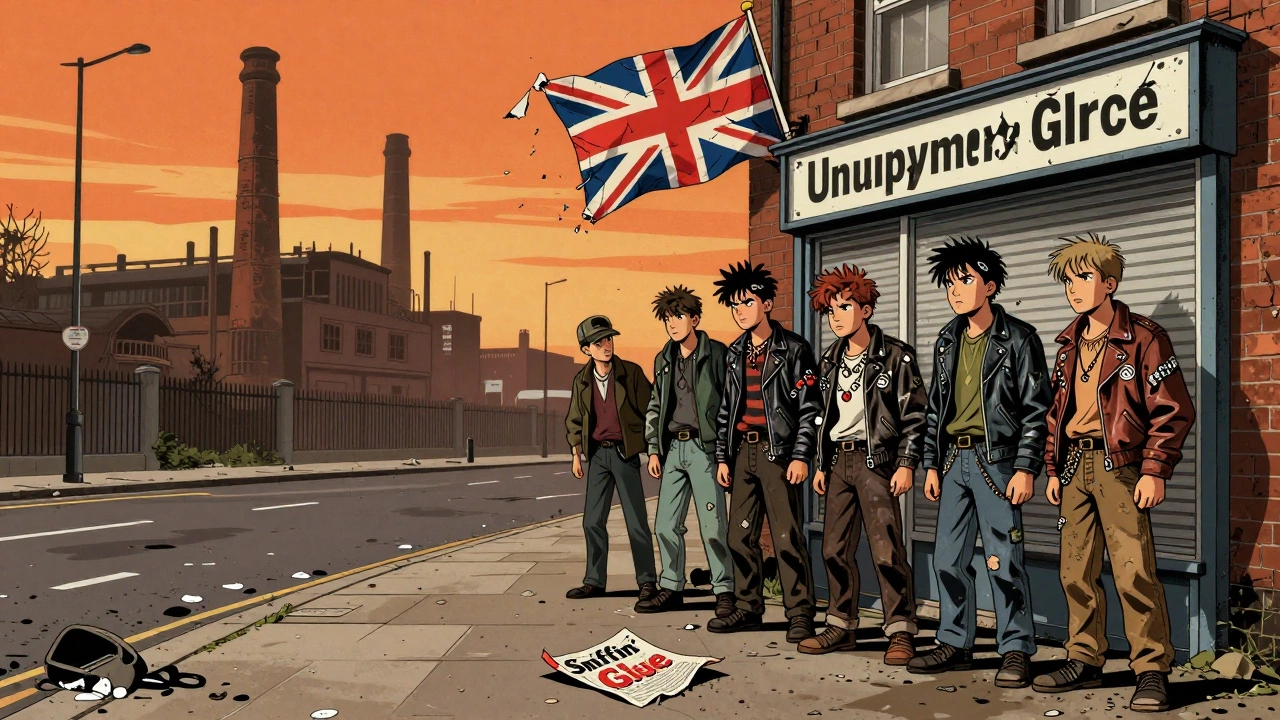

By the mid-1970s, Britain wasn’t just struggling-it was breaking. Factories sat empty. Streets in London and Manchester were littered with trash. Young people saw no future in a system that offered them nothing but dead-end jobs, if any job at all. And then came punk. Not as a fashion statement, not as a musical trend, but as a scream ripped from the throat of a generation that had been told to sit down, shut up, and wait for a world that never came.
The Cracks in the System
Unemployment in Britain hit 1.5 million by 1975. By 1979, it was over 1.6 million-and that was before the real crash. The Labour government was drowning in strikes, inflation, and public anger. The National Health Service ran out of bandages. The BBC cut its budget. The Queen’s Silver Jubilee in 1977 felt less like a celebration and more like a funeral for a nation that had stopped believing in its own story. This wasn’t just economic. It was emotional. Kids in towns like Birmingham, Leeds, and South London grew up with parents who had worked the same factory job for 30 years. Now, those jobs were vanishing. The promise of steady work, home ownership, a decent pension-it was all a lie. And the music? It was worse. Top of the Pops was full of glittery pop stars singing about love in a world that didn’t have any left. Rock had become bloated, self-indulgent. Bands played for hours while fans sat bored, wondering why anyone cared. That’s when the Sex Pistols walked into the picture."Anarchy in the UK" and the Sound of Anger
"Anarchy in the UK" wasn’t just a song. It was a detonation. Released in 1976, it didn’t ask for reform. It didn’t beg for change. It spat on the whole idea of order. The lyrics were raw: "I am an antichrist / I am an anarchist." No metaphors. No poetry. Just rage. And the band didn’t hide it. When John Lydon swore live on TV during an interview on the Today show, the British public didn’t just gasp-they panicked. The BBC banned them. Newspapers called them monsters. The government started watching. Then came "God Save the Queen" in 1977. The song came out during the Queen’s Silver Jubilee. It didn’t celebrate. It mocked. "She ain’t no human being / And there’s no future in England’s dreaming." The single was banned. Record shops refused to stock it. The police raided the Sex Pistols’ offices. Yet it hit #2 on the charts anyway. People didn’t buy it because they liked it. They bought it because they were furious. The band didn’t need to be political philosophers. They just needed to be honest. And that honesty cut deeper than any manifesto.The Clash: More Than Just Noise
While the Sex Pistols screamed into the void, The Clash actually tried to build something. Their 1977 debut album was a manifesto in three chords. "Career Opportunities" wasn’t about rebellion for rebellion’s sake. It was about being told you’re worthless because you don’t have a degree, a suit, or a connection. "London’s Burning" wasn’t about arson. It was about the city rotting from the inside while politicians talked about budgets and balance sheets. And then there was "Police & Thieves"-a reggae cover that turned the tables. Who were the real criminals? The kids stealing bread? Or the banks stealing homes? The song didn’t answer. It just asked the question loud enough for everyone to hear. The Clash didn’t just play gigs. They played benefits. They raised money for Rock Against Racism, not because they were perfect, but because they knew silence was complicity. They weren’t Marxists. They didn’t have a plan. But they knew that racism and unemployment were two sides of the same coin.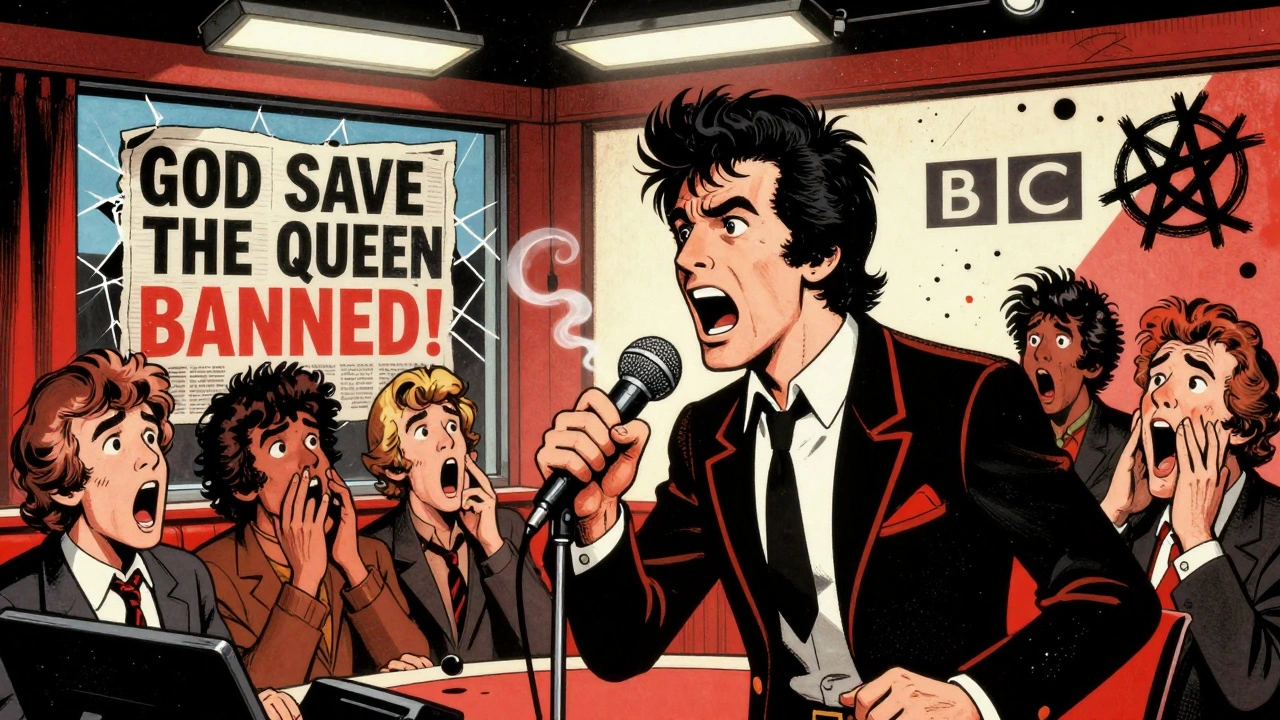
Fanzines: The Real Political Organ
You won’t find this in any history textbook, but the real heartbeat of punk politics wasn’t on vinyl. It was on photocopied paper. Fanzines like Sniffin’ Glue and Suburban Hell were handwritten, stapled, and passed out in record shops and train stations. They didn’t have editors. They didn’t have lawyers. They had kids who had nothing to lose. One fanzine printed a letter from a 16-year-old in Sheffield who said: "I’ve looked for work for 11 months. They say I’m too young. But I’m not too young to know I’m being lied to." These weren’t just rants. They were archives. They documented housing shortages, police brutality, factory closures. They quoted George Orwell, but they also quoted the guy who got fired from the bus depot last week. They didn’t need academic theory. They had lived it. And that’s what made punk political-not because it had a party line, but because it refused to look away.The Contradictions: Punk Wasn’t One Thing
Here’s the truth nobody wanted to admit: punk didn’t have a unified politics. Some punks were anarchists. Some were fascists. Some didn’t care about politics at all. Crass and their anarcho-punk crew rallied for nuclear disarmament. They organized "Stop the City" protests that shut down London’s financial district. They made records with slogans like "War is a racket" and printed them on T-shirts that cost £1. They were radical. They were organized. They were sincere. But on the other side, Oi! bands like The Business sang about "working class pride"-but meant it as a code for white nationalism. Some skinheads picked up the look of punk and twisted it into something ugly. They didn’t hate the system. They just hated the people they thought were taking their jobs. And then there were the ones who just wanted to be loud. Who didn’t care about Thatcher or unemployment. Who just wanted to smash something and laugh while they did it. That was punk too. The movement didn’t fail because it was divided. It succeeded because it let everyone in-even the ones who didn’t know why they were there.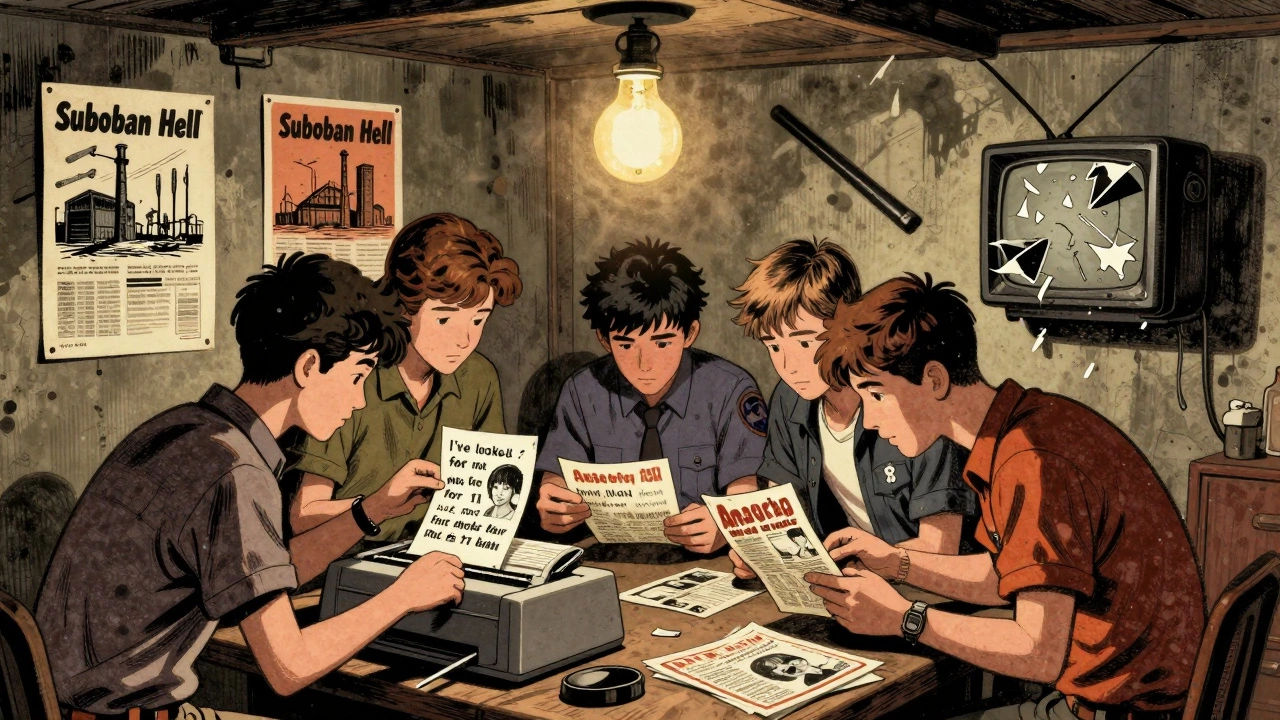
Thatcher and the Long Shadow
Margaret Thatcher came to power in 1979. She didn’t just cut public spending. She cut hope. She called unemployment a "necessary evil." She told people to "get off their backsides and work." But for thousands, there was no work to get up for. Punk didn’t disappear under Thatcher. It got louder. Bands like Discharge and Charged GBH turned punk into a faster, harder sound-UK82. Their songs weren’t about politics. They were about survival. "We are the rejected / We are the forgotten" wasn’t a lyric. It was a headline. The Falklands War in 1982 was the breaking point. While the government sold patriotism as unity, punk artists like Elvis Costello and Crass asked: Who died? Who lost? Who paid? "Shipbuilding"-a song about shipyard workers who lost their jobs and then their sons-wasn’t a protest song. It was a funeral dirge.The Legacy: Why It Still Matters
Punk didn’t change the government. It didn’t bring down Thatcher. It didn’t fix unemployment. But it did something more important: it gave voice to the voiceless. Before punk, no one asked teenagers what they thought. After punk, they couldn’t ignore them. Fan magazines became newspapers. DIY shows became movements. The idea that music could be a weapon? That changed everything. Today, when kids protest climate change, when they chant "No justice, no peace," when they start their own zines and podcasts-they’re not inventing anything new. They’re just repeating what punk taught them: if no one’s listening, scream louder. The politics of punk wasn’t in its policies. It was in its presence. It wasn’t about having the right answers. It was about refusing to stay quiet.Was punk a political movement or just a music style?
Punk was both. Musically, it stripped rock down to raw, fast, aggressive sounds. Politically, it gave voice to youth anger over unemployment, class inequality, and government neglect. Bands like the Sex Pistols and The Clash made songs that were direct political statements. Fanzines and protests turned music into action. It wasn’t a party or a policy-it was a reaction.
Did punk have a unified political message?
No. Punk was messy. Some punks were anarchists, some were racists, some didn’t care about politics at all. The Clash supported Rock Against Racism. Crass campaigned for nuclear disarmament. Oi! bands sometimes fed into far-right ideology. Punk didn’t have one message-it had many. That’s why it was powerful. It reflected real life: contradictory, confused, angry, and alive.
How did fanzines shape punk politics?
Fanzines were punk’s underground newspaper. They were handwritten, photocopied, and passed around for free. They talked about job losses, police violence, housing crises, and racism. Unlike mainstream media, they didn’t filter or soften the truth. They gave young people a way to speak without permission. Many historians say fanzines were the real engine of punk’s political voice.
Why did the Sex Pistols anger the British establishment so much?
They didn’t just break rules-they mocked the symbols of power. Swearing on live TV. Releasing "God Save the Queen" during the Queen’s Jubilee. Challenging the idea that Britain was still great. The establishment saw punk as a threat not because it was violent, but because it was honest. It showed that the system wasn’t working, and that kids knew it.
Did punk influence later political movements?
Absolutely. The DIY ethic of punk-making your own media, organizing without permission, using art as protest-became the blueprint for later movements. From anti-globalization protests in the 1990s to climate strikes in the 2020s, you can trace the same energy: angry, loud, unapologetic, and self-made. Punk didn’t need to win. It just needed to be heard.


