Music Cafe - Page 8
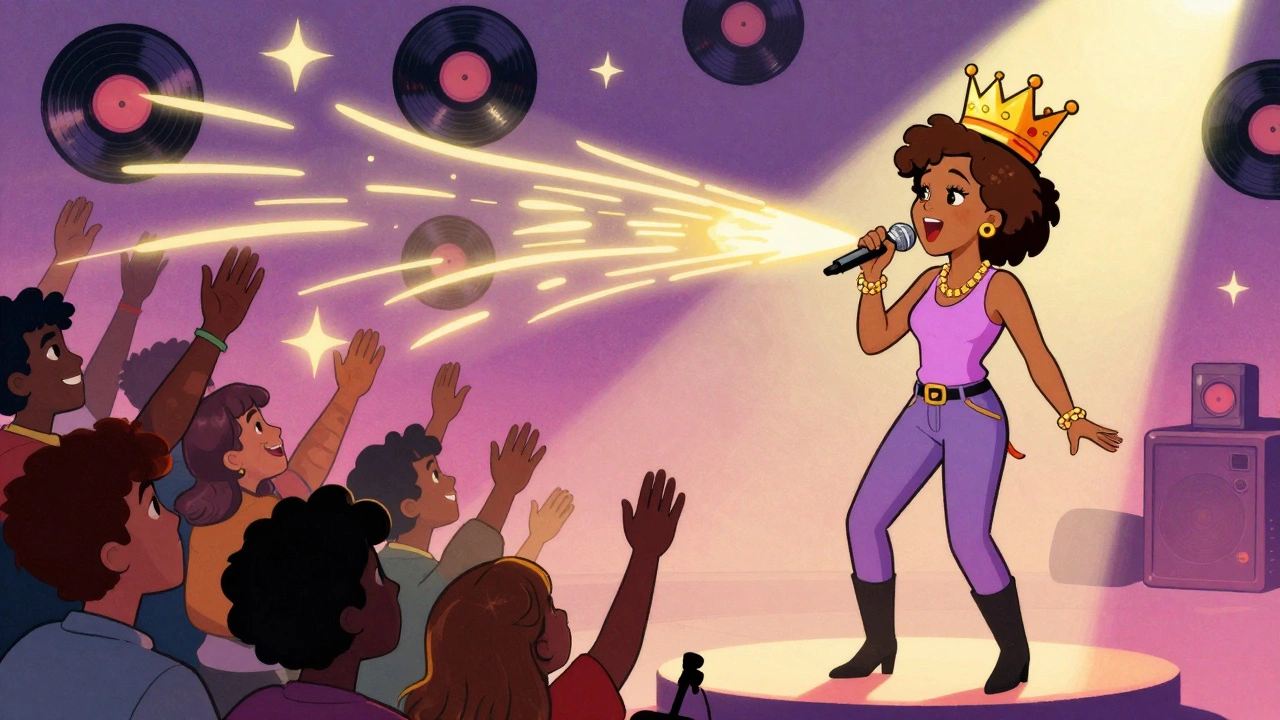

How 1980s Women Artists Shaped Today’s Pop and R&B
1980s women artists like Whitney Houston, Janet Jackson, and Sade redefined pop and R&B with powerful vocals, creative control, and bold messages. Their influence still shapes today's music.
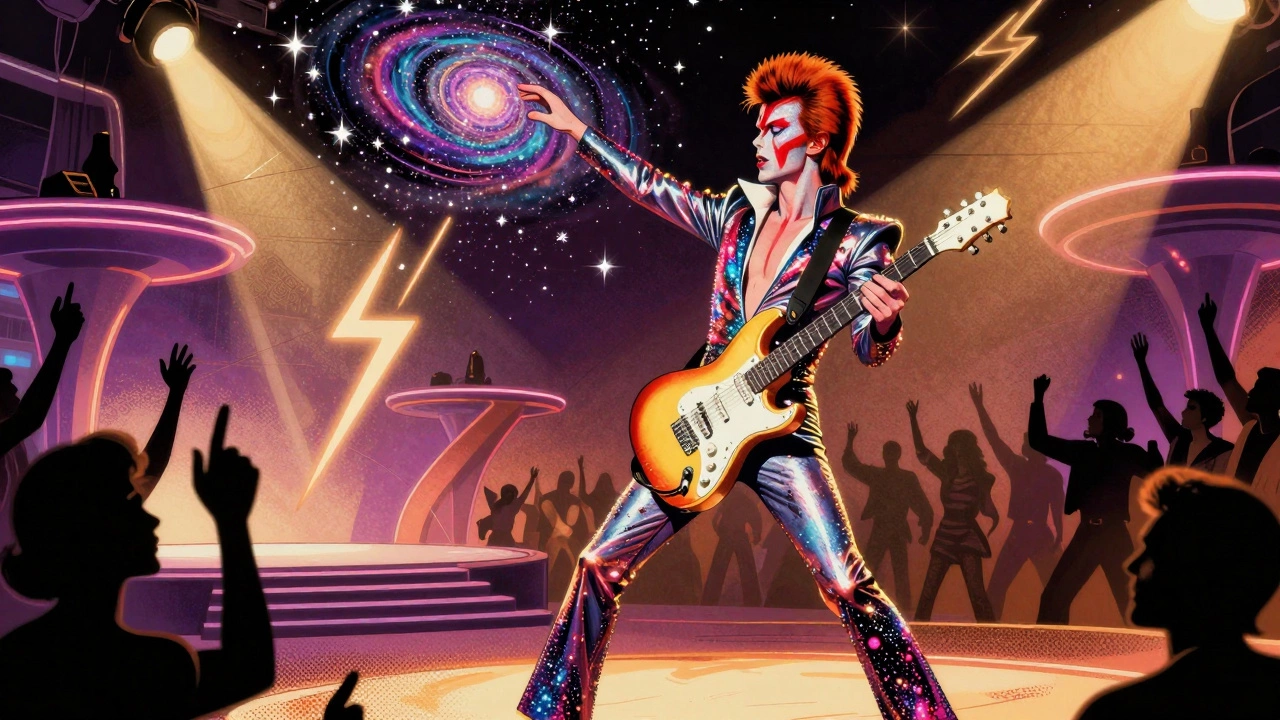

How Glam Rock’s Theatrical Visuals Still Shape Rock Music Today
Glam rock’s bold visuals - glitter, androgyny, and theatricality - didn’t disappear. In 2026, artists like Måneskin and Tash Blake are using its legacy to redefine rock’s look, sound, and identity. This isn’t nostalgia. It’s evolution.
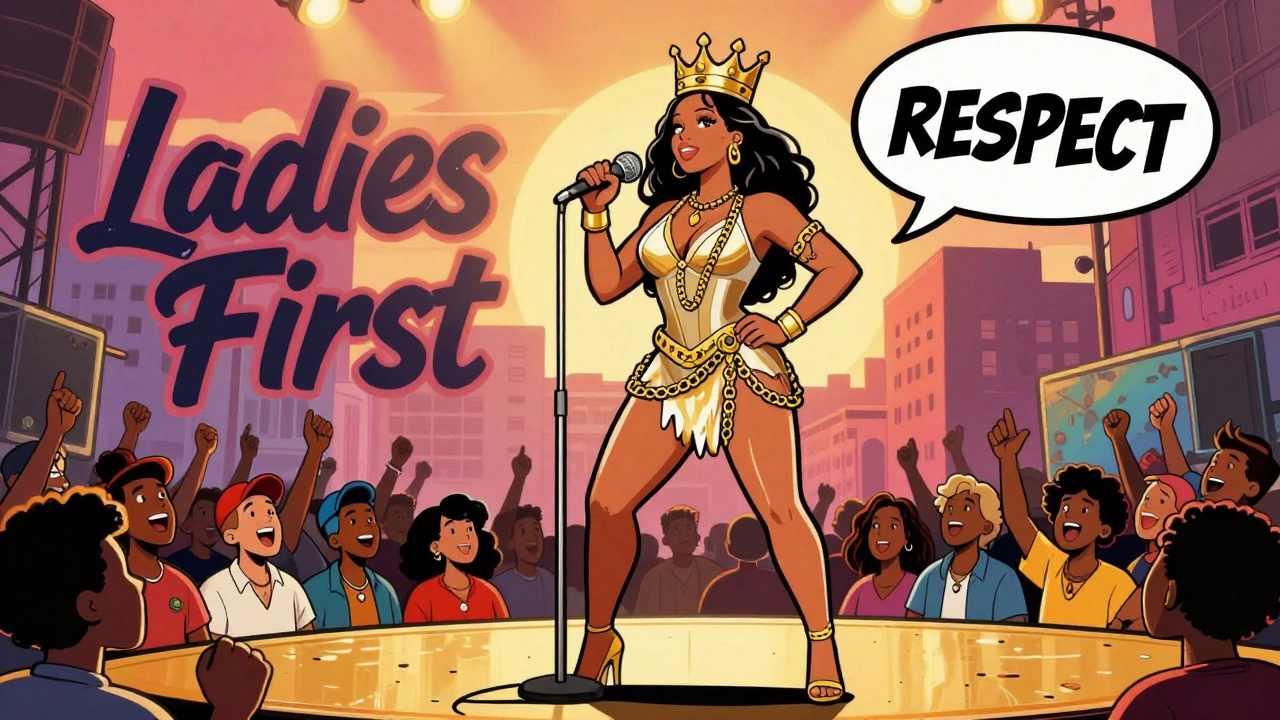

Women in 1990s Hip-Hop: MCs, Producers, and Industry Power
Women in 1990s hip-hop weren't just performers-they were producers, trendsetters, and industry forces. From Salt-N-Pepa to Missy Elliott, these MCs reshaped music, fashion, and culture on their own terms.
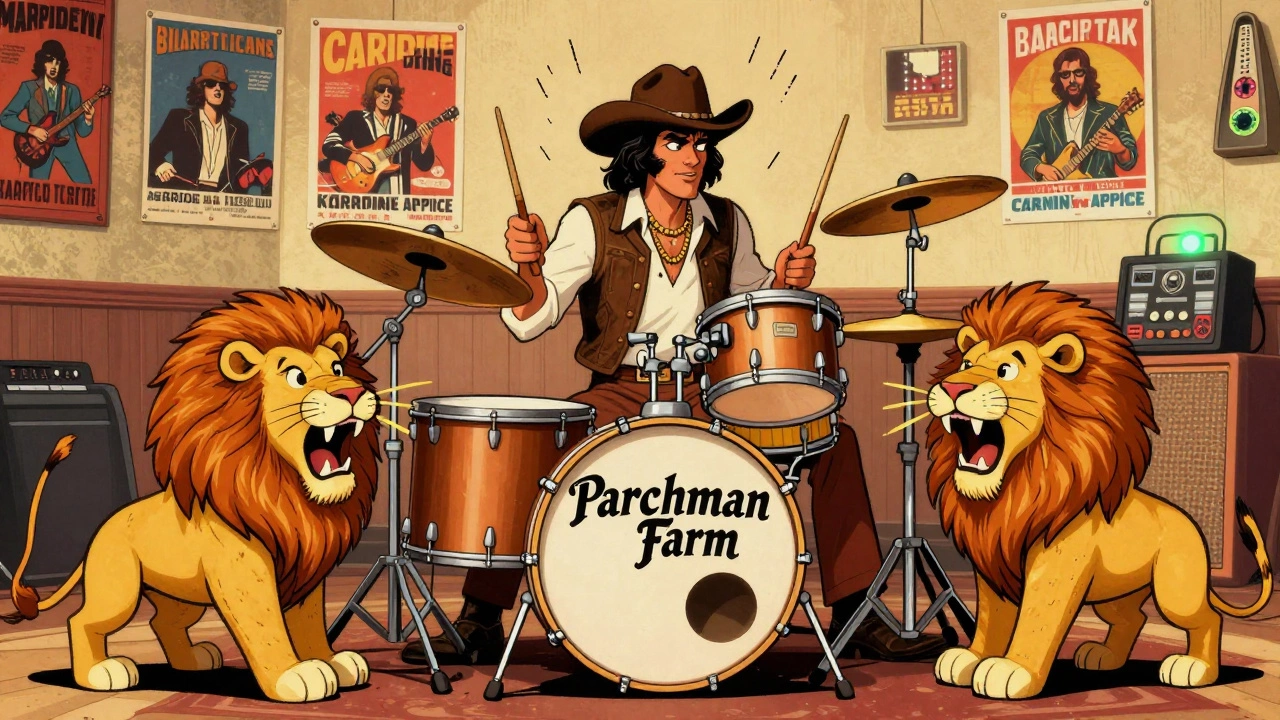

Double-Kick Drumming in 1970s Metal: Technique, Pioneers, and Impact
Double-kick drumming in the 1970s transformed metal from loud rock into a percussive force. Pioneers like Carmine Appice and Billy Cobham turned two bass drums into a rhythmic language that defined the genre’s future.
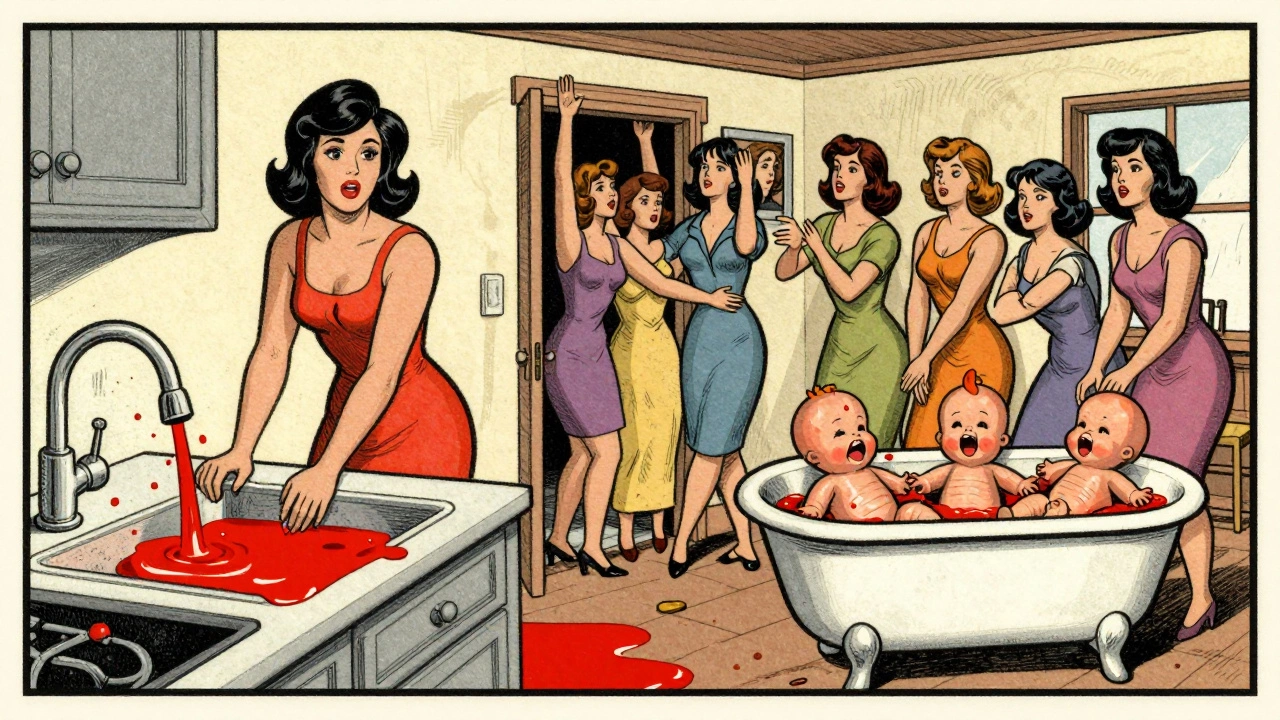

Female Artists' Influence: How 1970s Women Shaped Today's Art Scene
In the 1970s, feminist artists like Judy Chicago, Cindy Sherman, and Barbara Kruger broke barriers by turning art into activism. Their bold work redefined identity, representation, and institutional power-and still shapes today's art world.
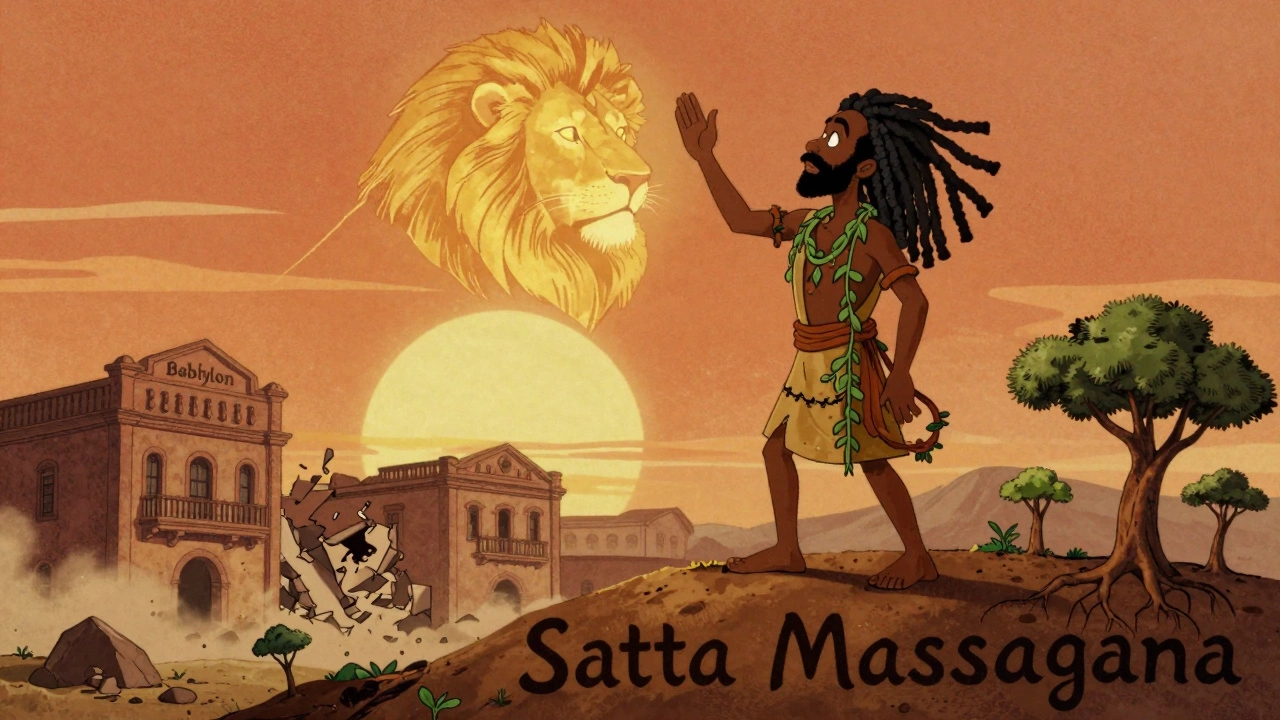
Rastafari Lyrical Themes in Reggae: Spirituality, Resistance, and Repatriation
Rastafari lyrics in reggae music blend spirituality, resistance against oppression, and the call to return to Africa. Rooted in Haile Selassie’s coronation, these themes transformed reggae into a global voice for justice.
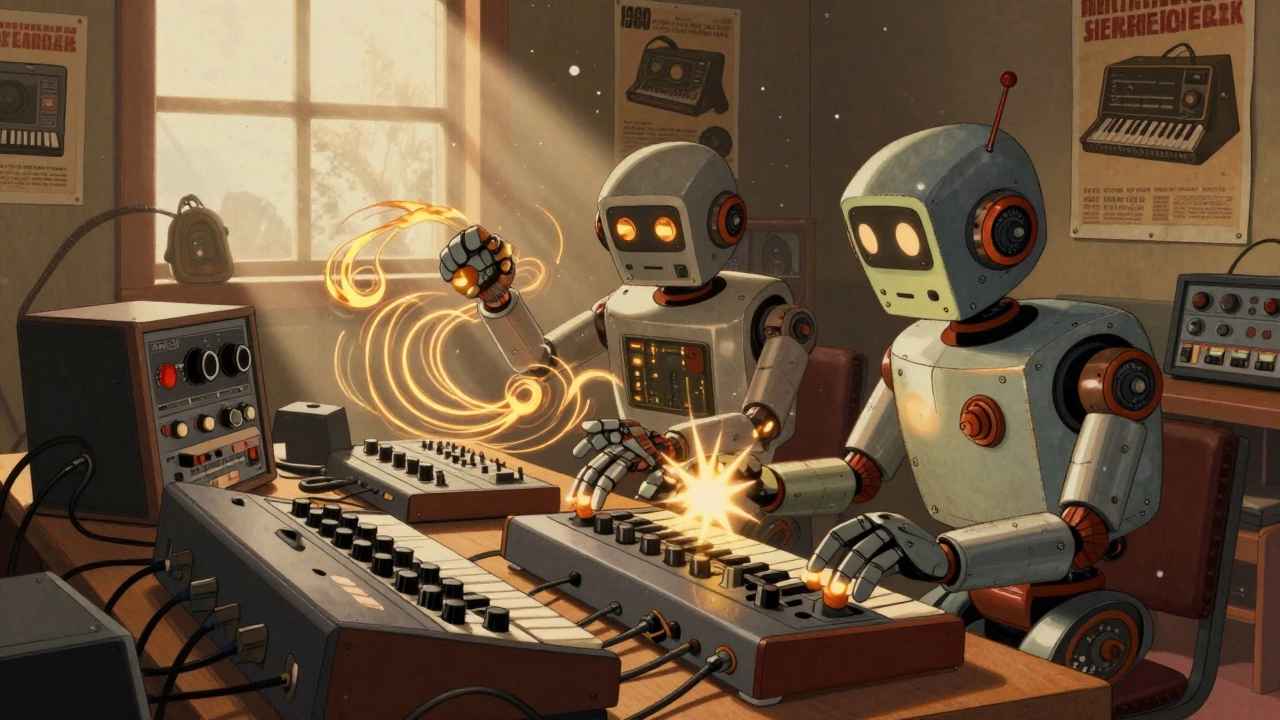

Daft Punk’s Electro-House: How 1980s Synthesizers Built a Musical Legacy
Daft Punk built their iconic electro-house sound using 1980s analog synths like the Juno-106 and TB-303 - not samples or software. Their obsession with hardware reshaped electronic music and sparked a global revival of vintage gear.
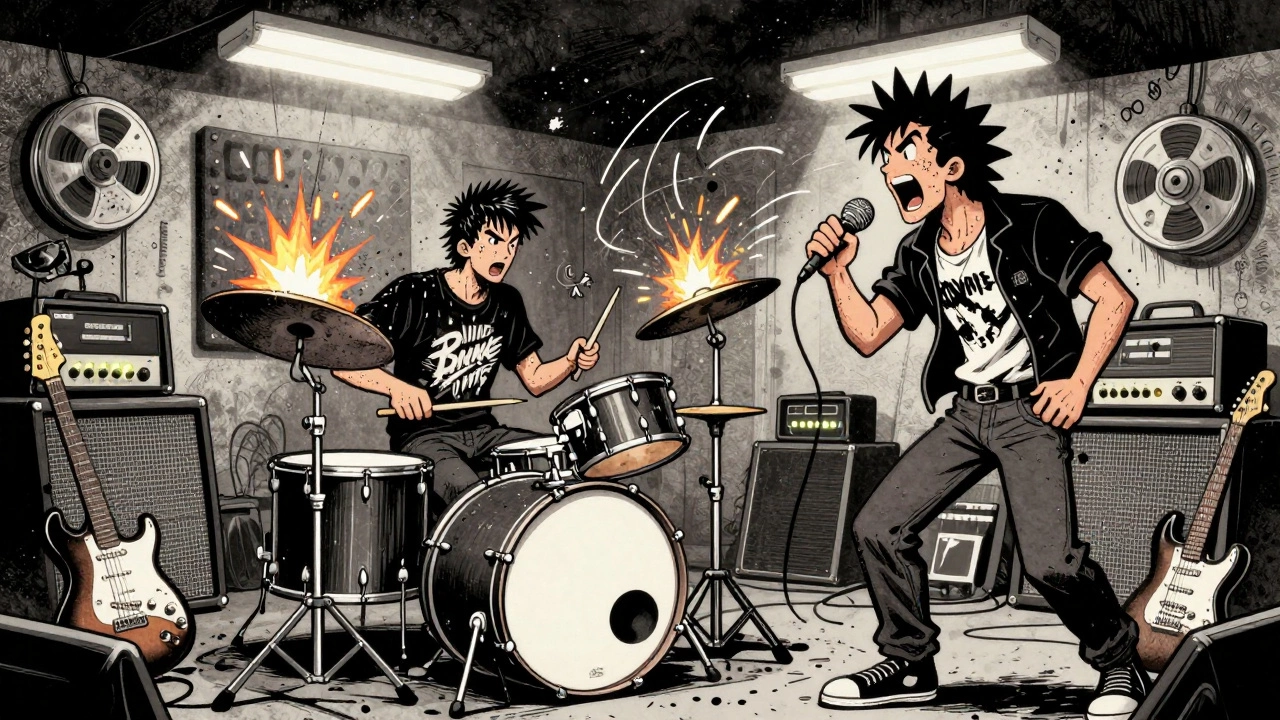

1990s Punk Album Production: Fast Takes, Tight Mixes, Big Drums
The 1990s punk sound was built on fast takes, tight mixes, and big drums-not because it was easy, but because it had to be. This is how bands like NOFX and The Offspring captured raw energy on analog tape, and why it still sounds powerful today.
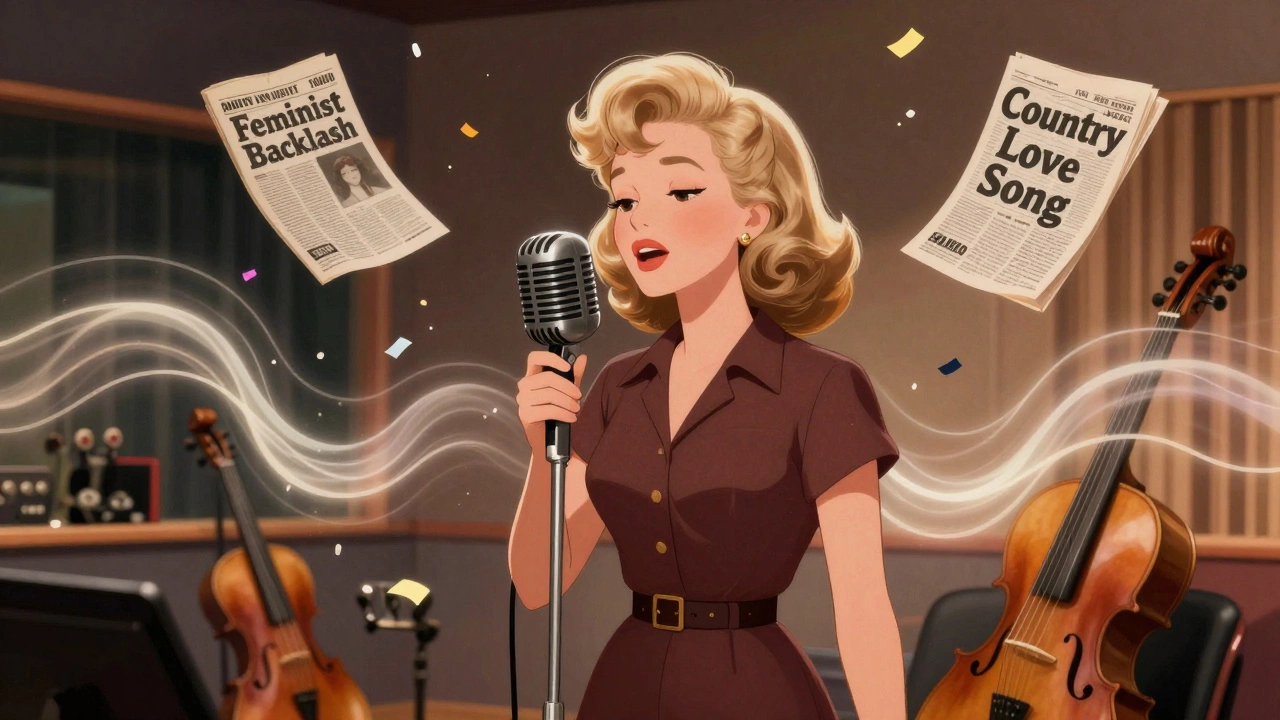
Tammy Wynette's 'Stand by Your Man': Country Tradition, Gender Debates, and a Song That Refused to Fade
Tammy Wynette's 'Stand by Your Man' sparked controversy in 1968 but endured as a complex anthem of love, loyalty, and womanhood. Far from a conservative slogan, it reflected the quiet strength of women navigating flawed relationships-then and now.
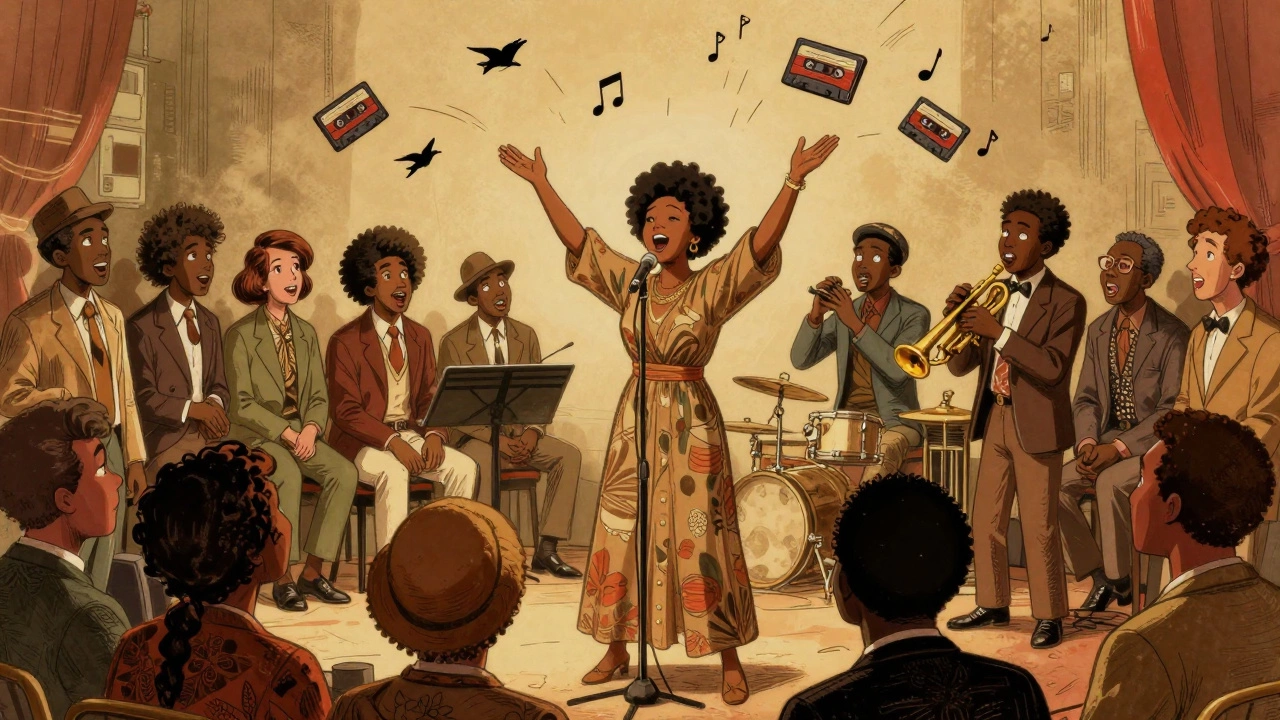

Anti-Apartheid Music: How Songs United the World Against Apartheid in the 1970s
In the 1970s, anti-apartheid music became a global force, uniting exiles, activists, and artists to fight racial oppression. From Miriam Makeba’s exile anthems to Peter Gabriel’s "Biko," songs smuggled in cassettes and broadcast on Radio Freedom turned music into a weapon of resistance.
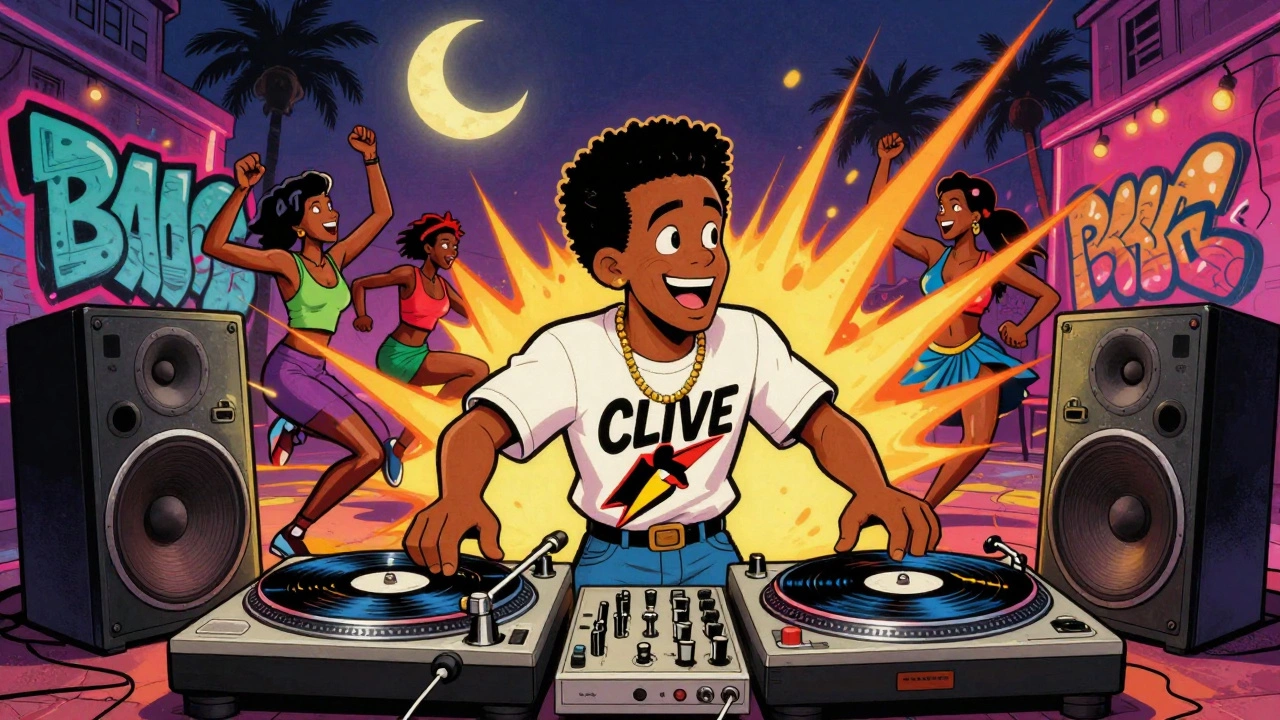

How Jamaican Dancehall Shaped the Birth of Hip-Hop
Hip-hop didn't just borrow from Jamaican dancehall - it was born from it. From Kool Herc's breakbeats to toasting that became rapping, the musical lineage is clear, deep, and still shaping global music today.
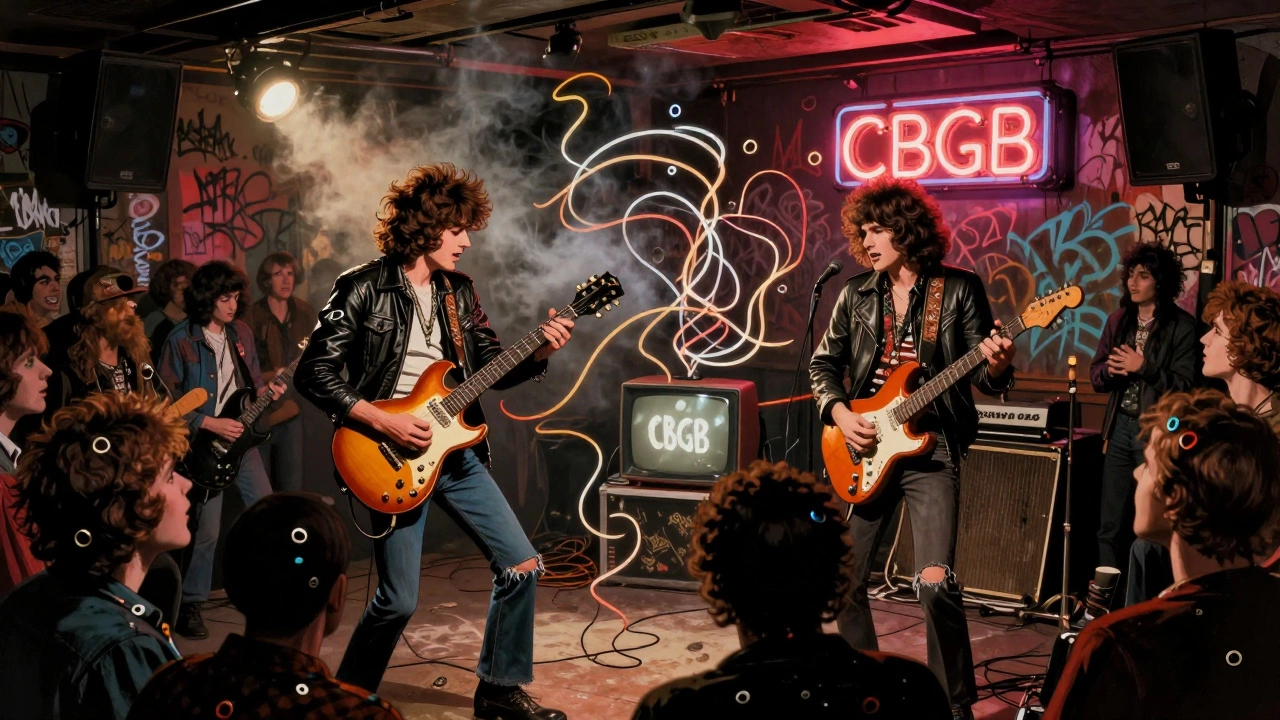
American Art-Punk: Television, Richard Hell, and the New York Experiment That Changed Music
American art-punk emerged from 1970s New York as a raw, poetic, and musically complex rebellion against punk's simplicity. Led by Television and Richard Hell, it blended poetry, avant-garde art, and experimental guitar work to create a sound that still echoes in indie and alternative music today.