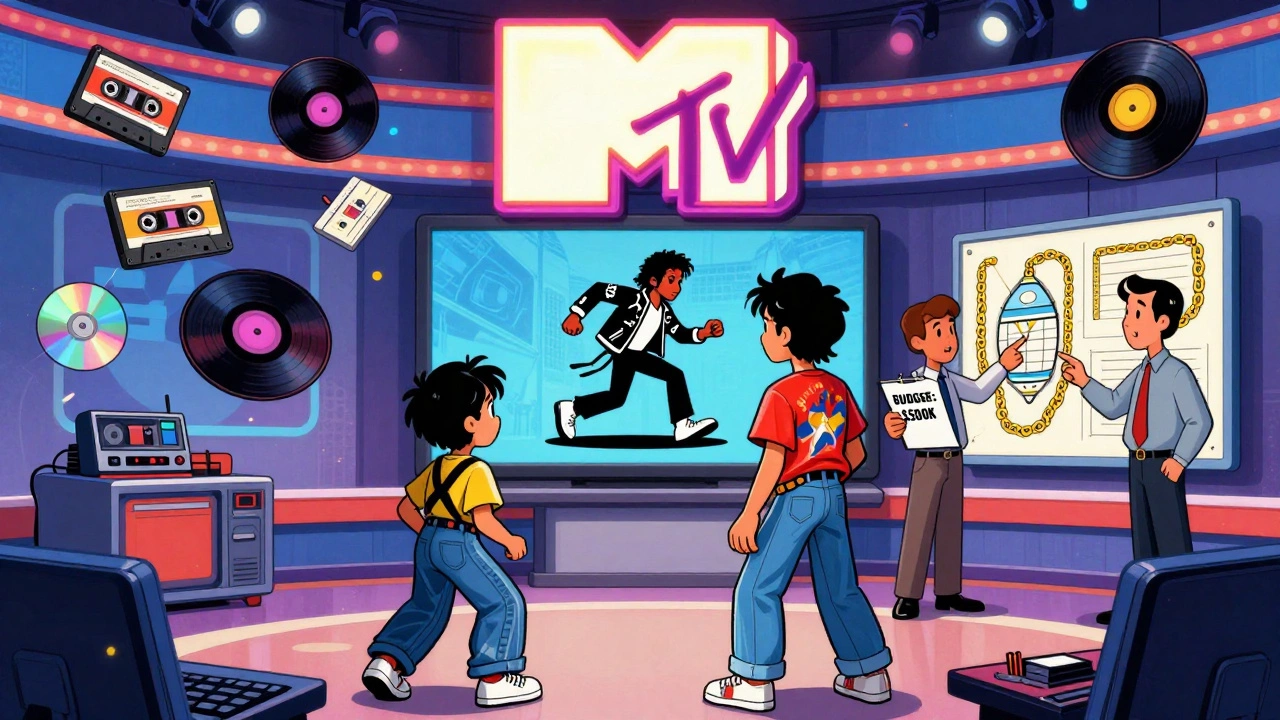

By 1990, if you didn’t have a music video, you didn’t have a career. It wasn’t just a nice-to-have. It was the difference between playing small clubs and selling out arenas. Record labels stopped asking if you wanted a video-they started asking how much you needed. And they meant it. A single music video could make or break an artist’s breakout year. In the 1990s, music videos weren’t just promotional tools. They were the core of marketing strategy, fashion trends, and cultural identity.
The MTV Machine
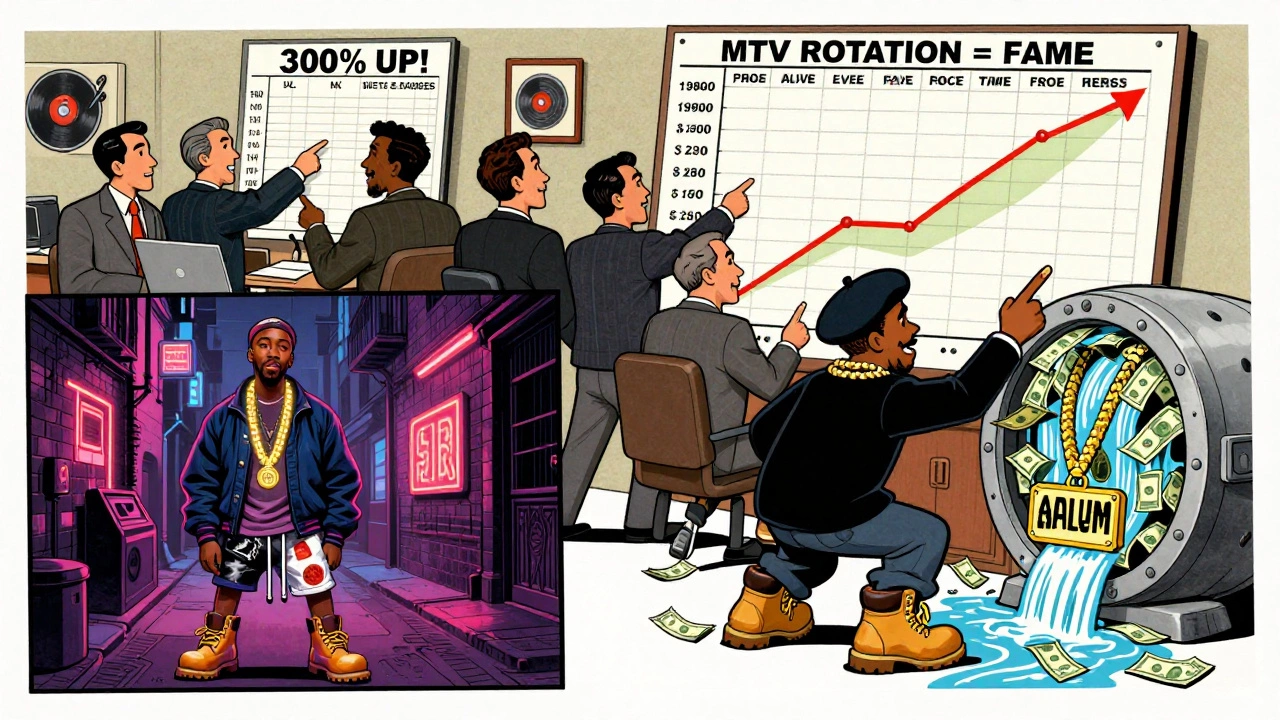
MTV didn’t just play music videos-it controlled who got heard. By 1990, 80% of American teenagers had access to the channel. That meant if your song wasn’t on MTV, you were invisible to the biggest music-buying demographic in history: kids aged 12 to 24. These were the people who spent their allowance on CDs, cassette tapes, and concert tickets. And they weren’t just listening-they were watching. A song with heavy MTV rotation saw sales jump an average of 300% within two weeks, according to Billboard in 1994. No video? You got 65% less radio play and sold 58% fewer units. The numbers didn’t lie.
Before MTV, music videos were afterthoughts. Bands would film something cheap, maybe on a shoestring budget, just to satisfy a label’s checklist. But by the early 90s, labels demanded full concepts-storyboards, costumes, locations, even choreography. It wasn’t enough to just sing into a camera. You had to tell a story. You had to look like someone people wanted to follow.
Budgets That Changed Everything
Record labels started spending like there was no tomorrow. In the early 90s, a typical high-profile video cost between $250,000 and $500,000. By mid-decade, for artists like Madonna, Michael Jackson, or Tupac, those numbers hit $1 million or more. That’s not a typo. One video. For a single song. And they weren’t just spending money-they were investing in legacy.
Michael Jackson’s Thriller in 1983 was the wake-up call. CBS Records threatened to pull all their artists from MTV unless they aired it. MTV gave in. That video didn’t just break racial barriers-it proved that a music video could be a cultural event. By the 90s, every label had learned the lesson: if you wanted to sell records, you needed to make people stop scrolling, stop changing the channel, and just watch.
DIRECTORS AS BRAND BUILDERS
It wasn’t just the artists who became stars. The directors did too. Spike Jonze turned Weezer’s Buddy Holly into a time-traveling sitcom mashup that won four MTV Video Music Awards. Hype Williams turned Missy Elliott’s The Rain (Supa Dupa Fly) into a surreal fashion moment with her floating in an inflatable suit. These weren’t just videos-they were visual signatures. Fans didn’t just recognize the song. They recognized the look.
By 1993, labels started requiring video treatments alongside album demos. If your concept didn’t stand out visually, you didn’t get the green light. Directors became creative partners, not hired hands. Their style became part of the artist’s brand. You didn’t just hire a director-you hired a visual identity.
Hip-Hop and the Rise of Street Culture
Hip-hop videos didn’t just promote songs-they sold lifestyles. Run-D.M.C.’s 1986 Walk This Way video didn’t just feature Adidas tracksuits-it made them a must-have. Adidas sales jumped 400% overnight. By the 90s, Tupac and The Notorious B.I.G. weren’t just rapping about the streets-they were showing them. Their videos featured gold chains, Timberlands, and oversized jackets that became the uniform of a generation.
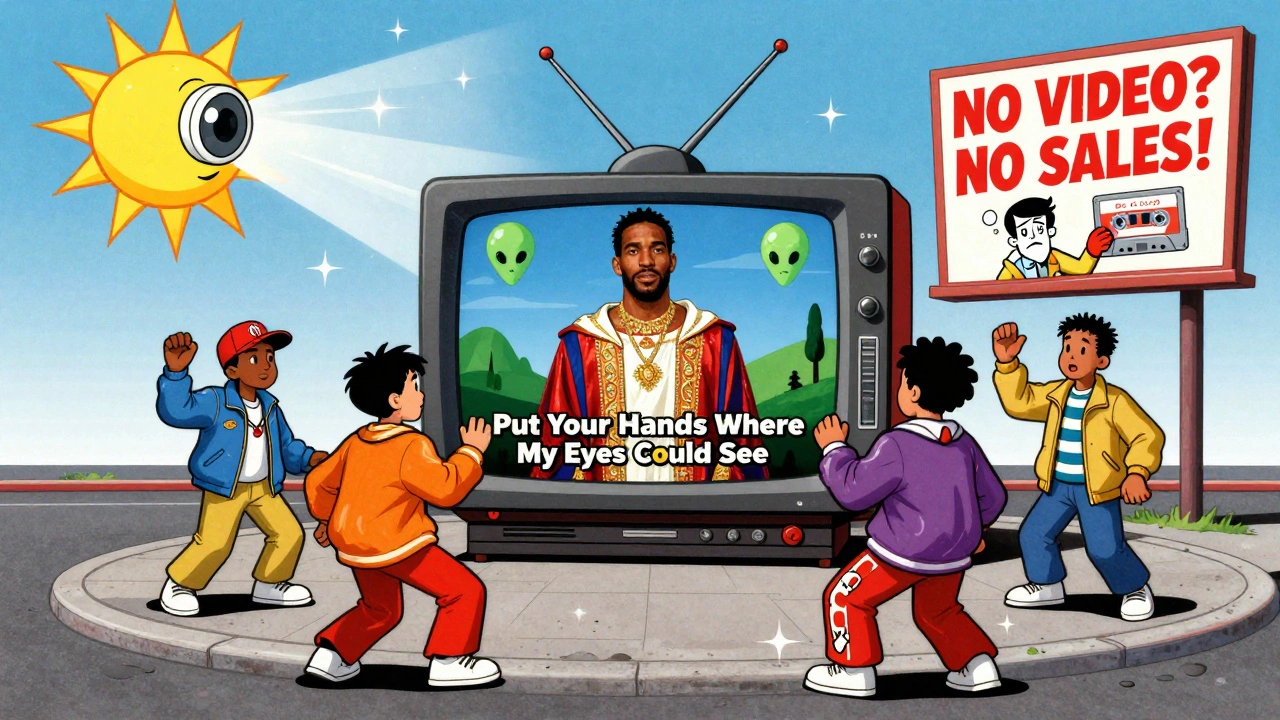
MC Hammer’s U Can’t Touch This turned his hammer pants into a global phenomenon. Busta Rhymes’ 1997 video for Put Your Hands Where My Eyes Could See looked like a movie from Coming to America-complete with royal robes and alien landscapes. It wasn’t just music. It was cinema. And it worked. Those videos didn’t just get played on MTV-they got talked about on the news, in schools, and on the street.
Technology Meets Marketing
By the late 90s, artists started using new tech to push boundaries. Jennifer Lopez’s debut single, If You Had My Love, used early webcam visuals to tap into the internet’s rising popularity. It was one of the first times a major artist made the digital world part of their visual story. That wasn’t accidental. Labels were watching what worked and copying it fast.
By 1997, 78% of major label artists released at least three videos per album cycle. In 1990, that number was 42%. The arms race was real. You couldn’t just do one video. You had to do the single, the remix, the live version, the behind-the-scenes feature. Every angle had to be covered. And every video had to look different enough to feel fresh.
The Legacy That Still Runs Today
Today, YouTube replaced MTV. TikTok replaced the music channel. But the rule hasn’t changed: if you don’t have a strong visual, you don’t have a chance. Spotify’s 2023 data shows songs with compelling videos get 278% more streams than those without. Psy’s Gangnam Style went viral because it looked unlike anything else. Justin Bieber’s Baby took off because the video felt personal, real, and shareable.
The 1990s taught us that music isn’t just heard-it’s seen. The best artists didn’t just make songs. They made moments. A video could turn a singer into a style icon, a rapper into a cultural force, a band into a movement. That’s why every artist today still starts with the same question: What does this look like?
The answer still determines if you get heard-or lost in the noise.


