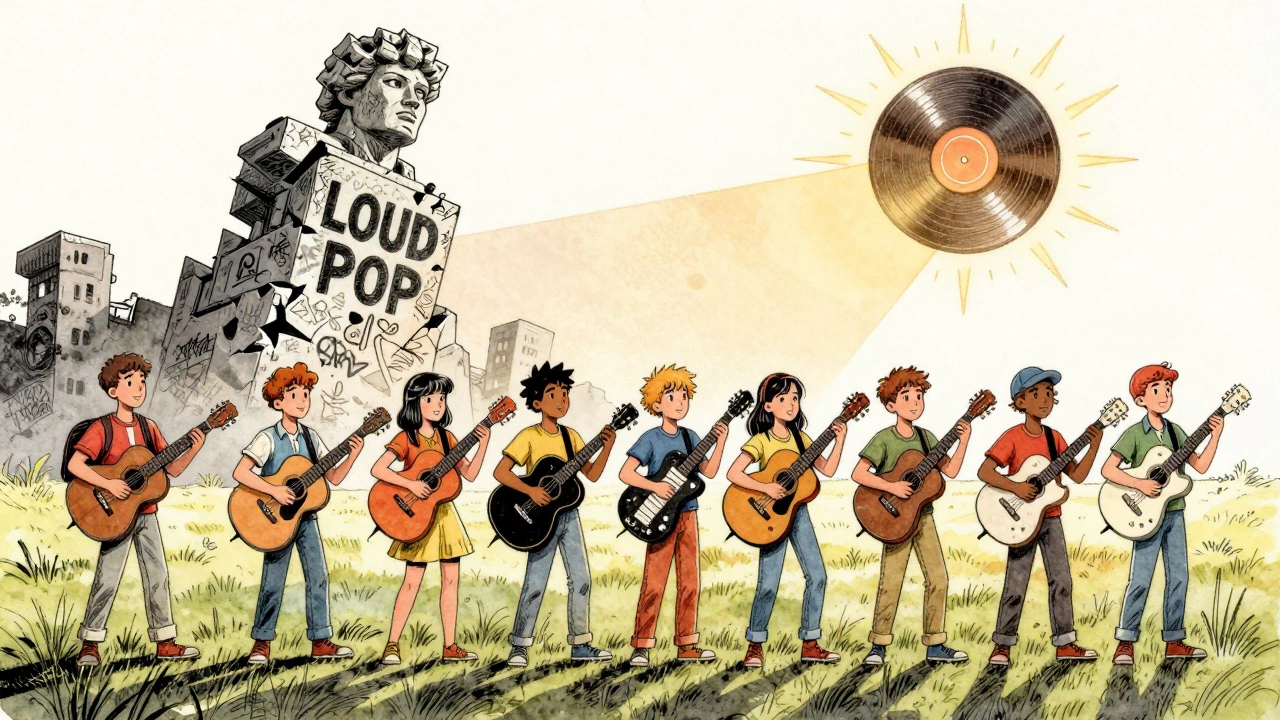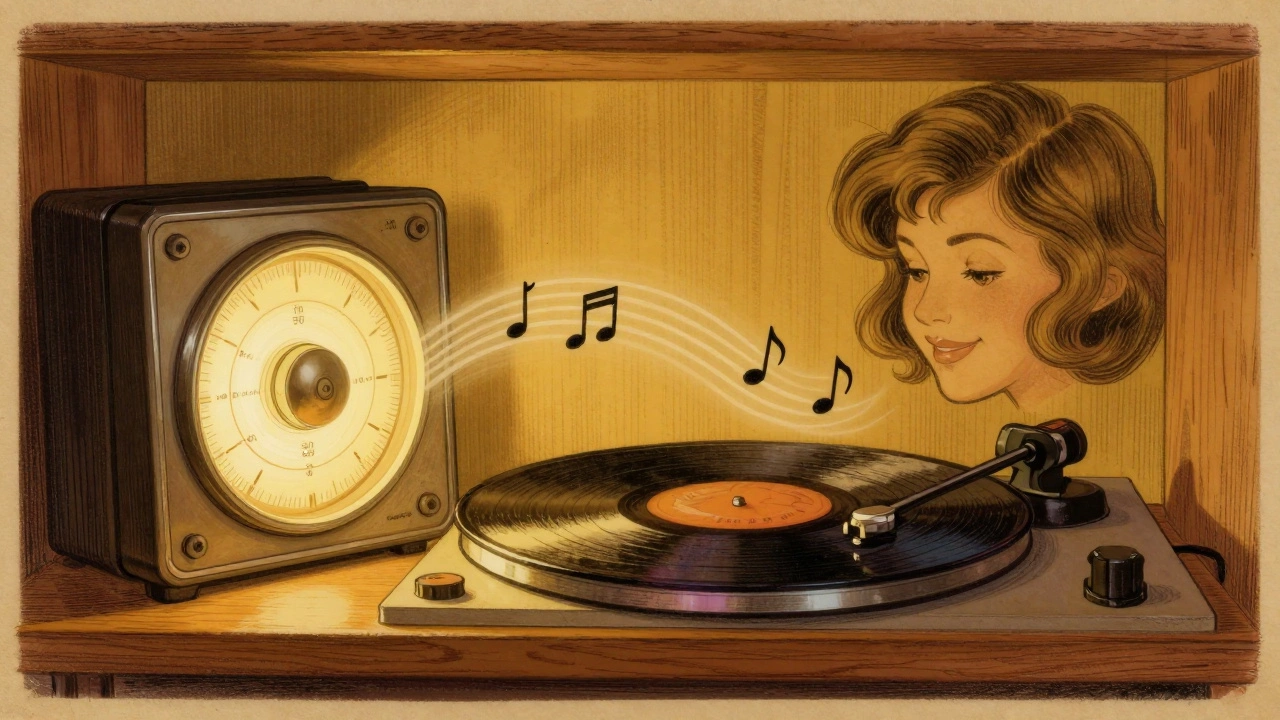

Soft rock doesn’t sound like it should still matter. It’s the kind of music you hear in dentist offices, late-night radio shows, or your parent’s playlist. But here’s the truth: if you’ve ever been moved by a pop song that felt warm, quiet, and deeply felt - not loud or flashy, but quietly powerful - you’re listening to soft rock’s legacy.
The Sound That Got Ignored
In the 1970s, soft rock ruled the charts. Carole King’s It’s Too Late sat at No. 1. Gordon Lightfoot’s Sundown topped both pop and adult contemporary charts. England Dan & John Ford Coley had a string of hits with melodies that stuck like honey. But critics called it bland. Radio stations labeled it “elevator music.” Rock purists dismissed it as weak - too smooth, too polite, too safe. Here’s what they missed: soft rock was technically brilliant. It didn’t rely on power chords or screaming guitars. Instead, it used jazz-influenced chords, subtle dynamics, and layered harmonies that took years to master. Carole King’s piano on Tapestry didn’t just accompany her voice - it conversed with it. The chord changes didn’t follow pop formulas. They bent, slipped, and resolved in ways that felt like emotional whispers.How Soft Rock Built the Blueprint for Today’s Pop
Modern pop doesn’t sound like 1977. But if you listen closely, you’ll hear soft rock everywhere. Take Benson Boone’s Beautiful Things. That gentle piano, the restrained vocal delivery, the way the chorus swells without exploding - that’s soft rock DNA. No distorted guitars. No autotune screams. Just a voice, a piano, and space to breathe. That’s the same space Carole King left in It’s Too Late. Phoebe Bridgers’ Motion Sickness? The quiet guitar plucking, the emotional restraint, the way the lyrics land like confessions - that’s straight out of Bread or The Carpenters. Even Clairo’s Sofia uses the same production tricks: minimal drums, warm analog tones, vocals recorded like someone’s talking to you in a dimly lit room. The difference? Today’s artists have access to better tools. They layer synths under acoustic guitars. They blend vinyl crackle with digital reverb. But the core? Still soft rock. The goal hasn’t changed: make the listener feel something without shouting.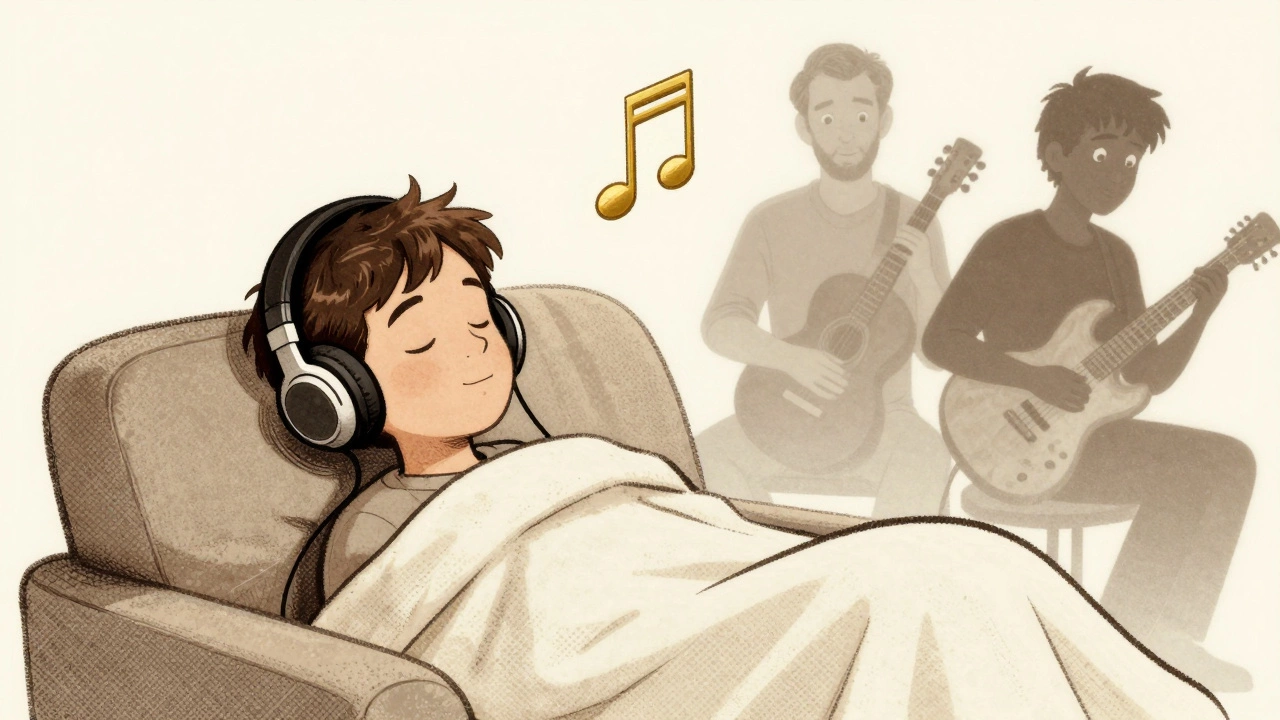
The Forgotten Architects
Most people know John Lennon or Bruce Springsteen. Few know how much softer artists shaped today’s sound. Gordon Lightfoot’s Sundown didn’t just top charts - it proved a song could be both simple and complex. The bassline walks like a slow heartbeat. The guitar picks out chords that don’t resolve how you expect. That’s jazz harmony in a pop song - something most modern producers still can’t replicate. The Bee Gees’ How Deep Is Your Love? People think of it as disco. But listen to the chord progression. The way the harmony shifts between major and minor, the gentle falsetto that never pushes too hard - that’s soft rock in disguise. It’s the same technique used in today’s indie pop hits by artists like Noah Kahan. And then there’s Carole King. Her 1971 album Tapestry sold over 25 million copies. It wasn’t just a hit - it was a masterclass in emotional storytelling through music. Today, songwriters like Olivia Rodrigo cite her as a blueprint. Not for the big notes, but for the quiet ones.Why It’s Coming Back
In 2025, Spotify reported a 47% year-over-year increase in streams of soft rock among listeners aged 18-24. Why? Because Gen Z is tired of noise. TikTok trends demand instant impact. But after years of hyper-produced pop, people are craving depth. They want songs that don’t scream for attention - songs that wait for you to lean in. Reddit threads like “Why is soft rock so unfairly maligned?” have thousands of upvotes. Young musicians are studying Carole King’s chord voicings. Producers are digging out old 1970s tape machines. Studios in Portland, Nashville, and Brooklyn are re-recording demos with analog gear - not because it’s trendy, but because it sounds more human. The genre’s revival isn’t nostalgia. It’s recognition. Soft rock wasn’t weak. It was patient. It trusted the listener to feel without being told how.