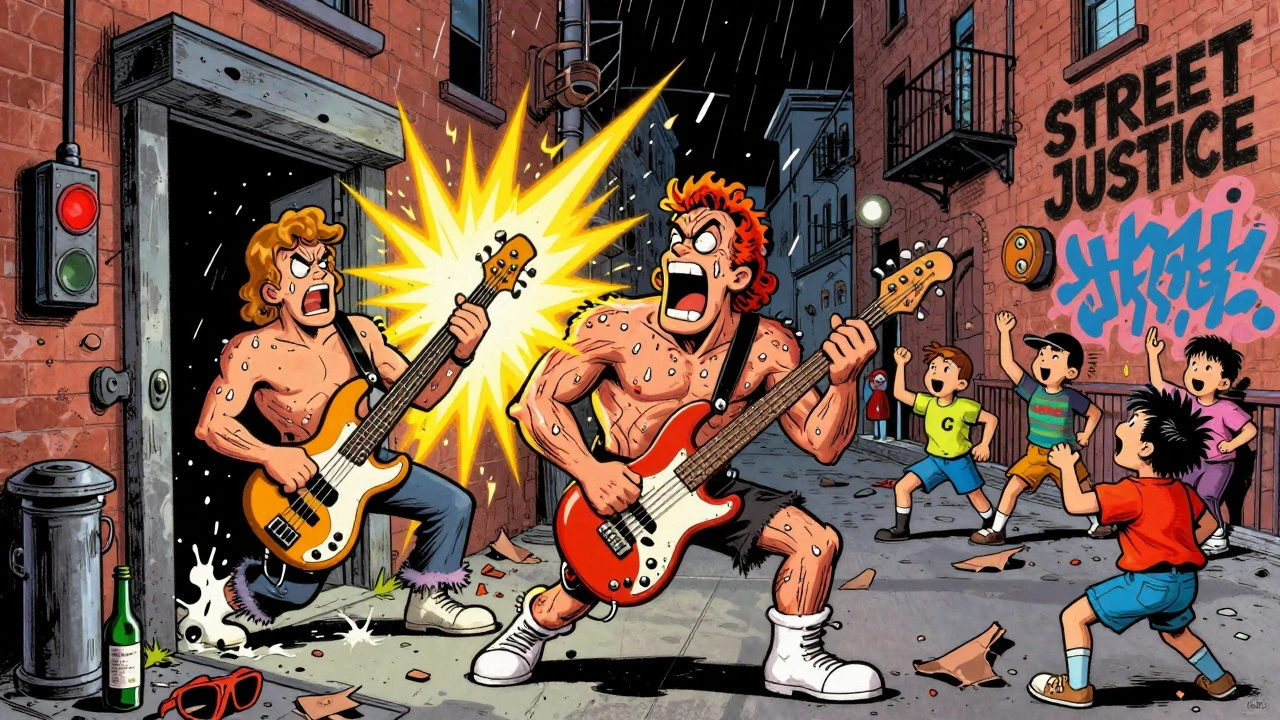

The Sound of NYC Streets in 1986
Before there was metalcore, before there were breakdowns in mainstream metal, there was The Age of Quarrel. Released in September 1986, this album didn’t just drop-it exploded out of the cracked sidewalks of New York City, where gangs, police raids, and underground shows shaped a new kind of rage. Cro-Mags took the raw speed of hardcore punk and smashed it into the heavy, chugging riffs of thrash metal. No one had done it like this before. No one had made it feel so real.
Harley Flanagan, just 20 years old, had been drumming since he was 11. He didn’t want to be a musician-he wanted to survive. His basslines weren’t fancy. They were like fists hitting concrete: direct, relentless, and punishing. John Joseph’s voice? It wasn’t singing. It was screaming through a broken jaw, full of sarcasm and street wisdom. And Parris Mayhew’s guitar? It didn’t solo. It attacked. Every riff felt like a boot to the ribs.
Why This Album Changed Everything
Back in 1986, hardcore punk was still mostly about fast, short songs with shouted politics. Bands like Agnostic Front kept it raw, but they didn’t bring in the metal. D.R.I. and Suicidal Tendencies were mixing in metal elements, but their records felt like experiments. Cro-Mags made it feel inevitable.
The Age of Quarrel had 15 tracks in just 33 minutes. No filler. No ballads. No pretense. Every song was built for the pit. “We Gotta Know” opens with a bass drum pattern that sounds like a heartbeat after a fight. “Show You No Mercy” doesn’t ask for anything-it demands it. “Street Justice” is the anthem for anyone who’s ever been pushed too far. These weren’t songs. They were warnings.
The production didn’t smooth out the edges. It didn’t try to sound polished. The drums were loud. The bass was thick. The guitars were distorted but clear enough to hear every note. That’s what made it stand out. It wasn’t a studio trick. It was the sound of a band playing in a basement with no fear, no budget, and no plan to stop.
The Blueprint for Crossover Thrash
Crossover thrash didn’t exist as a genre until this album came out. After The Age of Quarrel, bands everywhere started trying to copy it. But no one got it right. Why? Because Cro-Mags didn’t just mix two genres-they fused them into something new.
Compare it to Corrosion of Conformity’s early work. They had metal riffs, but their songs still felt like punk. Cro-Mags made metal feel like punk. The breakdowns in “Hard Times” and “Seekers of the Truth” weren’t just pauses-they were moments of pure tension. You could feel the crowd holding its breath before the next crash.
Modern metalcore bands still use these templates. Trivium’s Matt Heafy said it plainly: “Every breakdown in modern metalcore traces back to Cro-Mags’ basslines on The Age of Quarrel.” That’s not hype. That’s fact. Bands like Lamb of God, Every Time I Die, and even early Killswitch Engage owe something to this record. It’s the DNA of a whole subgenre.
What the Critics and Fans Say
Encyclopaedia Metallum called it “doubtless one of the cornerstones of the NYC hardcore sound.” RateYourMusic users gave it a 3.89 out of 5-over 12,000 ratings, and still climbing. Reddit’s r/punk threads still pop up every month with someone saying, “I heard this for the first time and I had to go punch a wall.”
It’s not just fans. Henry Rollins, Flea from Red Hot Chili Peppers, and Ice-T all showed up in the documentary Harley Flanagan: Wired For Chaos to say the same thing: this album changed how they thought about music. It wasn’t just noise. It was truth.
Even today, when you play “World Peace” in a punk bar, the whole room goes silent for a second. Then the mosh pit opens up. That’s power. That’s legacy.
How to Experience It Today
You can stream The Age of Quarrel on Spotify, Apple Music, or Bandcamp. But if you want to feel it, you need to hear it the way it was meant to be heard: on vinyl.
Original 1986 Profile Records pressings are rare. On Discogs, they sell for $300 or more. But you don’t need the original. The 2002 Victory Records remaster is the most recommended version-cleaner sound, same energy. Newbury Comics sells a limited color vinyl for $32.99. Music Mania offers it in Europe for €34.95. Both are worth it.
There’s also a re-recording coming in 2026. Harley Flanagan, after years of legal battles over royalties, decided to re-record the whole album himself. He’s got a deeper voice now. The production is tighter. But he’s keeping the same rage. “It’s like Age of Quarrel meets Best Wishes,” he said in a 2025 Q&A. That’s not nostalgia. That’s resurrection.
Why It Still Matters
It’s 2026. The world is different. But the rage hasn’t changed. People still feel trapped. Still feel ignored. Still feel like they have to fight just to be heard.
The Age of Quarrel wasn’t made for charts. It wasn’t made for radio. It was made for the kids in the back alleys, the ones with no future, no money, no voice. And it gave them one.
It’s not just a classic. It’s a weapon. And it’s still loaded.
Key Tracks to Start With
- “We Gotta Know” - The opener. Fast, simple, unforgettable. The bassline alone is worth the price of admission.
- “World Peace” - A hardcore epic. Slows down just enough to make you feel the weight of every word.
- “Show You No Mercy” - Pure aggression. No intro. No warning. Just chaos.
- “Street Justice” - The anthem of the streets. If you’ve ever been wronged, this song is your reply.
- “Hard Times” - The breakdown here is the reason metalcore exists today.
What to Avoid
Don’t expect this to be background music. Don’t play it while you’re working or cooking. This album doesn’t fade into the background. It demands your attention. It wants you to move. To scream. To fight.
Also, don’t confuse the original with later Cro-Mags albums. Best Wishes (1989) is great-but it’s different. More polished. Less dangerous. The Age of Quarrel is the moment the band was still raw, still real, still dangerous.


