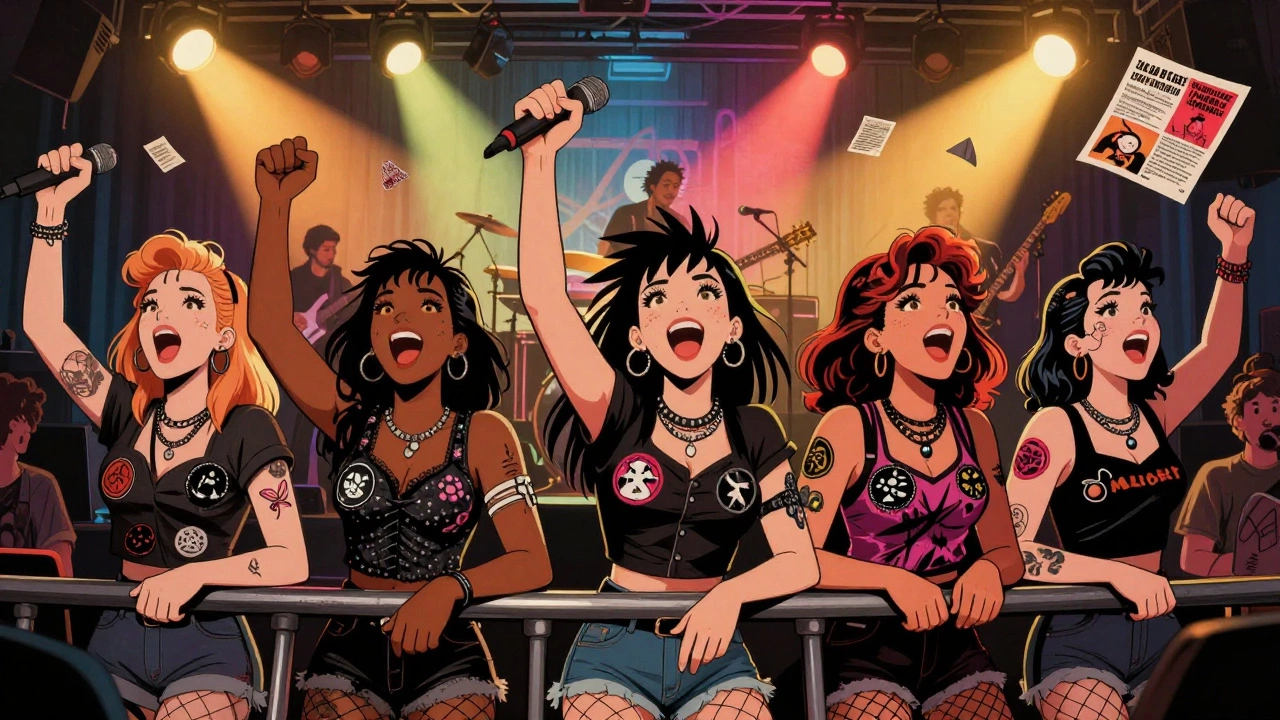

Women aren’t just listening to music-they’re keeping the industry alive. While male artists still dominate headlines and festival lineups, it’s the women in the crowd who are buying the tickets, driving the sales, and building the communities that make music matter. From punk shows to metal mosh pits, female fans are everywhere-and they’re not going away.
They’re Not Just Groupies
For decades, female fans were dismissed as ‘hysterical’ or ‘obsessed,’ reduced to screaming at boybands or swooning over guitarists. But that stereotype doesn’t hold up anymore. Research from Sheffield Hallam University, which tracked women’s involvement in live music scenes from 1996 to 2006, found that female fans aren’t just emotionally reactive-they’re strategically engaged. They learn setlists, memorize album tracks, and defend their favorite artists with the same depth as any longtime listener. The question isn’t ‘Do you know their albums?’-it’s ‘Why do you still act like women don’t care enough to know?’One fan, Tyson, who’s followed the band Metric for over a decade, says, ‘My taste in music is a shorthand for who I am.’ That’s not fandom. That’s identity. And it’s shared by millions.
The Numbers Don’t Lie
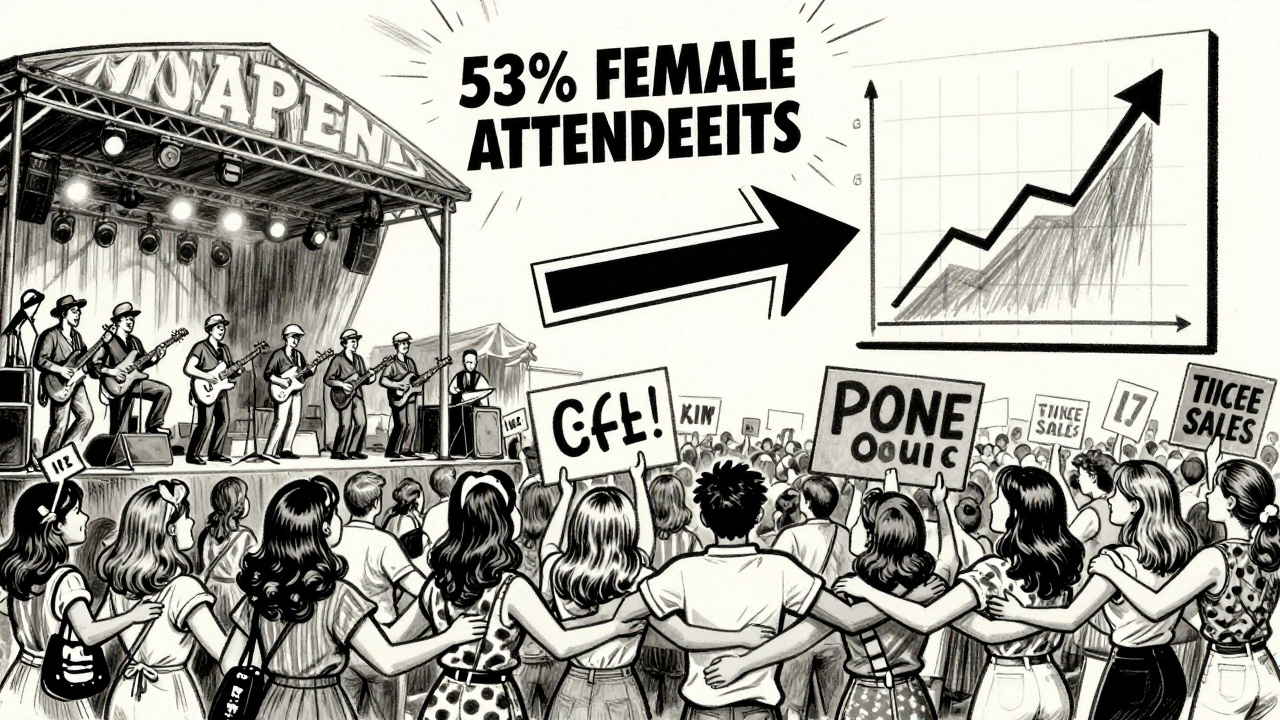
Luminate Data’s 2023 report showed something simple but startling: women spend 5% more per month on live music than the average listener. Men? They spend 7% less. That’s not a fluke. It’s a pattern. Women are showing up-rain or shine, budget stretched or not-because live music isn’t just entertainment. It’s connection.Even in genres built around male-dominated imagery, women are the majority. Warped Tour, a festival known for its all-male lineup, draws 53% female attendees. Vice Media’s Noisey blog found that most of their metal and rock fans aged 18-34 are women. And yet, when you look at who’s on stage, who’s writing the songs, or who’s producing the records, the numbers drop hard. In 2024, women made up just 18.9% of credited songwriters across popular charts. That’s up from 11% in 2012, but it’s still a fraction. And for women of color? The gap widened. In 2023, 64.9% of women on the charts were women of color. In 2024? It dropped to 40.8%.
Why Are They Judged So Harshly?
There’s a reason women get called ‘too emotional’ or ‘too intense’ when they talk about music. Society has spent years pathologizing female passion. Dr. Briony Hannell, a sociologist at Sheffield University, says teen girls are seen as ‘too much’-too loud, too invested, too expressive. Meanwhile, boys are praised for being ‘dedicated fans.’This bias isn’t just about gender-it’s tied to deeper cultural rules. A 2021 study in the Journal of Student Research found women were more critical of male artists who were seen as ‘unserious’ or ‘toxic,’ not because they didn’t like the music, but because those artists mirrored societal pressures placed on women. When a male artist is called out for objectifying women or acting entitled, female fans don’t just disagree-they feel personally attacked. Their criticism isn’t about the music. It’s about the world that made that music possible.
Music as Community
For many women, concerts aren’t just events-they’re safe spaces. Queues before shows become places to talk, bond, and find people who get it. One fan described how her first punk show at 16 changed her life: ‘I didn’t know anyone else who listened to this. But standing there, surrounded by girls in ripped fishnets and DIY patches, I felt like I finally belonged.’That sense of belonging extends beyond the venue. Fans create art inspired by lyrics-paintings, tattoos, handmade zines. They start fan clubs, organize charity drives in their favorite artist’s name, and turn concert footage into TikTok poetry. Music isn’t just something they listen to. It’s something they build with.
Generations of Fans
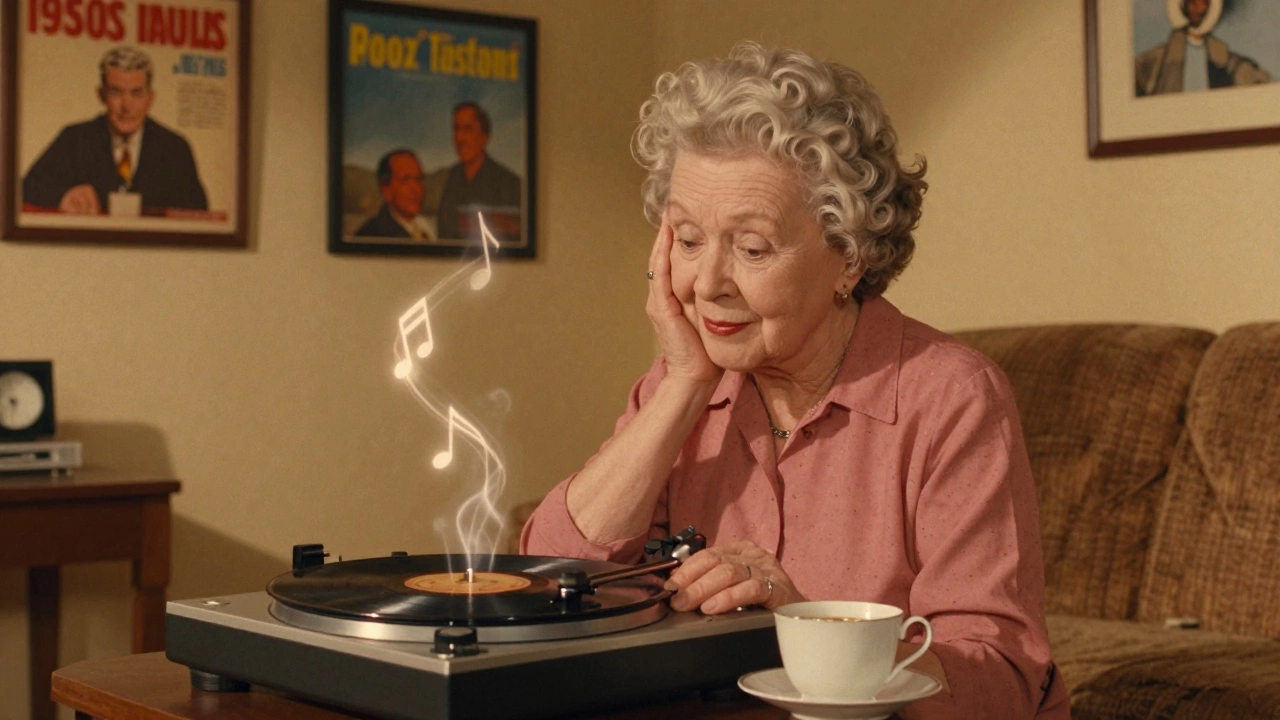
Female fandom isn’t just for teenagers. Carrie Harding, a 65-year-old fan from Oregon, still listens to the same 1950s and ’60s records her older siblings played growing up. ‘I didn’t choose those songs,’ she says. ‘They chose me.’ Her connection to music spans decades, shaped by family, loss, and the quiet comfort of familiar melodies. She doesn’t go to festivals. She doesn’t follow Instagram trends. But she knows every note of every album her favorite singer ever made.That’s the thing about female fandom-it doesn’t fit a mold. It’s not one type of person. It’s grandmothers, teens, queer fans, mothers, artists, workers, students. It’s all of them, together.
The Industry Is Starting to Notice
The #MeToo movement forced the music industry to confront its toxic patterns. More women are speaking up-not just about abuse, but about how they’re treated as consumers. Labels are realizing that dismissing female fans as ‘just fans’ is bad business. Artists like Hayley Williams of Paramore didn’t just grow up on stage-they grew with their fans. And those fans, many of them girls who felt invisible, watched her become a symbol of strength.One industry insider put it bluntly: ‘Female fans don’t act ‘too cool.’ They like you, and they tell you. Which is *sick.*’ They don’t just stream a song once-they buy merch, show up at every tour stop, and convince their friends to do the same. They’re not passive listeners. They’re evangelists.
What’s Next?
The future of music depends on recognizing this truth: female fans aren’t a niche market. They’re the backbone. And until the industry stops treating them as side characters and starts seeing them as central forces, artists will keep struggling to make a living. Live shows need to be designed with women in mind-better lighting, safer spaces, affordable ticket tiers, and real inclusion behind the scenes.Maybe the next big breakout artist won’t be the one with the biggest ad budget. Maybe they’ll be the one whose fans show up in droves-not because they’re told to, but because they choose to. Because they’ve been waiting for someone who sounds like them.
Why do female fans get labeled as ‘groupies’ even when they know the music inside out?
The label ‘groupie’ is a relic of outdated gender norms that reduce women’s emotional investment in music to sexual attention. Women who deeply engage with lyrics, album history, or live performances are often dismissed as ‘obsessed’ instead of being recognized as knowledgeable fans. This stereotype ignores decades of research showing that female fandom is complex, thoughtful, and culturally significant-not just about attraction.
Are female fans only into pop music?
No. While pop has historically been stereotyped as ‘for girls,’ women are the largest demographic in metal, punk, rock, and indie scenes. Data from Noisey and festival attendance records show that women make up over half of fans in genres traditionally seen as male-dominated. Their presence challenges the myth that certain sounds are ‘for men’-and proves that genre preference has nothing to do with gender.
Why do women spend more on live music than men?
For many women, live music is more than entertainment-it’s community, identity, and emotional release. With streaming payouts so low, live shows are often the only way artists survive. Women recognize this and prioritize attending, even if it means cutting back elsewhere. They’re not just buying tickets-they’re investing in artists they believe in.
How does female fandom impact music creation?
Female fans shape what gets made. When artists see consistent support from women, they’re more likely to write songs that reflect their experiences-about independence, trauma, healing, or joy. Bands like Paramore and Halsey have credited their female fanbase for pushing them to write more honest, personal lyrics. The feedback loop between listener and creator is real, and women are driving it.
Why are women of color underrepresented in music creation despite high consumption?
The music industry still operates with systemic barriers that favor white artists, especially in behind-the-scenes roles. While women of color dominate streaming charts and fan communities, they face exclusion from publishing deals, production networks, and label support. The drop from 64.9% to 40.8% of women of color on charts between 2023 and 2024 shows a troubling reversal, likely due to industry gatekeeping and lack of investment in diverse voices.


