Author: Athena Stephens
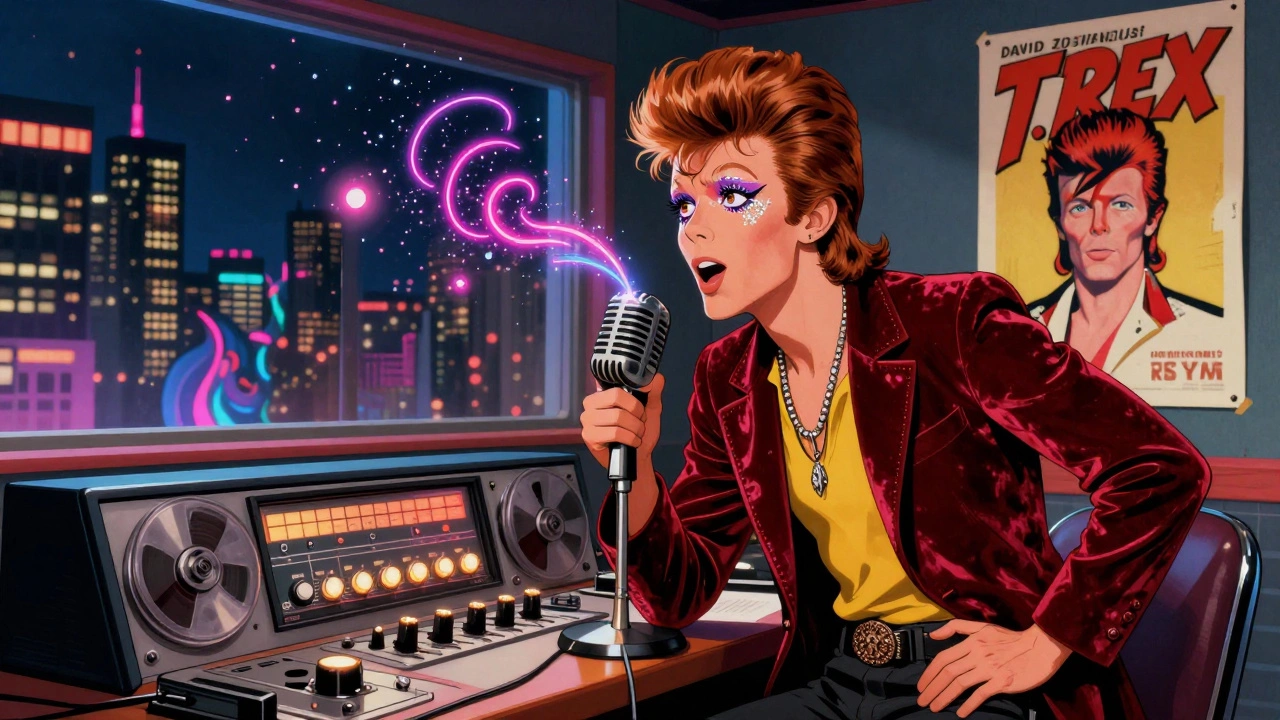

Glam Rock Radio: How FM Stations Brought Theatrical Rock to Life
FM radio in the 1970s didn't just play glam rock-it brought its glitter, drama, and rebellion to life. DJs became cult figures, listeners called in for songs, and stations turned music into a movement. This is how theatrical rock found its voice on the airwaves.
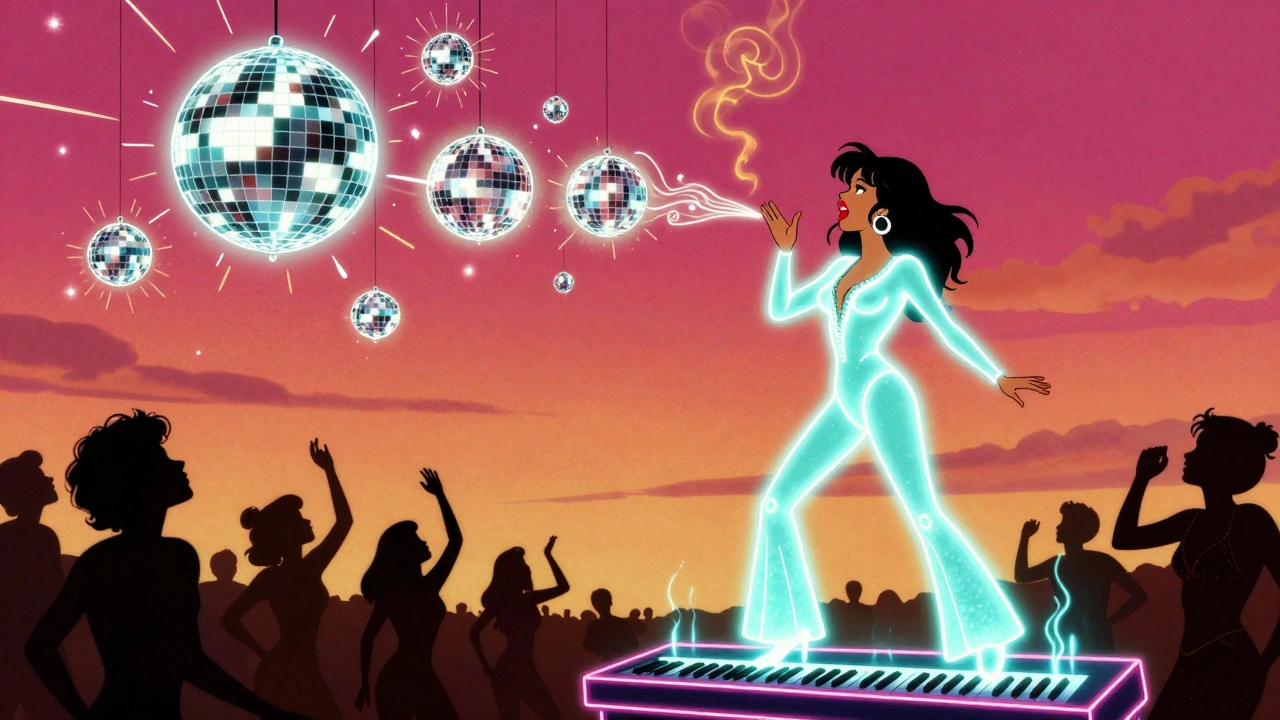
Legacy on Today’s Pop: 1970s Women Who Shaped Modern Sound
The 1970s gave us Donna Summer, Carole King, Diana Ross, and more - women who transformed pop music with bold vocals, self-written songs, and unapologetic power. Their legacy lives in every modern female artist who owns her sound.
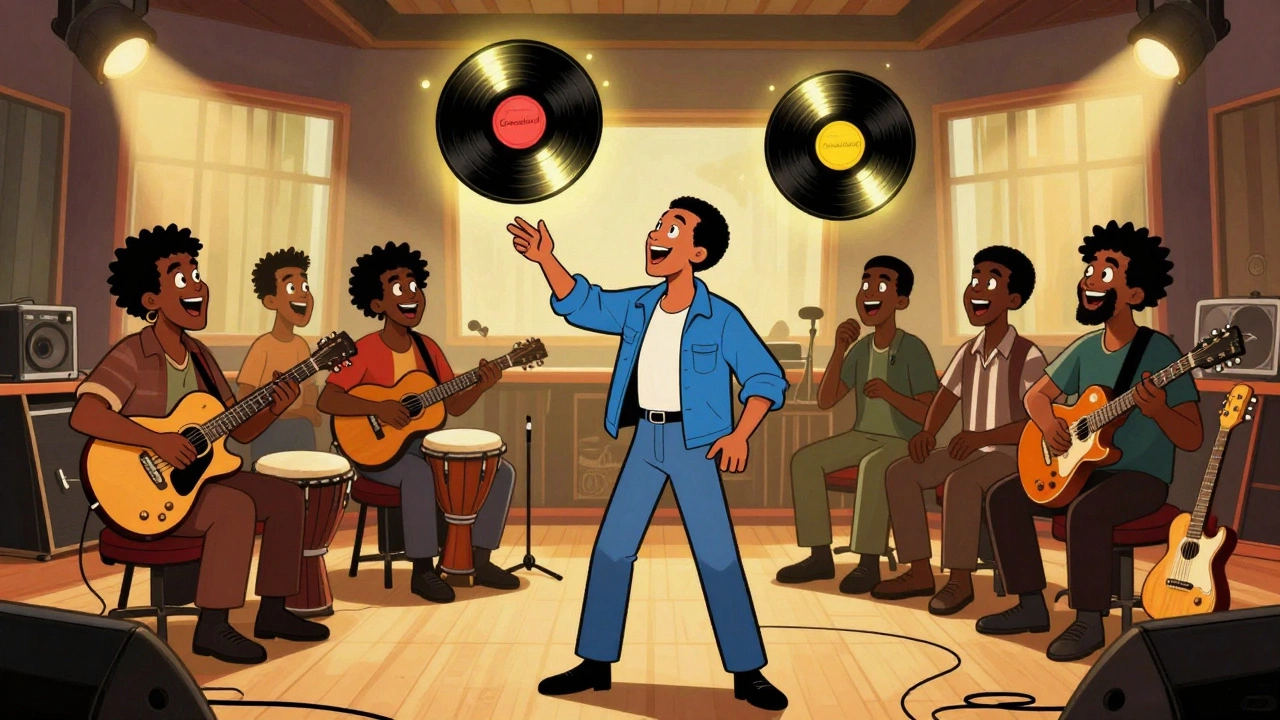
How African Music Broke Into Western Audiences in the 1980s
In the 1980s, African music broke into Western mainstream culture through groundbreaking collaborations, hit albums like Paul Simon's Graceland, and rising stars like Youssou N'Dour and Fela Kuti. This era transformed global music and laid the foundation for today's Afrobeats movement.
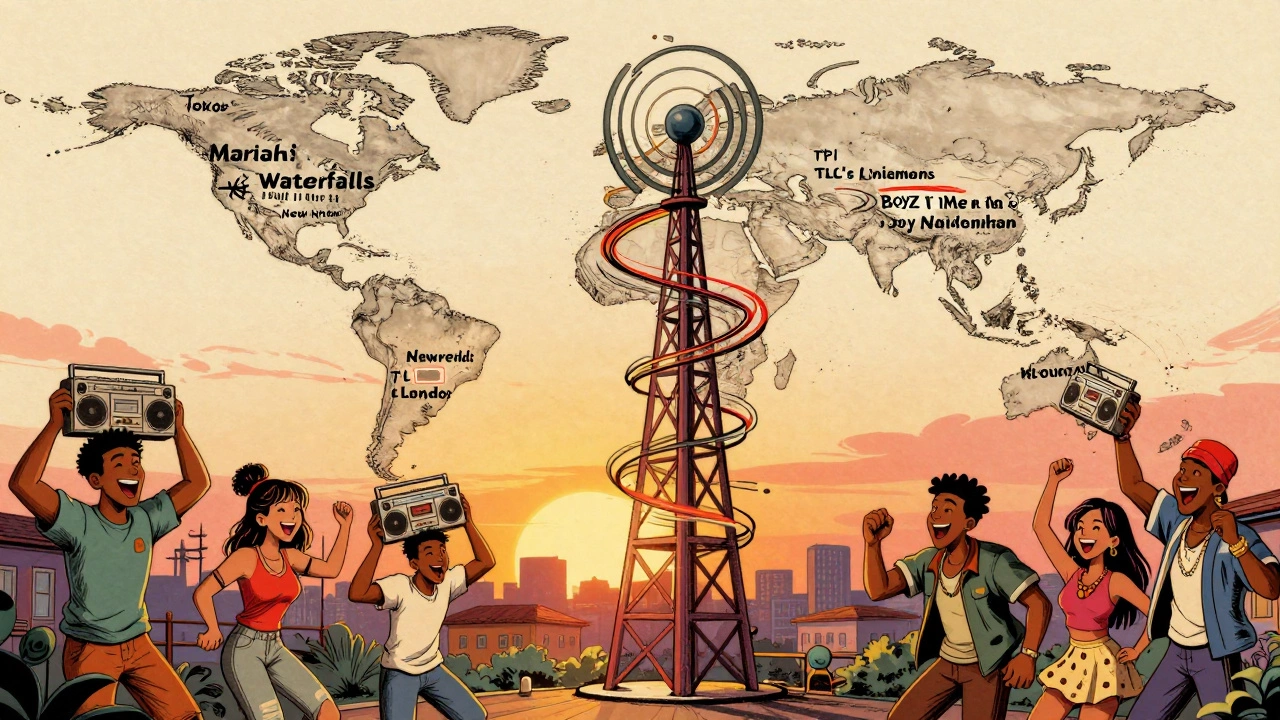
1990s R&B’s International Reach: How Global Charts and Tours Shaped a Sound
In the 1990s, R&B didn’t just dominate U.S. charts-it conquered the world. From Tokyo to Johannesburg, fans connected with its soulful sound, turning artists like Mariah Carey and TLC into global icons through tours, radio play, and cultural fusion.
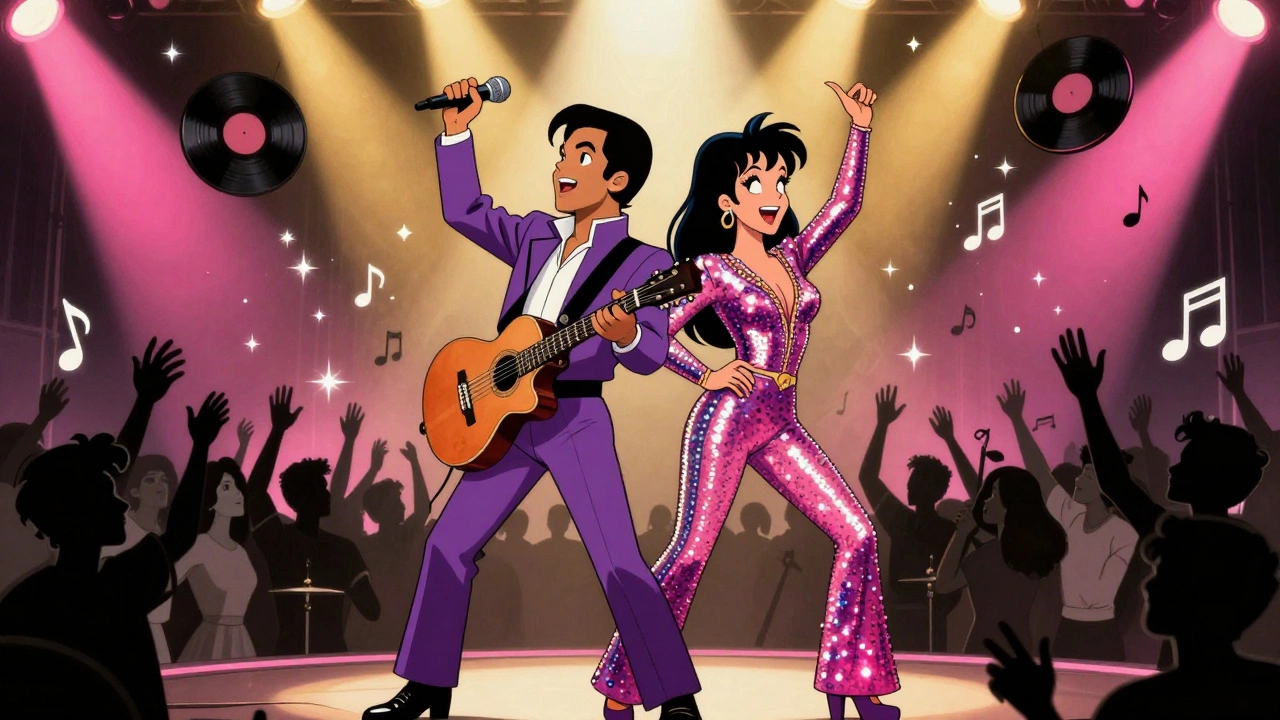
Iconic 1980s Live Collaborations: Surprise Guests and Duets
The 1980s brought unforgettable live duets where surprise guests took the stage, creating raw, unscripted moments that still define music history. From Prince and Cher to Michael Jackson and Freddie Mercury, these performances were more than songs - they were events.
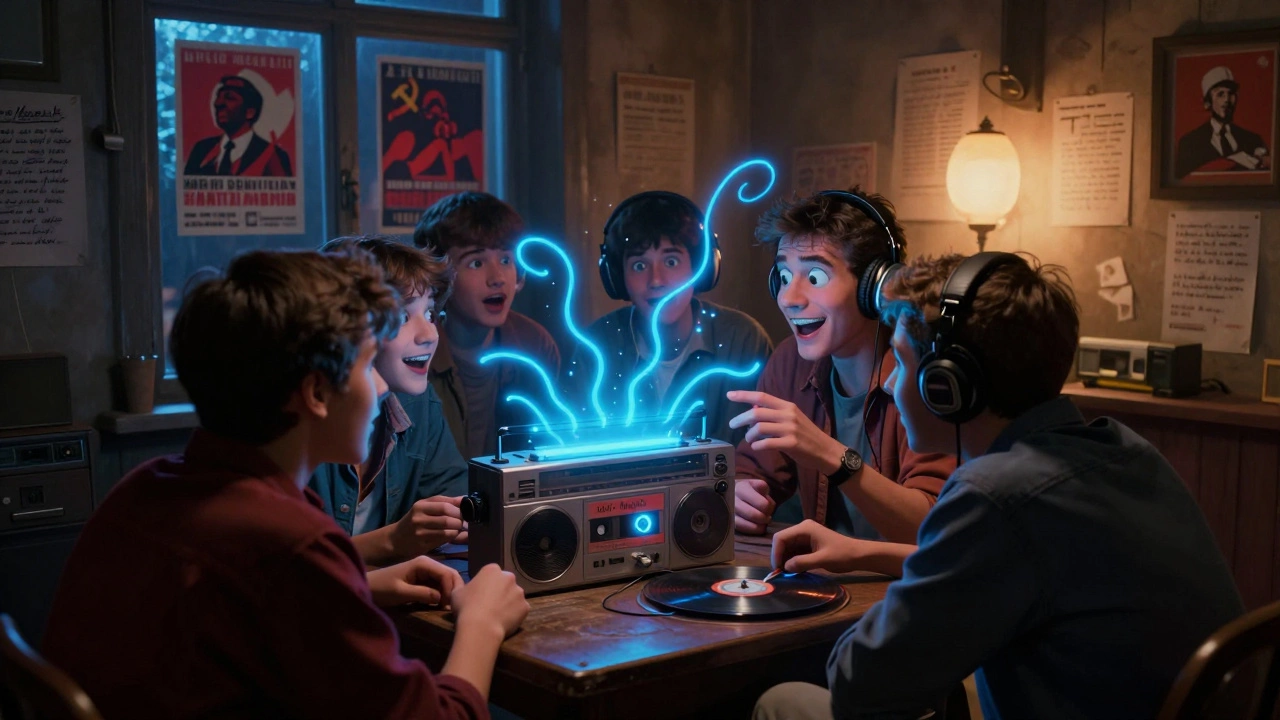
Yugoslav and Eastern Bloc Rock: How Music Broke Through the Iron Curtain
Yugoslav and Eastern Bloc rock music thrived under censorship, with bands like Riblja Čorba, Plastic People of the Universe, and Kino using sound as resistance. This is the untold story of how guitars broke through the Iron Curtain.
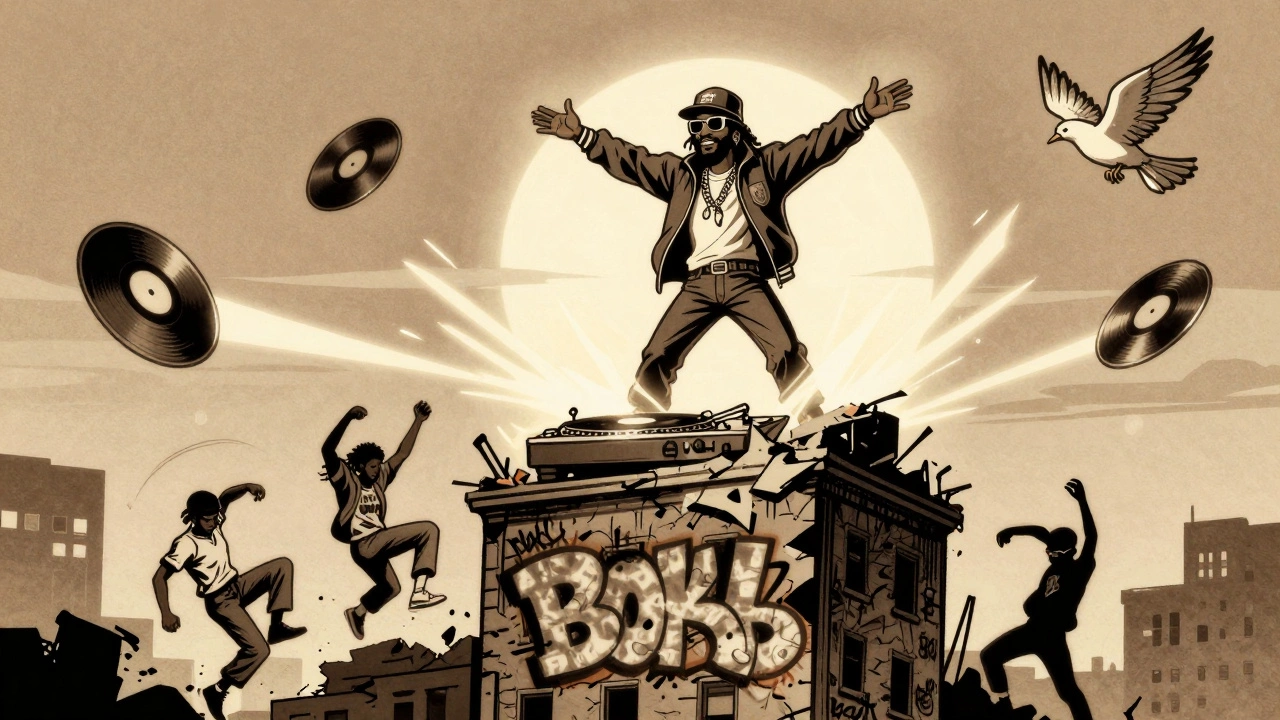
Afrika Bambaataa and the Birth of Hip-Hop as a Cultural Movement
Afrika Bambaataa transformed hip-hop from a Bronx street scene into a global movement rooted in peace, creativity, and consciousness. He didn't just make music-he built a culture.
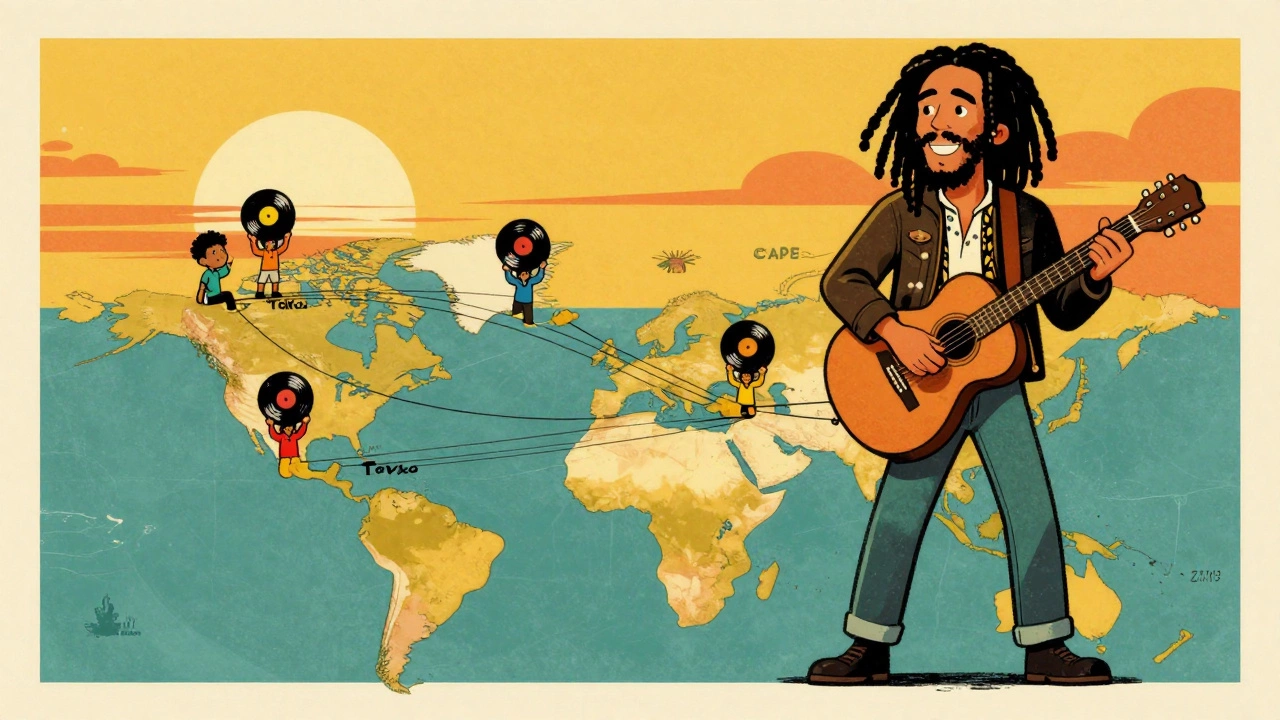
How Reggae Spread Across the Globe in the 1980s - From Jamaica to Japan, Africa, and Beyond
Reggae exploded globally in the 1980s, moving far beyond Jamaica thanks to Bob Marley’s legacy, cultural fusion in the UK and Japan, dancehall’s rise, and its adoption across Africa, Latin America, and the Pacific. It became more than music - it became a movement.
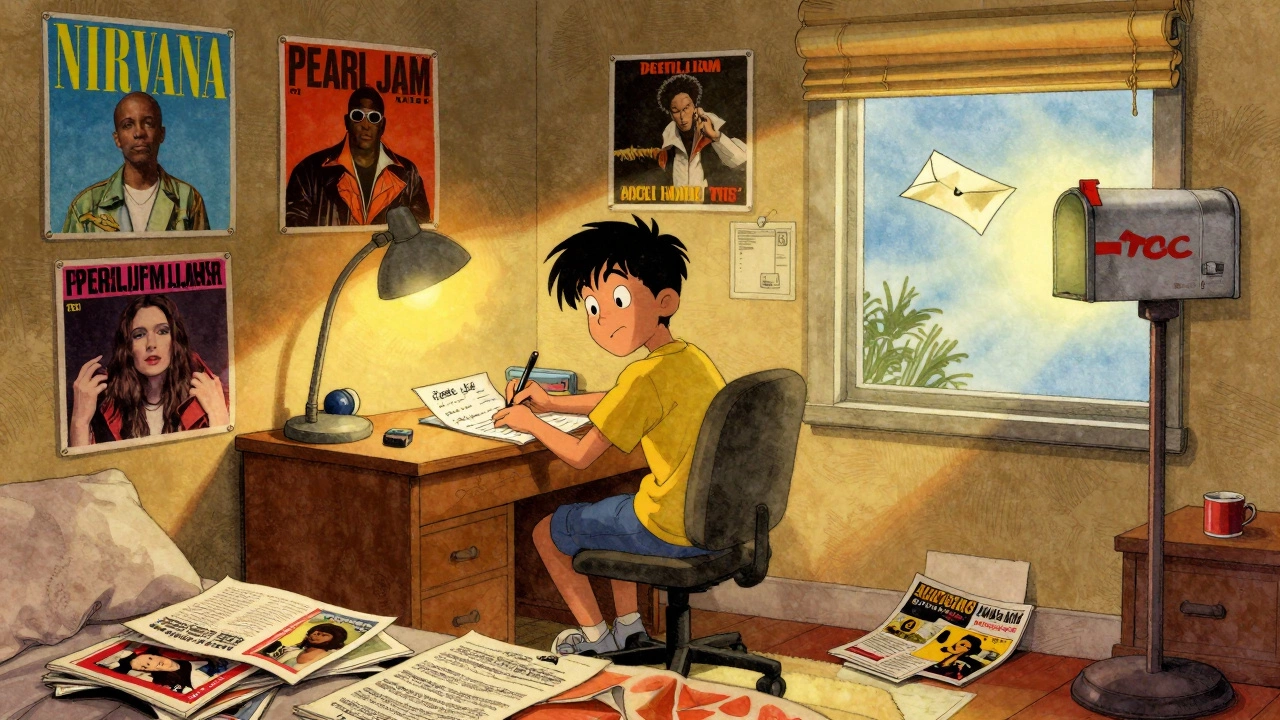
Backlash to 1990s Music Critics: Fan Rebuttals and Letters Pages
In the 1990s, fans fought back against music critics who dismissed albums they loved. Through letters, zines, and public rebuttals, they proved that taste isn't decided by experts - it's lived by listeners.
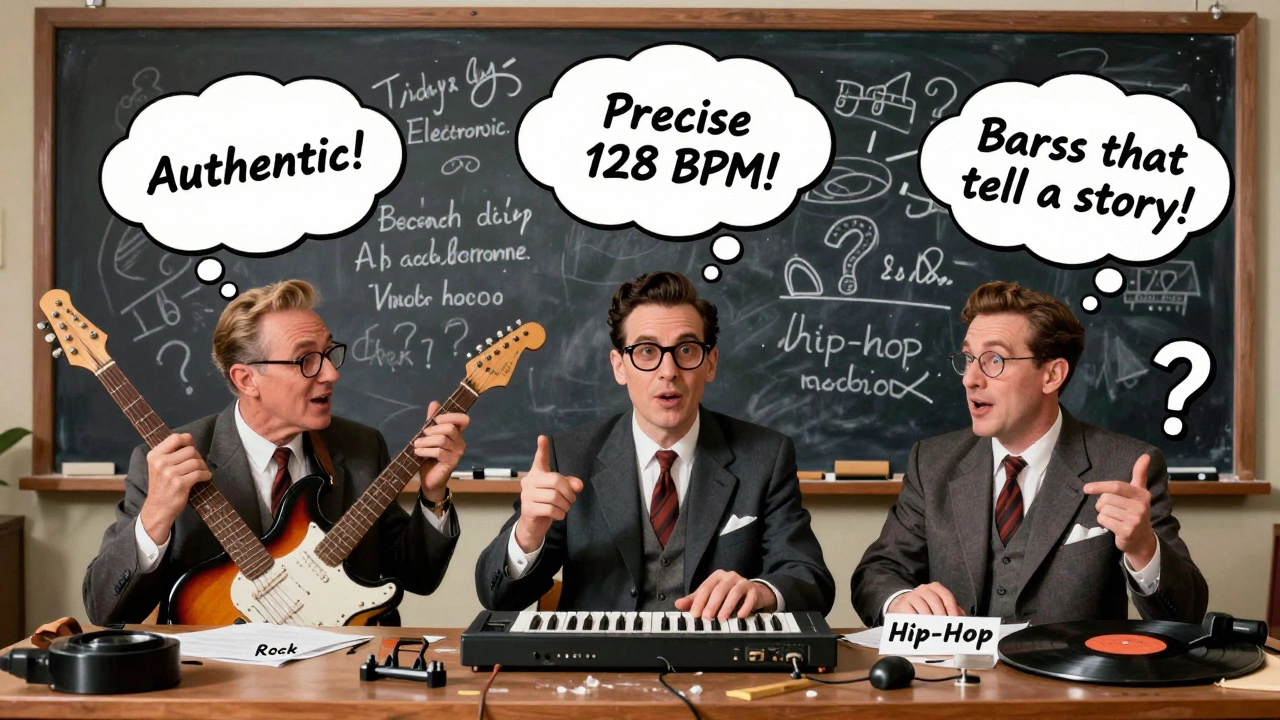
How Music Critics Review Different Genres: The Hidden Rules Behind the Reviews
Music critics don’t review all genres the same way. Rock values authenticity, hip-hop values lyricism, electronic values sound design, and pop values catchiness. Understanding these hidden rules helps you read reviews-and make better music.
Women in Punk Bands: Poly Styrene, Siouxsie Sioux, and the Power of Rebellion
Poly Styrene and Siouxsie Sioux redefined punk rock by turning rebellion into art. Their music, style, and defiance broke barriers for women in rock and laid the foundation for punk’s lasting legacy.
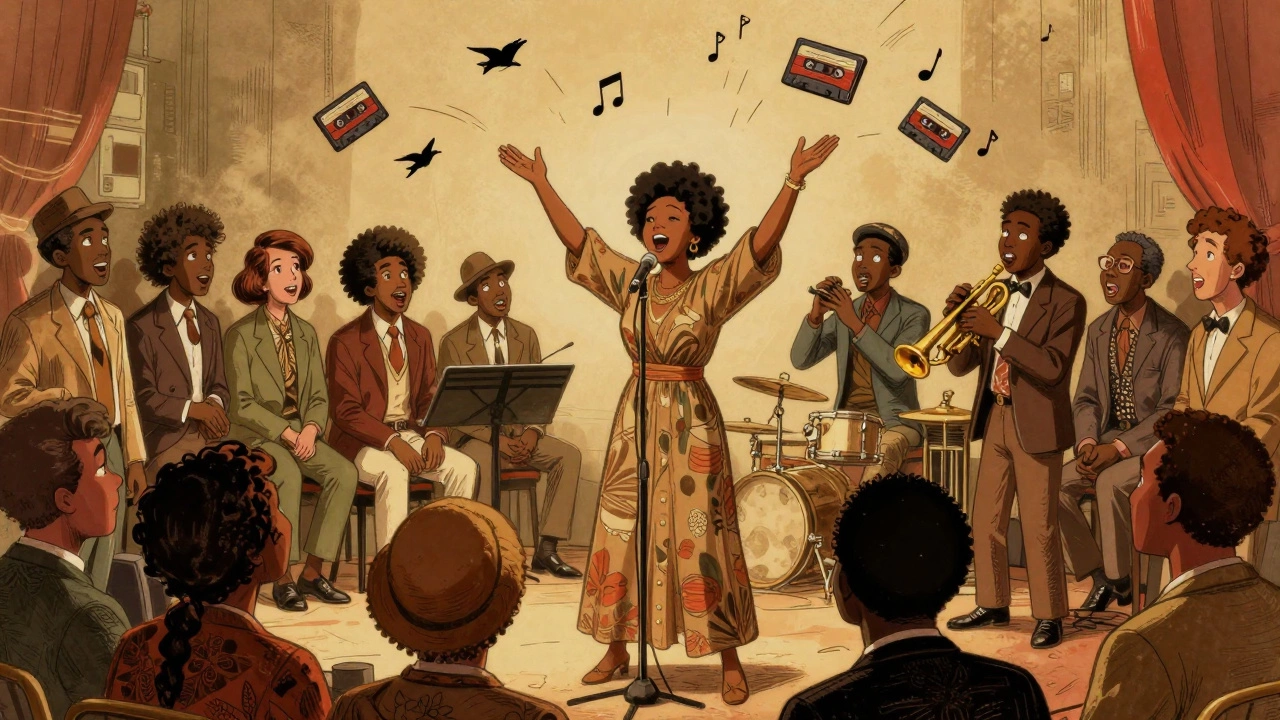
Anti-Apartheid Music: How Songs United the World Against Apartheid in the 1970s
In the 1970s, anti-apartheid music became a global force, uniting exiles, activists, and artists to fight racial oppression. From Miriam Makeba’s exile anthems to Peter Gabriel’s "Biko," songs smuggled in cassettes and broadcast on Radio Freedom turned music into a weapon of resistance.