
The Sound of Resistance
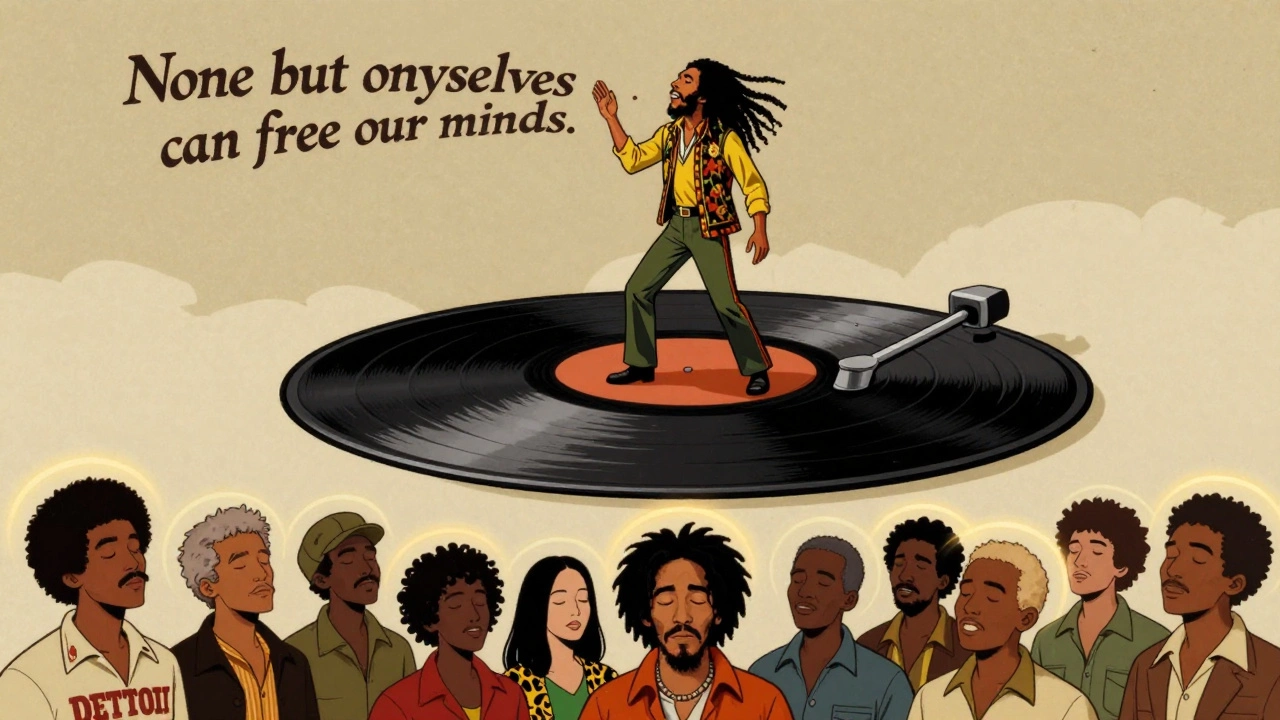
Reggae isn’t just music you dance to. It’s a prayer whispered through basslines, a sermon sung over offbeat guitars, and a cry for justice buried in every one-drop rhythm. When Bob Marley sang, "None but ourselves can free our minds," he wasn’t offering a catchy line-he was handing out a key to unlock centuries of oppression. This is the heart of reggae: a spiritual movement wrapped in rhythm, born from the pain of slavery, shaped by the hope of Africa, and carried by lyrics that refuse to stay silent.
Where It All Began: Jamaica, Rastafari, and the Roots of Rebellion
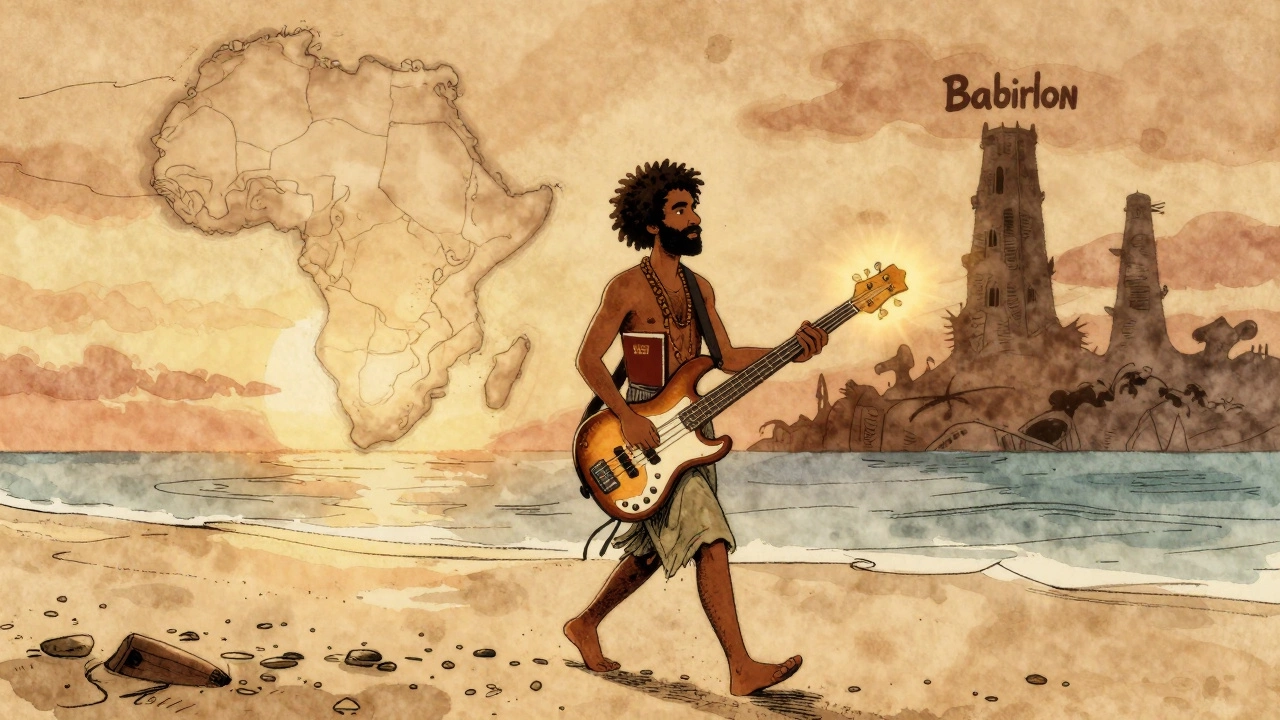
Reggae didn’t appear out of nowhere. It grew from the soil of post-colonial Jamaica, where poverty, racism, and broken promises were daily realities. In the 1930s, a movement called Rastafari emerged among Black Jamaicans who saw Emperor Haile Selassie I of Ethiopia as the returned messiah-a living sign that African dignity was not lost, just buried. They read the Bible differently. To them, Babylon wasn’t just an ancient city; it was every system that crushed Black people: slavery, colonial rule, police brutality, and global capitalism. Zion? That was Africa-the promised land, the ancestral home, the place of true freedom.
By the late 1960s, this spiritual worldview found its voice in music. Ska and rocksteady slowed down, the bass grew deeper, and the drums dropped the beat on the third pulse-creating that signature one-drop. It felt like walking barefoot on warm earth. Susan Mills, who played reggae for over a decade, says it’s not just a rhythm-it’s a feeling. "It’s so easy to dance to it’s like you’re walking down the beach. It’s very natural, and I think that’s why people feel spiritually connected," she explained. That groove wasn’t accidental. It was designed to slow you down, make you listen, and make you feel.
The Bible in the Beat: How Scripture Became a Weapon
Reggae lyrics are packed with Old and New Testament references-but not the kind you hear in Sunday school. Rastafarians didn’t see themselves as the chosen people of Israel. They saw themselves as the lost tribes of Africa, exiled by Babylon. So when the Melodians sang, "By the rivers of Babylon, there we sat down," they weren’t quoting Psalm 137 for poetic effect. They were naming their own pain. The rivers were the Atlantic Ocean. The weeping was the Middle Passage. Zion wasn’t Jerusalem-it was Ethiopia.
Bob Marley didn’t just borrow Bible verses-he reinterpreted them. In "Redemption Song," he didn’t sing about Jesus saving him. He sang about "emancipate yourselves from mental slavery." That’s not just poetry. That’s liberation theology. Professor J. Richard Middleton found that Marley’s lyrics drew heavily from Proverbs for wisdom and Paul’s letters for mission. He didn’t preach salvation through Christ alone-he preached salvation through awareness. "The boy upstairs," as some Rastas call God, wasn’t a white man in the clouds. He was the spirit of justice, the force that moves through the oppressed.
Other artists followed. Peter Tosh’s "Legalize It" wasn’t just about marijuana-it was about reclaiming sacred rituals banned by Babylon. Burning Spear’s "Marcus Garvey" turned a historical figure into a prophet. Even today, artists like Chronixx and Kabaka Pyramid use scripture to call out inequality, corruption, and environmental destruction. Their lyrics aren’t decorations. They’re blueprints for resistance.
Babylon vs. Zion: The Hidden Code in Every Song
Listening to reggae without understanding its symbols is like reading a novel without knowing the language. Two words hold the entire worldview: Babylon and Zion.
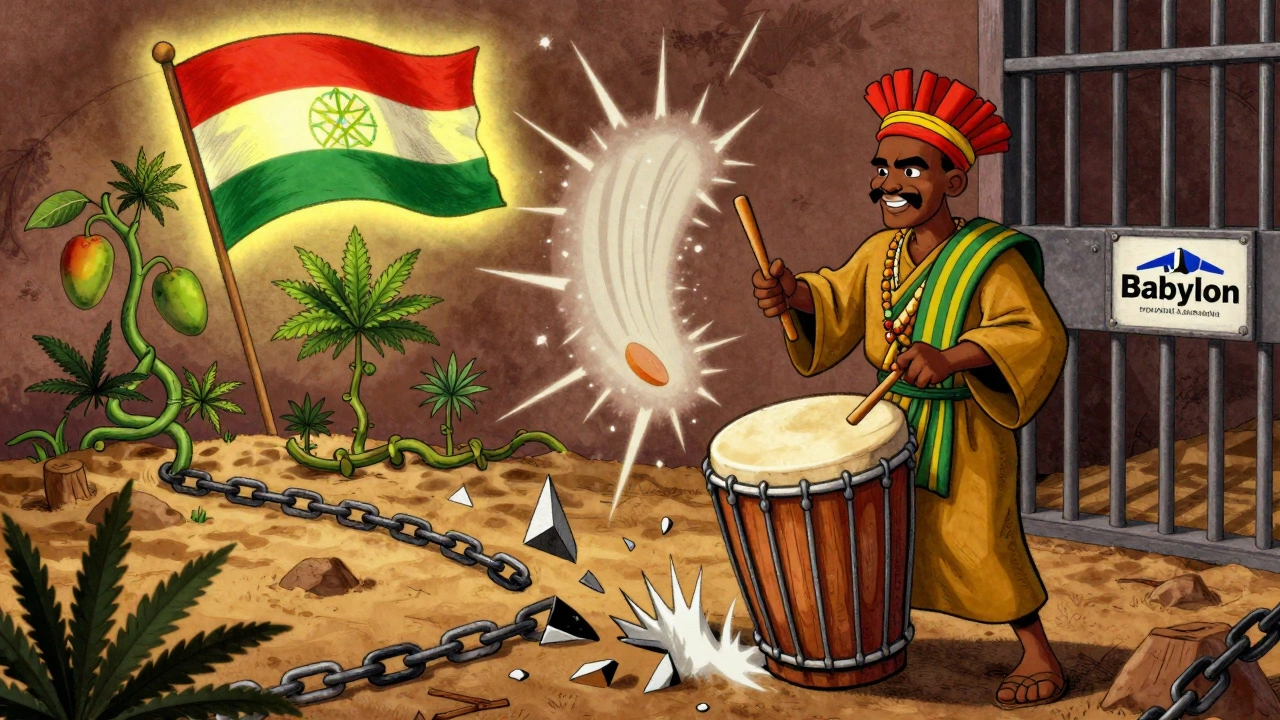
Babylon is the machine. It’s the police who arrest Rastas for smoking ganja. It’s the banks that keep poor communities poor. It’s the media that paints them as lazy or dangerous. It’s the history books that erase Africa’s greatness. Babylon is not a place-it’s a system. And it’s always watching.
Zion is the dream. It’s Ethiopia, yes-but also the feeling of peace when you hear a bassline drop. It’s the community that shares food without asking for money. It’s the land where your ancestors walked, untouched by chains. Zion isn’t just a destination. It’s a state of mind. When you sing "I’m a soldier in the army of the Lord," you’re not asking for a miracle. You’re declaring you’re already free.
Some outsiders miss this. They hear "Jah" and think it’s just a cool word. They hear "Rastafari" and assume it’s a cult. But if you dig deeper, you realize: this isn’t religion as a set of rules. It’s religion as a survival tool. It’s how people without power found power-in their voices, their songs, their faith.
Why It Still Resonates: Beyond Jamaica, Beyond Religion
You don’t have to be Rastafarian to feel reggae’s pull. In 2024, a global survey found that 78% of reggae listeners said their main reason for listening was spiritual connection-not just enjoyment. People in Detroit, Berlin, Tokyo, and Lagos are drawn to it because it speaks to something deep: the need for meaning in a broken world.
Reddit threads are full of stories. One user, u/OneLove420, wrote: "Redemption Song got me through my darkest depression. That line changed my life." Another said, "I’m Christian, but I can’t deny that Marley’s lyrics healed me more than my pastor ever did." That’s the power of truth spoken plainly. You don’t need to believe in Haile Selassie to believe in justice. You don’t need to smoke ganja to feel the weight of oppression.
Even critics admit the music works. A 3-star Amazon review called it "beautiful but contrary to orthodox Christianity," but still admitted the melodies moved them. That’s the paradox of reggae: it challenges your beliefs while soothing your soul.
The Global Impact: From UNESCO to the Mainstream
In 2018, UNESCO declared reggae an Intangible Cultural Heritage of Humanity-not because it’s old, but because it’s alive. The official citation named its contribution to "international discourse on issues of injustice, resistance, love, and humanity." That’s rare. Most cultural designations honor traditions that are fading. Reggae is growing.
According to IFPI’s 2025 Global Music Report, reggae and its offshoots make up 3.2% of global music consumption. That’s not chart-topping numbers, but it’s steady. And it’s rising. MIDiA Research predicts a 4.7% annual growth through 2028, led by younger listeners tired of empty pop hooks. They’re looking for music that means something. Artists like Damian Marley are answering with albums like The Light (2024), which blends scripture, testimony, and social critique without losing the groove.
And now, Rastafari’s idea of Ital living-natural, pure, unprocessed-is syncing up with modern environmental movements. The same people who reject Babylon’s pollution are now planting gardens, rejecting plastic, and demanding clean water. The spiritual message didn’t change. The world just caught up.
How to Really Hear It
If you’ve only listened to reggae in the background, you haven’t heard it at all. To truly connect with its message, start here:
- Listen to Bob Marley’s Exodus (1977) from start to finish. No distractions. Let the lyrics sink in.
- Then hear Peter Tosh’s Legalize It. Notice how he turns a political demand into a spiritual act.
- Read the Bible verses referenced in the songs-Psalm 137, Revelation 18, Proverbs 3:5. See how they’re flipped.
- Don’t rush. Susan Mills says it takes 6 to 12 months of regular listening to start hearing the layers. That’s not a flaw-it’s the point.
- Ask yourself: What is your Babylon? What would your Zion look like?
Reggae doesn’t ask you to convert. It asks you to awaken. And that’s why, after 60 years, it still speaks to people who feel lost, silenced, or unseen. It’s not just music. It’s memory. It’s medicine. It’s a mirror held up to the world-and it’s still reflecting truth.
What is the spiritual meaning behind reggae music?
Reggae’s spiritual meaning comes from Rastafari, a belief system that sees African people’s suffering under slavery and colonialism as divine testing by Jah (God). The music uses biblical language to frame resistance as sacred, with "Babylon" representing oppression and "Zion" symbolizing African liberation and inner peace. It’s not about worship in a church-it’s about awakening consciousness and reclaiming dignity through song.
Why is Bob Marley so central to reggae’s spiritual message?
Bob Marley didn’t just sing about spirituality-he became its voice to the world. His lyrics combined Rastafarian theology with universal themes of freedom, love, and justice. Songs like "One Love," "Redemption Song," and "Exodus" turned complex ideas into simple, powerful phrases that anyone could feel. He didn’t preach to the converted; he reached people who didn’t know they needed the message. His global fame made reggae’s spiritual core impossible to ignore.
Do you have to be Rastafarian to understand reggae lyrics?
No. While Rastafari provides the key to decoding symbols like "Babylon" and "Zion," the emotional truth in the lyrics-struggle, hope, resistance, love-transcends religion. Many listeners from all backgrounds connect with reggae because it speaks to universal human experiences: injustice, longing for peace, and the search for meaning. You don’t need to believe in Haile Selassie to feel the weight of "Redemption Song."
How does reggae differ from gospel music?
Both use biblical themes, but gospel often focuses on personal salvation through Jesus Christ, while reggae uses scripture to speak to collective liberation. Reggae flips the script: instead of seeing white European powers as God’s chosen, Rastafarians see themselves as the true Israelites, and Babylon as the oppressor. The music is slower, bass-heavy, and rooted in African rhythms, making it feel more like a communal chant than a church hymn.
Why is reggae recognized by UNESCO?
UNESCO recognized reggae in 2018 because it’s more than music-it’s a tool for social change. The organization highlighted its role in raising global awareness about injustice, resistance, love, and humanity. Unlike many cultural traditions that fade, reggae has grown, inspired movements, and kept its message alive for decades, especially among marginalized communities worldwide.
Is reggae’s spiritual message still relevant today?
More than ever. As people around the world face systemic inequality, environmental collapse, and political repression, reggae’s call to "emancipate yourselves from mental slavery" rings louder. Artists like Chronixx and Kabaka Pyramid are reviving roots reggae with lyrics about climate justice, mental health, and cultural pride. The message hasn’t changed-Babylon is still here, and Zion is still worth fighting for.
What Comes Next
Reggae’s journey isn’t over. It’s evolving. The same rhythms that carried messages of freedom in 1977 are now being used to protest police violence, demand climate action, and heal trauma in urban communities. Younger artists aren’t just copying Marley-they’re expanding the conversation. They’re singing about mental health, gender equality, and digital oppression. But the core remains: music as a tool for truth, not just entertainment.
If you want to hear the future of reggae, don’t look for the loudest beat. Look for the quietest lyric-the one that makes you pause, breathe, and ask yourself: What am I freeing myself from? That’s where the real journey begins.