Archive: 2026/02 - Page 3
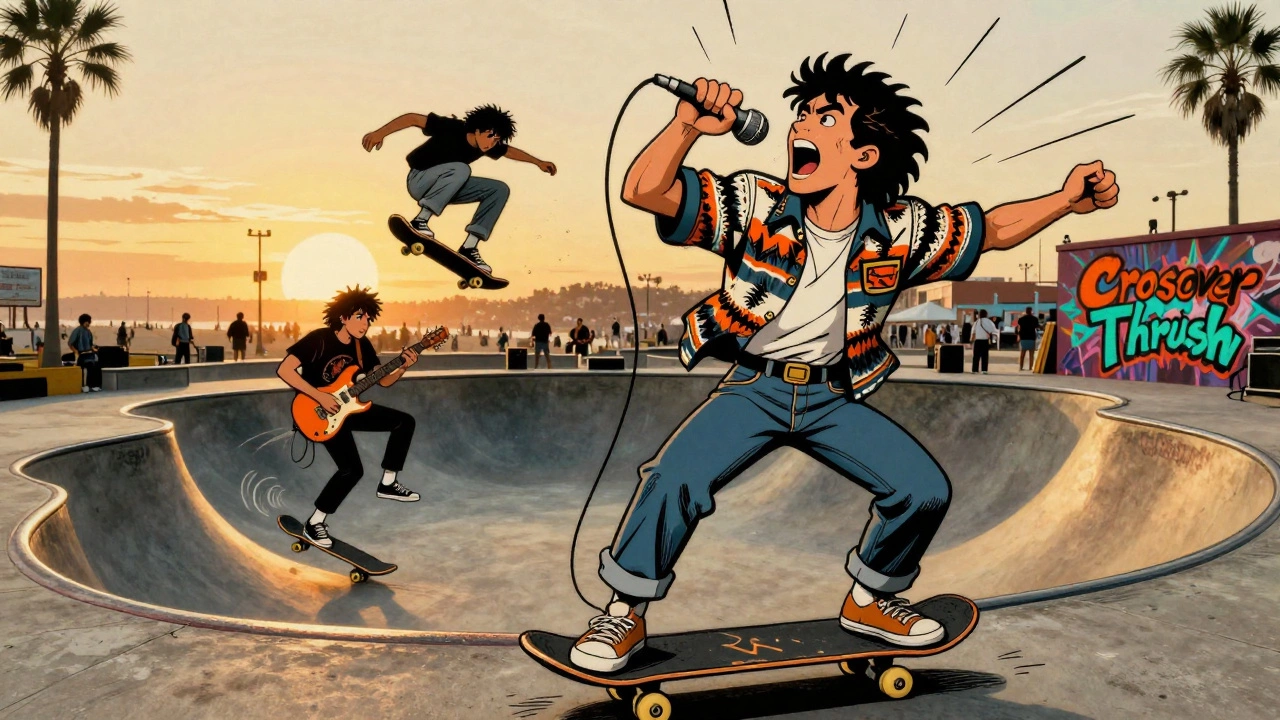

Suicidal Tendencies' Debut: How 1980s Punk-Metal Fusion Created Crossover Thrash
Suicidal Tendencies' 1983 debut fused hardcore punk with heavy metal riffs, creating crossover thrash. Their raw sound, street roots, and anthem "Institutionalized" broke barriers and changed music forever.
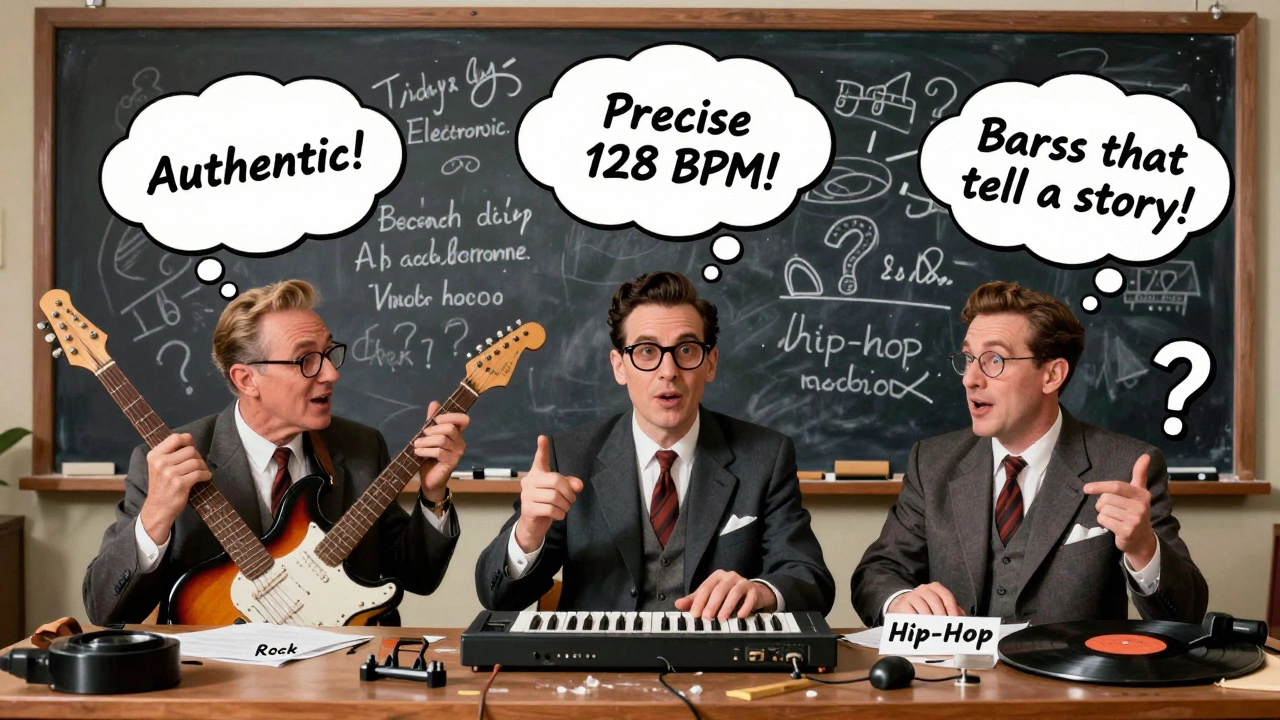

How Music Critics Review Different Genres: The Hidden Rules Behind the Reviews
Music critics don’t review all genres the same way. Rock values authenticity, hip-hop values lyricism, electronic values sound design, and pop values catchiness. Understanding these hidden rules helps you read reviews-and make better music.
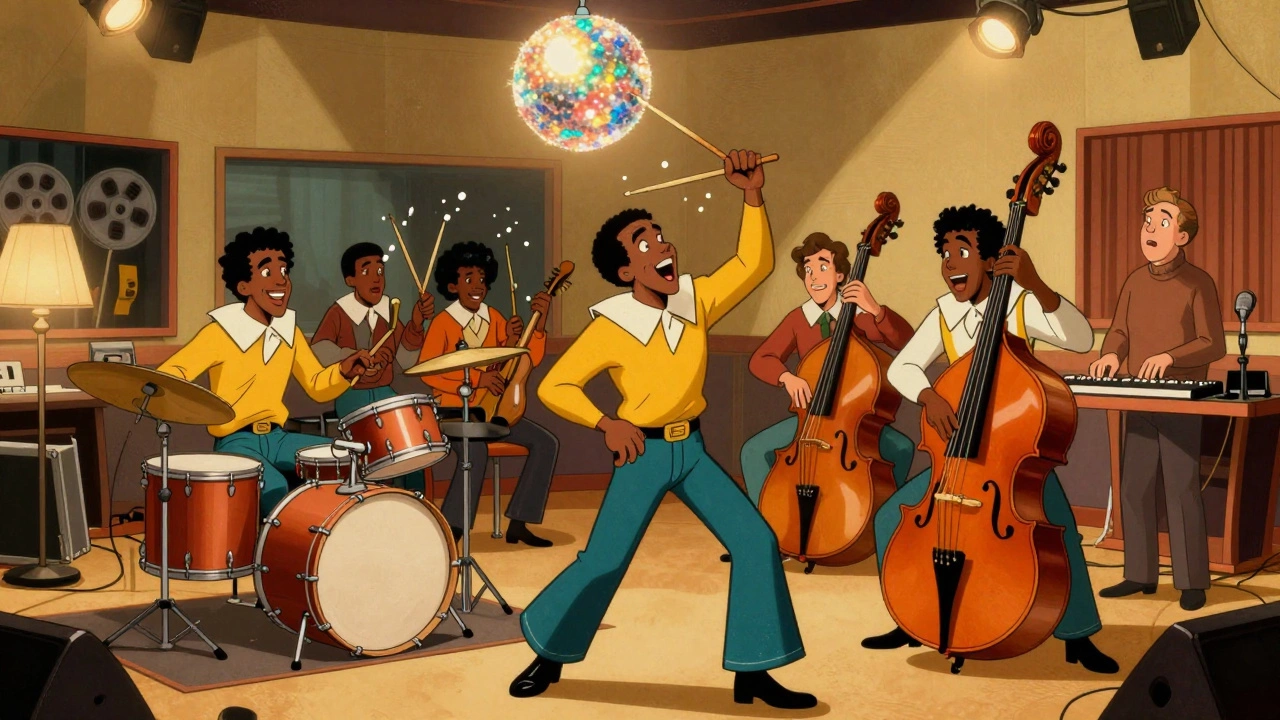

Disco’s Studio Players: The Unseen Musicians Who Built the 1970s Groove
Behind every classic disco hit were anonymous studio musicians who created the grooves that moved the world. This is their story.
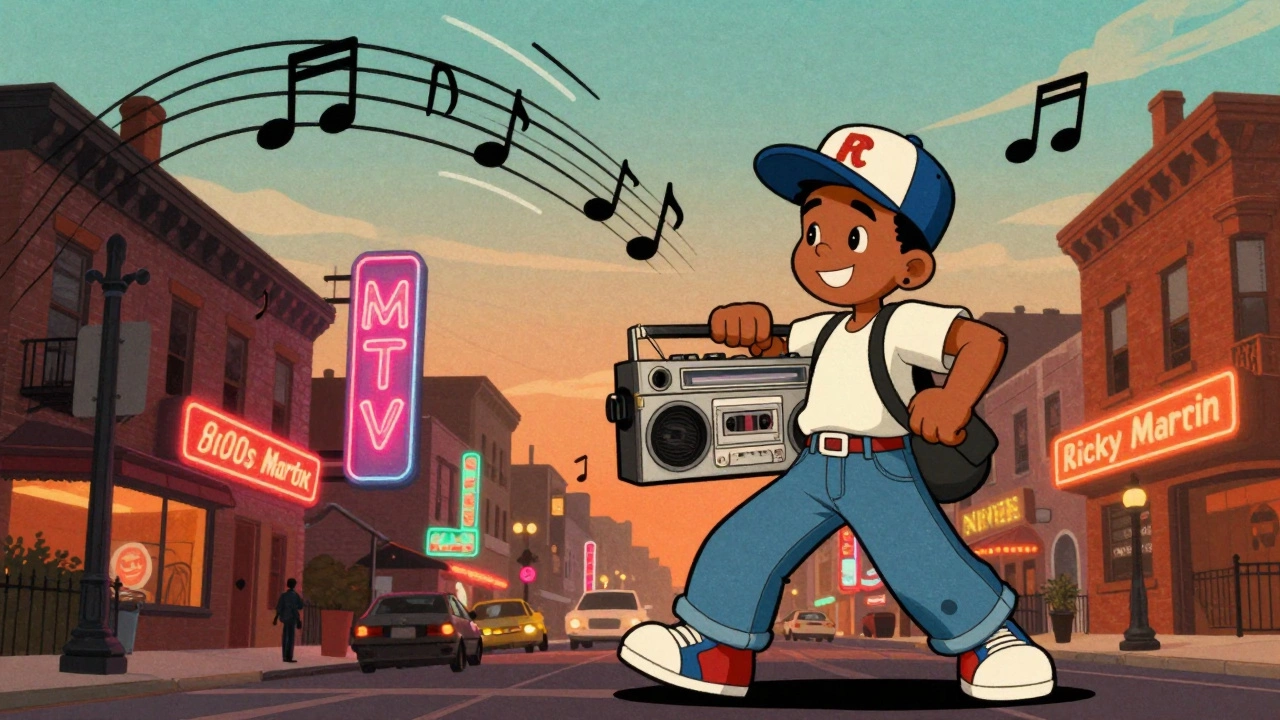

How 1990s Latin and Reggae Set Up 2000s Global Pop
The 1990s Latin pop explosion paved the way for reggaeton’s global takeover in the 2000s, turning Spanish-language rhythms into the foundation of modern pop music worldwide.


Rick Wakeman's Solo Career: The Prolific Journey of a Progressive Rock Keyboard Legend
Rick Wakeman's solo career outshines even his work with Yes, delivering over 100 concept albums that blend rock, orchestral, and classical styles. A true progressive rock pioneer.
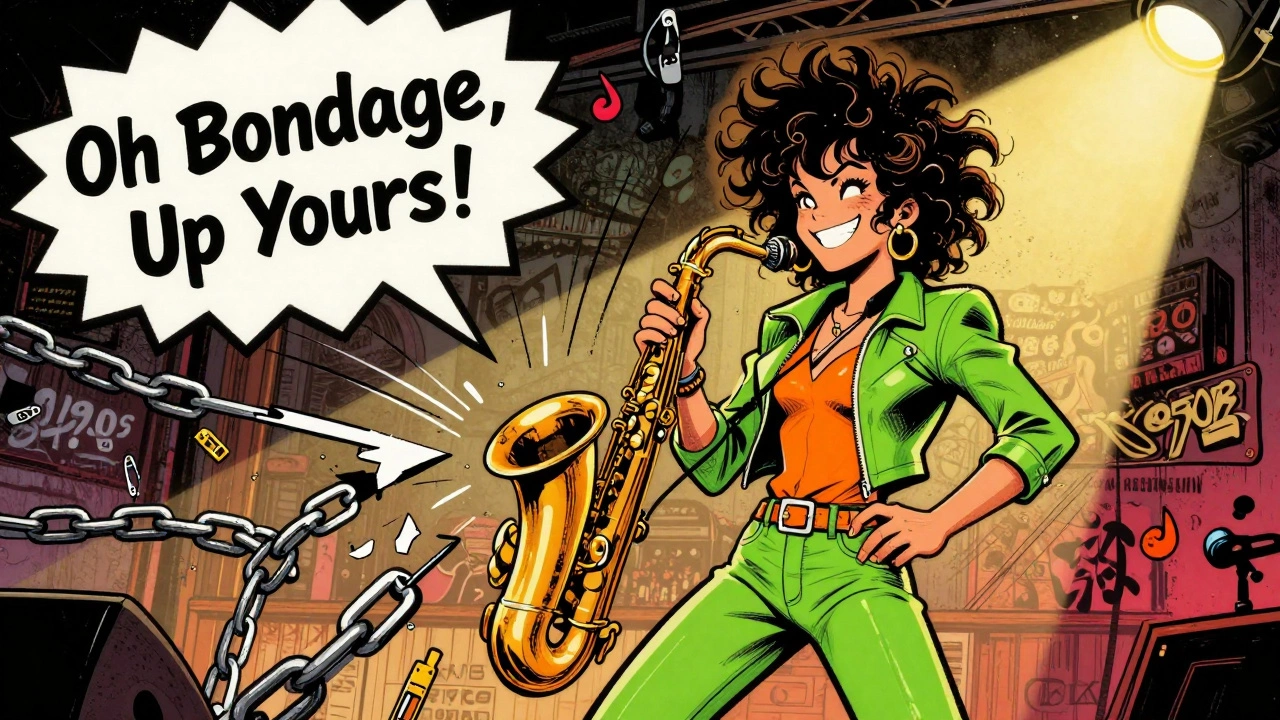
Women in Punk Bands: Poly Styrene, Siouxsie Sioux, and the Power of Rebellion
Poly Styrene and Siouxsie Sioux redefined punk rock by turning rebellion into art. Their music, style, and defiance broke barriers for women in rock and laid the foundation for punk’s lasting legacy.
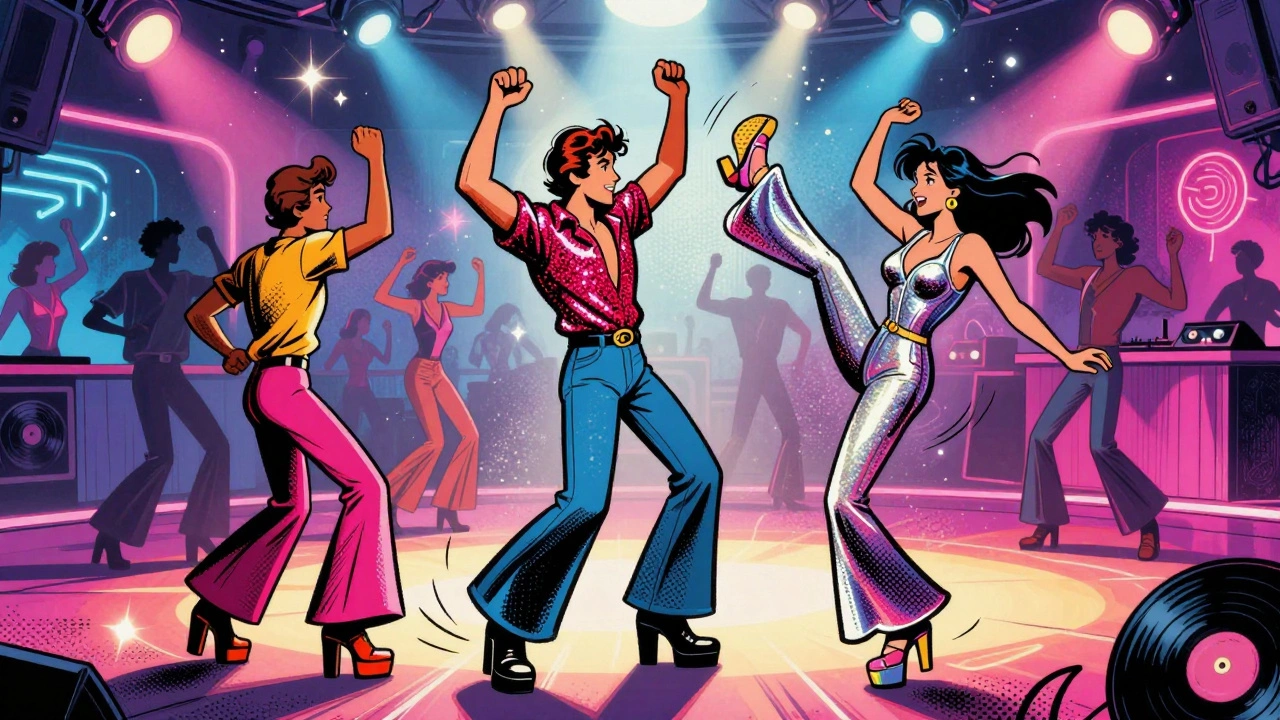

Fashion and Disco: How Bell Bottoms and Platform Shoes Defined a Generation
Bell bottoms and platform shoes weren’t just fashion-they were a movement. Born from Navy uniforms and fueled by disco, they defined a generation’s freedom, expression, and rhythm.
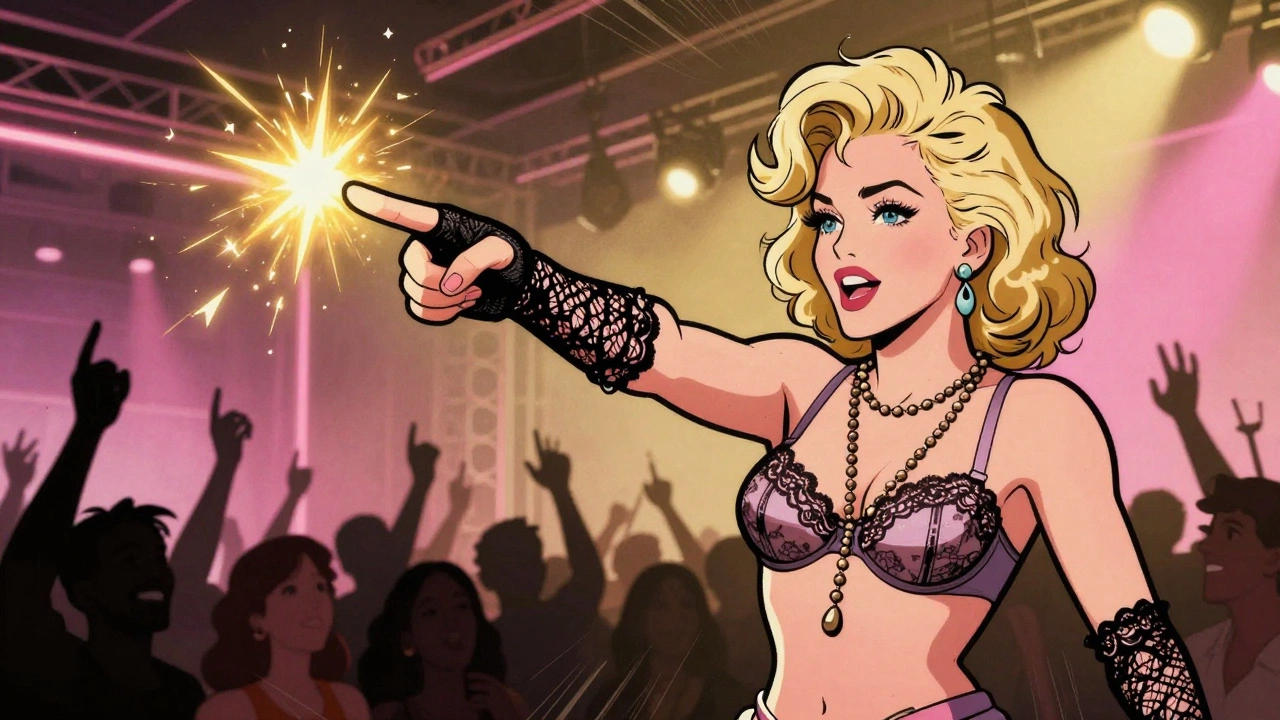
Fingerless Gloves and Lace: How Madonna Redefined 1980s Fashion
Madonna turned simple lace fingerless gloves into a cultural icon in the 1980s, blending rebellion, femininity, and control. Her fashion choices didn't just influence style-they redefined how women expressed power in pop music.
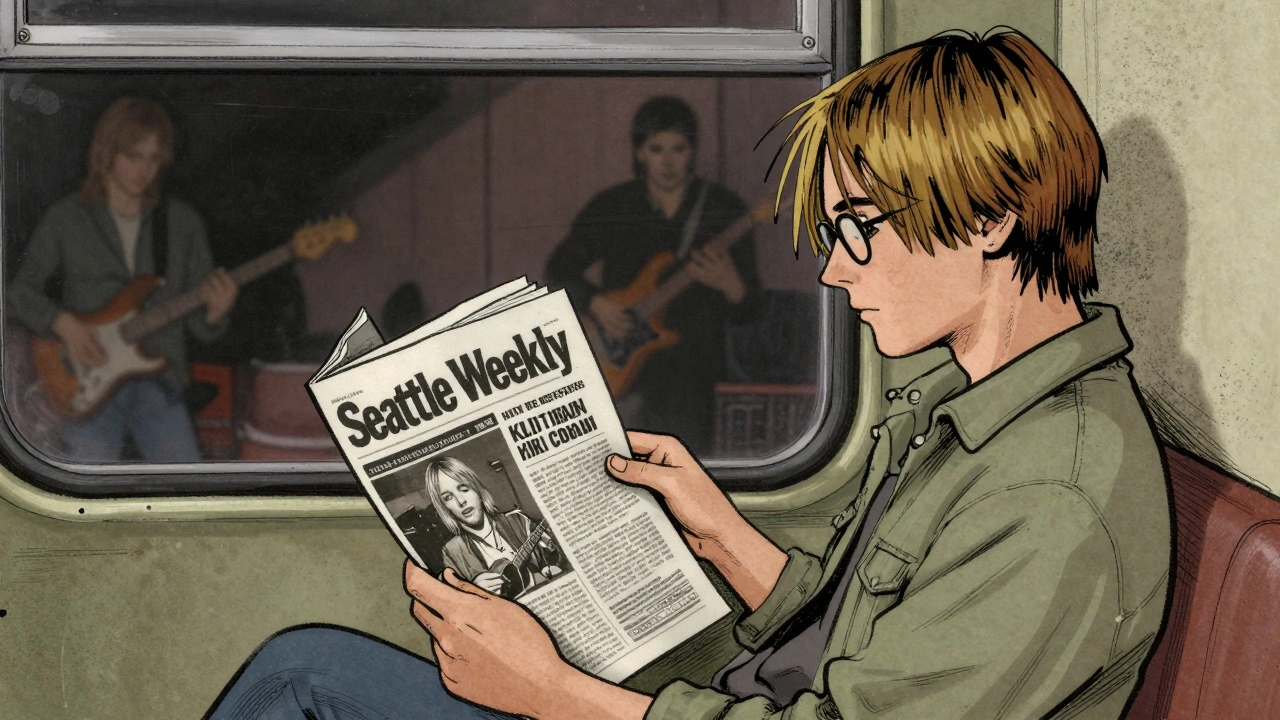

Regional Press in the 1990s: How Local Music Scenes Broke Through to National Fame
In the 1990s, regional newspapers and zines were the driving force behind breaking underground music scenes into national fame. From Seattle to Athens, local journalists gave early coverage to bands like Nirvana, Pavement, and Radiohead-before anyone else noticed.
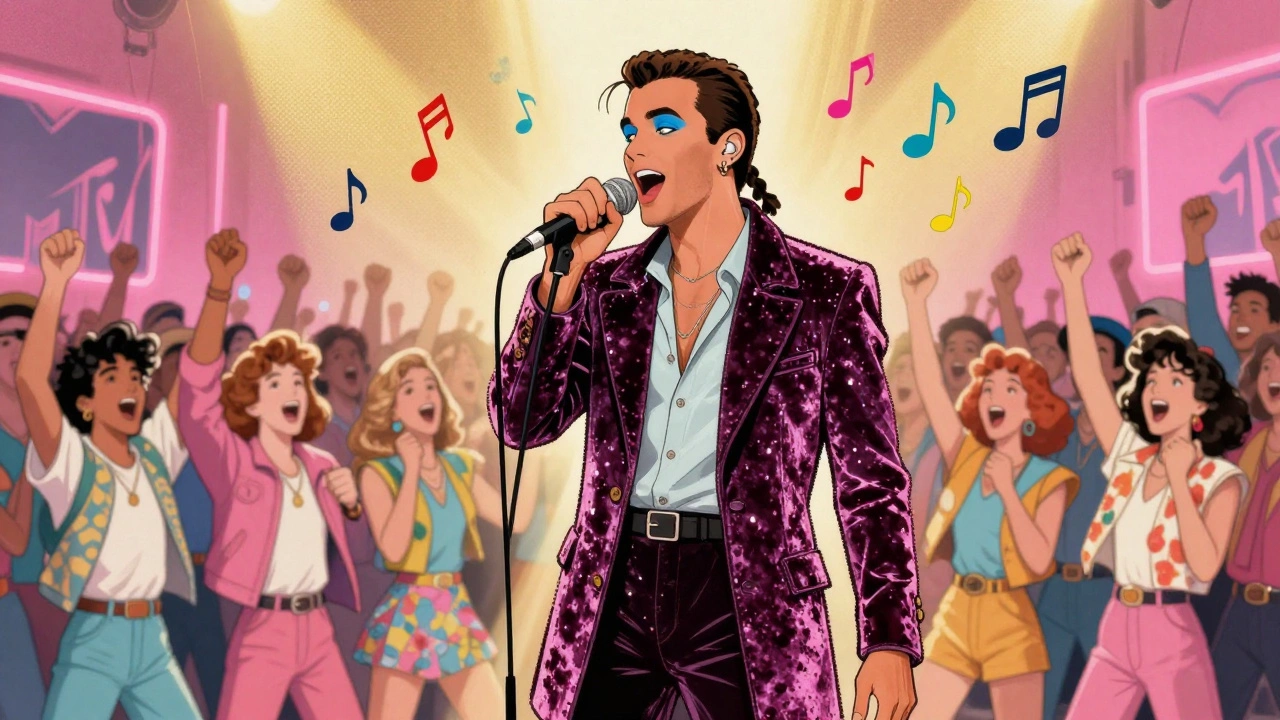
Culture Club’s 1980s Visual Impact: Fashion, Identity, and Pop Culture Revolution
Culture Club, led by Boy George, redefined 1980s pop with bold fashion, androgynous style, and fearless self-expression. Their visuals on MTV and album covers broke gender norms and paved the way for modern artists, turning identity into art and influence into legacy.
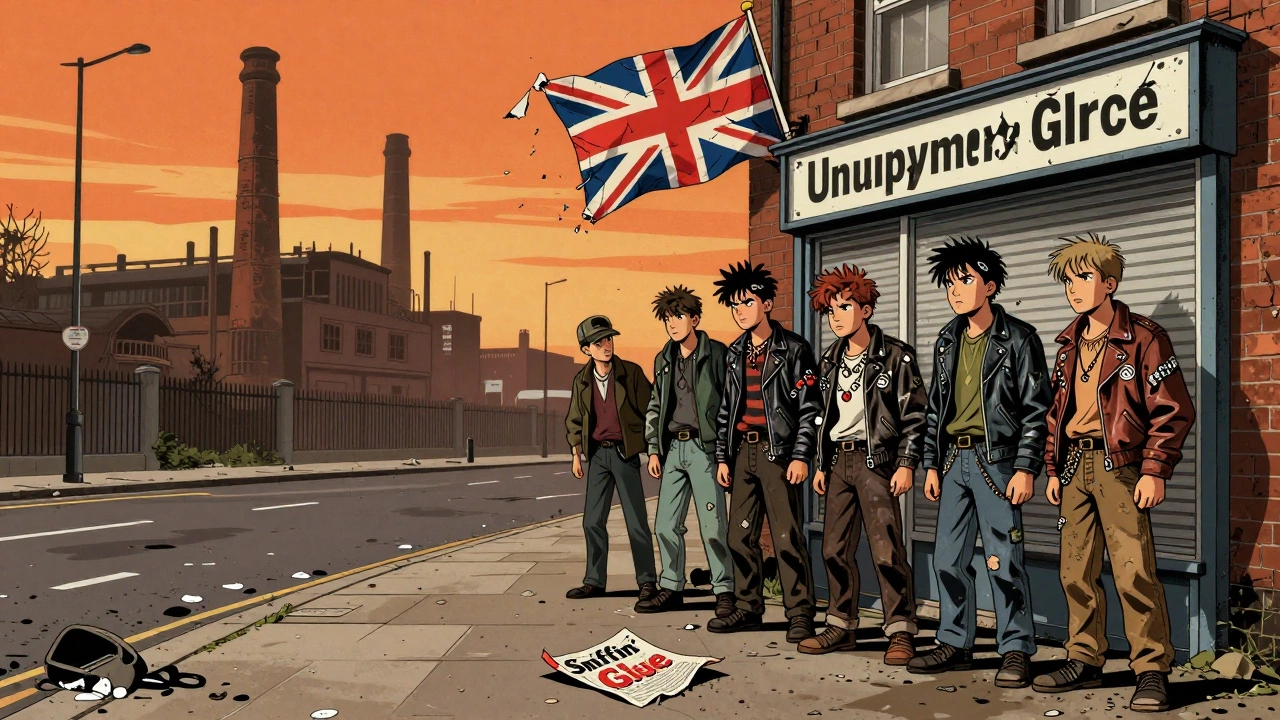
Punk Politics in 1970s Britain: Unemployment, Class, and Protest
Punk in 1970s Britain wasn’t just music-it was a raw response to unemployment, class inequality, and a broken system. From the Sex Pistols’ defiance to fanzines that gave voice to the forgotten, punk became the soundtrack of a generation who refused to stay silent.
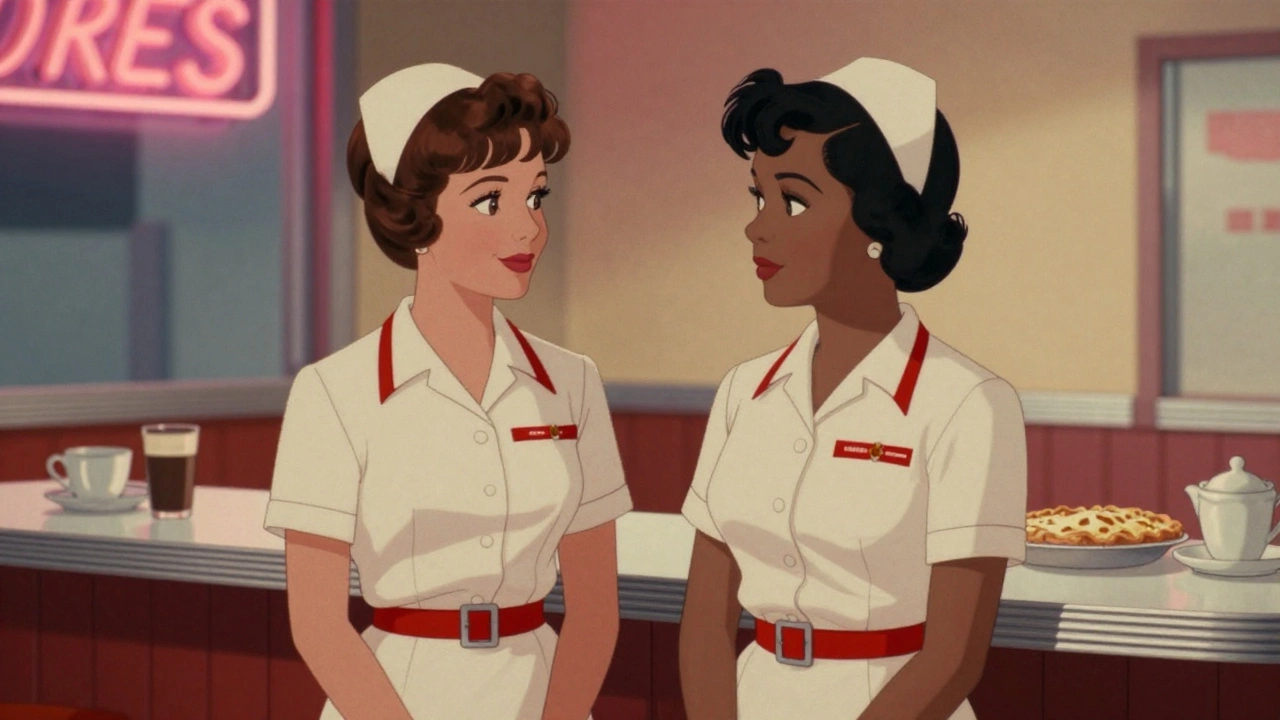
Donna Summer’s 'She Works Hard for the Money': The 1980s Anthem That Honored Working Women
Donna Summer's 1983 hit 'She Works Hard for the Money' turned a real encounter with a tired waitress into a feminist anthem that honored working women, topped charts, and challenged pop music norms-its message still echoes today.