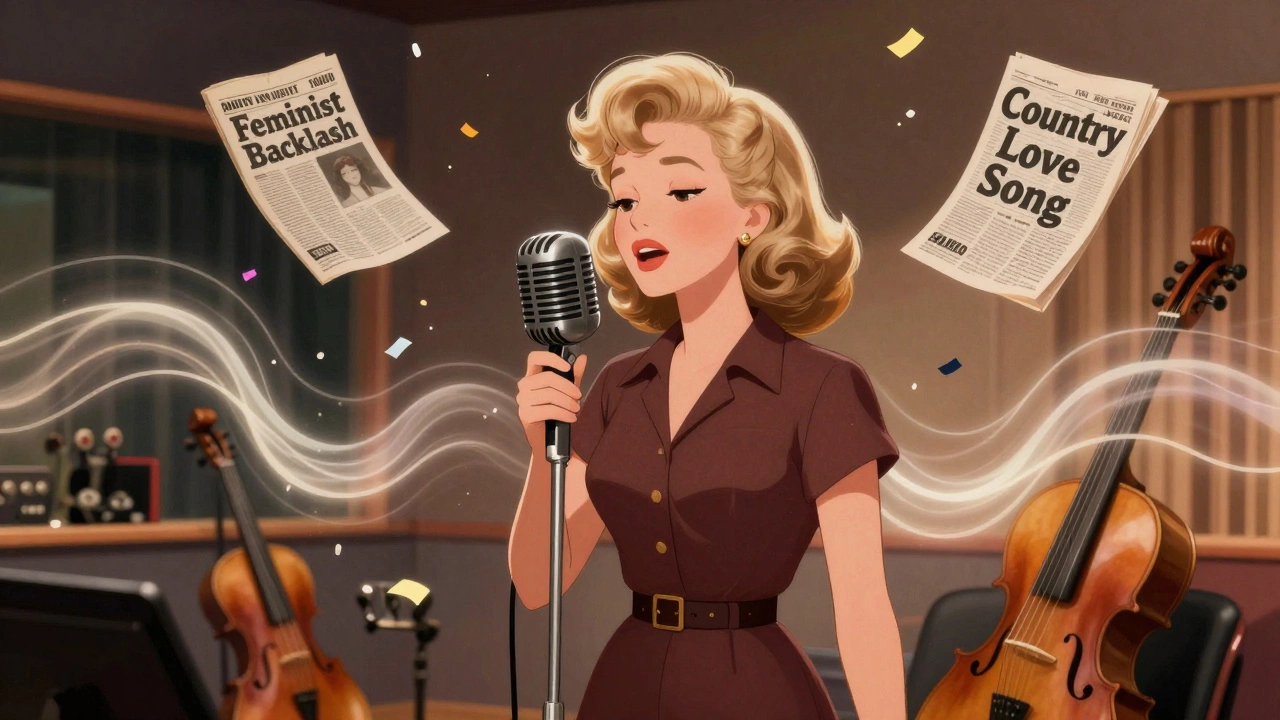

Stand by Your Man isn't just a song. It’s a lightning rod. A mirror. A time capsule. Released in September 1968, Tammy Wynette’s signature hit didn’t just top the country charts-it cracked open a national conversation about love, loyalty, and what it meant to be a woman in America at the edge of a revolution.
The track was written in under twenty minutes by Wynette and producer Billy Sherrill in a Nashville studio. It wasn’t meant to be a manifesto. Wynette later said she was just trying to write a “pretty love song.” But the timing couldn’t have been worse-or better. The women’s liberation movement was stirring. Divorce rates were climbing. And here came a woman, singing in a low, sighing voice, telling others to stand by their man-even when he messed up.
How a Country Ballad Became a Cultural Flashpoint
The song’s opening line-“Sometimes it’s hard to be a woman”-wasn’t a complaint. It was an acknowledgment. Wynette wasn’t saying women should suffer in silence. She was saying: this is hard. And still, you choose to hold on.
Feminists in the late 1960s didn’t see it that way. They called it backward. Oppressive. A relic of a time when women had no choice but to stay. Magazines, newspapers, and women’s groups slammed it. The song became shorthand for everything wrong with country music: its romanticization of suffering, its quiet endorsement of male behavior.
But Wynette never backed down. In her 1979 autobiography, she wrote: “I don’t see anything in that song that implies a woman is supposed to sit home and raise babies while a man goes out and raises hell.” She meant something deeper. To her, it was about forgiveness. About recognizing that men are flawed. That love isn’t about perfection. It’s about showing up-even when it hurts.
The Nashville Sound and the Sound of a Woman’s Voice
The production was as important as the lyrics. Billy Sherrill wrapped Wynette’s voice in strings, soft harmonies, and a gentle pedal steel. It wasn’t raw. It wasn’t gritty. It was polished. Elegant. The Nashville Sound. It made the song feel like a lullaby, even when the message was tough.
Wynette’s voice carried the weight. She didn’t scream. She didn’t beg. She sighed. She whispered. And then she sang the chorus like a promise: “Stand by your man.” It wasn’t a command. It was an offering. A quiet strength. That’s why it stuck. Not because it told women to be submissive, but because it told them: your love matters.
The recording became so iconic it was added to the National Recording Registry in 2018. The Library of Congress didn’t just honor the song. They honored Wynette’s performance. “It is not so much the sentiments of the song as it is Wynette’s [performance] that has endured,” they wrote.
A Woman Who Believed in Equality-and Courtesies
Here’s the twist: Tammy Wynette wasn’t anti-feminist. Far from it.
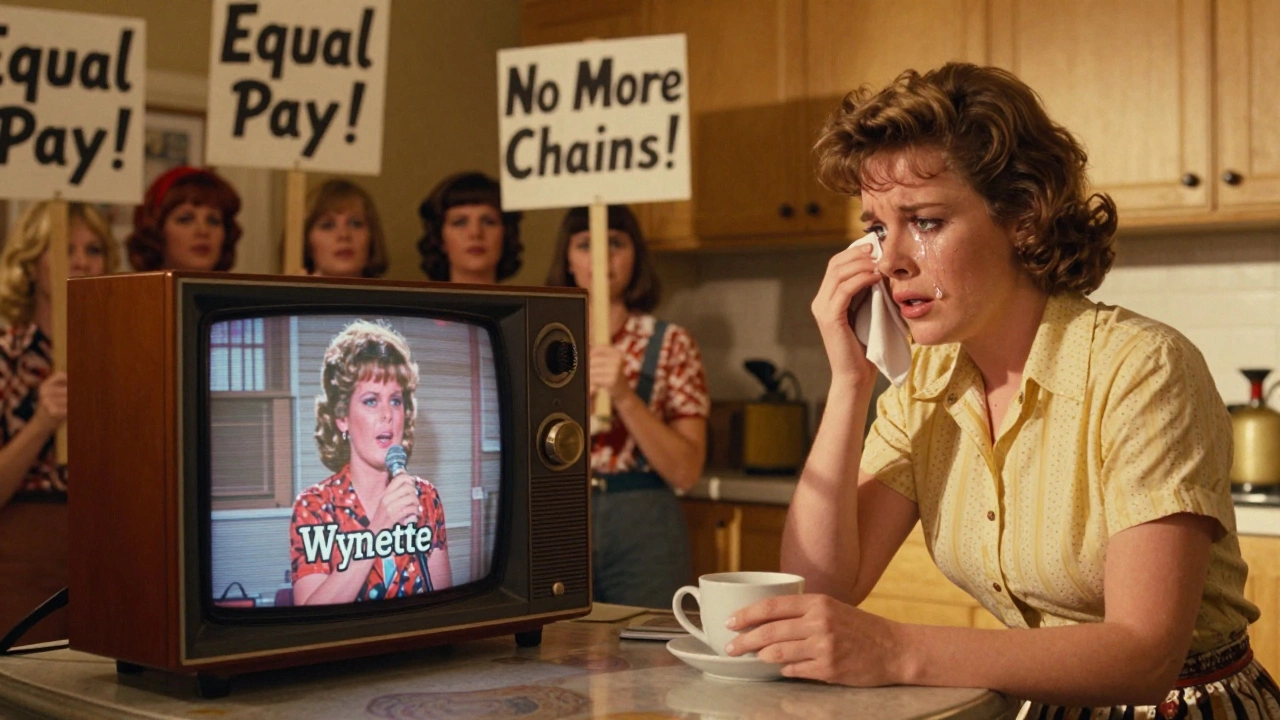
In a 1970 interview with Melody Maker, she said: “A woman couldn’t make a third of what a man could make doing an identical job... I feel it’s very wrong.” She believed in equal pay. In opportunity. In respect. But she also believed in the small things: doors held open, chairs pulled out, cigarettes lit. “I enjoy being a woman,” she said.
That contradiction confused people. But it was real. She lived in a world where women were expected to be both strong and sweet, independent and loyal. She didn’t pick one side. She held both.
And maybe that’s why the song still works. It doesn’t ask women to give up their power. It asks them to hold onto love-even when it’s messy.
What the Song Really Means Today
Modern listeners don’t hear the same thing as 1968. They hear something quieter. More human.
Today, “Stand by Your Man” is often read as a song about endurance. Not submission. About choosing to stay with someone because you see their whole self-the good, the bad, the tired, the broken. It’s not about ignoring infidelity or abuse. It’s about forgiving the small betrayals: the forgotten anniversary, the unspoken criticism, the late night coming home smelling like whiskey and regret.
Lyle Lovett covered it in 1985, singing from a man’s point of view. His version? A plea. A confession. “I’m just a man,” he sings. “Don’t give up on me.” Suddenly, the song isn’t about women obeying men. It’s about men asking for grace.
That’s the beauty of great art. It grows with you.
Why This Song Still Matters
It’s 2026. Women lead companies. Run countries. Write laws. And yet, we still argue about this song.
Why? Because it’s not really about gender roles. It’s about vulnerability. About choosing love when it’s hard. About seeing someone’s flaws and still deciding to stay.
Wynette knew what she was singing about. She was on her second divorce when she recorded it. Her marriage to George Jones was falling apart. She’d seen the pain. She’d lived it. And still, she wrote this song.
It’s not a rule. It’s a reflection. A mirror held up to the quiet sacrifices most relationships require. The late-night calls. The silent tears. The forgiveness you give because you know love isn’t about being perfect-it’s about being present.
That’s why it still plays in kitchens, in cars, in hospitals. Not because it’s old. But because it’s true.
The Legacy That Won’t Die
The song has been covered by dozens of artists. Played at weddings. Used in TV shows. Featured in documentaries about feminism. It’s been quoted, condemned, defended, and reinterpreted.
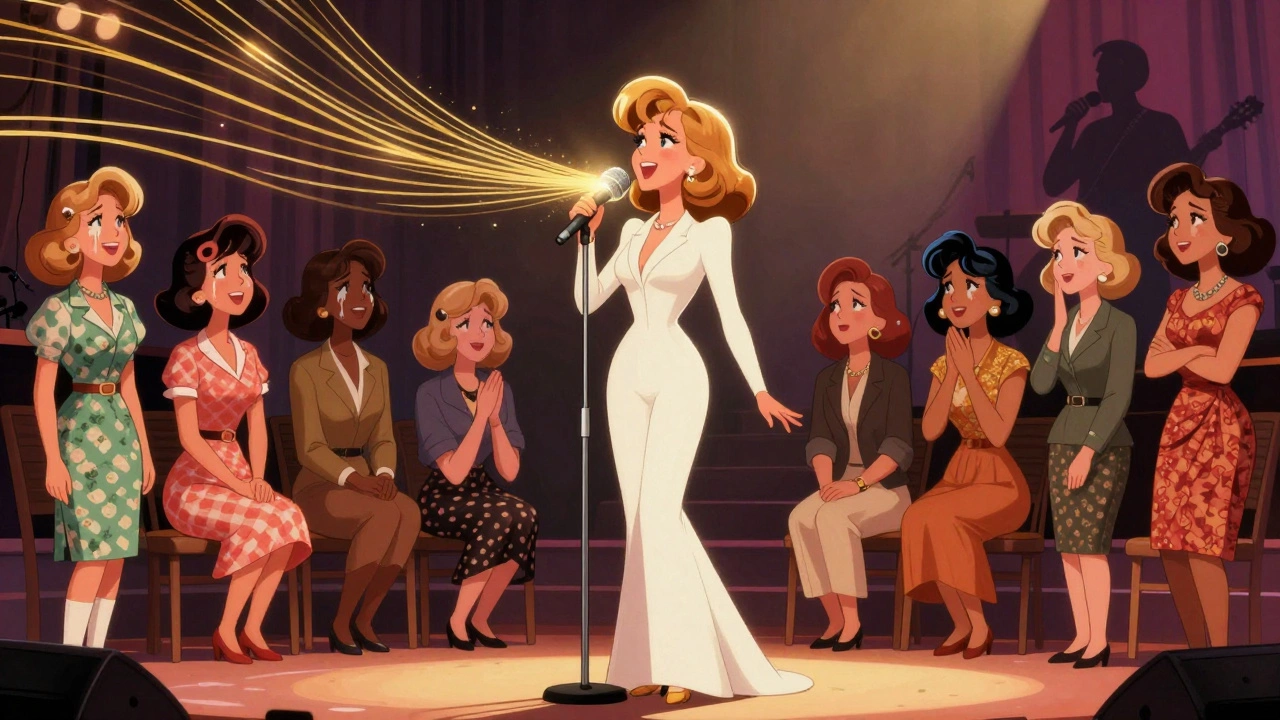
Wynette spent the rest of her life defending it. She didn’t apologize. She didn’t explain. She just sang it. Again and again. Live. On stage. In front of crowds who cheered, cried, and sometimes booed.
She died in 1998. But the song didn’t. It didn’t need to. It had already done its job.
It didn’t tell women what to do. It showed them what they already knew: love isn’t easy. But sometimes, it’s worth standing by.


