
When Bob Marley sang, "We are the children of the soil, and the soil is our mother," he wasn’t just writing poetry. He was speaking a language carved out of suffering, faith, and a promise that wouldn’t die. Rastafari lyrics in reggae music aren’t background noise. They’re a living theology, a protest chant, and a map home-all wrapped into one. If you’ve ever heard a reggae song and felt something shift inside you, it’s because these songs weren’t made to entertain. They were made to awaken.
Spirituality: A God Who Walks the Earth
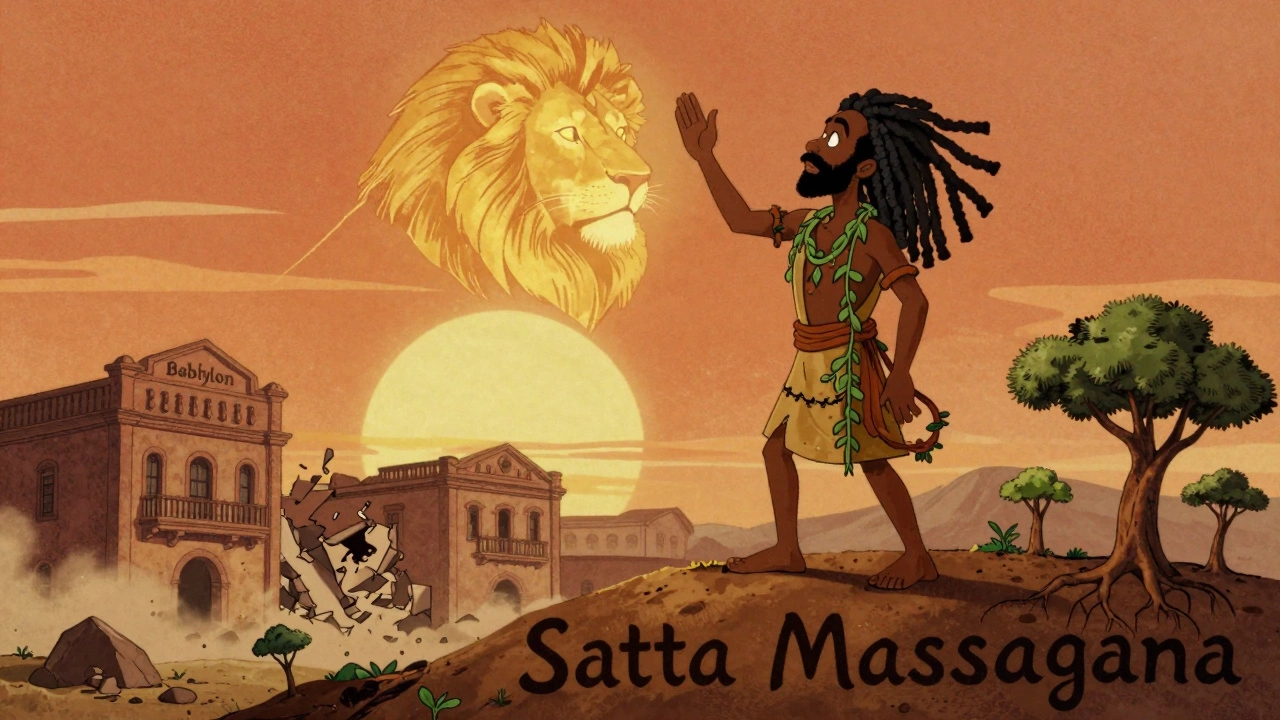
Rastafari doesn’t believe in a distant, cloud-dwelling God. It believes in a king who walked the earth-Haile Selassie I, Emperor of Ethiopia, crowned on November 2, 1930. To Rastafarians, he isn’t just a historical figure. He’s Jah, the living incarnation of God. This isn’t metaphor. It’s doctrine. And it shows up in every verse. Songs like "Satta Massagana" by The Abyssinians don’t just mention Africa-they speak in its tongue. The phrase "Satta massagana ahamlack ulaghiize" is Amharic, Ethiopia’s ancient language, and it means: "Give thanks and praise to God continually." This isn’t a gimmick. It’s an act of reclamation. When reggae artists use African words, they’re rejecting the colonial language forced on them and returning to the sacred vocabulary of their ancestors. Bob Marley’s "Get Up Stand Up" flips Christian dogma on its head. "Preacher man, don’t tell me, Heaven is under the earth," he sings. That line isn’t rebellion for rebellion’s sake. It’s theology. Rastafarians believe salvation isn’t found in a church after death-it’s built here, now, on this soil. The Bible isn’t ignored. It’s rewritten. The Book of Revelation isn’t about the end of the world-it’s about the end of oppression. The Lion of Judah isn’t a symbol. He’s a person. And his name is Haile Selassie.Resistance: Babylon Is Everywhere
If spirituality is the soul of Rastafari, then resistance is its heartbeat. And the enemy? Babylon. Babylon isn’t ancient Rome. It’s not even New York or London. Babylon is the system. The school that teaches you your history starts with slavery. The police that stop you for walking while Black. The record label that wants you to sing about love and not justice. Babylon is the idea that you’re less because you were born in Jamaica, or Haiti, or Trinidad. It’s the silence that follows when you speak truth. Marley’s lyrics don’t whisper. They shout. "You can’t educate us, for no equal opportunity; we are what we are; and that the way it’s going to be." That’s not a song lyric. That’s a manifesto. It’s a direct challenge to colonial education systems that taught Black children to worship foreign gods and forget their own. Reggae artists didn’t just sing about injustice-they named it. They didn’t just mourn it-they refused to accept it. The structure of these songs makes resistance stick. Repetition. Chants. Call-and-response. "Get up, stand up, stand up for your rights." You don’t just listen to that. You say it. You shout it. You feel it in your chest. That’s not accidental. That’s strategy. Rastafari music was designed to be sung in the streets, in the yards, in the prisons. It’s meant to be memorized. To be passed down. To become a weapon.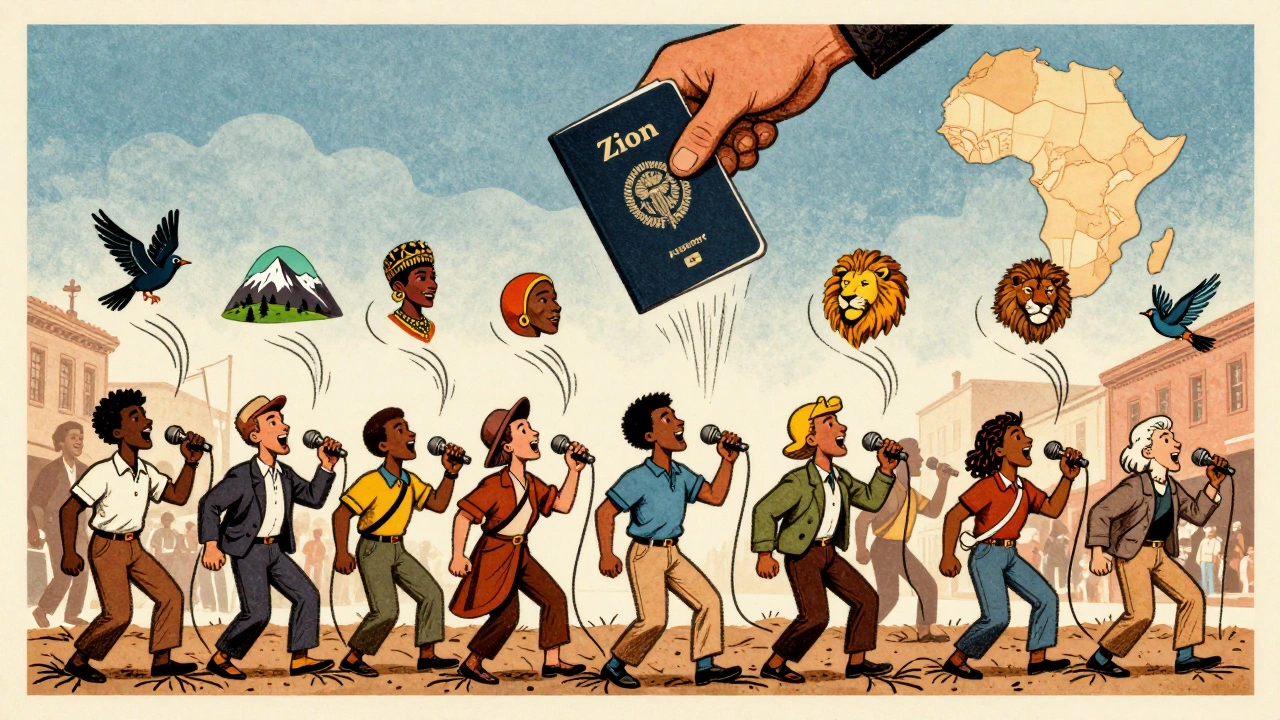
Repatriation: The Long Journey Home
The deepest wound in Rastafari isn’t slavery. It’s exile. The forced removal of millions from Africa. The erasure of names, languages, gods. So the dream isn’t just freedom-it’s return. Africa isn’t a continent on a map. It’s Zion. The promised land. The place where the soul remembers its name. Rastafari lyrics are full of this longing. "We are the children of the soil," Marley sings. Not the soil of Jamaica. Not the soil of the West. The soil of Ethiopia. Of Ghana. Of Senegal. Of the land they were stolen from. The pattern is ancient: paradise, exile, return. It’s in the Bible. It’s in the story of Israel. Rastafarians say: we are the new Israel. Our wilderness is the diaspora. Our Promised Land is Africa. That’s why songs like "Redemption Song" don’t end with hope. They end with a command: "We’ve got to fulfill the Book." Not just believe it. Fulfill it. This isn’t fantasy. It’s politics. In 2023, Ethiopia began offering citizenship to Rastafari descendants. In 2025, over 60% of top reggae singles referenced this move. Artists like Chronixx and Kabaka Pyramid are now singing about passports, not just poetry. The repatriation dream is no longer just a song. It’s a visa. A flight. A homecoming.How Reggae Changed the World
Before reggae, protest music was loud. But Rastafari made it sacred. Before reggae, Black identity was something you fought to reclaim. Rastafari made it divine. Catch a Fire, Bob Marley’s 1973 album, sold over 15 million copies. Not because it was catchy. Because it was true. It told the world: you can’t silence us. We are not broken. We are not lost. We are waiting for the right time to rise. Today, reggae streams 37% more every year among young people. Why? Because the message still fits. The system hasn’t changed. Babylon is still here. The schools still lie. The police still target. The borders still bar. Rastafari lyrics don’t ask for permission. They don’t wait for approval. They don’t soften their edges for radio play. That’s why they endure. That’s why they’re louder now than ever.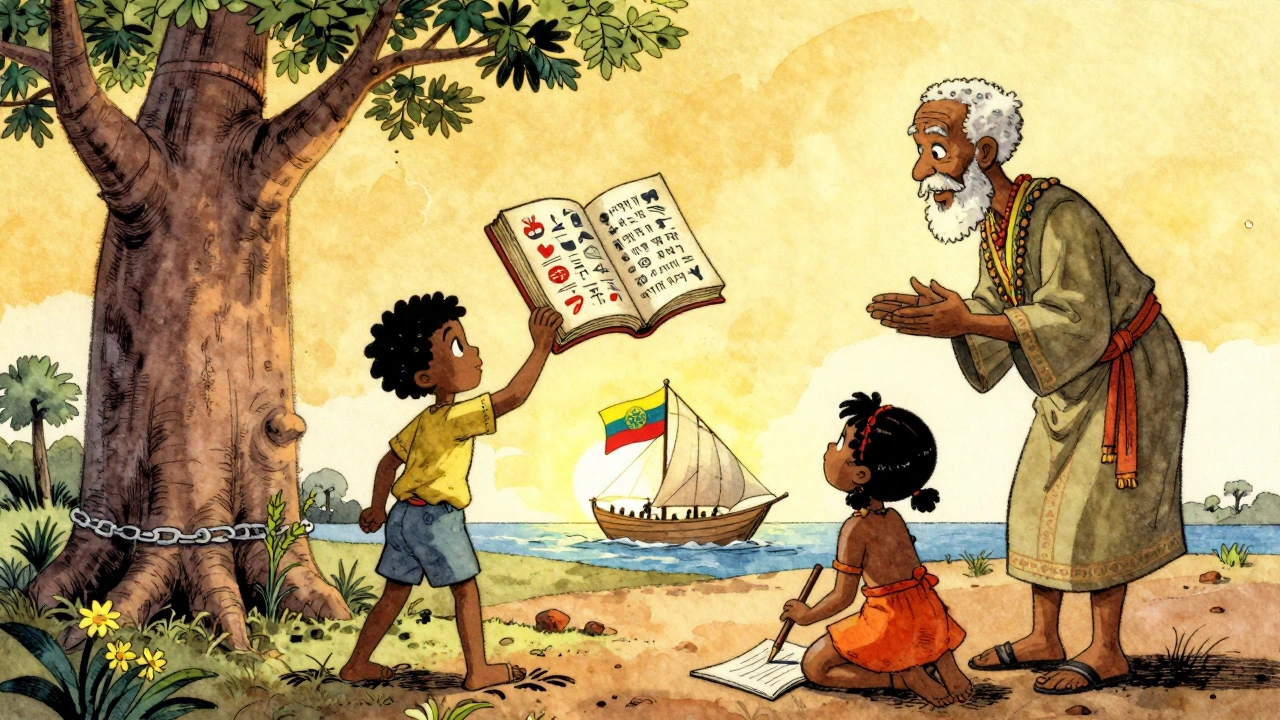
Modern Voices, Same Fire
The movement didn’t stop with Marley. Chronixx’s 2023 album Roots and Wings hit 85 million streams in six months. Why? Because he doesn’t just sing about Africa-he sings about the *real* Africa. Not the tourist version. The one with the soil, the ancestors, the struggle. Kabaka Pyramid doesn’t just say "I’m a Rasta". He says "I’m a warrior with a microphone." Social media didn’t kill Rastafari. It spread it. YouTube channels with 250,000 subscribers break down lyrics line by line. TikTok clips of elders chanting Amharic hymns go viral. The message isn’t fading. It’s multiplying. And the scholarship? In 2024 alone, 147 peer-reviewed papers studied Rastafari lyrics. Not as a curiosity. As a movement. As a force. Professor Monique Bedasse’s 2025 book links modern lyrics directly to reparations demands. This isn’t music history. It’s human rights history.Why This Matters
You don’t need to be Rastafari to feel this. You just need to know what it means to be told you don’t belong. To be told your history is wrong. To be told your God is fake. Rastafari lyrics say: You are not alone. You are not broken. Your God walks with you. Your land is waiting. Rise. These songs aren’t about Jamaica. They’re about every place where people have been told they’re less. They’re about every child who’s ever been punished for speaking their language. They’re about every mother who’s buried a son to police violence. They’re about every soul that still believes in justice-even when the world says it’s impossible. Reggae didn’t change music. It changed the way we hear truth.What does "Babylon" mean in Rastafari lyrics?
In Rastafari, "Babylon" isn’t a place-it’s a system. It refers to any structure that oppresses, exploits, or dehumanizes Black people. This includes colonial governments, racist institutions, corrupt police, exploitative media, and even religious systems that silence African spirituality. Bob Marley used "Babylon" to name the forces that kept Black people trapped in poverty, ignorance, and fear. It’s not just about Jamaica-it’s about the global legacy of slavery and imperialism.
Why do Rastafari songs use Amharic and other African languages?
Using African languages like Amharic is an act of spiritual and cultural reclamation. After centuries of forced assimilation, Rastafarians use these languages to reconnect with their ancestral roots. When The Abyssinians sing "Satta massagana," they’re not just using words-they’re invoking a sacred tradition. It’s a way of saying: "We are not lost. We remember. We speak our own tongue." This also challenges the dominance of English and European languages in music, making space for African identity to thrive.
Is Rastafari a religion or just a music style?
Rastafari is a full spiritual movement with its own theology, ethics, and practices-not just a music genre. It emerged in 1930s Jamaica around the belief that Haile Selassie I is the living God. It includes dietary laws (ital), dreadlocks as a spiritual vow, meditation, and communal living. Music, especially reggae, became its most powerful tool for spreading its message, but the faith existed long before the songs. Artists like Bob Marley didn’t invent Rastafari-they gave it a voice.
How did Bob Marley make Rastafari global?
Bob Marley didn’t just sing about Rastafari-he lived it. His lyrics were simple but deep, his voice carried pain and power, and his image-dreadlocks, robes, and peace signs-became iconic. Albums like Catch a Fire and Exodus reached millions who had never heard of Haile Selassie. He made the movement human. He didn’t preach. He shared. He showed that Rastafari wasn’t just for Jamaicans-it was for anyone who felt trapped by injustice. His global fame turned a marginalized faith into a worldwide symbol of resistance and hope.
Are Rastafari lyrics still relevant today?
More than ever. Modern reggae artists like Chronixx, Kabaka Pyramid, and Protoje still sing about Babylon, repatriation, and spiritual awakening. With rising global inequality, police violence, and cultural erasure, these themes resonate louder than ever. In 2025, 63% of top reggae singles referenced Ethiopia’s citizenship offer to the diaspora-proving the repatriation dream is alive. Rastafari lyrics aren’t relics. They’re instructions for survival in a world still built on exploitation.


