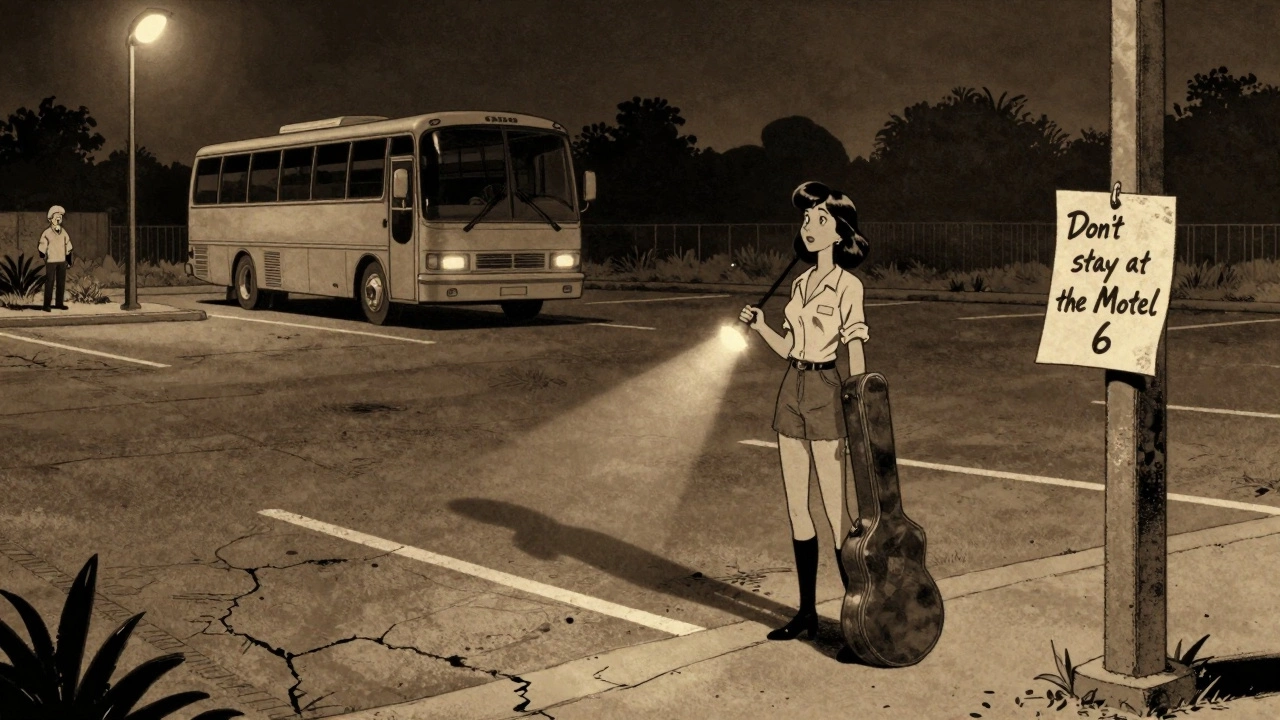

Back in the 1970s, women were stepping onto stages and into tour buses like never before. Rock, folk, soul, and punk were being reshaped by female voices - Joni Mitchell, Patti Smith, Aretha Franklin, Linda Ronstadt, Chrissie Hynde. But behind the music, there was another story: the daily grind of getting from one city to the next, finding a place to sleep, and walking through parking lots alone at midnight wondering if anyone would notice if something happened. Touring as a woman in the 1970s wasn’t just about playing gigs. It was about surviving a world that hadn’t caught up with you.
Traveling Alone Wasn’t Just Unusual - It Was Risky
In 1970, only 43% of American women worked outside the home. By 1980, that number jumped to over 51%. More women were on the road - for jobs, for education, for freedom. And that included musicians. But the infrastructure didn’t change. Public transit systems weren’t designed with women’s safety in mind. Parking lots at venues were dim, alleyways behind clubs were unlit, and train stations at midnight? Forget about it.
Women didn’t just fear crime - they feared being ignored. If a man followed you off the bus, who would help? If you got stranded after a show in a town you didn’t know, would the hotel clerk even believe you were with the band? Many women learned to carry a flashlight, sleep with their keys in hand, and never accept a ride from someone they didn’t know - even if he said he worked for the promoter.
There were no apps. No GPS. No Uber. No way to check if a driver was legit. So women relied on word of mouth. A note passed from one roadie to another. A whispered warning in a backstage hallway: "Don’t stay at the Motel 6 in Toledo. The manager watches the rooms." These weren’t urban legends. They were survival tactics.
Logistics Were Built for Men - And Women Had to Work Around Them
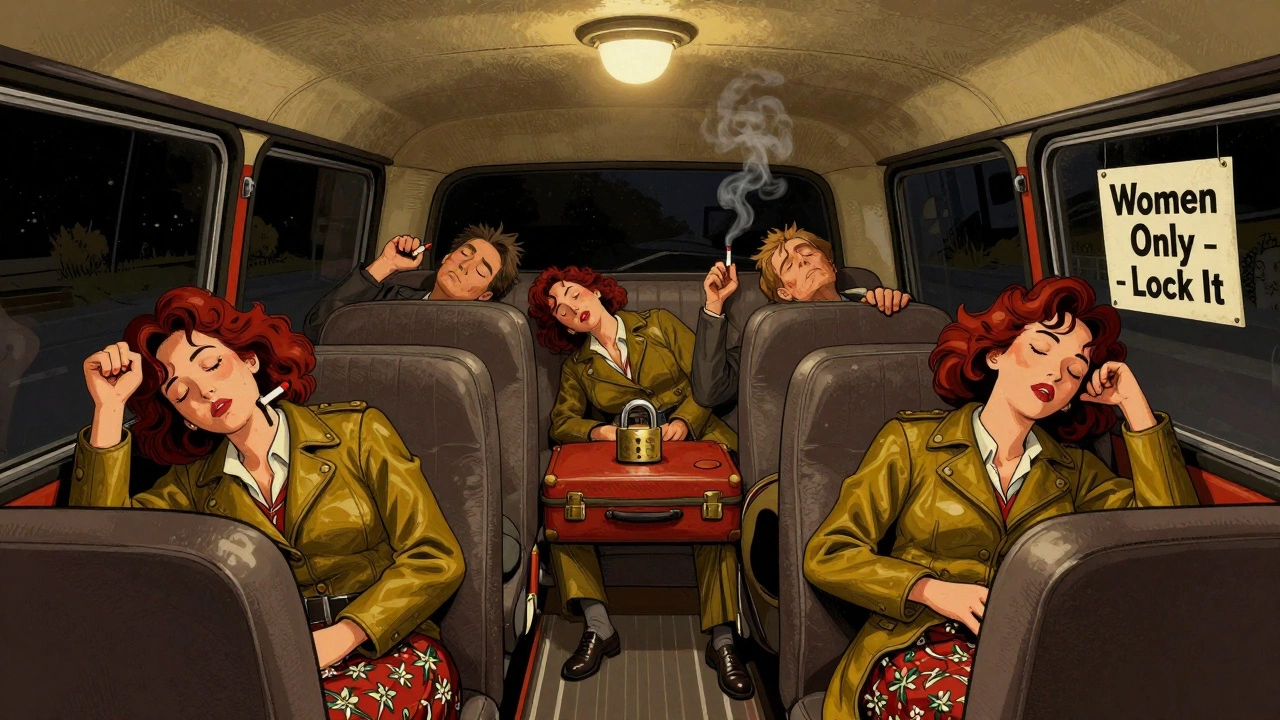
Tour buses in the 1970s were cramped, smoky, and rarely had private spaces. Imagine being on the road for weeks with a male band, a male crew, and no bathroom you could lock. Some women brought their own portable locks. Others slept in their clothes, just in case.
Accommodations? Most hotels didn’t offer women-only floors. Some didn’t even allow single women to check in without a male companion. A few progressive chains - like Holiday Inn in certain cities - started letting women book alone by the mid-70s, but it wasn’t standard. So many female artists stayed in YWCA hostels, church halls, or with local fans who responded to ads in underground newspapers.
And then there was gear. Back then, roadies handled everything. But if you were a solo artist or part of a small band, you might be carrying your own equipment. A guitar case, a suitcase, a microphone stand - all of it had to fit into a car or onto a bus. No valet. No help. No one asked if you needed a hand. You learned to do it yourself - or not show up.
Respect Wasn’t Given - It Was Taken
Women in music were often treated like guests, not professionals. A male promoter might ask if you were "the singer" instead of your name. A venue owner might assume you were there to date someone in the band. A radio host might ask what you wore to the last show instead of what you wrote.
It wasn’t just condescension - it was systemic. Record labels often booked women for shorter tours. Fewer dates. Smaller venues. Less money. And when you pushed back? You were called "difficult."
But women fought back. Linda Ronstadt refused to tour without a female tour manager. Patti Smith insisted on being introduced by her full name - not "the girl with the guitar." Joan Baez started her own tour company in 1974 to control how she was treated on the road. These weren’t just personal choices. They were political acts.
Ms. magazine, launched in 1972, became an unexpected hub for this kind of exchange. Women wrote letters about everything - from how to handle a drunk audience member to where to find a safe place to shower after a long drive. These weren’t just travel tips. They were survival manuals.
The Real Danger Wasn’t Always What You Thought
Most women feared assault. And yes, that happened. But the bigger threat? Exhaustion. Dehydration. Being too tired to notice you were being followed. Being too broke to afford a hotel room. Being too afraid to ask for help.
Studies today show that women overestimate rare dangers - like stranger attacks - and underestimate common ones - like car crashes or falling asleep behind the wheel. That was true in the 70s too. Many women drove 500 miles in one day just to avoid staying in a sketchy town. They skipped meals to save money. They didn’t call home because they didn’t want to worry anyone.
One roadie from a 1975 tour with Laura Nyro told a journalist years later: "She’d drive for hours, humming to herself. She didn’t talk about fear. She didn’t need to. You could see it in how she locked every door twice."
How Women Changed the Game - One Tour at a Time
By the end of the decade, things began to shift. More women were booking their own tours. More venues started hiring female security staff. Some bus companies began offering women-only sleeping cars on long-distance routes - not because they had to, but because enough women demanded it.
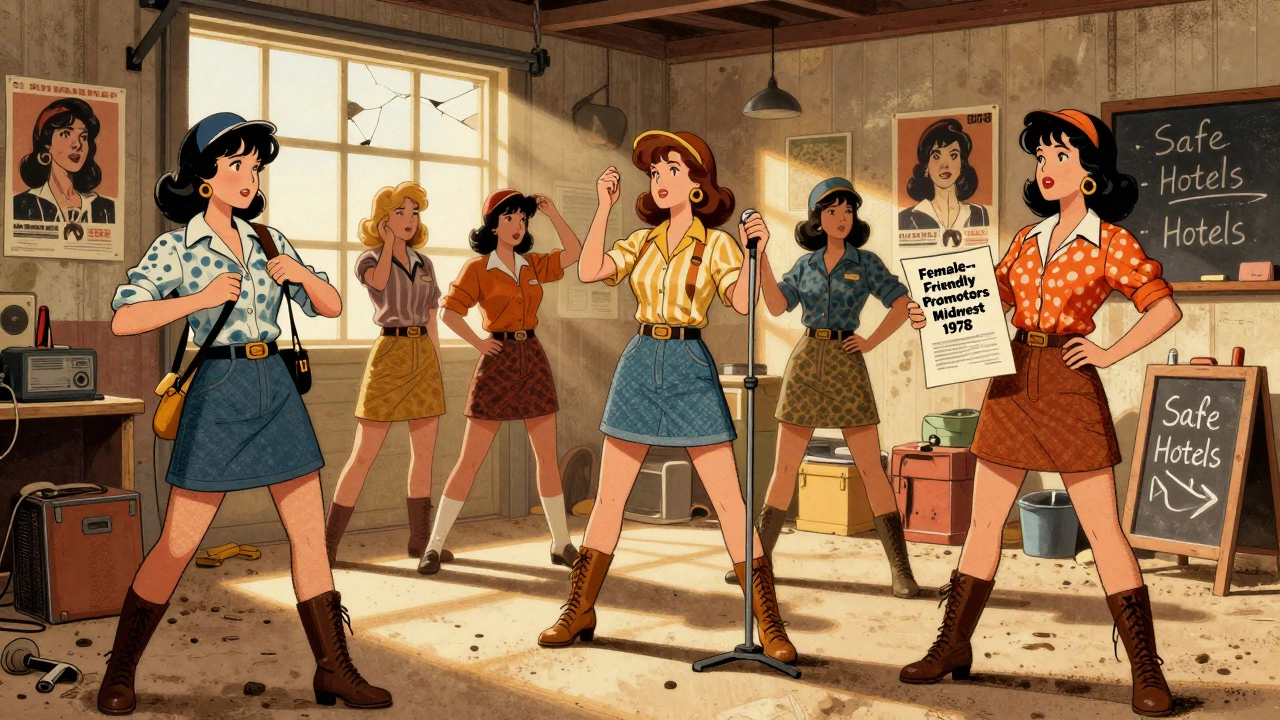
The real change came from networks. Women started sharing lists: "Safe Hotels for Women on Tour - 1977," "Female-Friendly Promoters in the Midwest," "Where to Find a Female Doctor After a Show." These weren’t official guides. They were photocopied pamphlets passed hand to hand.
By 1979, the first all-women road crew formed - a group of women who worked as sound engineers, stagehands, and drivers. They didn’t just support each other. They trained others. And slowly, the idea that touring was a "man’s job" started to crack.
What Women Carried - And What They Left Behind
They carried flashlights, extra locks, local phone numbers, and handwritten notes from other women. They carried the weight of being the only woman on the bus. The only woman in the dressing room. The only woman the promoter remembered to call.
But they also carried something else: proof. Proof that women could tour, write songs, sell out shows, and still come home safe. Proof that you didn’t need a man to make it work. That you didn’t need permission.
Today, when you see a woman headlining a festival, driving her own van, or running her own label - you’re seeing the legacy of women who refused to wait for the world to catch up.
Did women have access to women-only accommodations while touring in the 1970s?
Yes, but rarely. Some YWCAs, church-run hostels, and a few progressive hotels offered single women private rooms, especially in larger cities like New York, Chicago, and San Francisco. But these were not reliable or widespread. Many female musicians relied on staying with fans, other artists, or even sleeping in their vans. Women-only sleeping cars on trains were introduced in a few places by the late 1970s, but only after years of pressure from travelers and activists.
How did women protect themselves from harassment on tour?
They used informal networks. Women shared lists of safe venues, trustworthy promoters, and reliable drivers through letters, fan clubs, and underground zines. Many carried personal alarms, locked themselves in hotel rooms with chairs under the doorknob, and never accepted rides from strangers. Some, like Joan Baez and Linda Ronstadt, hired female tour managers specifically to handle logistics and act as buffers against unwanted attention.
Were there any female-only tour crews in the 1970s?
Yes - but they were rare. The first known all-female road crew formed in 1979, working with a feminist folk collective on the West Coast. Before that, women worked as backup singers or managers, but rarely as sound engineers or stagehands. By the end of the decade, a handful of women had trained themselves and others, proving that technical roles weren’t just for men. Their existence challenged industry norms and opened doors for future generations.
How did the feminist movement influence women’s touring experiences?
The feminist movement gave women the language and confidence to demand better treatment. Ms. magazine, feminist newspapers, and women’s collectives became platforms for sharing travel advice and calling out exploitative promoters. Women began refusing gigs unless they had proper dressing rooms, female security, and fair pay. These weren’t just requests - they were demands backed by collective action.
Did women earn the same as men while touring in the 1970s?
No. In 1975, female musicians earned about 60% of what their male counterparts made, even when playing the same venues and drawing similar crowds. Record labels often booked women for shorter tours with smaller advances. Women were also more likely to be asked to perform for free at women’s events - seen as "promotion," not pay. It wasn’t until the late 1970s that some artists began publicly calling out pay disparities - and even then, change was slow.
Women in music didn’t wait for permission to tour. They packed their bags, locked their doors, and kept playing - not because it was easy, but because the music mattered more than the fear.


