Author: Bridget Kale


How Punk's Raw Energy Evolved Into New Wave's Polished Sound
New wave didn't betray punk-it evolved it. By blending punk's raw energy with synthesizers and pop hooks, bands like Blondie and Talking Heads turned rebellion into radio hits, proving that innovation doesn't mean selling out.

Synthesizers Take Over: How Digital Instruments Redefined 1980s Music
Synthesizers transformed 1980s music by making electronic sounds mainstream. From the Yamaha DX7 to Depeche Mode and ZZ Top, digital instruments reshaped pop, rock, and even metal-changing how music was made forever.
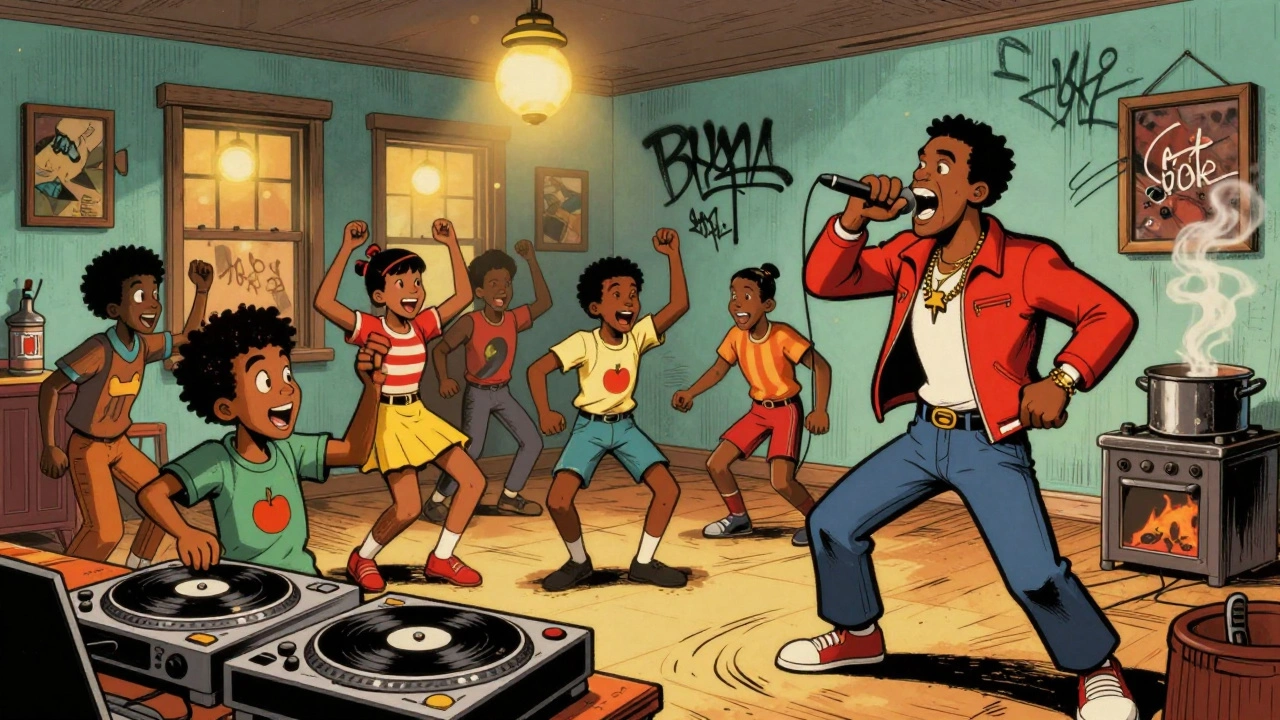
From Party Music to Art: How Hip-Hop Became a Voice for a Generation
Hip-hop began as party music in the Bronx, but evolved into a powerful art form that gives voice to marginalized communities. From DJ Kool Herc to Tupac, it transformed from entertainment to testimony.

Japanese Music Scene: How 1970s Japan Shaped Asia's Pop Sound
In the 1970s, Japanese music became Asia's hidden musical force-through enka ballads, rock fusion, and synth pioneers like YMO. Its influence shaped K-pop, idol systems, and pop production across the continent.
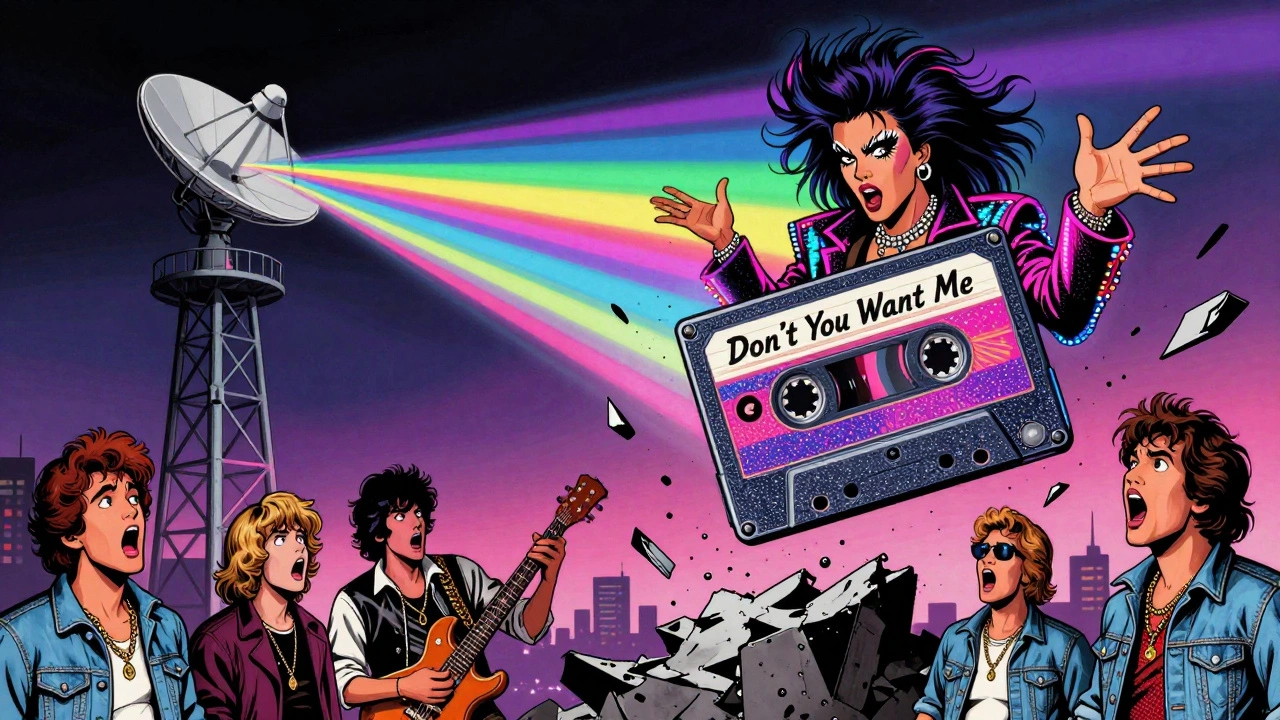
British Invasion Part Two: How 1980s UK Acts Took Over the Billboard Charts
Between 1982 and 1986, British acts like Duran Duran and Culture Club dominated the Billboard Hot 100, with 20 songs in the top 40 at once. MTV, synth-pop, and bold visuals turned the UK into America’s biggest music export.
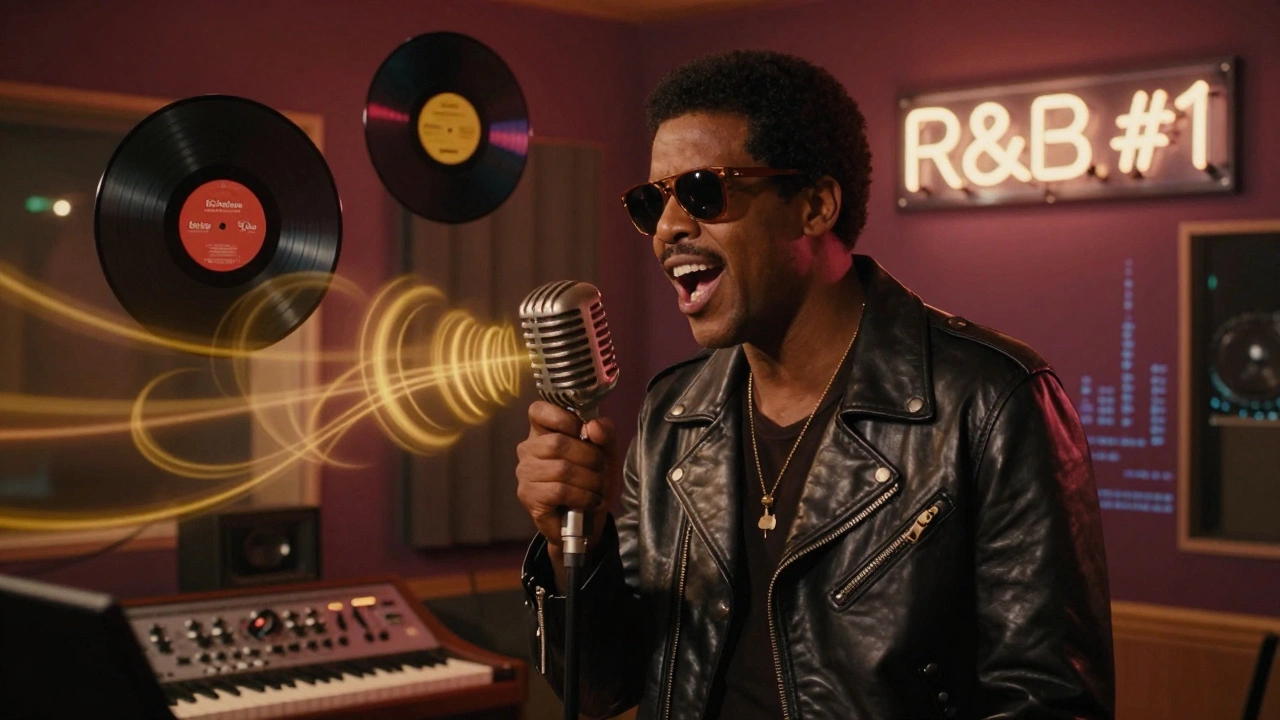
Smokey Robinson’s Enduring 1980s Soul Legacy: How He Dominated Charts When Others Faded
Smokey Robinson didn’t just survive the 1980s-he ruled it. With gold albums, chart-topping singles, and a steady presence on tour and at Motown, he proved legendary soul artists could stay relevant without turning nostalgic.
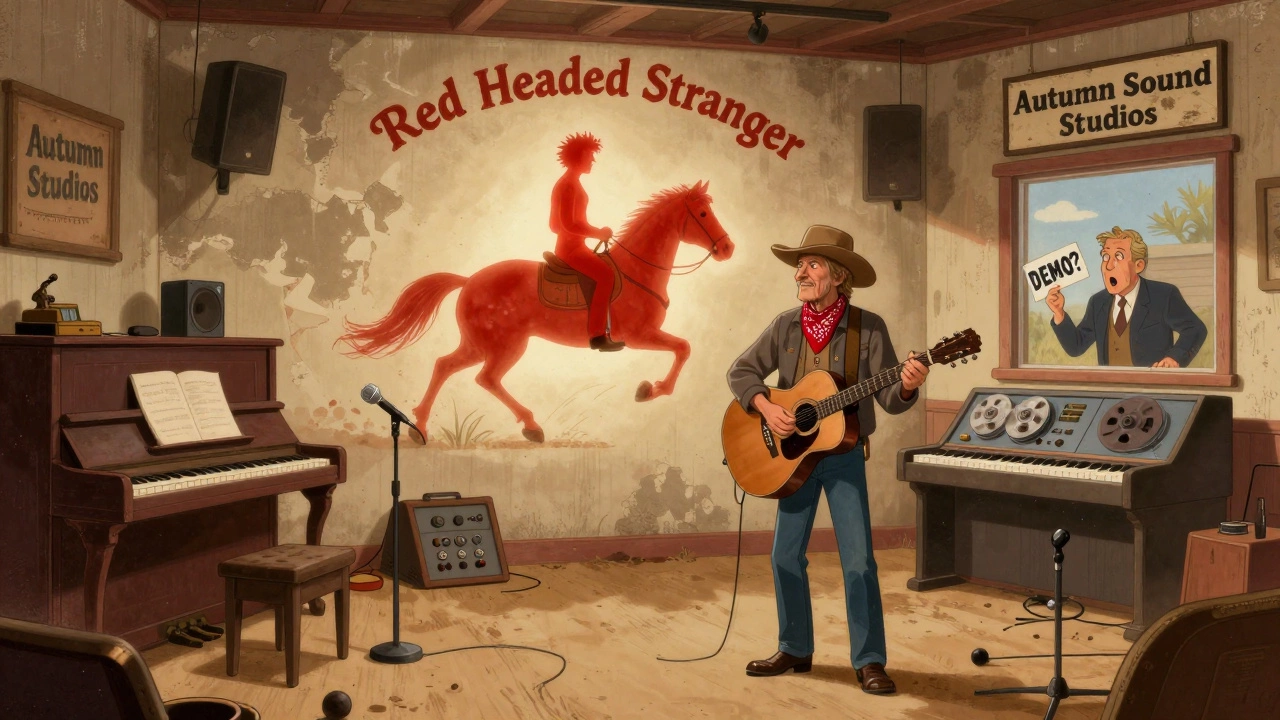
Willie Nelson's Austin Rebellion: Outlaw Country and Musical Independence
Willie Nelson’s rebellion against Nashville’s polished sound birthed outlaw country, proving that authenticity beats production. His 1975 album Red Headed Stranger changed music forever by showing artists they didn’t need labels to succeed.
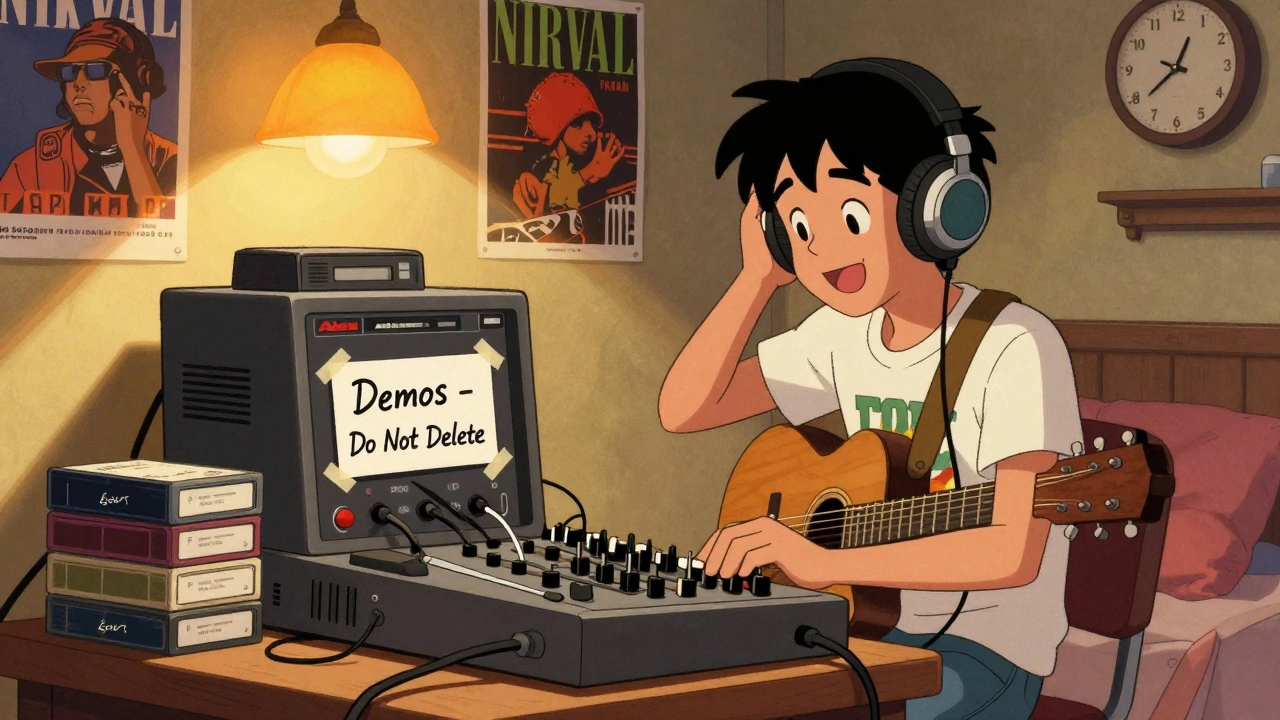
ADAT in the 1990s: How Tape-Based Multitrack Recording Changed Music Forever
ADAT in the 1990s brought professional multitrack recording to everyday musicians using cheap S-VHS tapes. It democratized music production, inspired the DIY movement, and left behind the Lightpipe standard still used today.
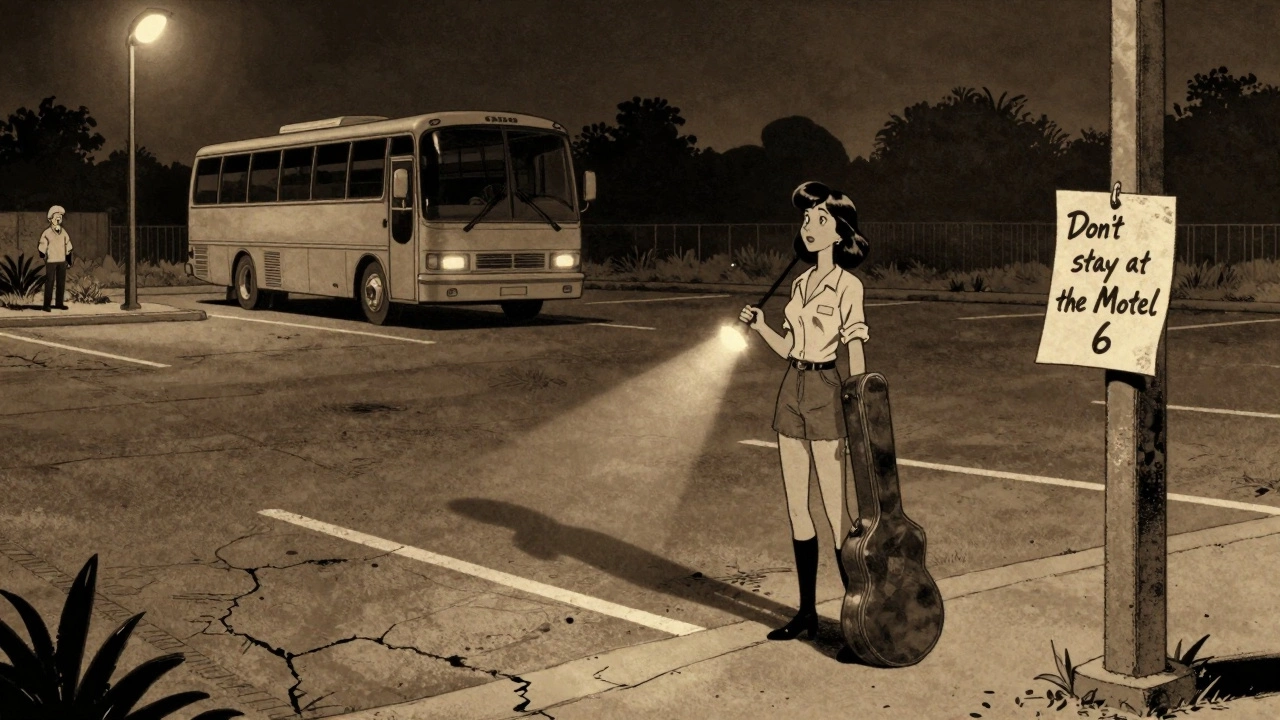
Touring Realities for Women in the 1970s: Safety, Logistics, and Respect
In the 1970s, female musicians toured under dangerous conditions with little support. From unsafe venues to unequal pay, they built networks, demanded respect, and changed the industry - one gig at a time.
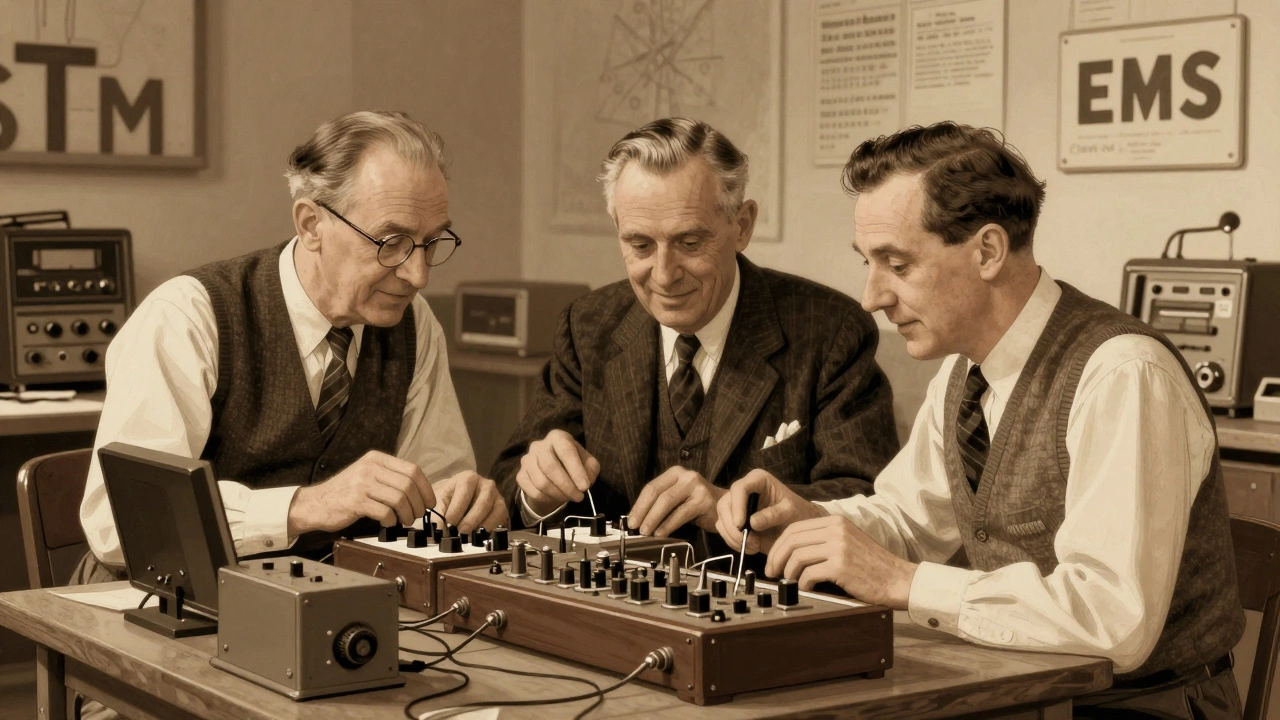
EMS Synthesizers: The British Tech That Revolutionized Electronic Music
Discover how EMS synthesizers, from the iconic VCS3 to modern reissues, shaped electronic music. Learn about their British engineering, impact on Pink Floyd and Doctor Who, and why they're still relevant today.
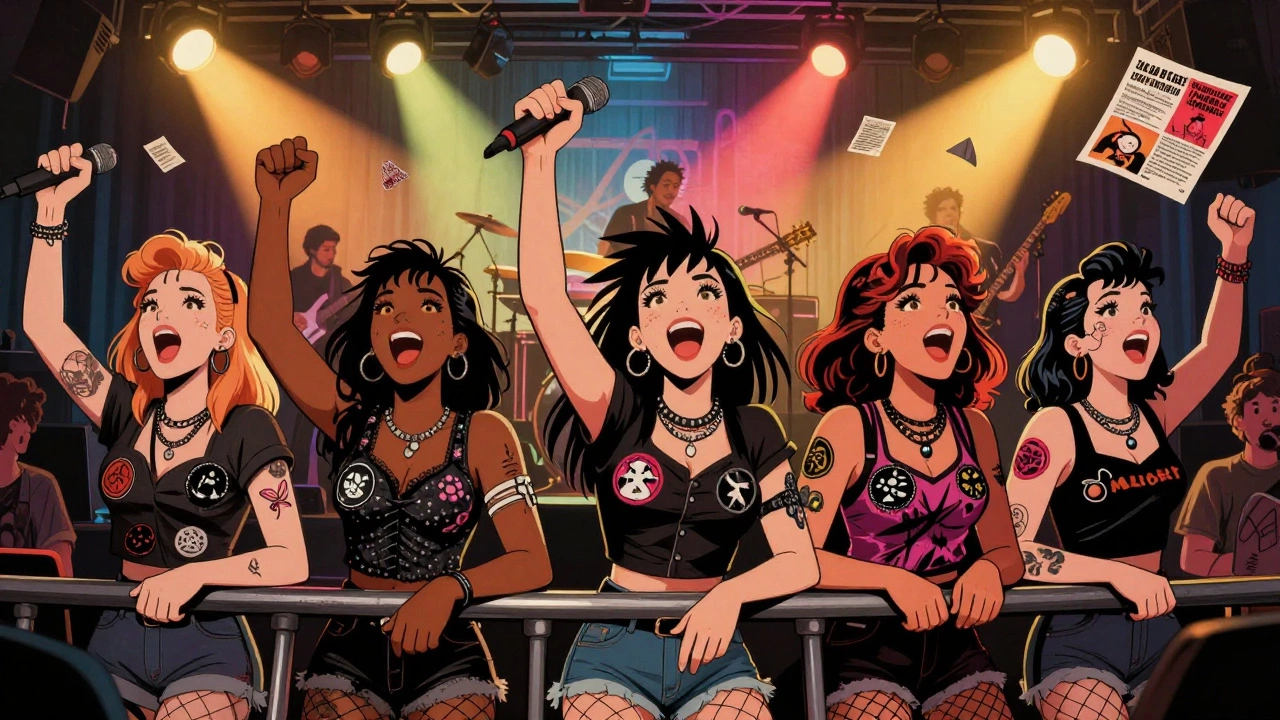
Female Fans and Girl Culture: How Women Are Shaping the Music Industry
Female fans aren't just listeners-they're the economic and cultural force keeping music alive. From metal mosh pits to indie festivals, women are driving attendance, shaping art, and demanding change. Their passion is real, their impact is measurable, and their voice is finally being heard.