Author: Simply Darling
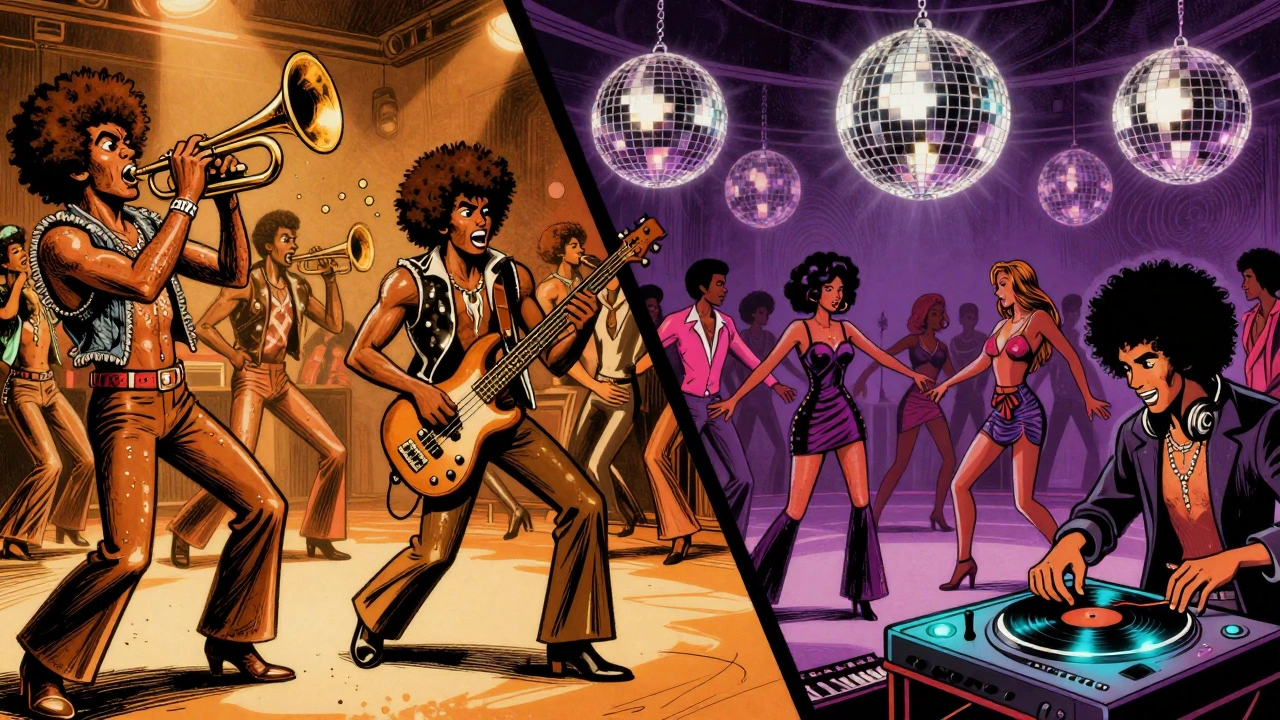

Funk vs Disco: The 1970s Dance Genres That Changed Music Forever
Funk and disco were both 1970s dance genres rooted in soul, but funk thrived on syncopation and improvisation while disco was built for steady, pulsing dancefloors. Their differences shaped music for decades.
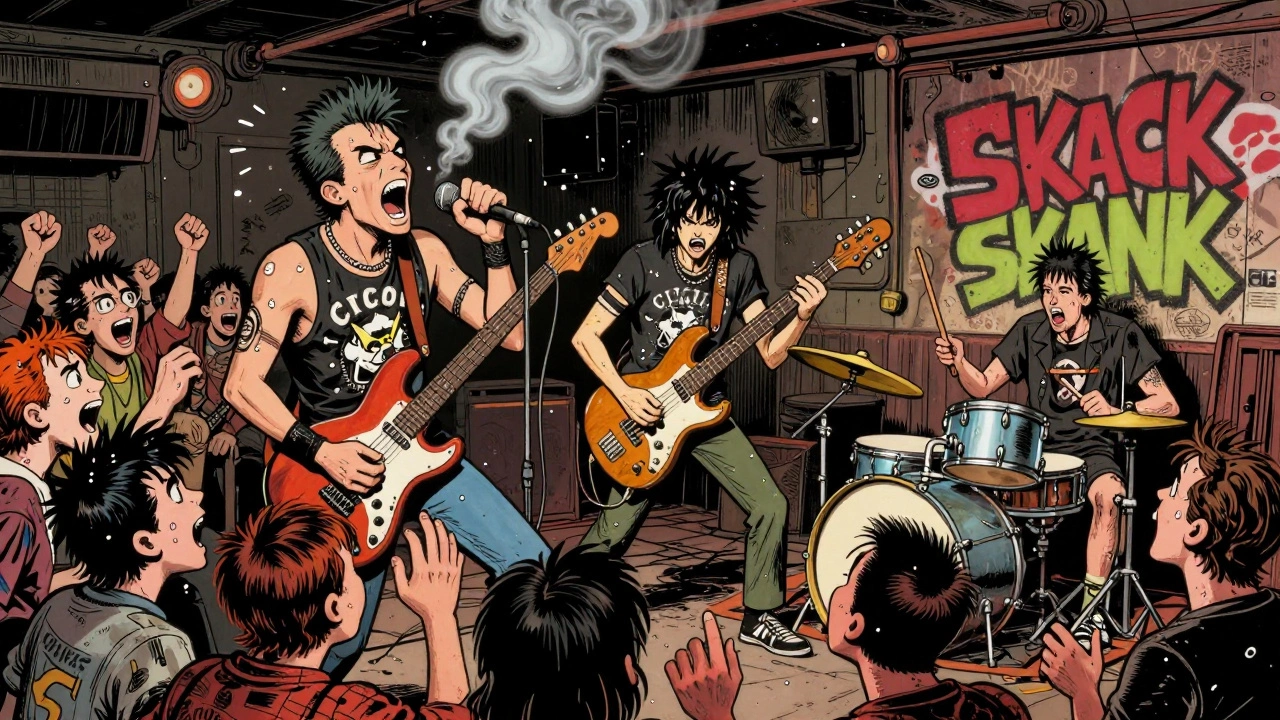
Circle Jerks' Group Sex: The 1980s Hardcore Punk Album That Defined Aggression
Circle Jerks' 1980 album Group Sex captured the raw energy of early hardcore punk with 14 blistering tracks in just 15 minutes. A landmark release that defined the genre's speed, attitude, and DIY spirit.
Why 1980s Melodies Still Sound Irresistible Today
1980s melodies still dominate playlists, ads, and weddings because they were built to be unforgettable-layered, bold, and emotionally powerful. Their legacy lives on in today's biggest hits.
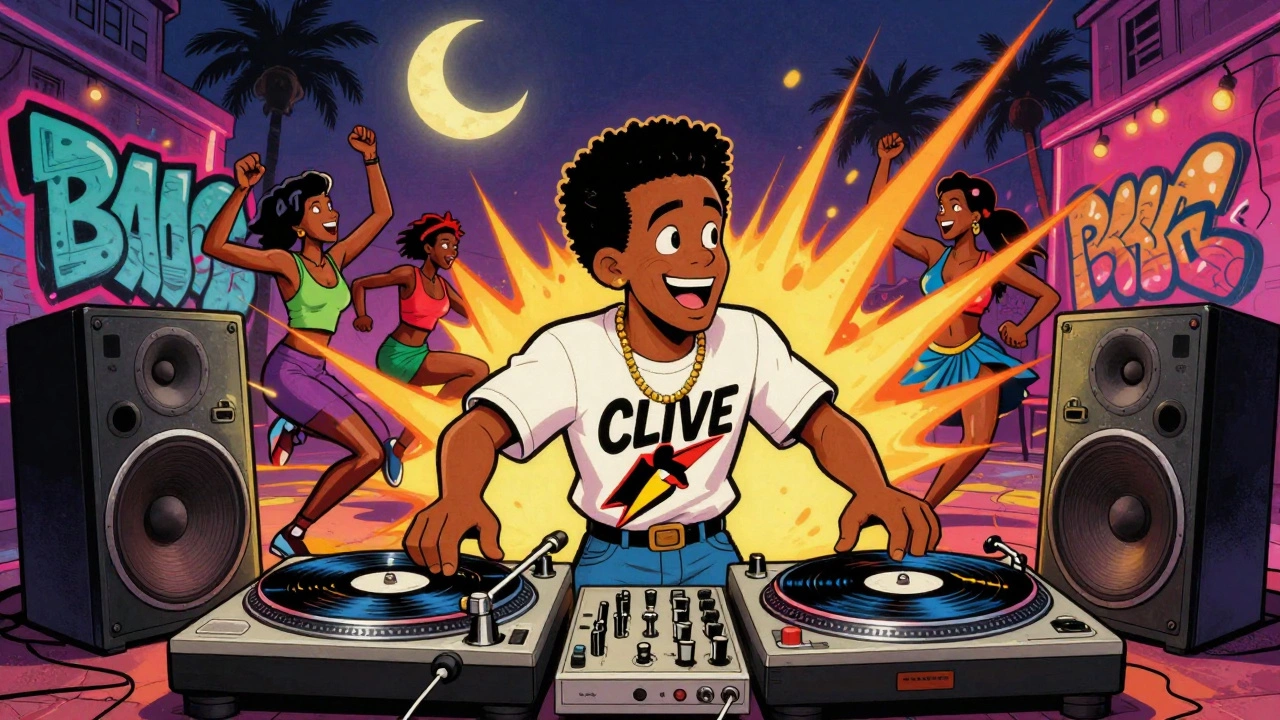
How Jamaican Dancehall Shaped the Birth of Hip-Hop
Hip-hop didn't just borrow from Jamaican dancehall - it was born from it. From Kool Herc's breakbeats to toasting that became rapping, the musical lineage is clear, deep, and still shaping global music today.
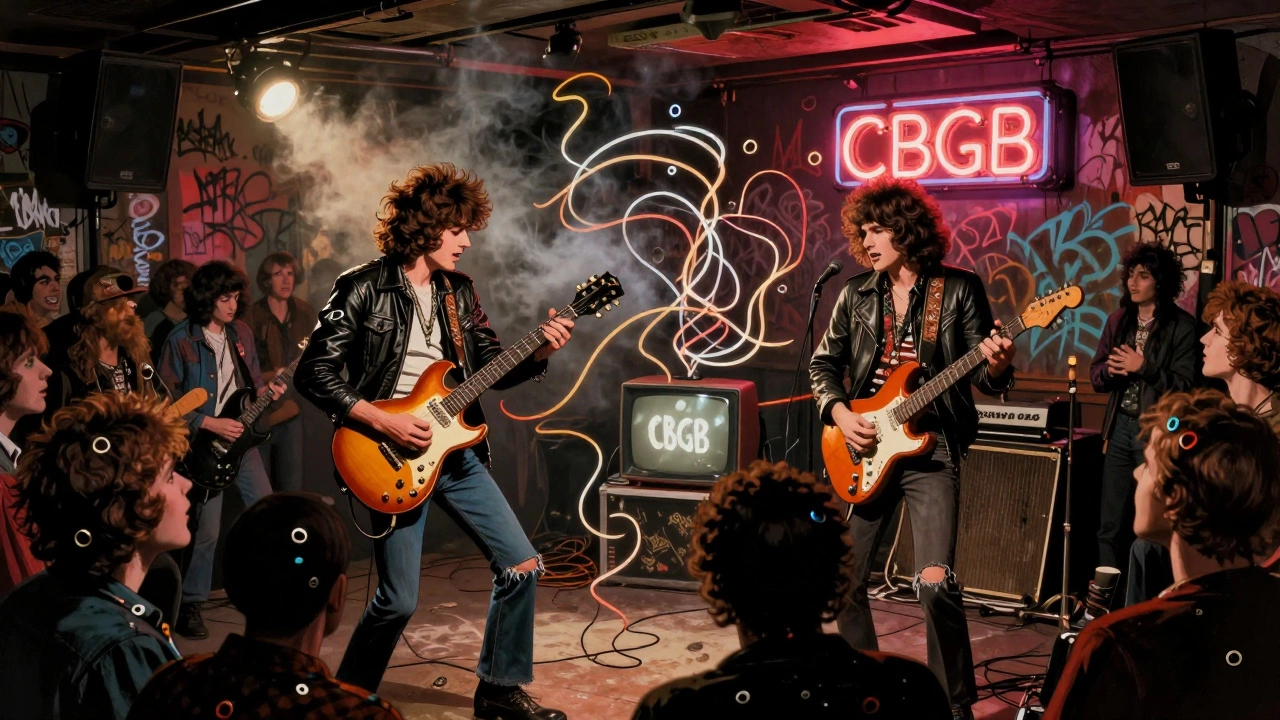
American Art-Punk: Television, Richard Hell, and the New York Experiment That Changed Music
American art-punk emerged from 1970s New York as a raw, poetic, and musically complex rebellion against punk's simplicity. Led by Television and Richard Hell, it blended poetry, avant-garde art, and experimental guitar work to create a sound that still echoes in indie and alternative music today.
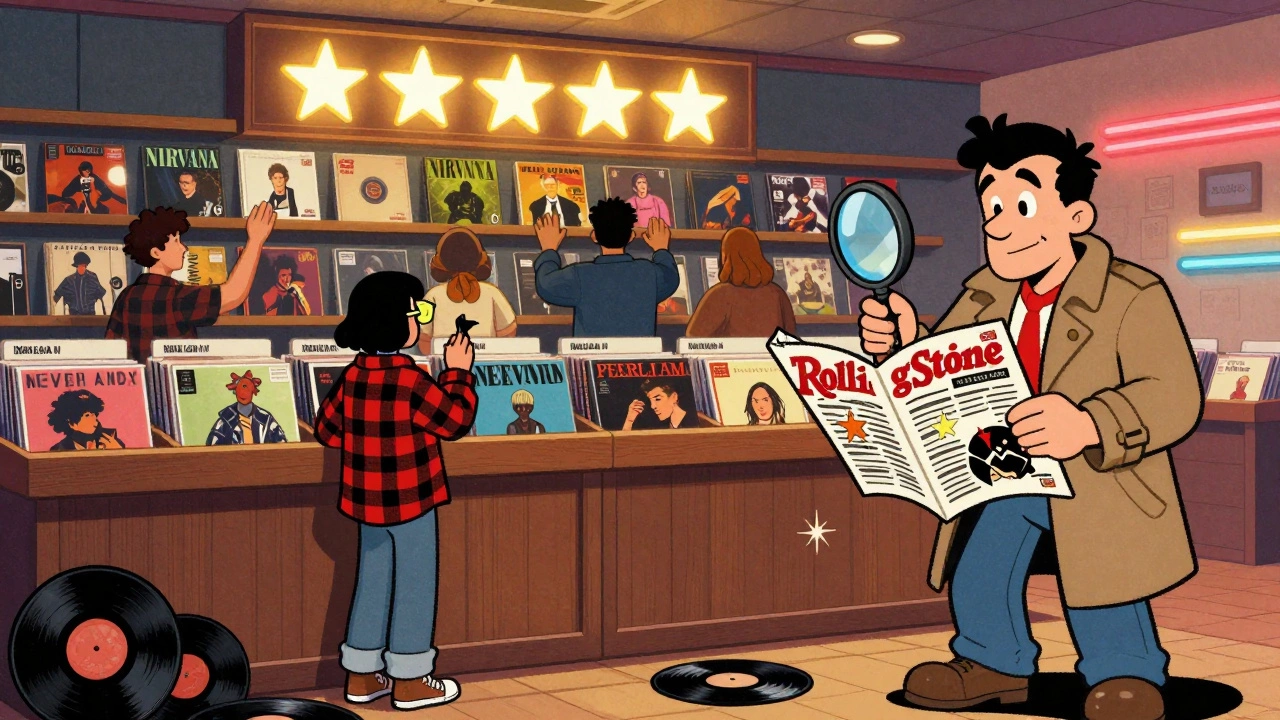
1990s Album Reviews: How Star Ratings Built the Decade’s Musical Canon
The 1990s shaped modern music criticism through star ratings and letter grades that defined which albums became classics. From Rolling Stone to Robert Christgau, critics held immense power-but fans ultimately decided what lasted.
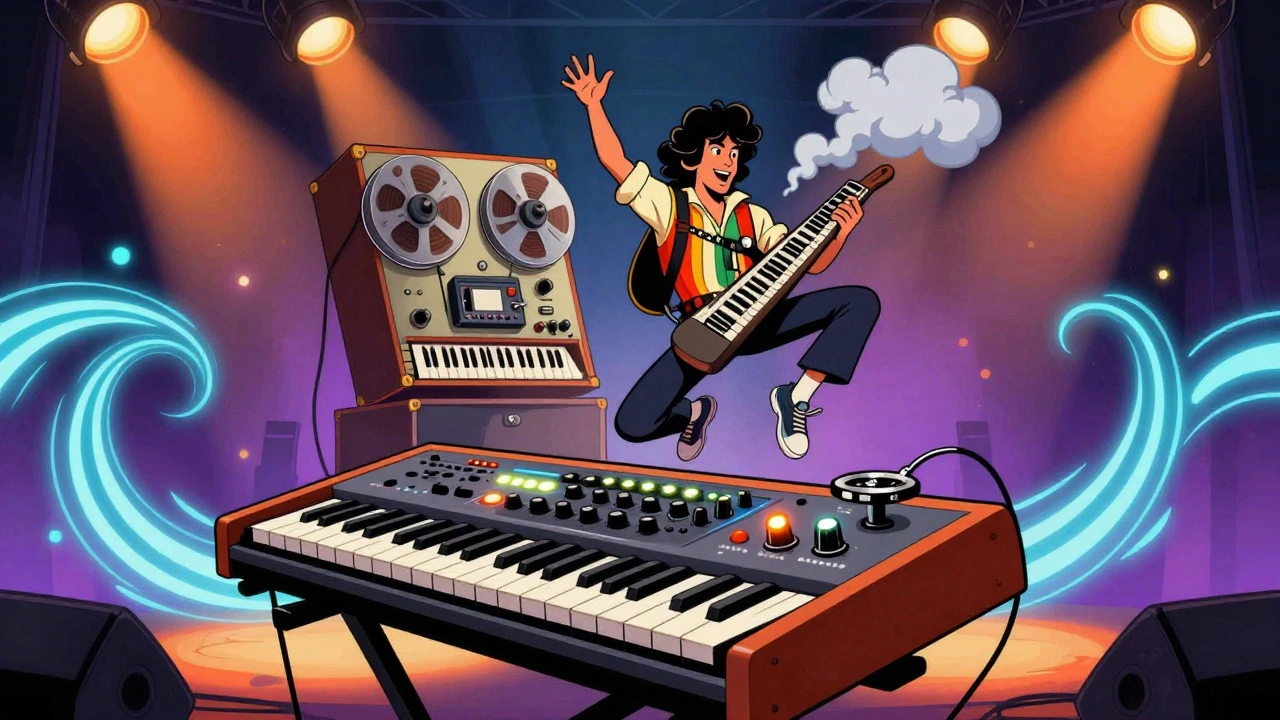
Keyboard Rigs of the 1970s: Minimoog, ARP, and Mellotron in Progressive Rock
The Minimoog, ARP synthesizers, and Mellotron defined the sound of 1970s progressive rock. These bulky, temperamental machines forced musicians to innovate, creating textures no digital plugin can fully replicate today.
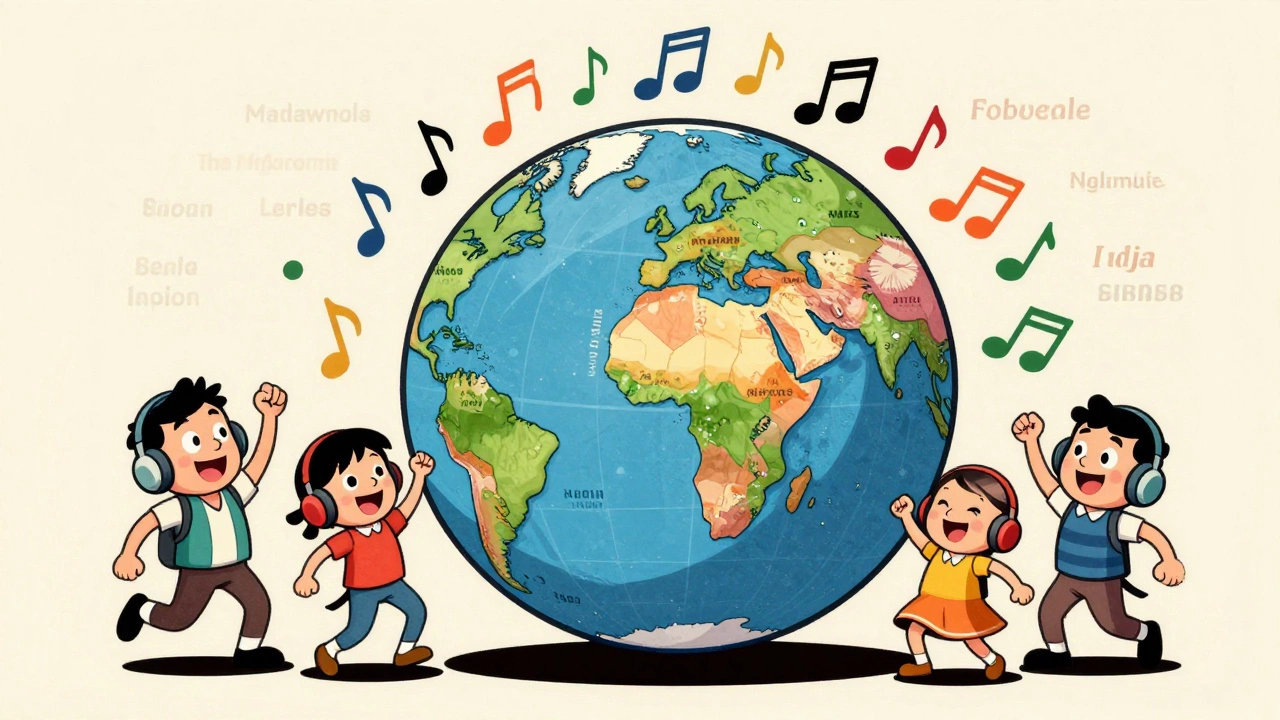
Language and Music: How Non-English Songs Found Global Audiences
Non-English songs are dominating global charts, with K-pop, afrobeats, and Spanish music breaking records. Streaming platforms have erased language barriers, letting artists from Nigeria, Japan, and India reach millions without singing a word of English.