Author: Andy Lancaster - Page 2
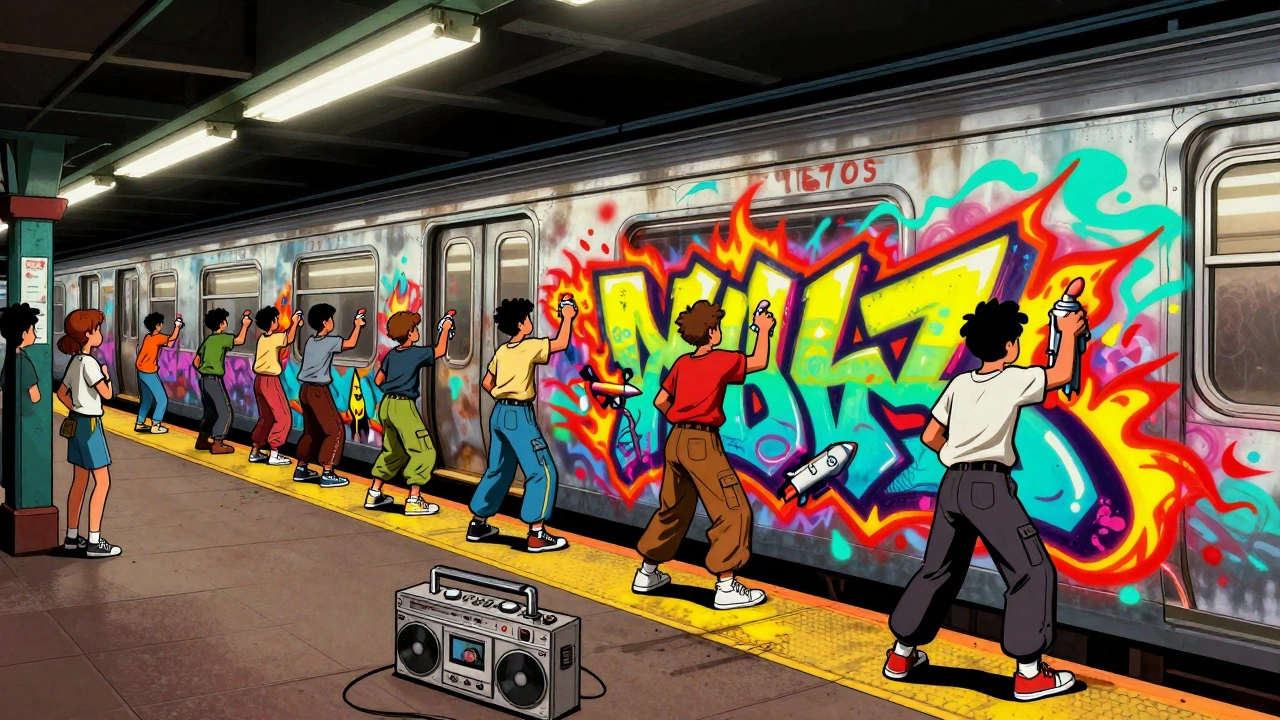

Graffiti and Hip-Hop: How Visual Art Became the Visual Heart of a Movement
Graffiti was the first visual voice of hip-hop, turning subway walls into murals of resistance. It gave the culture its look, its edge, and its permanence - long before rap hit the radio.
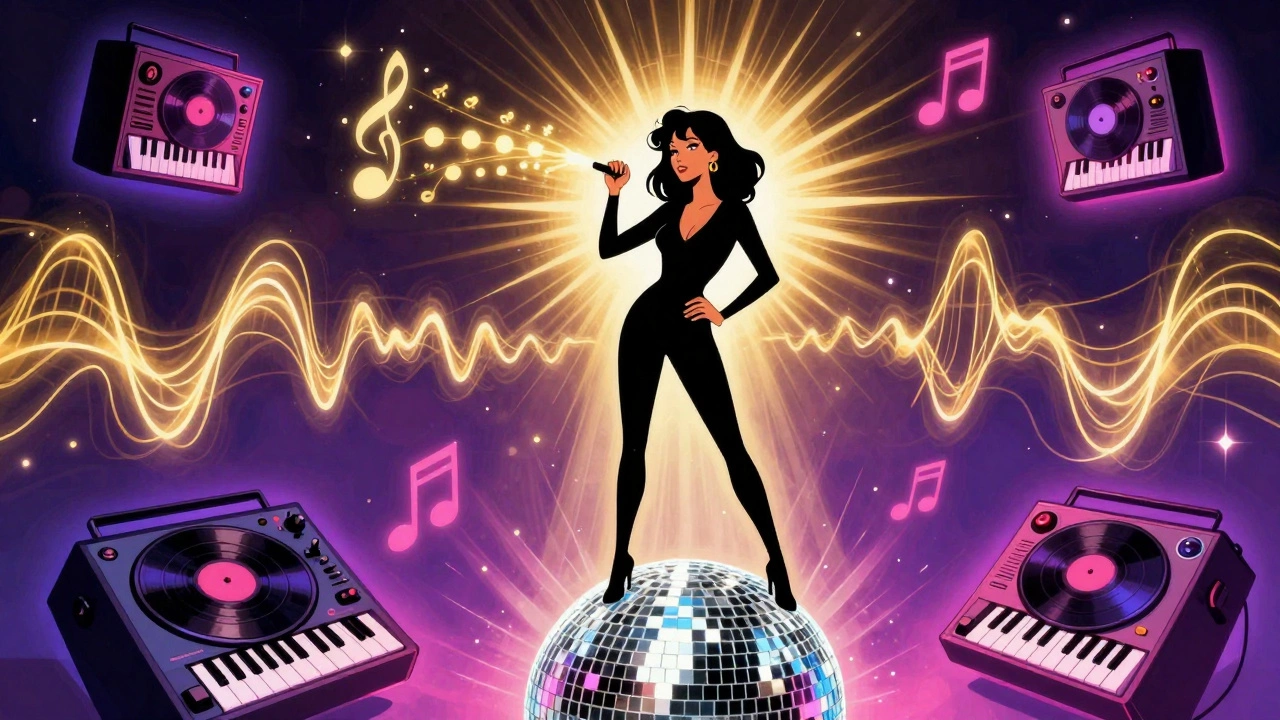
Women in Disco: Female Artists Who Shaped the 1970s Dance Floor
Female artists like Donna Summer, Gloria Gaynor, and Grace Jones defined disco in the 1970s with groundbreaking vocals, production, and cultural power. Their music didn't just top charts - it shaped modern dance music and empowered generations.
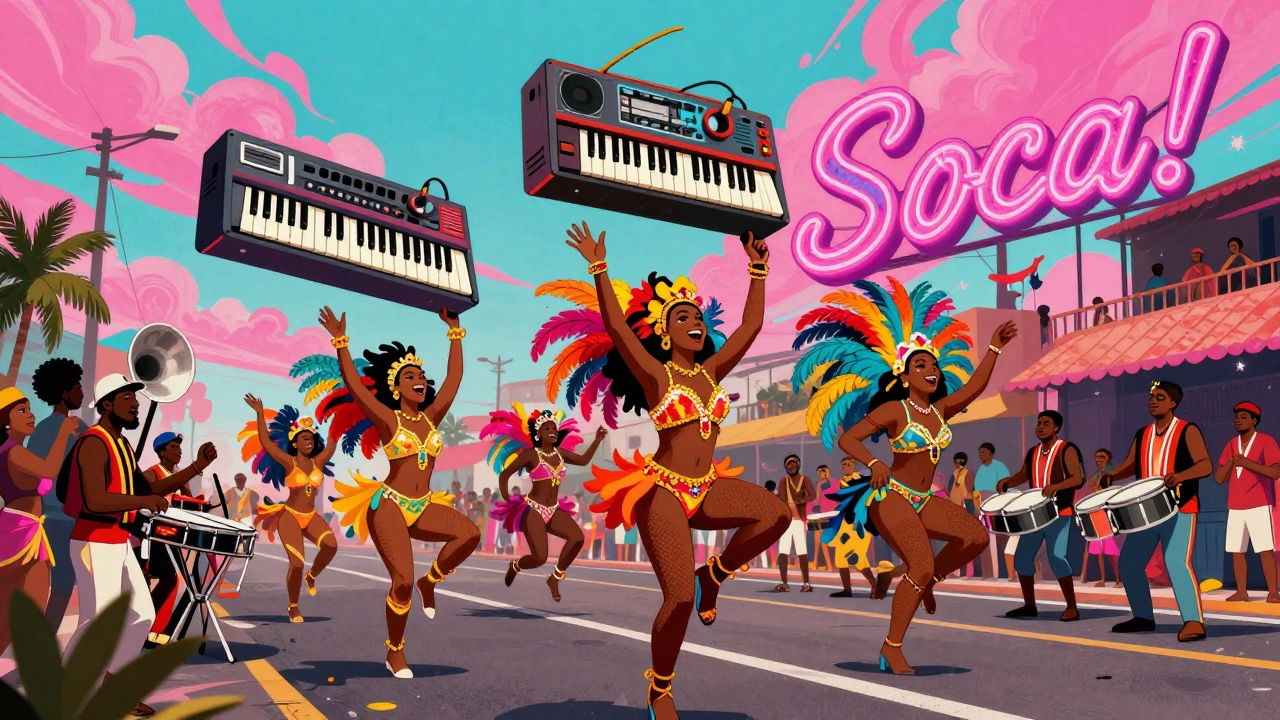
Soca and Calypso in the 1980s: How Carnival Sounds Took Over the World
In the 1980s, Soca music exploded from Trinidad into global Carnival scenes, blending Calypso with funk, soul, and electronic beats. Faster, louder, and impossible to ignore, it took over street parades, radio waves, and even traditional Calypso competitions.
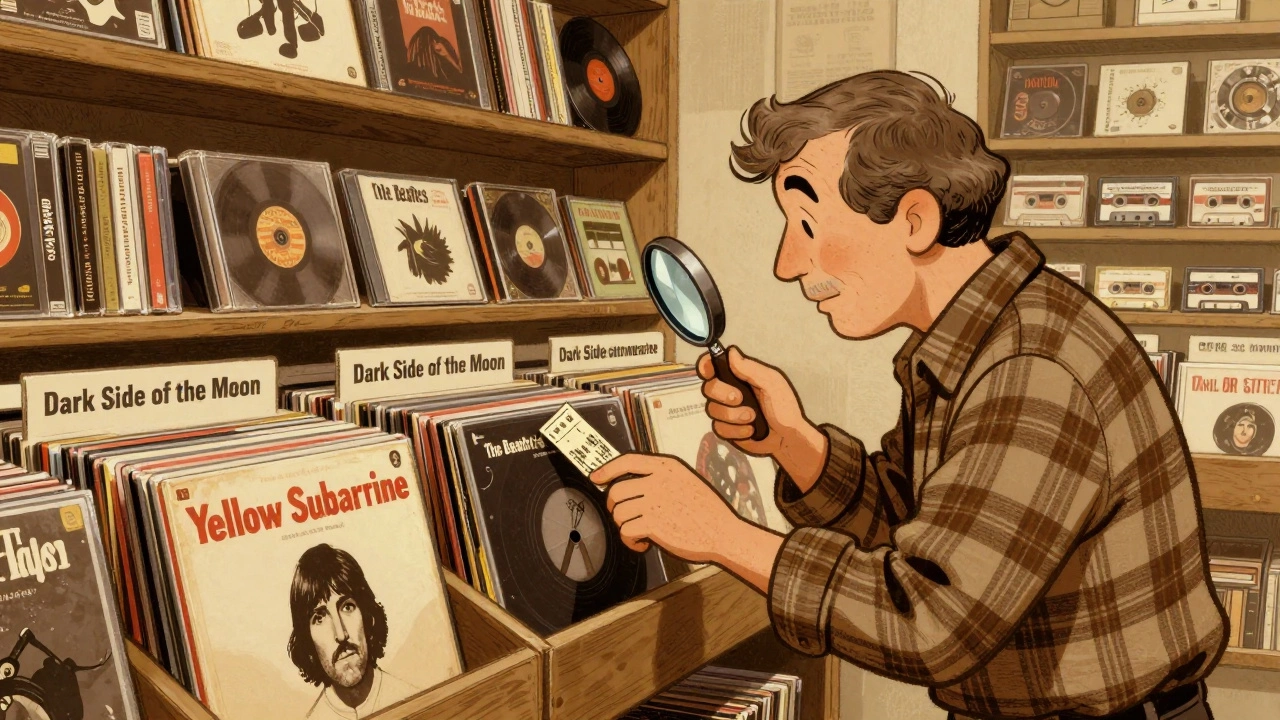
Box Set Culture: Why Deluxe Reissues and Archival Excavations Still Matter in 2026
Box sets have become a billion-dollar industry, repackaging classic albums with remastered audio, unreleased tracks, and archival artifacts. But not all reissues are equal-some honor legacy, while others are pure cash grabs.
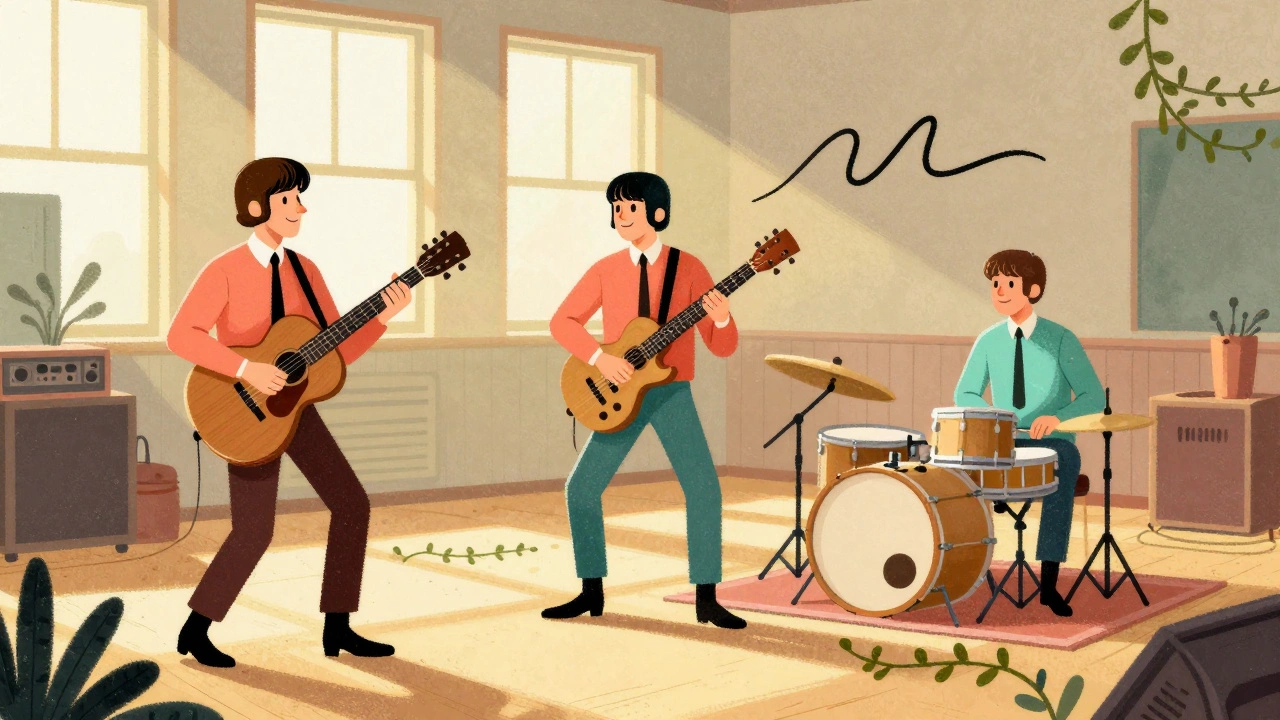
How Reggae Rhythms Transformed Rock Music
Reggae’s offbeat rhythms and deep basslines transformed rock music in the 1970s, influencing bands like The Police, The Rolling Stones, and The Clash. From "I Shot The Sheriff" to "Hotel California," reggae didn’t just add flavor - it rewired rock’s heartbeat.
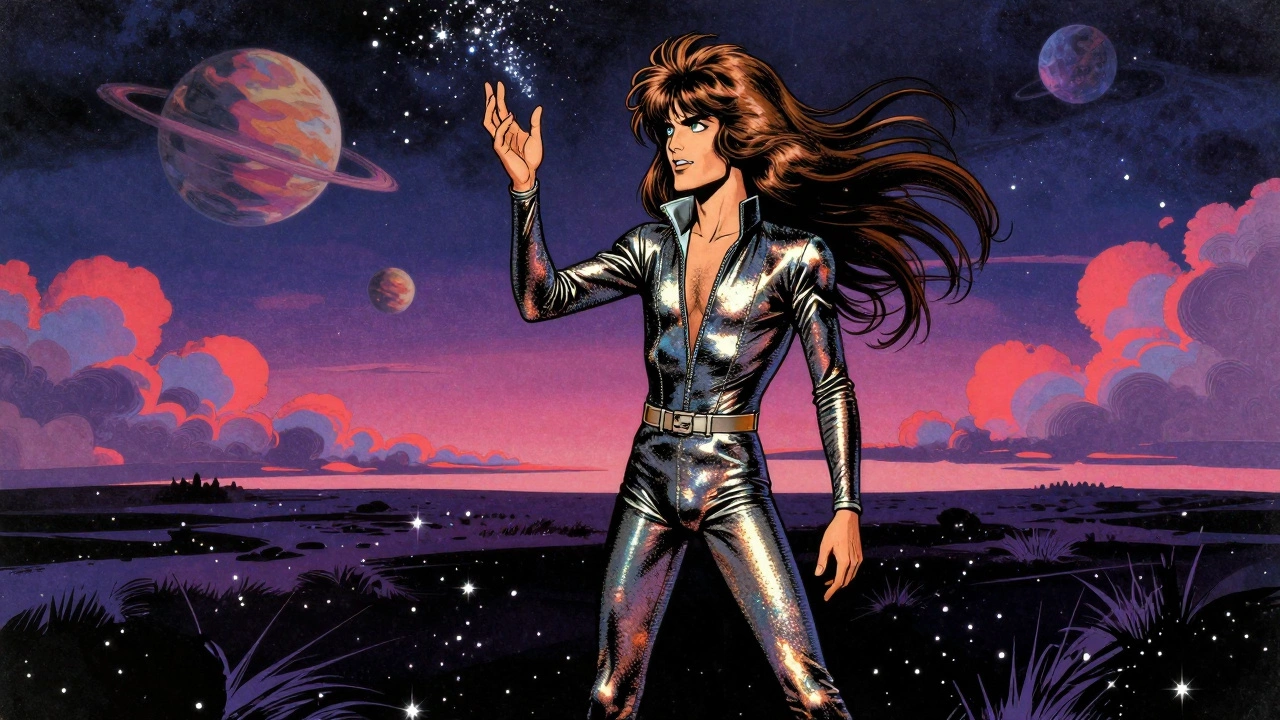
Glam Rock Album Covers: How Visual Art Defined a Theatrical Music Movement
Glam rock album covers were bold, glittering, and theatrical-designed to shock and seduce before the first note played. From David Bowie's Ziggy Stardust to T. Rex's Electric Warrior, these visuals redefined rock's image and still influence music today.
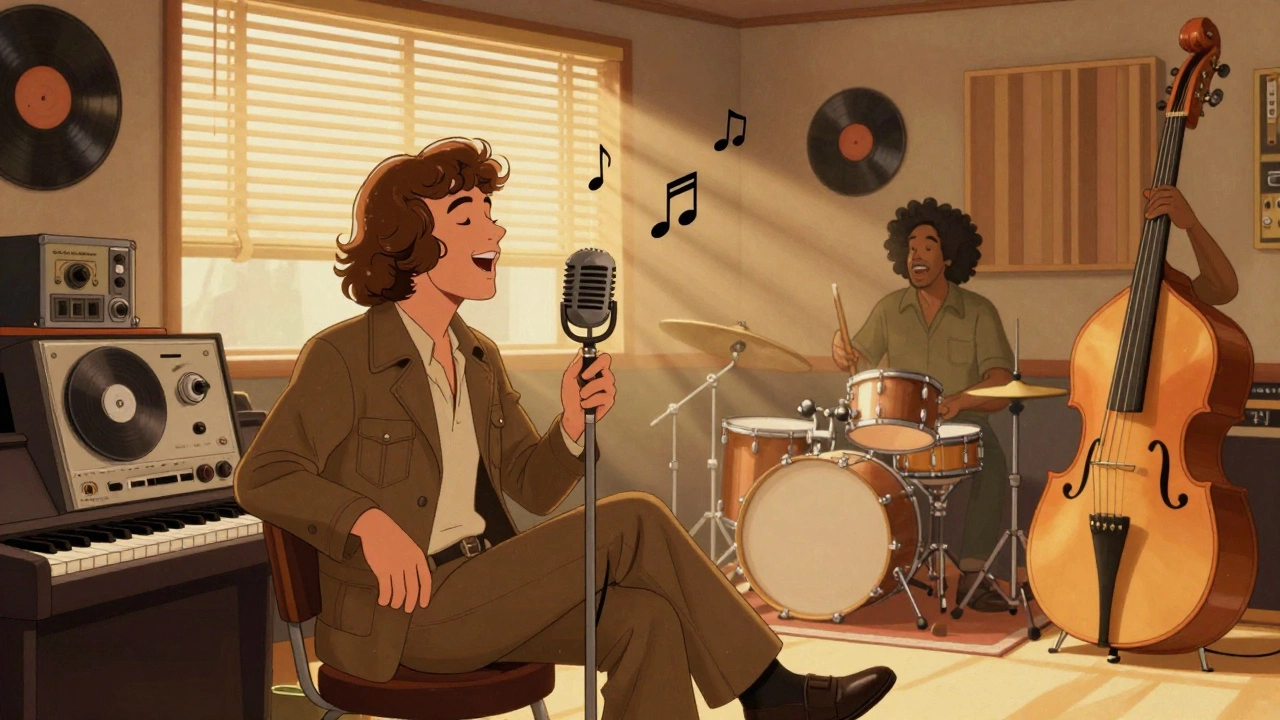
Boz Scaggs' Silk Degrees: The Definitive Soft Rock Masterpiece of the 1970s
Boz Scaggs' 1976 album Silk Degrees defined the LA sound with smooth vocals, jazz-infused grooves, and flawless production. A five-times platinum masterpiece that still sounds timeless today.
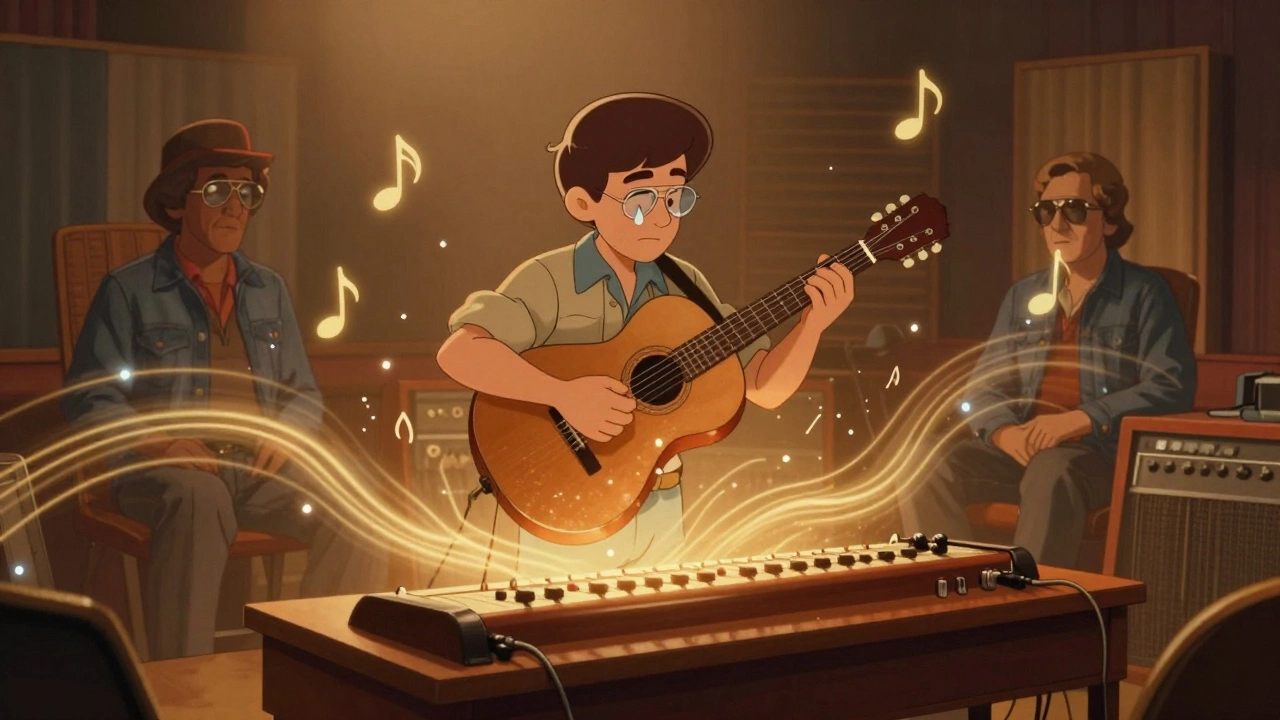
Steel Guitar in 1970s Country: Licks, Tones, and Emotional Pull
The pedal steel guitar defined 1970s country music with its crying tones, emotional licks, and Nashville 9th tuning. From Buddy Emmons to Neil Young, it turned heartbreak into sound.
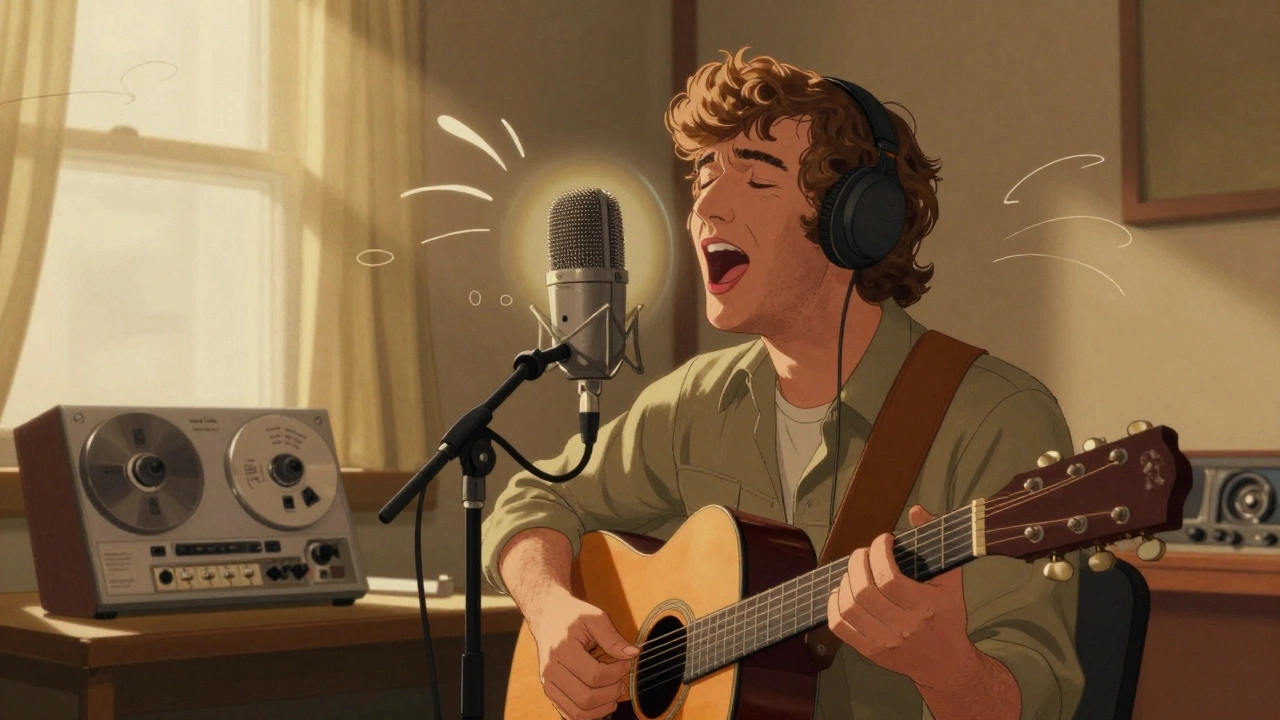
Studio Recording for Solo Artists: How 1970s Intimate Production Created Timeless Vocals
Discover how 1970s solo artists created deeply emotional recordings with minimal gear-no plugins, no comping, just raw voice and tape. Learn why this intimate approach still resonates today.