Archive: 2025/12
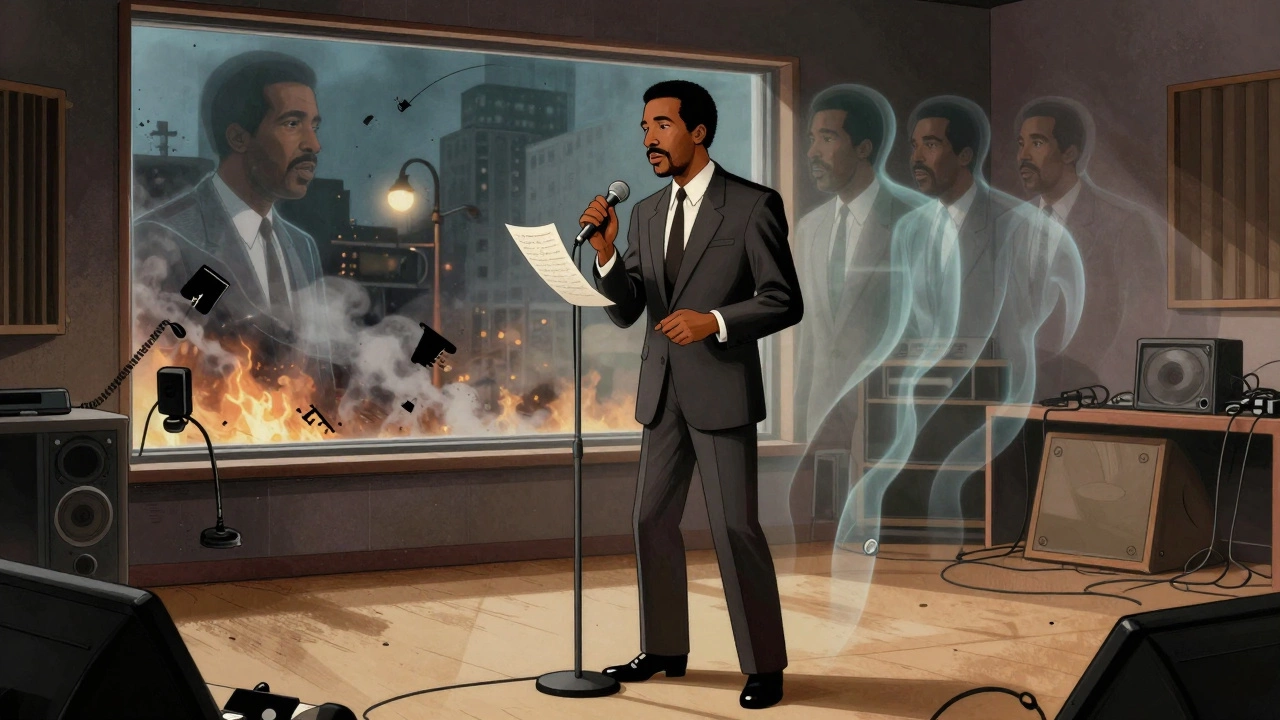

Marvin Gaye's What's Going On: How Soul Music Changed the Sound of Social Justice
Marvin Gaye's 1971 album 'What's Going On' transformed soul music by turning personal grief into a powerful, compassionate response to war, poverty, and racism - proving that music could be both deeply human and socially revolutionary.
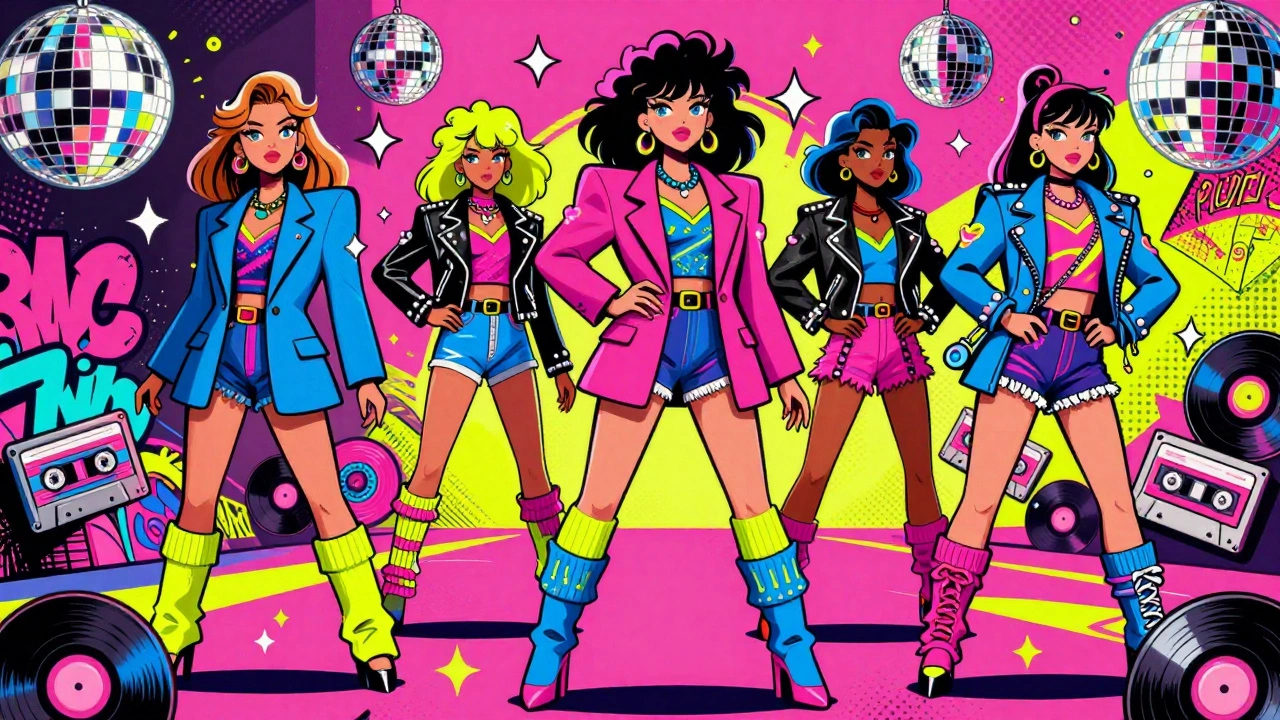

How 1980s Music Fashion Returned on Runways and Red Carpets
The 1980s music fashion revival is back on runways and red carpets, driven by bold silhouettes, sequins, punk details, and power shoulders. Inspired by Madonna, Prince, and Tina Turner, today’s designers are reinterpreting rebellion-not just nostalgia.
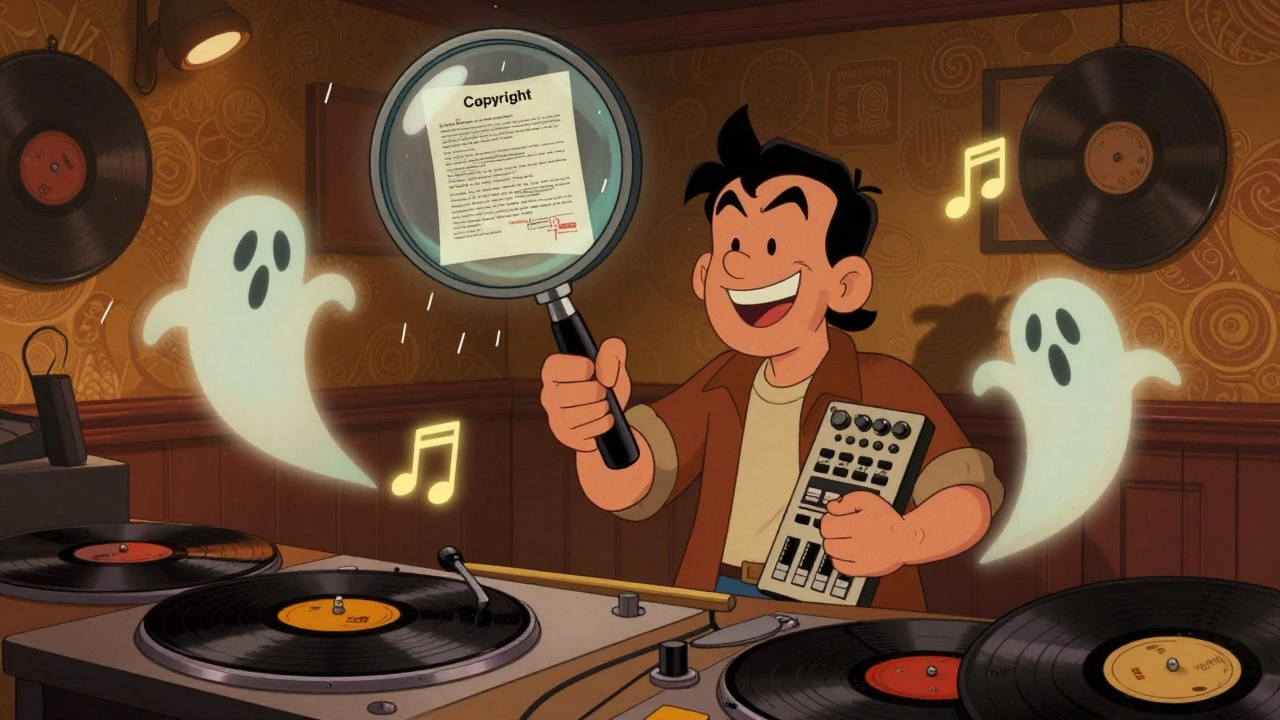

Sample Clearance Case Studies: Legal Battles Over 1970s Tracks in Hip-Hop
Legal battles over 1970s music samples transformed hip-hop production. From Biz Markie’s lawsuit to AI replacements, this is how copyright law changed the sound of a generation.
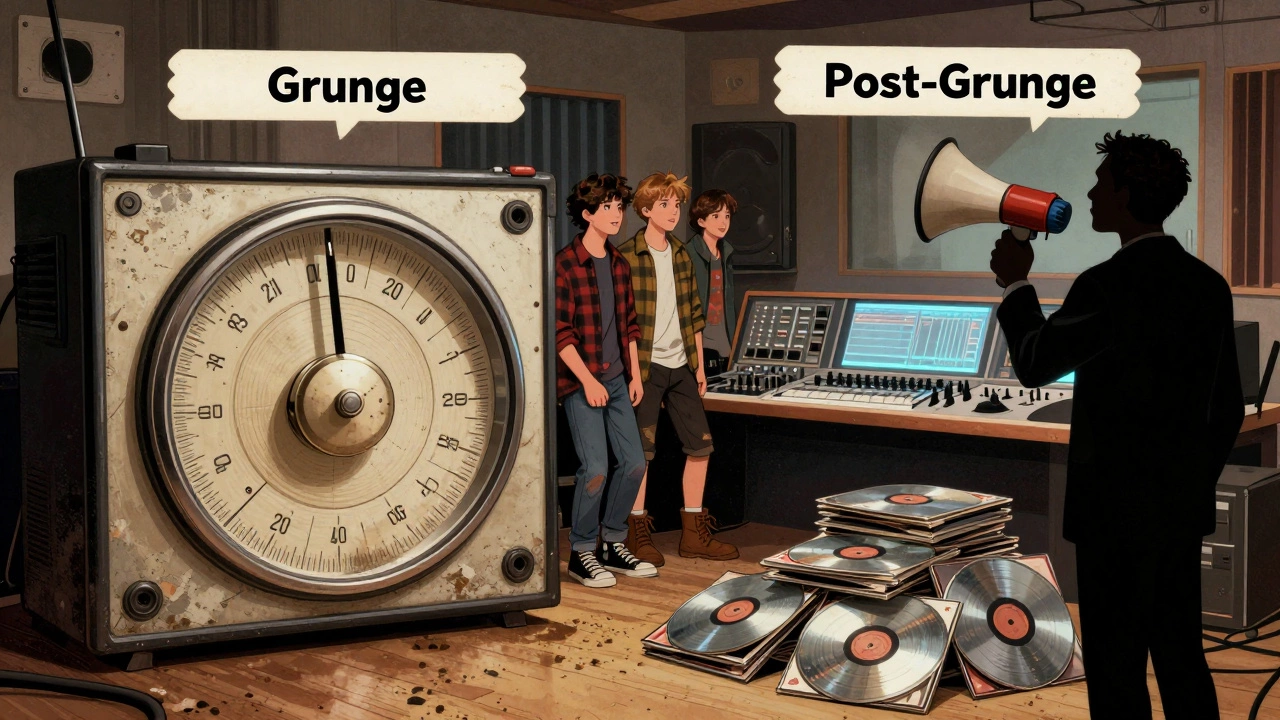

Post-Grunge in the Late 1990s: How Rock Went Radio-Friendly and Lost Its Edge
Post-grunge dominated 1990s rock radio with polished hits, but traded grunge's raw edge for commercial appeal. It sold millions, yet lost the cultural soul that made its predecessor timeless.


1980s Studio Case Studies: How Iconic Tracks Were Built
The 1980s revolutionized music production with MIDI, drum machines like the TR-808, and synths like the DX7. Constraints like tape limits and no editing tools led to iconic sounds - gated reverb, quantized grooves, and punchy synth tones that still define music today.
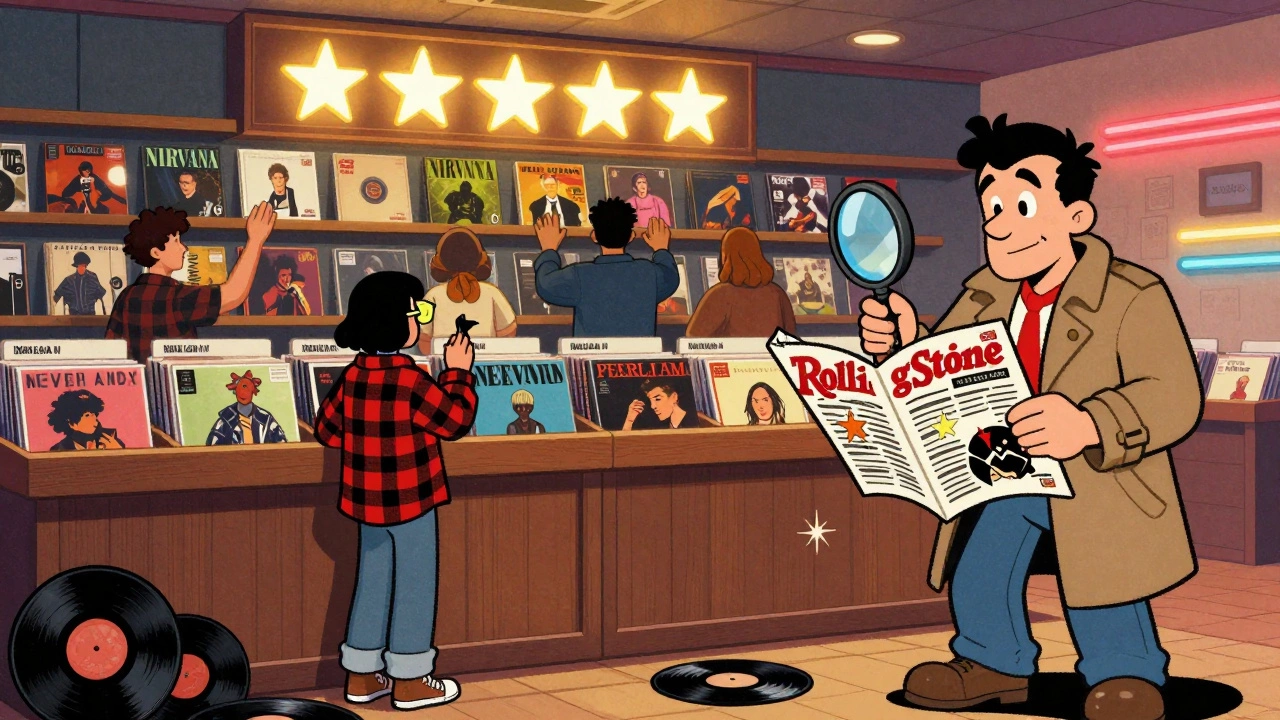

1990s Album Reviews: How Star Ratings Built the Decade’s Musical Canon
The 1990s shaped modern music criticism through star ratings and letter grades that defined which albums became classics. From Rolling Stone to Robert Christgau, critics held immense power-but fans ultimately decided what lasted.
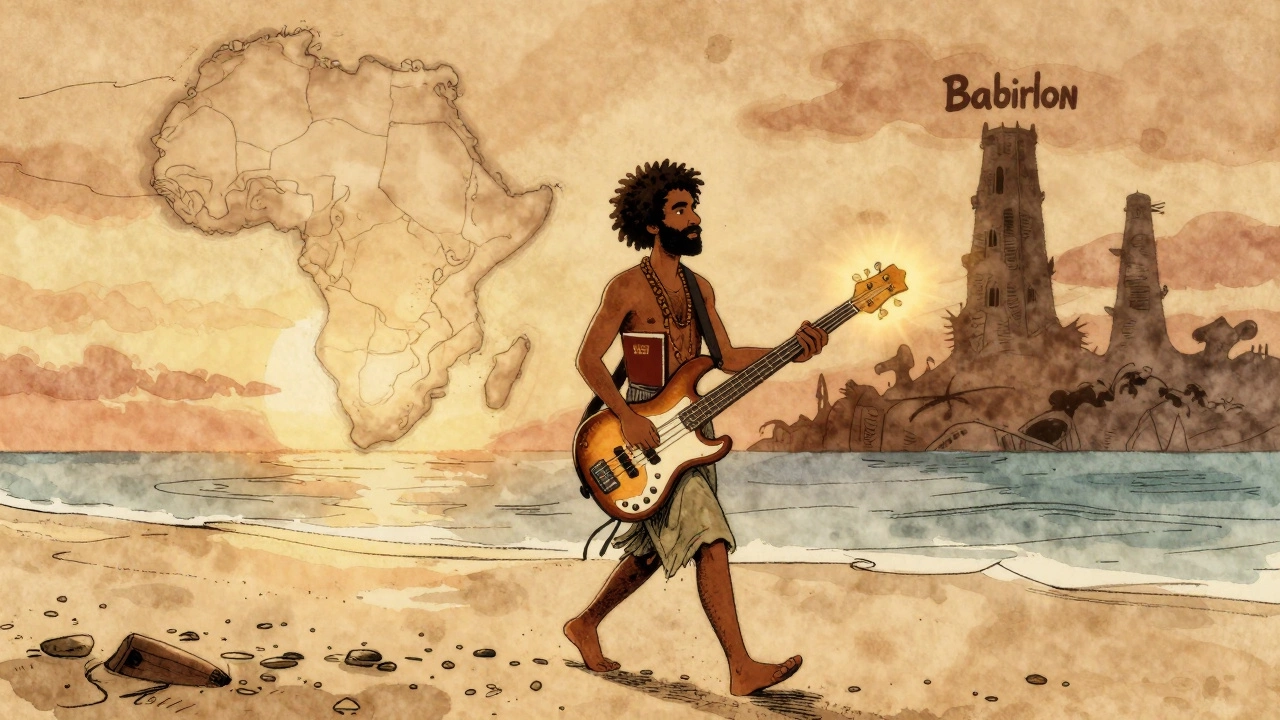

Reggae's Spiritual Journey: How Conscious Lyrics Carry a Message of Liberation
Reggae's spiritual power lies in its lyrics that turn biblical themes into calls for liberation. Rooted in Rastafari, songs by Bob Marley and others use symbols like Babylon and Zion to challenge oppression and awaken consciousness across cultures.
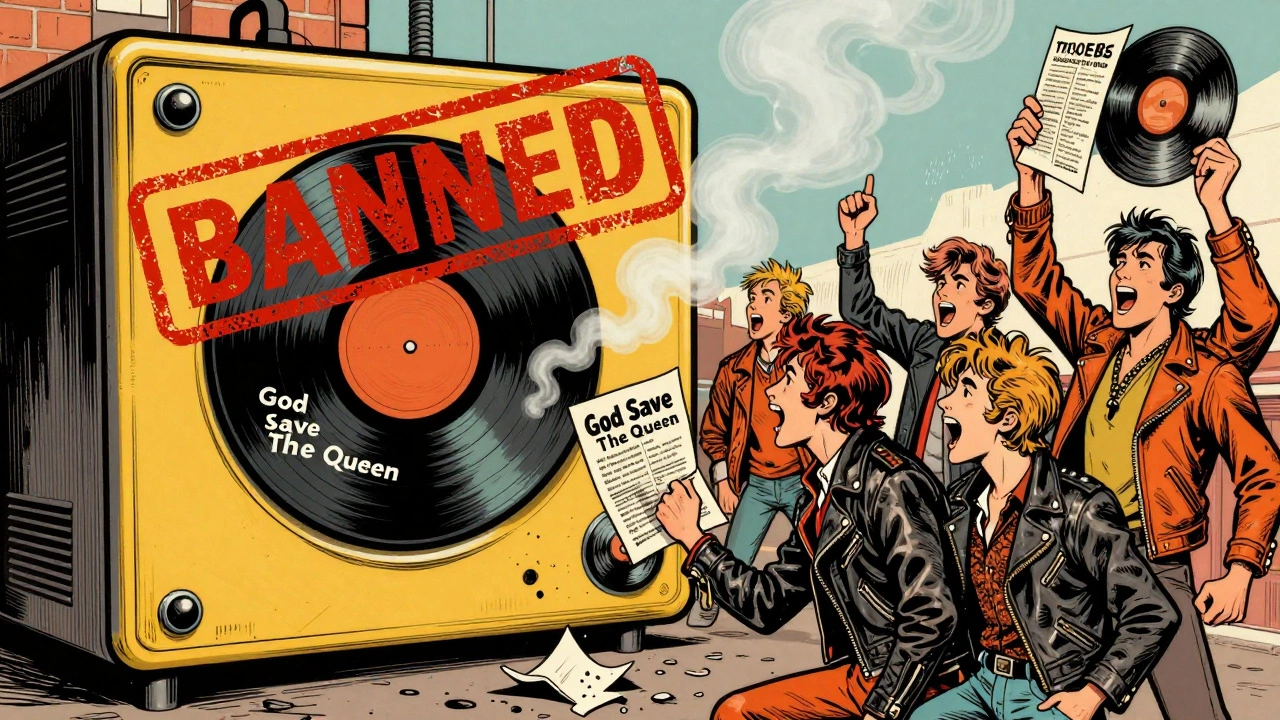

Controversy and Criticism: Heated Debates About 1970s Music
The 1970s were defined by music that pushed boundaries - songs banned for being too sexual, too political, or too raw. From "God Save The Queen" to "Love to Love You, Baby," controversy didn't kill these tracks - it made them legends.