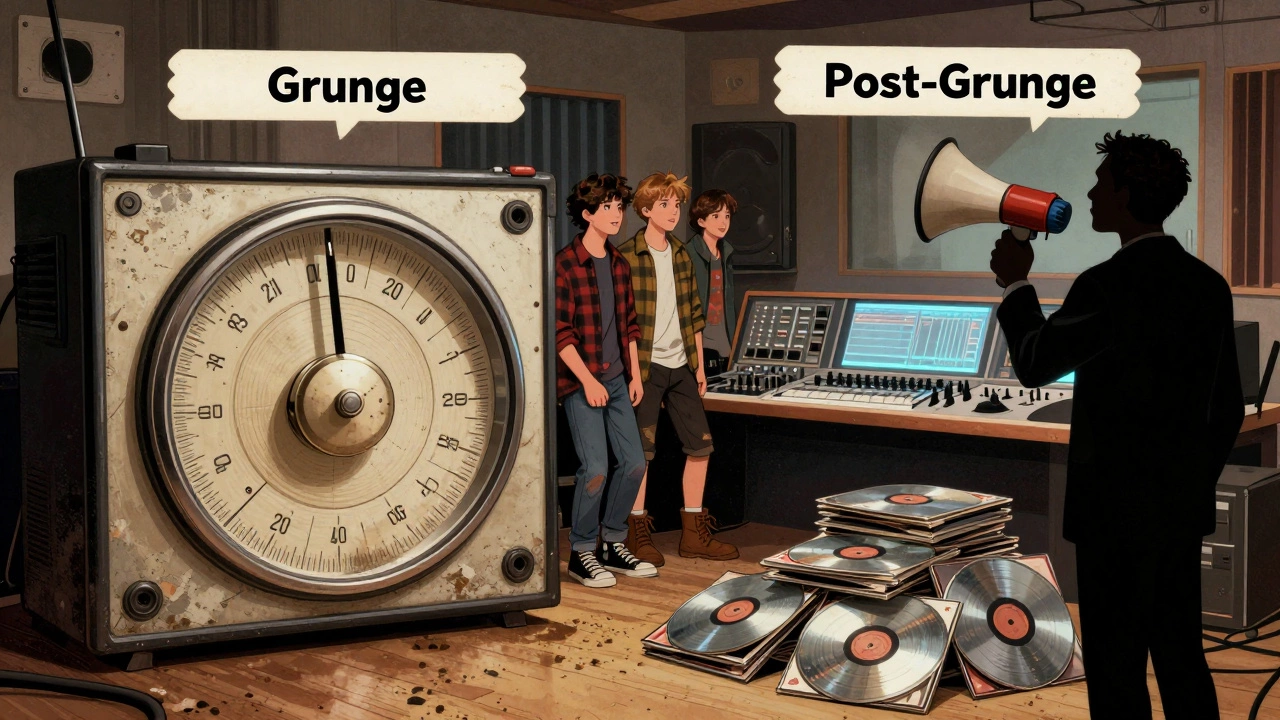

When Nirvana’s Nevermind exploded in 1991, it wasn’t just a hit album-it was a cultural earthquake. Kids in small towns wore flannel shirts not because it was trendy, but because it felt real. The music was messy, loud, and full of anger that didn’t need to be explained. Then, by 1995, something changed. The raw, unfiltered sound of Seattle started fading from the radio. In its place came smoother guitars, clearer vocals, and songs about heartbreak that sounded like they were written for a mall playlist. This was post-grunge. And while it sold millions, it left behind the very thing that made grunge matter.
What Post-Grunge Actually Was
Post-grunge didn’t start as a movement. It started as a business plan. After Kurt Cobain’s death in April 1994, record labels saw a vacuum. Fans still wanted that heavy, emotional rock sound-but they didn’t want the chaos. Labels didn’t want bands sleeping on floors in basements or writing lyrics about alienation. They wanted bands that could play on MTV, get played on Top 40 radio, and sell albums without controversy.
So they signed bands that looked like grunge but sounded like something else. Think Bush, Collective Soul, Live, and later Creed and Nickelback. These weren’t underground acts from Seattle. They were from Ohio, Georgia, and Canada. Their guitars were distorted, sure-but not the kind of distortion that felt like a scream. It was controlled. Polished. Made for headphones in a Honda Civic, not a basement in Capitol Hill.
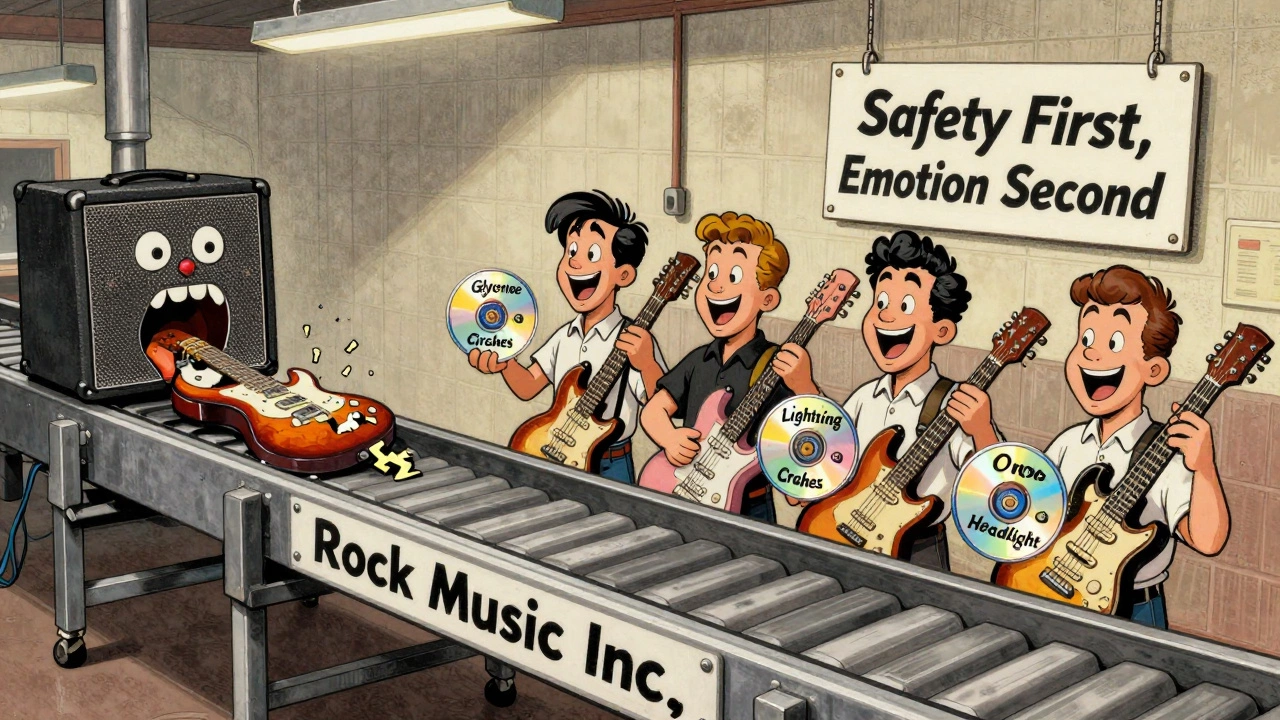
The production values tell the story. Nirvana’s first album, Bleach, cost $67,000 to make. Bush’s debut, Sixteen Stone, cost over half a million. That money didn’t go into raw energy-it went into studio time, vocal tuning, and mixing that erased every imperfection. The result? Songs that were easy to digest. Predictable. Safe.
The Sound That Sold
Post-grunge had a formula. And it worked. Most songs sat around 85 BPM-mid-tempo, not too fast, not too slow. Perfect for driving. The structure? Verse, chorus, verse, chorus, bridge, chorus. No weird time signatures. No 7-minute jams. No sudden shifts into noise. Just the same pattern, repeated, over and over.
Guitars were still distorted, but the tone changed. Grunge players used Marshall amps cranked to the max with fuzz pedals. Post-grunge guitarists switched to Mesa/Boogie Dual Rectifiers, dialing back the gain by nearly 40%. The goal wasn’t to sound angry-it was to sound emotional. Clean enough to hear every syllable of the lyrics, which were rarely about society, poverty, or depression. Instead, they were about missing someone. Feeling lost. Wanting to be understood.
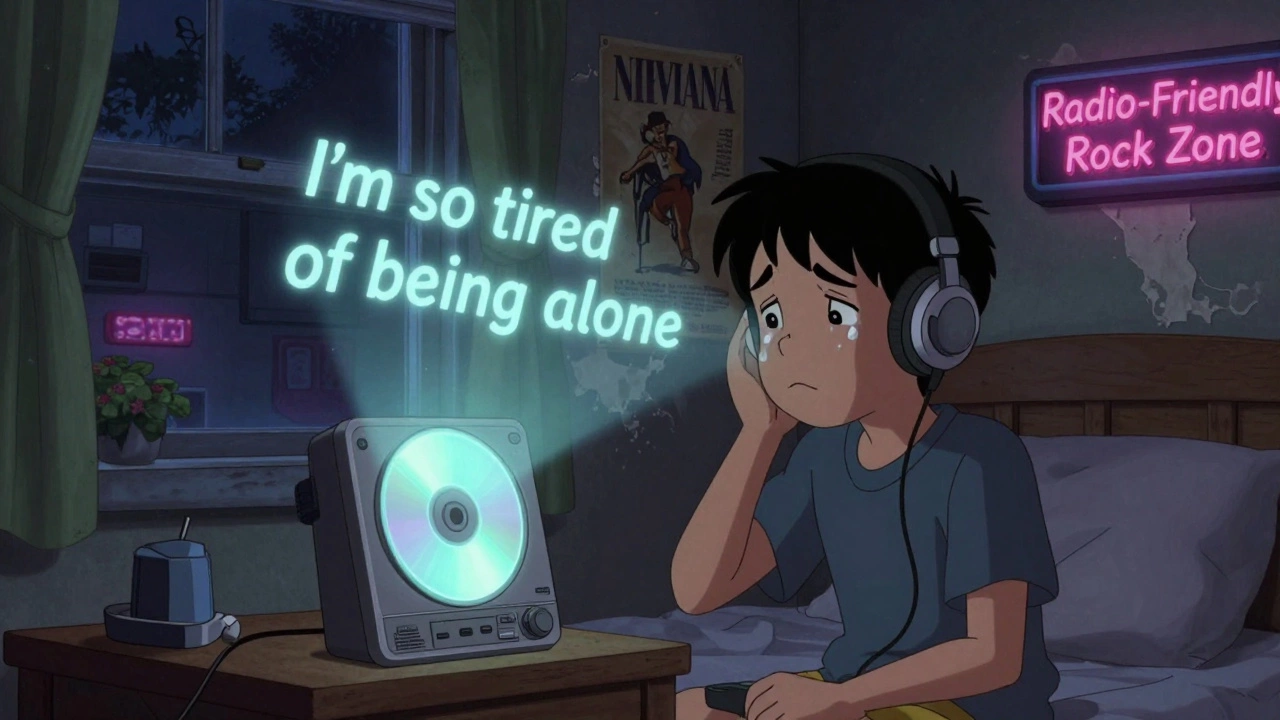
Lyrics became the biggest giveaway. Nirvana’s "Smells Like Teen Spirit" didn’t explain anything. It painted a mood. Post-grunge songs? They spelled it out. "I’m so tired of being alone," "I just want you to know," "I’m holding on to something I can’t let go." These weren’t metaphors. They were diary entries. And millions of teenagers, especially in the Midwest and South, connected with them.
The Numbers Don’t Lie
Post-grunge didn’t just do well-it dominated. Between 1995 and 2001, post-grunge albums sold 87 million copies in the U.S. alone. Live’s Throwing Copper went 8x platinum. Bush’s Sixteen Stone sold 6 million. Collective Soul’s debut hit 3 million. In 1997, 14 of the top 20 songs on rock radio were post-grunge. That’s more than half the airplay.
At its peak, post-grunge made up 44% of all rock album sales. It was the biggest thing in rock. Bigger than grunge ever was in terms of pure numbers. But here’s the catch: those numbers didn’t come from credibility. They came from accessibility. Radio stations didn’t play these songs because they were groundbreaking. They played them because they were reliable. They didn’t alienate listeners. They didn’t confuse them. They didn’t make you think.
And that’s why critics hated it. Metacritic scores for post-grunge albums averaged 62 out of 100. Seminal grunge albums? Around 85. Pitchfork called it "emotionally hollow." Rolling Stone said it was "the death of authenticity." And they weren’t wrong. But they were also missing the point for millions of listeners who didn’t care about the Seattle scene or punk ethics. They just wanted to feel something.
Why People Loved It (And Why They Still Do)
On Reddit, one user wrote: "I was 16 in 1996. Nirvana felt like a message from another planet. Bush? That was my voice." That’s the truth. Post-grunge didn’t speak to the counterculture. It spoke to the mainstream. To kids who didn’t have access to underground shows. To those who didn’t know what Sub Pop was. To people who just needed a song that said what they were feeling, without needing a PhD to understand it.
Amazon reviews of Hints, Allegations and Things Left Unsaid show a split: 42% of positive reviews mention "catchy melodies." 68% of negative ones say "lyrics are shallow." Both are true. The melodies stick. The lyrics don’t stick around. But for a lot of people, that didn’t matter. A song like "Glycerine" or "Lightning Crashes" wasn’t meant to be analyzed. It was meant to be played loud after a bad day.
And here’s the irony: the same people who mock post-grunge today still hum those songs in the shower. They still play them on road trips. They still cry when they hear "One Headlight." Because music isn’t always about rebellion. Sometimes, it’s about comfort.
The Decline and the Legacy
By 2000, the bubble burst. Creed’s Human Clay sold 6 million copies in 1999. Their next album, Weathered, sold only 3 million. The market was saturated. Kids were getting tired of the same sound. Nu-metal came in with Korn and Limp Bizkit-angrier, weirder, more aggressive. Pop-punk exploded with Blink-182 and Green Day. Post-grunge didn’t evolve. It repeated.
By 2003, its market share dropped to 12%. Radio stations moved on. Record labels stopped signing bands that sounded like Bush. The genre became a punchline. Nickelback became the poster child for everything wrong with it. And for good reason. But even then, the blueprint stuck.
Today, 68% of rock radio hits still use post-grunge structures. Greta Van Fleet sounds like Led Zeppelin, but they sing like Creed. The production is clean. The choruses are huge. The lyrics are personal, not political. That’s not coincidence. That’s legacy.
Post-grunge didn’t kill rock. It just made it easier to sell. It proved that you could take the sound of rebellion and turn it into a product. And in doing so, it changed how every rock band after it would be made, marketed, and measured.
Was It Worth It?
Was post-grunge art? Maybe not. Was it important? Absolutely. It gave a voice to people who felt unheard-not because they were angry at the system, but because they were just tired. It showed that music doesn’t have to be radical to be real. And it proved that commercial success doesn’t always mean artistic failure-it just means a different kind of truth.
Grunge was a revolution. Post-grunge was its inheritance. And like most inheritances, it came with baggage. But it also came with a radio, a CD player, and a whole generation that needed to hear their pain, even if it didn’t come with a punk sticker on the back.
What’s the difference between grunge and post-grunge?
Grunge came from Seattle’s underground scene and was raw, lo-fi, and emotionally intense, with lyrics often reflecting alienation, depression, or social critique. Bands like Nirvana and Soundgarden used heavy distortion, unconventional song structures, and unpolished vocals. Post-grunge kept the distorted guitars and emotional tone but cleaned up the sound, simplified song structures, and focused on personal, radio-friendly themes like relationships and inner struggle. It was designed for mainstream success, not countercultural impact.
Why did post-grunge become so popular in the late 1990s?
After Kurt Cobain’s death in 1994, the raw energy of grunge felt unsustainable. Record labels saw an opportunity to package the aesthetic without the chaos. Post-grunge bands offered the same heavy guitars and emotional delivery but with polished production, clear vocals, and lyrics that appealed to a broader audience. Radio stations loved it because it was predictable and safe. Sales exploded-eight post-grunge albums went platinum or multi-platinum between 1994 and 1999.
Was post-grunge just a copy of grunge?
It borrowed the sound, but not the soul. Grunge was born from punk, DIY ethics, and a rejection of mainstream rock. Post-grunge was born from marketing departments. Bands weren’t from Seattle. They didn’t play in basements. Their lyrics avoided politics and social issues. They focused on universal feelings-loneliness, love, regret-without the context that made grunge powerful. So while they sounded similar, they weren’t the same movement.
Why do people still listen to post-grunge today?
Because it speaks to personal pain in a direct way. You don’t need to understand punk history to feel the weight in "Glycerine" or "Lightning Crashes." It’s music for quiet moments-driving at night, after a breakup, when you just need to scream into a pillow. It’s not deep, but it’s honest. And for many, that’s enough.
Did post-grunge influence modern rock music?
Yes, more than most people admit. Today’s rock radio still uses post-grunge song structures: verse-chorus-verse with a bridge, clean production, and emotionally direct lyrics. Bands like Greta Van Fleet and even some indie rock acts use the same formula. The genre may be dead, but its blueprint is everywhere-especially in how rock is marketed to mass audiences.


