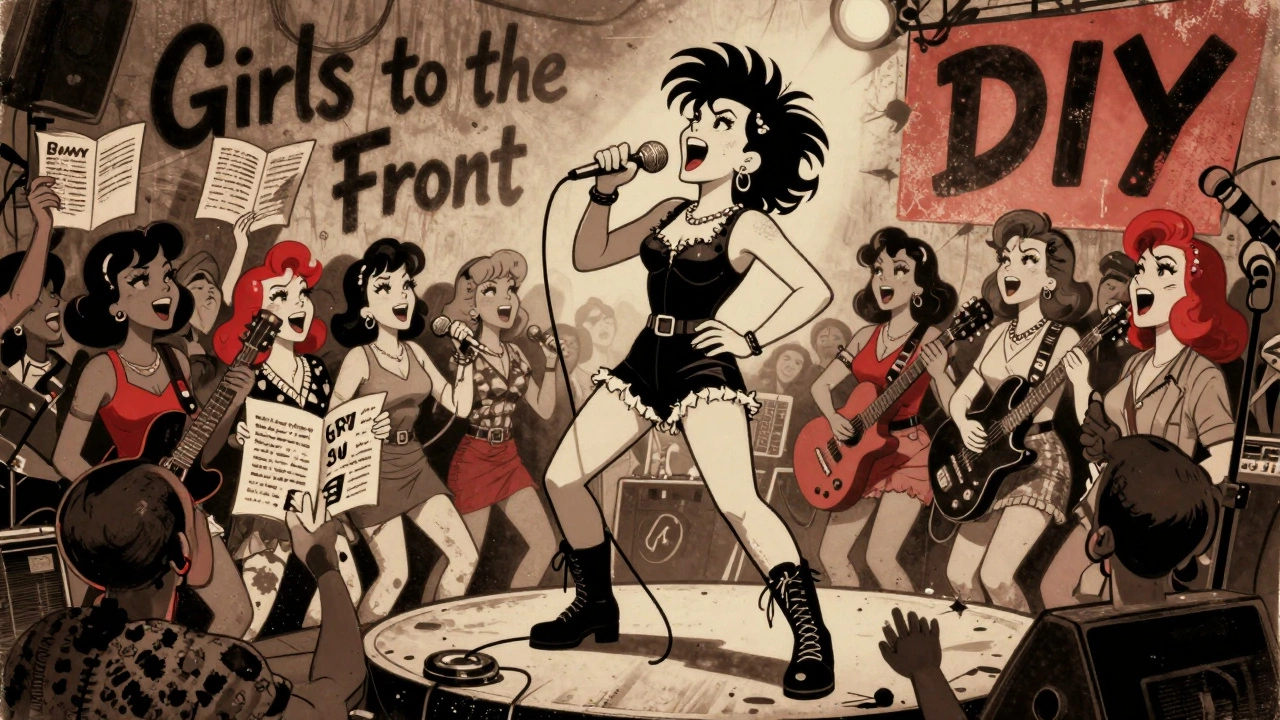

Walk into any record store today or scroll through a streaming playlist titled "90s Alt-Rock," and you will hear the unmistakable sound of distorted guitars, driving basslines, and raw vocals. But look closer at who is holding the microphone or strumming the chords, and you see a different picture than the one often painted by mainstream media back then. The 1990s alternative scene wasn't just a male-dominated grunge explosion; it was heavily shaped by women who led bands, wrote anthems, and built subcultures from the ground up.
From the feminist punk energy of riot grrrl to the polished alt-pop of major label darlings, female bandleaders didn't just participate in the decade's musical revolution-they architected it. They challenged industry norms, redefined what a "rock star" looked like, and created a sonic landscape that still influences modern indie rock. This isn't just nostalgia; it's a correction of the historical record.
The Riot Grrrl Revolution: Punk With a Political Edge
If you want to understand the backbone of 90s female-led alternative music, you have to start with riot grrrl. This wasn't just a music genre; it was a cultural movement born in Olympia, Washington, and spreading across the US and UK. It combined DIY punk ethics with third-wave feminism, creating a space where women could scream about sexual violence, patriarchy, and personal trauma without being silenced.
The undisputed face of this movement was Bikini Kill, fronted by Kathleen Hanna. Hanna didn't just sing; she commanded the stage with a confrontational presence that demanded attention. Her lyrics were blunt, her zines were influential, and her message was clear: girls should play instruments and take up space. While some critics dismissed the movement as niche, its impact on the broader alternative scene was profound. It proved that political anger and musical aggression could coexist, paving the way for more introspective and politically charged songwriting in indie rock.
Another key player in this sphere was Sleater-Kinney. Formed by Corin Tucker and Carrie Brownstein, their angular guitar work and tight rhythmic precision elevated the technical standards of punk-influenced indie rock. They showed that feminist politics didn't mean sacrificing musical complexity. Their influence extends far beyond the 90s, inspiring generations of guitar players who value both lyrical substance and instrumental prowess.
The Grunge-Adjacent Heavyweights: Breaking Into Mainstream Rock
While riot grrrl thrived in underground clubs, other women-led bands were breaking barriers in the heavier, grunge-adjacent side of alternative rock. These bands faced a tougher row to hoe, having to prove they could handle the volume, distortion, and intensity typically associated with male-fronted acts.
Hole, led by Courtney Love, stands out as perhaps the most iconic example. Love’s raspy vocals and unapologetic persona made her a polarizing figure, but also an undeniable force. With albums like *Live Through This*, Hole delivered catchy hooks wrapped in gritty production, challenging the notion that women couldn't front loud, aggressive rock bands. Critics often focused on Love's personal life, but her musical leadership and songwriting skills were central to the band's success and the era's aesthetic.
Similarly, L7, featuring Donita Sparks and Suzi Gardner, brought a raw, punk-rooted heaviness to the alternative charts. Their hit "Shitlist" became an anthem, proving that women-led bands could secure radio play and MTV rotation without softening their edge. L7 bridged the gap between the underground punk scene and the commercial alternative boom, maintaining credibility while reaching massive audiences.
Alt-Pop and Electronic Fusion: Expanding the Sonic Palette
Not all 90s alternative music relied on pure guitar distortion. Some of the most successful women-led bands incorporated electronic elements, pop sensibilities, and sophisticated production techniques, expanding the definition of what alternative rock could sound like.
Garbage, fronted by Shirley Manson, is the prime example. Manson’s smoky, commanding vocals paired with the band's blend of guitar riffs and synth textures created a unique sonic identity. Garbage achieved massive commercial success without compromising artistic integrity, winning multiple Grammys and influencing countless pop-rock artists. They demonstrated that alternative music could be polished and accessible while retaining its rebellious spirit.
In the UK, Elastica brought a cool, detached Britpop vibe with a post-punk undercurrent. Fronted by Justine Frischmann, Elastica’s debut album featured the hit "Connection," which showcased a minimalist, danceable approach to alternative rock. Meanwhile, Skunk Anansie, led by the fierce Skin, infused rock with funk, reggae, and hip-hop influences. Skin’s identity as a Black, queer woman in a predominantly white, straight rock scene added a crucial layer of diversity and perspective to the alternative landscape.
Indie Credibility and Artistic Integrity
Beyond the mainstream successes, several women-led bands maintained strict indie credibility, prioritizing artistic control over commercial appeal. These acts are often cited by musicians and critics as the true architects of the indie rock sound.
The Breeders, co-founded by Kim Deal (of Pixies fame), produced some of the most enduring indie rock tracks of the decade. Their hit "Cannonball" exemplifies their ability to craft off-kilter melodies that feel both nostalgic and fresh. Kim Deal’s laid-back vocal style and innovative bass playing influenced a generation of indie musicians, proving that subtlety could be just as powerful as aggression.
Even within mixed-gender bands, women played pivotal roles. Kim Gordon of Sonic Youth was not just a bassist but a key songwriter and creative force. Her contributions helped shape the band's experimental noise-rock sound, demonstrating that women were integral to the most avant-garde corners of the alternative scene, not just its pop-friendly edges.
The Solo Artists and the Lilith Fair Effect
While bands dominated the rock narrative, solo female artists also transformed the alternative landscape. Artists like PJ Harvey, Fiona Apple, Tori Amos, and Alanis Morissette brought confessional, emotionally intense songwriting to alternative radio.
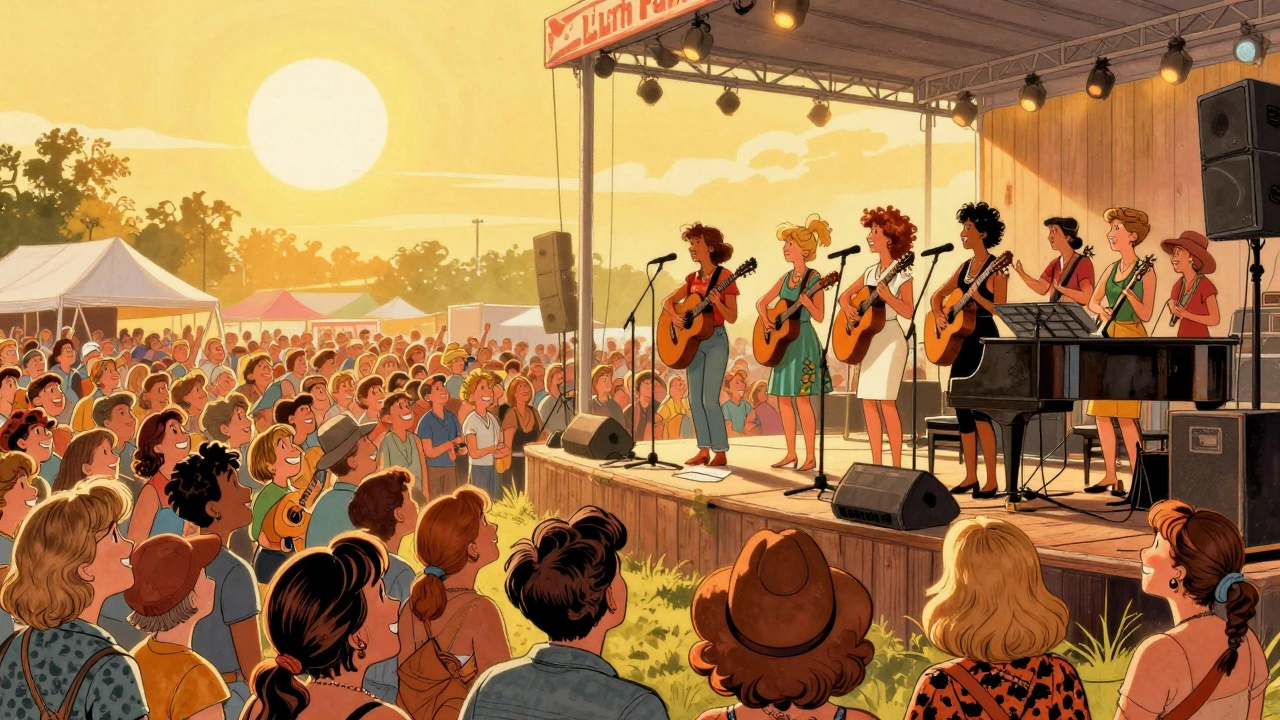
This surge in visibility culminated in Lilith Fair, a touring music festival curated by Sarah McLachlan. Launched in 1997, Lilith Fair featured only female performers, showcasing a diverse range of styles from folk-pop to alternative rock. It was a commercial triumph, proving that there was a massive market for women-led music. More importantly, it created a sense of community and solidarity among artists who had previously been isolated in a male-dominated industry.
| Band/Artist | Frontperson(s) | Subgenre/Style | Key Contribution |
|---|---|---|---|
| Bikini Kill | Kathleen Hanna | Riot Grrrl/Punk | Pioneered feminist punk activism and DIY culture |
| Hole | Courtney Love | Grunge/Alternative Rock | Brought raw, aggressive rock to mainstream attention |
| Garbage | Shirley Manson | Alt-Pop/Electronic Rock | Fused rock with electronic production for commercial success |
| Sleater-Kinney | Corin Tucker & Carrie Brownstein | Indie Rock/Punk | Elevated musical complexity and feminist themes in indie |
| L7 | Donita Sparks & Suzi Gardner | Hard Rock/Punk | Bridged underground punk with mainstream alternative radio |
| The Breeders | Kim Deal | Indie Rock | Defined the melodic, off-kilter sound of 90s indie |
| Skunk Anansie | Skin | Alternative Rock/Funk | Introduced racial and sexual diversity to the alt-rock forefront |
Legacy and Modern Influence
The impact of these women extends far beyond the 1990s. Today’s indie rock, punk, and pop scenes owe a debt to the groundwork laid by these pioneers. Artists like St. Vincent, Halsey, and Phoebe Bridgers cite 90s female icons as major influences. The normalization of women as bandleaders, songwriters, and producers in rock music can be traced directly to the breakthroughs of the 90s.
Moreover, the feminist ethos of riot grrrl has seen a resurgence in recent years, with new generations of punk bands embracing similar themes of empowerment and resistance. The commercial viability of women-led alternative music, proven by Lilith Fair and the chart success of bands like Garbage and Hole, continues to shape industry practices, encouraging labels to invest in diverse talent.
Understanding the role of women in 1990s indie and alternative music isn't just about appreciating great songs; it's about recognizing how these artists challenged societal norms and expanded the boundaries of rock music. They didn't just ride the wave of the alternative boom-they helped create it.
What is riot grrrl?
Riot grrrl is a feminist punk subculture that emerged in the early 1990s, primarily in the United States. It combines DIY punk aesthetics with third-wave feminist politics, emphasizing female empowerment, sexual autonomy, and resistance to patriarchal structures. Key bands include Bikini Kill and Sleater-Kinney.
Who were the most influential female-fronted bands of the 90s?
Some of the most influential bands include Hole, Garbage, Bikini Kill, L7, Sleater-Kinney, The Breeders, and Skunk Anansie. Each brought a unique style and perspective to the alternative scene, from punk aggression to alt-pop sophistication.
How did Lilith Fair impact the music industry?
Lilith Fair, launched in 1997, was a touring festival featuring exclusively female performers. It demonstrated the commercial viability of women-led music, provided a platform for diverse genres, and fostered a sense of community among female artists, challenging the male-dominated structure of the music industry.
Why were women underrepresented in rock music before the 90s?
Historically, rock music was marketed towards and dominated by men, with gender stereotypes limiting women's roles to backup singers or pop stars. Structural barriers in the industry, including sexism in venues and record labels, made it difficult for women to gain recognition as serious rock musicians until the alternative scene provided new opportunities.
What distinguishes 90s alternative rock from earlier rock genres?
90s alternative rock was characterized by its diversity of sounds, from grunge and punk to indie and electronic fusion. It emphasized authenticity, emotional rawness, and lyrical depth, moving away from the polished, image-focused hard rock of the 80s. This openness allowed for greater experimentation and inclusion of diverse voices, including women.


