

The Pop Powerhouse and the American Music Awards
When we look at the early 90s, the American Music Awards (AMAs) serve as a great barometer for what the public actually loved. Unlike the Grammys, which are voted on by industry peers, the AMAs focused on popularity. In 1990, the spotlight hit Paula Abdul, who took home the Favorite Pop/Rock Female Artist award. It wasn't just about a trophy; it was a victory for the choreographer-turned-pop-star who had to prove she was a serious musician. By 1991, the torch passed to Janet Jackson, who dominated the same category. The transition from Abdul to Jackson showed that female pop stars weren't just one-hit wonders; they were creating cohesive albums and visual identities that the industry could no longer ignore. These wins signaled a move away from the polished, manufactured image of the 80s toward artists who had more control over their creative direction.The Grunge and Alternative Explosion
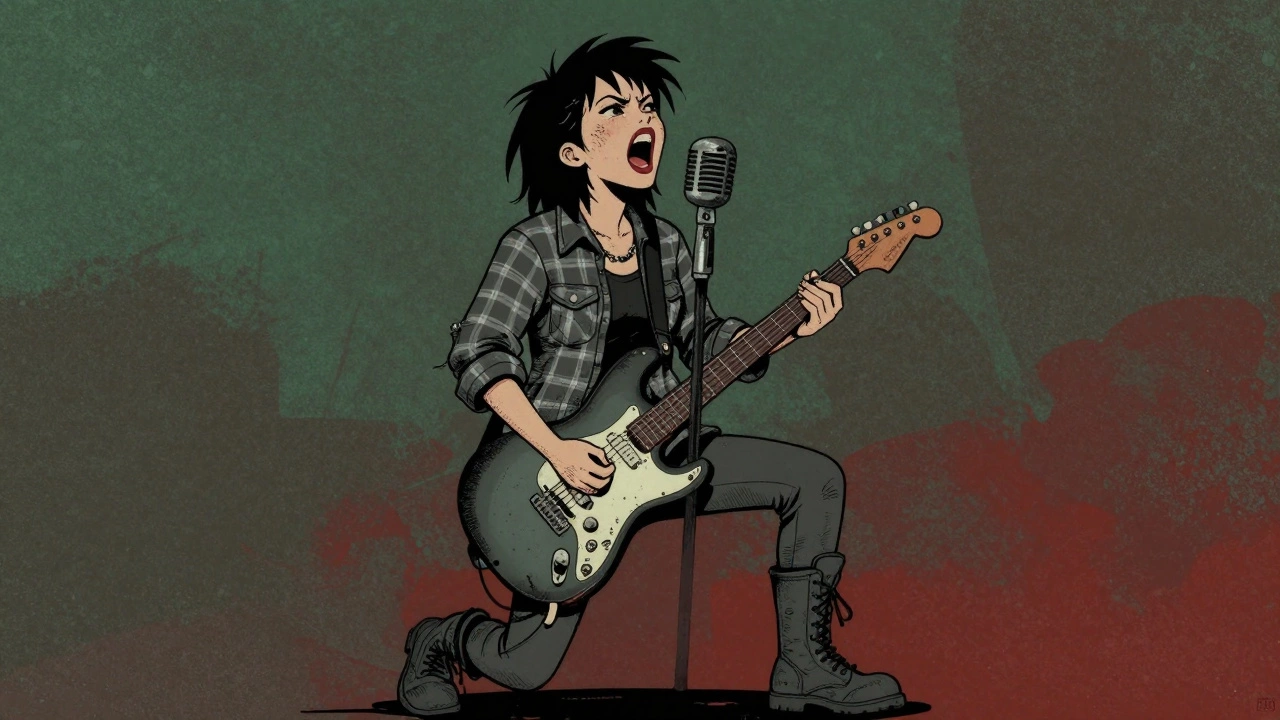
While pop was winning trophies, a different kind of recognition was happening in the underground and alternative scenes. The 90s saw the rise of the "female-fronted" band, where women weren't just singing ballads-they were screaming, distorting guitars, and writing raw, honest lyrics about anger and betrayal. This era shifted the definition of "recognition" from just winning an award to achieving critical respect and cultural influence. Take Alanis Morissette, for example. Her hit "You Oughta Know" didn't just climb the charts; it gave women a new vocabulary for rage. Then you had the atmospheric sounds of Mazzy Star with "Fade Into You" or the gritty energy of PJ Harvey. These artists proved that women could master various sonic textures, from ethereal dream-pop to jagged art-rock.| Artist | Defining Track | Contribution to the Genre |
|---|---|---|
| The Cranberries | "Zombie" | Brought political consciousness and unique vocal stylings to alt-rock. |
| Garbage | "#1 Crush" | Pioneered the blend of electronic loops with rock instrumentation. |
| 4 Non Blondes | "What's Up" | Championed gender-neutral fashion and soulful, raw vocals. |
| Liz Phair | "Supernova" | Introduced a lo-fi, conversational songwriting style. |
Country Music's Golden Era for Women
If the pop and rock worlds were fighting for space, the country music scene in the 1990s was practically a gold mine for women. This decade is often cited as a period of tremendous fortune for the leading ladies of the genre. We aren't just talking about a few hits; we're talking about a systemic shift where female artists started mining more gold and platinum records than ever before. Country music provided a platform where storytelling was king, and women used that to speak to a massive, often underserved audience of rural and suburban listeners. The recognition here came in the form of staggering sales figures and long-term chart dominance. When a female country artist hit it big in the 90s, they didn't just win an award-they became a brand, influencing fashion and lifestyle choices for millions.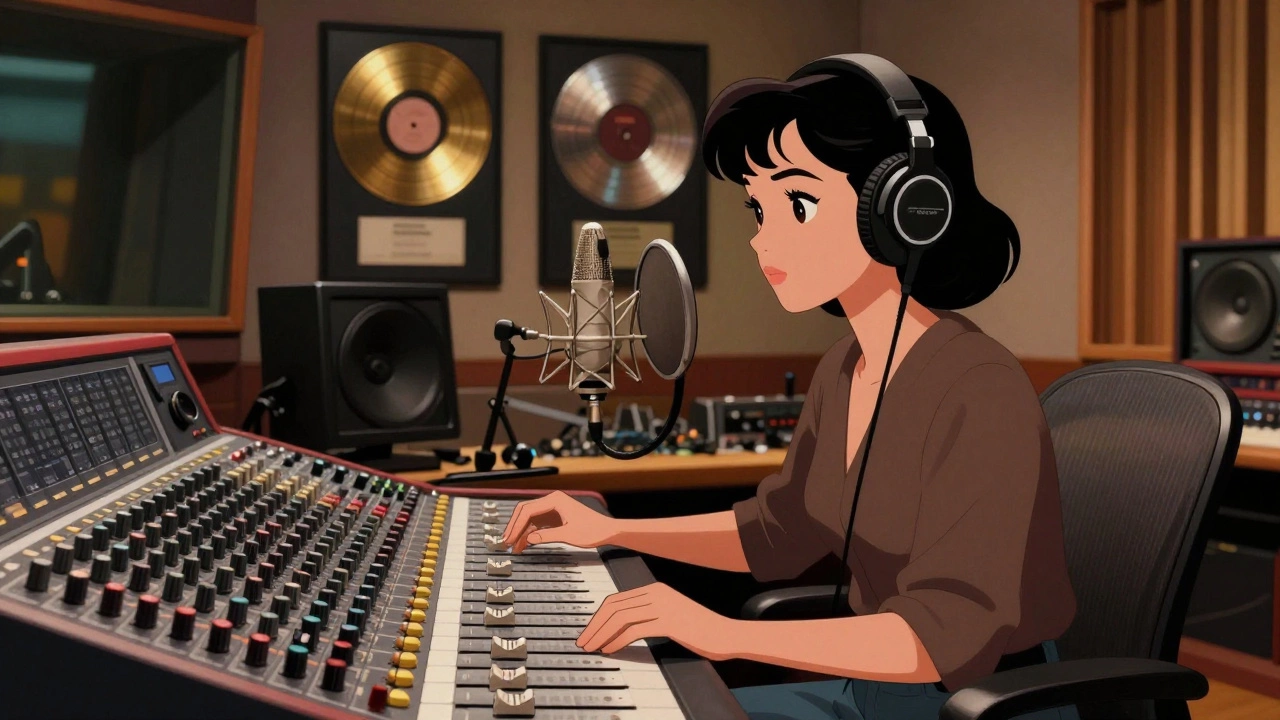
The Struggle Behind the Statuettes
It would be a mistake to think that winning an award meant the fight was over. Even as Madonna and others were breaking sales records, the industry's inner workings remained heavily biased. Recognition often came with strings attached. Female artists were frequently judged more on their appearance and "marketability" than their songwriting or production skills. For instance, many women in the 90s had to fight tooth and nail to be credited as producers on their own albums. The industry standard was to have a male producer "guide" the female voice, even if the woman was the one arranging the melodies and directing the sound. The awards they won were often in categories like "Best Female Vocal Performance," which highlighted their voice but ignored their intellect and technical skill in the studio.From the Fringe to the Mainstream
As the decade wound down, the gap between the "alternative" women and the "pop" women began to close. Artists like Melissa Etheridge bridged the gap, winning critical acclaim for her songwriting while maintaining huge commercial appeal. The recognition was no longer just about fitting into a specific box-it was about expanding the box itself. By the end of the 90s, the foundation had been laid for the 2000s. The success of 90s pioneers meant that the next generation of artists didn't have to ask for permission to lead a band or produce their own tracks. They had the blueprint provided by the women who fought through the 90s to prove that femininity and musical power weren't mutually exclusive.Which awards were the most significant for women in the 90s?
The American Music Awards were huge because they reflected actual fan popularity, as seen with Paula Abdul and Janet Jackson. However, the Grammys provided the industry's "seal of approval," and the MTV Video Music Awards recognized the growing importance of the visual identity and music videos in the pop and alternative spheres.
How did the 90s change the role of women in rock music?
The 90s moved women from being primarily "backup singers" or "pop princesses" to being the focal point of the alternative rock movement. Bands like Garbage and The Cranberries showed that women could lead the musical and conceptual direction of a rock band, moving beyond traditional balladry into experimental and aggressive sounds.
Why was the 90s considered a "gold mine" for women in country music?
During this time, female country artists achieved unprecedented commercial success, selling a record number of gold and platinum albums. This was due to a combination of a growing market and a shift in the industry that allowed female storytelling to resonate more deeply with a wide audience.
Who were the key alternative female artists of the decade?
Some of the most influential included Alanis Morissette, who defined the angst of the era; PJ Harvey and Liz Phair, who pushed the boundaries of indie and art-rock; and bands like Garbage and 4 Non Blondes, who brought a fresh energy to the mainstream alternative scene.
Did women in the 90s get credit for producing their music?
Generally, it was much harder for women to receive production credits than it is today. While many were heavily involved in the creation of their sound, the industry often credited male producers. The 90s were a transition period where women began to push for more creative control and formal recognition of their technical skills.


