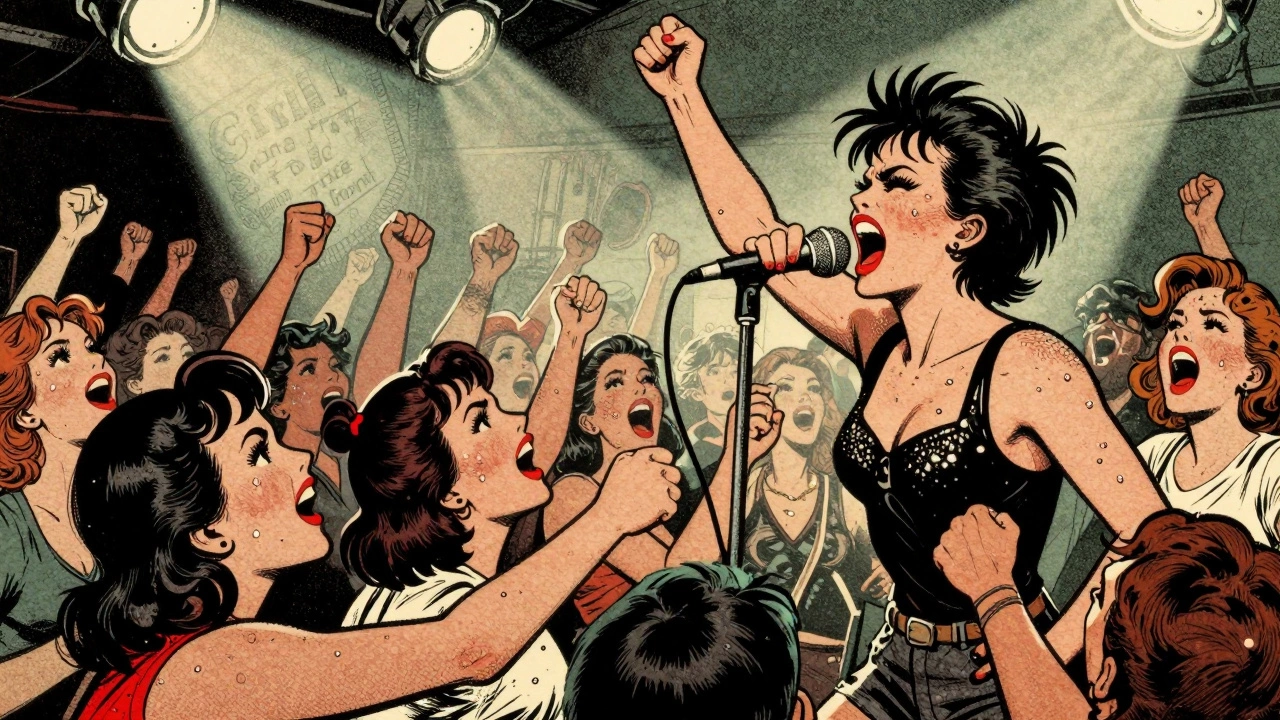

Walk into any record store today, and you’ll likely see a poster for Sleater-Kinney, a highly influential American indie rock band formed in Olympia, Washington in 1994 by Corin Tucker and Carrie Brownstein. You might even spot a reissue of Bikini Kill’s discography. But if you rewind the clock to 1992, standing at the front of a sweaty club in Washington D.C., the experience was radically different. The air wasn’t just thick with sweat; it was charged with a specific, urgent political energy that had never existed in punk before. This was the era when women stopped asking for permission to play loud music and started building their own infrastructure.
The 1990s punk scene, particularly the Riot Grrrl, an underground feminist punk movement that emerged in the early 1990s in Olympia, Washington, characterized by fast tempos, aggressive lyrics about sexism, and DIY zine culture. wave, wasn't just a musical trend. It was a structural shift. Women weren't just singing; they were writing the manifestos, founding the labels, and defining the rules of engagement. They challenged a male-dominated culture by creating spaces-both physical and intellectual-where female and queer voices could exist without being silenced or sexualized. This article breaks down how bands like Bikini Kill, writers like Tobi Vail, and label founders like Ani DiFranco built an alternative economy that changed music history.
The Sound of Anger: Key Bands of the Era
When we talk about women in 1990s punk, we often default to the term "riot grrrl," but the reality was much broader. The sound varied from raw, lo-fi hardcore to intricate indie rock. What united these bands was not just the speed of their drums (often pushing past 180 beats per minute) but the content of their lyrics. They spoke directly about rape, domestic violence, body image, and queer identity-topics that mainstream alternative rock largely ignored or treated metaphorically.
Bikini Kill, a pioneering riot grrrl band formed in 1990 in Olympia, Washington, known for combining fast punk music with explicit feminist politics. stands as the most visible face of this movement. Formed in October 1990 by vocalist Kathleen Hanna, drummer Tobi Vail, bassist Kathi Wilcox, and guitarist Billy Karren, they didn't just play songs; they issued commands. Their 1993 album *Pussy Whipped* is a landmark record, but their earlier EPs did the heavy lifting of cultural disruption. Hanna’s stage presence was confrontational. She would scream "Girls to the front!" not as a polite request, but as a demand for space in venues historically controlled by men.
Then there was Bratmobile, a core riot grrrl band formed in 1991 featuring Alison Wolfe, Molly Neuman, and Erin Smith, known for their energetic live shows and focus on young female audiences. Formed in February 1991, Bratmobile brought a different flavor. With Alison Wolfe and Molly Neuman-who were already running the zine *Girl Germs*-joining guitarist Erin Smith, they created a high-energy, chaotic sound that appealed heavily to teenage girls. Their 1993 release *Pottymouth* captured the messy, unpolished reality of growing up female in a patriarchal society. Unlike some peers who leaned into pop structures, Bratmobile stayed raw, proving that technical perfection wasn't required to be heard.
We can't ignore the bridge between riot grrrl and the wider indie world: Sleater-Kinney, an influential indie rock band formed in 1994 by Corin Tucker and Carrie Brownstein, known for complex guitar interplay and dynamic vocals. Corin Tucker, previously of Heavens to Betsy, teamed up with Carrie Brownstein. While they shared the feminist ethos of their Olympia neighbors, Sleater-Kinney focused on musical intricacy. Albums like *Call the Doctor* (1996) and *Dig Me Out* (1997) showcased dual-guitar harmonies that rivaled any male-led rock duo. They proved that feminist punk could be critically acclaimed and musically sophisticated, expanding the genre's reach beyond the underground.
For queer visibility, Team Dresch, a feminist punk band active in the mid-1990s, led by Donna Dresch, known for advocating for lesbian and queer rights through music. was essential. Led by guitarist/bassist Donna Dresch, they released albums like *Personal Best* (1995) and *Captain My Captain* (1996). Team Dresch explicitly centered lesbian experiences, filling a gap in a scene that often marginalized non-heteronormative identities. Their work ensured that the feminist punk conversation included queer voices, making the movement more intersectional than its critics often gave it credit for.
| Band | Formation Year | Key Members | Musical Style | Notable Release |
|---|---|---|---|---|
| Bikini Kill | 1990 | Kathleen Hanna, Tobi Vail | Fast, Lo-fi Hardcore | *Pussy Whipped* (1993) |
| Bratmobile | 1991 | Alison Wolfe, Molly Neuman | Chaotic, High-Energy Punk | *Pottymouth* (1993) |
| Sleater-Kinney | 1994 | Corin Tucker, Carrie Brownstein | Indie Rock, Complex Guitar Work | *Call the Doctor* (1996) |
| Team Dresch | 1993 | Donna Dresch | Queer Punk, Melodic | *Personal Best* (1995) |
Zines: The Intellectual Infrastructure
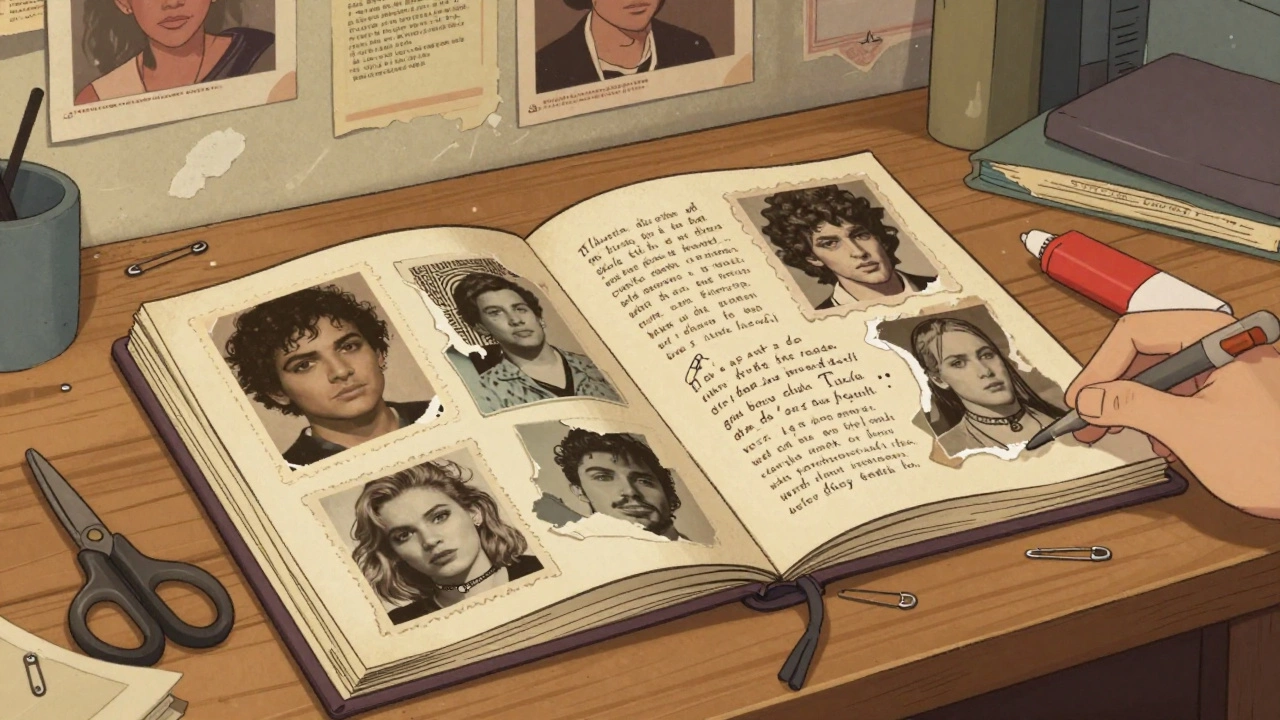
If the bands provided the soundtrack, the zines provided the blueprint. In the 1990s, before social media allowed instant global communication, women relied on cut-and-paste magazines to organize. These weren't just fan publications; they were political tools. Zines bypassed mainstream music press, which often trivialized female performers or focused solely on their appearance. Instead, these self-published documents addressed readers as equals, sharing personal stories of abuse, depression, and resistance.
Kathleen Hanna and Tobi Vail co-created the Bikini Kill zine around 1990. By 1991, they published *Bikini Kill Zine 2*, which contained what is widely considered the riot grrrl manifesto. Written in capital letters with repetitive, direct language, it demanded action. It called for networks of girls to share stories of rape and abortion, turning private trauma into public political fuel. This document positioned writing not as a hobby, but as therapy and revolution combined.
Meanwhile, Alison Wolfe and Molly Neuman produced Girl Germs. This zine circulated ideas well before their band Bratmobile gained traction. It used handwritten text and collage art to create a sense of intimacy. Readers felt like they were talking to a friend, not reading a textbook. This accessibility was crucial. It lowered the barrier to entry, encouraging thousands of young women to pick up pens, scissors, and glue sticks to start their own publications. By the mid-1990s, hundreds of zine titles existed across the U.S. and Europe, creating a decentralized network of feminist thought.
This intellectual work also involved constructing genealogies. Writers retroactively linked themselves to pioneers like Patti Smith, Ari Up of The Slits, and Joan Jett. By doing so, they legitimized their current struggle as part of a longer history of women fighting for space in rock music. This historical awareness helped sustain the movement during periods of backlash, reminding participants that they were part of a lineage, not an anomaly.
Label Founders and the DIY Economy
Creating art is one thing; distributing it without selling your soul to a major label is another. In the 1990s, women took control of the business side of punk through independent labels. While many famous feminist-friendly labels like K Records and Kill Rock Stars were founded by men, women within the scene often performed the de facto labor of management, booking, and distribution. However, some women stepped up to found their own imprints, ensuring total creative control.
A prime example is Ani DiFranco, who founded Righteous Babe Records, an independent record label founded by Ani DiFranco in 1990, dedicated to releasing politically engaged folk-punk music. in 1990. Initially, she created the label to self-release her own folk-punk records rather than sign a traditional contract. By the late 1990s, Righteous Babe was distributing work by other politically engaged artists. It remained woman-owned and independent, proving that it was possible to build a sustainable career outside the major label system. DiFranco’s model inspired countless others to view ownership as a form of liberation.
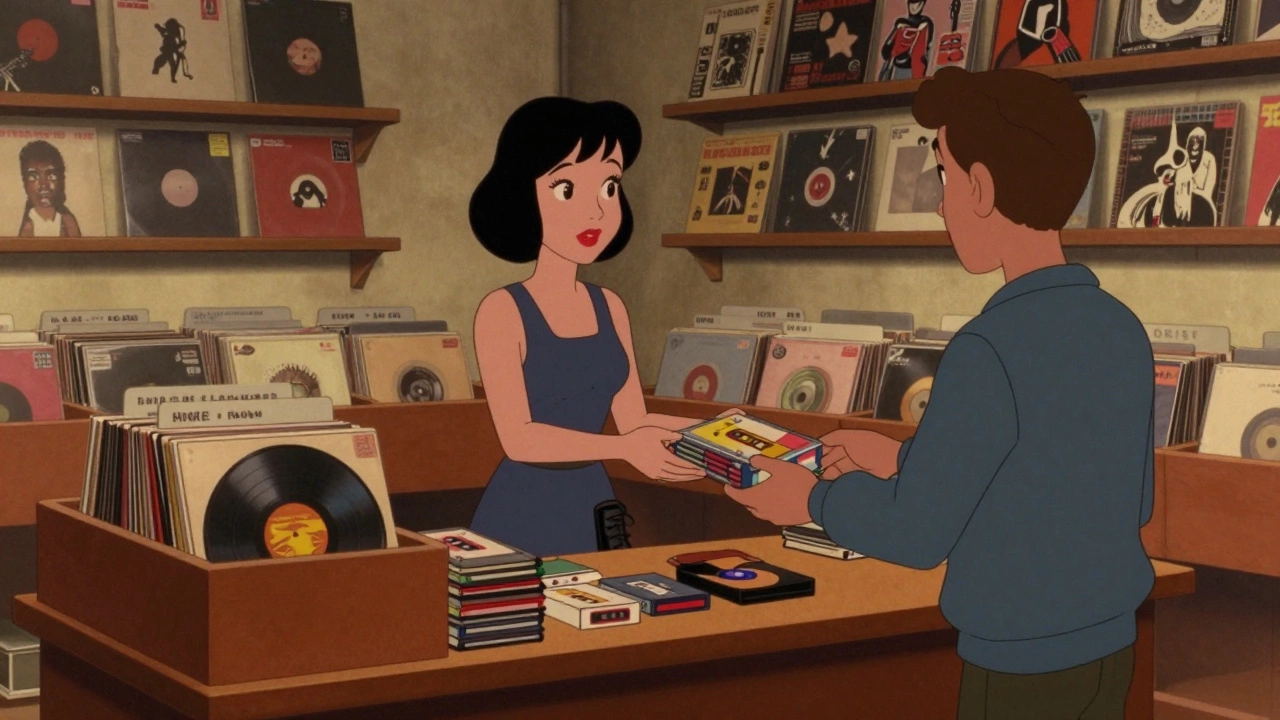
Smaller operations functioned similarly. Labels associated with bands like Team Dresch and Bratmobile operated on shoestring budgets. They pressed limited runs of vinyl and cassettes-often only 300 to 1,000 copies-and sold them directly at shows or via mail-order catalogs. This micro-economy reinforced the DIY ethos. There was no middleman taking a cut. The money went straight back into the band, allowing them to book more tours, print more flyers, and support local causes. This financial independence meant they didn't have to compromise their message to appeal to radio programmers.
Women also organized benefit compilations and coordinated small tours across 20-40 venues a year. These logistical efforts are rarely documented in mainstream histories, but they were vital. They kept the scene alive when commercial interest waned. By handling their own distribution, women ensured that their music reached the people who needed to hear it, regardless of whether it charted on Billboard.
Aesthetics and Visual Politics
You couldn't separate the music from the look. The visual aesthetics of 1990s women in punk were deliberate acts of rebellion. Rejecting the polished, hyper-sexualized images promoted by MTV-era pop stars, these women embraced a "childish" or unkempt style. Handwritten slogans scrawled on bodies, thrift-store dresses paired with combat boots, and deliberately messy hair became the uniform.
This aesthetic turned the female body into a "message board." As noted in contemporary analyses, women used their skin to display political texts, reclaiming their bodies from objectification. A smear of lipstick over a bruise or a safety pin through a torn shirt communicated resilience and defiance. This visual language was instantly recognizable and easily replicable, allowing fans to participate in the movement simply by adopting the style. It democratized fashion, stripping away the need for expensive designer clothes and replacing them with symbols of solidarity.
Critiques and Legacy
No movement is perfect, and the 1990s feminist punk scene faced valid criticisms. Scholars and activists have pointed out that while the rhetoric was inclusive, the demographics were not. Many of the most visible leaders were white, college-educated women. Women of color, trans women, and working-class individuals often felt excluded or under-documented in zine archives. Bands like Team Dresch made strides toward queer inclusion, but racial diversity remained a significant blind spot in many circles.
Despite these flaws, the impact is undeniable. The infrastructure built in the 1990s laid the groundwork for modern independent music. Today’s wave of feminist and queer punk bands-from Petrol Girls to Gel-draws directly from this lineage. They use similar DIY tactics, albeit updated for digital platforms. The insistence on owning your masters, controlling your narrative, and supporting each other remains central to punk ethics.
The legacy isn't just in the music; it's in the mindset. Women in 1990s punk taught us that you don't need permission to speak. You just need a guitar, a pen, and the courage to say what needs to be said. That lesson continues to resonate, proving that the riot never really ended-it just evolved.
What was the Riot Grrrl movement?
Riot Grrrl was an underground feminist punk movement that began in the early 1990s in Olympia, Washington. It combined aggressive punk music with explicit political lyrics about sexism, sexual violence, and queer identity. The movement emphasized DIY ethics, encouraging women to form bands, write zines, and take control of their own representation in culture.
Who were the key bands in 1990s women's punk?
Key bands include Bikini Kill, known for their confrontational politics and fast hardcore sound; Bratmobile, recognized for their chaotic energy and appeal to young women; Sleater-Kinney, who blended feminist themes with sophisticated indie rock musicianship; and Team Dresch, who focused on queer and lesbian visibility within the punk scene.
How did zines contribute to the movement?
Zines served as the intellectual infrastructure of the movement. Publications like Bikini Kill and Girl Germs allowed women to share personal stories, distribute political manifestos, and organize events without relying on mainstream media. They created a decentralized network of communication that empowered readers to become creators.
Did women found any major labels in the 1990s?
While large-scale major labels were rare, Ani DiFranco founded Righteous Babe Records in 1990, which became a successful independent imprint for politically engaged artists. Many other women managed smaller DIY labels and distribution networks, pressing limited-run records and maintaining creative control outside the traditional industry system.
What criticisms were leveled against the Riot Grrrl movement?
Critics argued that the movement was predominantly white and middle-class, often excluding women of color, trans women, and those from lower socioeconomic backgrounds. While the rhetoric was inclusive, the actual demographics of many prominent bands and zine networks did not fully reflect this diversity, leading to calls for greater intersectionality in subsequent years.