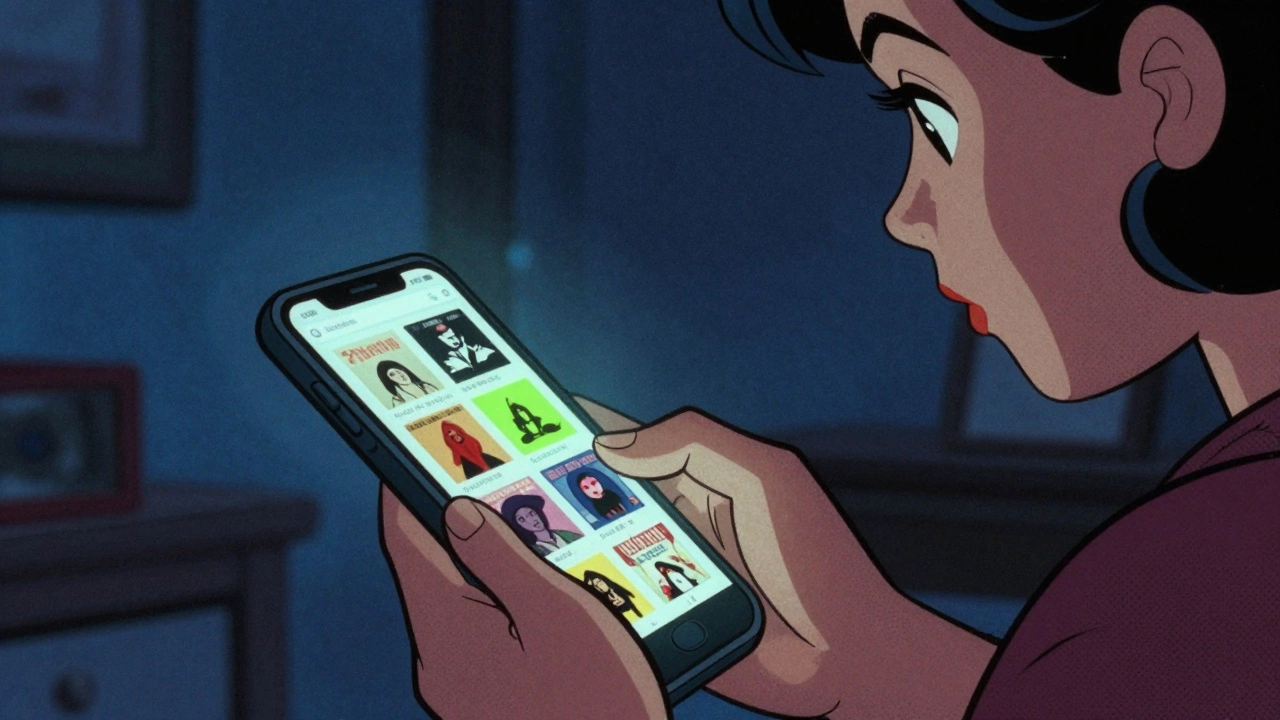

Imagine scrolling through Spotify at 2 a.m. You see thousands of tracks, but one square image stops your thumb. Maybe it’s neon green. Maybe it’s a stark black-and-white portrait. Before you hear a single note, that image tells you who the artist is, what they care about, and whether their vibe matches yours. For women artists, female musicians who leverage visual identity to build career sustainability in the streaming era, this split-second decision is everything. Visual branding isn’t just decoration; it’s the primary language through which audiences connect with music today.
In the past, you bought an album because you heard a radio hit or saw a poster on a bus. Now, the algorithm feeds you based on what catches your eye first. If your visual brand doesn’t scream “this is me,” you’re invisible. This guide breaks down how to turn album covers and fashion choices into a cohesive strategy that drives listens, builds loyalty, and defines your artistic legacy.
The Shift from Physical Art to Digital Identity
We have to acknowledge that the playing field has changed completely. In the 1980s, album covers were large canvas paintings or high-gloss photography designed to sit on a shelf. The 1990s brought digital tools like Adobe Photoshop, image editing software that revolutionized album art creation by enabling complex digital compositing, allowing for surreal collages and gritty grunge aesthetics. But none of those eras prepared us for the current reality: the thumbnail.
Today, your album cover lives primarily as a tiny square on a smartphone screen. Research from the Michigan Institute (2025) highlights that streaming platforms like Spotify, leading audio streaming service where album artwork serves as the primary visual touchpoint for user discovery display these images at scales small enough to miss fine details. This means your design must be bold, simple, and instantly recognizable. A busy photo with five people might look great on a billboard, but on a phone screen, it looks like noise. Successful women artists now prioritize high-contrast imagery, distinct typography, and singular focal points that survive compression and resizing.
This shift forces a new discipline. You can’t rely on liner notes or back-cover essays to explain your concept. The front cover must do all the heavy lifting. It needs to communicate the emotional tone of the music immediately. Is it dark? Playful? Aggressive? Ethereal? The image must answer these questions before the listener hits play.
Fashion as a Visual Anchor
Your clothes are not separate from your music; they are part of the soundtrack. According to analysis from The Mash Magazine (November 2025), fashion choices on album covers directly shape listener perception. When you step onto a stage or pose for a photoshoot, every garment sends a signal about your authenticity and genre.
Consider Britney Spears, pop icon whose schoolgirl aesthetic became a defining element of her brand identity during the late 1990s and early 2000s. Her iconic schoolgirl look wasn’t just a costume; it was a strategic visual marker that signaled youth, innocence, and rebellion simultaneously. That look extended from her album covers to her public appearances, creating a seamless brand experience. Fans didn’t just listen to Britney; they recognized her silhouette anywhere.
For contemporary artists, this principle holds true but requires more nuance. Your fashion strategy should reflect your sonic identity. If you make raw, acoustic folk music, wearing futuristic LED outfits creates cognitive dissonance that confuses listeners. If you produce hyper-pop, vintage floral dresses might dilute your edge. The goal is alignment. Your wardrobe should reinforce the world you’ve built in your lyrics and production.
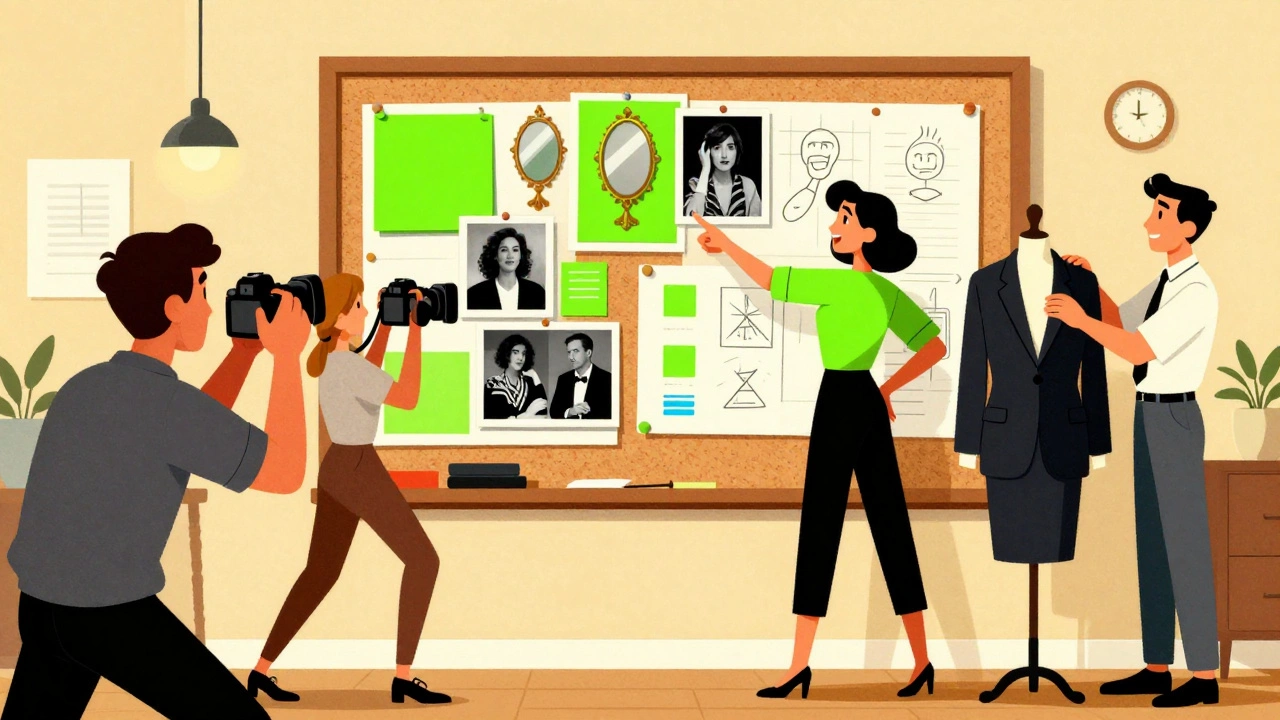
To execute this, start with a mood board. Collect images of textures, colors, and styles that resonate with your sound. Identify three key pieces or accessories that become your signature. Maybe it’s always oversized blazers. Maybe it’s specific jewelry. Consistency here builds recognition faster than any ad campaign.
Color Psychology and Signature Palettes
Color is the fastest way to hack human memory. We process colors 60% faster than text. For women artists, choosing a signature color palette is one of the most effective branding moves you can make. Look at Billie Eilish, Grammy-winning artist known for her distinctive neon green aesthetic and oversized clothing style. She didn’t just pick green because she liked it. She picked it because it was unique, vibrant, and stood out against the pastel-dominated pop landscape of the late 2010s.
Now, when fans see neon green, they think of Billie. That association triggers an emotional response before they even know they’re reacting. This is cognitive branding in action. By repeating a specific hue across album covers, social media posts, merchandise, and stage lighting, you create neural pathways in your audience’s brain that link that color to your identity.
You don’t need to invent a new color. You need to own a combination. Maybe it’s muted earth tones with a splash of red. Maybe it’s monochrome black and white with silver accents. The key is repetition. Use the same palette for your album art, your Instagram filters, your tour posters, and your website. Over time, this consistency becomes your trademark. Even if someone removes your name from the image, fans will still recognize it as yours.

Thematic Imagery and Storytelling
An album is a story, and your visuals should illustrate that narrative. Vampr’s 2025 analysis emphasizes that thematic imagery involves using visuals that correspond to the themes, stories, and emotions present in your music. Don’t just take a pretty picture. Ask yourself: What is this album about? Is it about heartbreak? Liberation? Anxiety? Joy?
If your album explores isolation, consider using negative space, shadows, or solitary figures in vast landscapes. If it’s about chaos and energy, use fragmented compositions, bright clashing colors, or motion blur. The visual language must match the sonic language.
Think about recurring symbols. Maybe you use mirrors to represent self-reflection. Maybe you use water to symbolize emotion. These symbols become part of your visual vocabulary. Fans begin to decode them, deepening their engagement with your work. They feel like insiders who understand your secret code. This fosters a stronger community around your art.
However, avoid being too literal. Subtlety often works better. A cracked mirror suggests brokenness without stating it outright. A stormy sky implies turmoil without showing a fight. Let the audience interpret the imagery. Their interpretation makes the connection personal and powerful.
Social Media and Digital Touchpoints
Your album cover is just the tip of the iceberg. In 2026, your visual brand lives across dozens of digital touchpoints. Instagram, social media platform critical for visual storytelling and brand reinforcement for musicians and TikTok, short-form video platform where visual trends drive music discovery and artist virality are not afterthoughts; they are core components of your marketing infrastructure.
Every post should reinforce your visual identity. If your brand is minimalist, your feed should be clean and uncluttered. If it’s maximalist, embrace chaos and layering. Behind-the-scenes content is also crucial. Show the process. Share sketches of your album cover design. Post videos of you trying on outfit options. This transparency builds trust and makes your brand feel human.
Moreover, ensure your visuals are optimized for each platform. TikTok favors vertical video with bold text overlays. Instagram rewards high-resolution photography and cohesive grid layouts. Adapt your assets accordingly. Don’t just repost the same square image everywhere. Resize, recrop, and reformat to fit the native experience of each channel. This attention to detail signals professionalism and respect for your audience’s time.
Emerging Technologies: AI and Interactive Art
The future of visual branding is moving beyond static images. Artists like Beyoncé, global superstar who utilizes innovative visual strategies including animated album covers and interactive digital experiences are experimenting with animated album covers, AI-generated imagery, and interactive digital experiences. These formats allow for dynamic storytelling that evolves over time.
Animated covers can change based on the track playing, offering a different visual for each song. AI tools can generate infinite variations of a theme, allowing you to keep your content fresh without losing brand consistency. NFTs (non-fungible tokens) offer another avenue, letting fans collect limited-edition digital artworks tied to your releases.
While these technologies are exciting, they require careful integration. Don’t adopt AI just because it’s trendy. Use it only if it enhances your narrative. Does an animated cover add depth to your story? Does an NFT provide exclusive value to your superfans? If yes, proceed. If no, stick to proven methods. Technology should serve your art, not distract from it.
Building a Cohesive Creative Team
You cannot do this alone. Visual branding requires coordination across multiple disciplines: photography, graphic design, fashion styling, and digital marketing. Assemble a creative team that understands your vision. Hire photographers who specialize in your genre. Work with designers who grasp color theory and typography. Collaborate with stylists who can translate your sonic identity into clothing.
Communicate clearly. Provide detailed briefs. Share your mood boards. Explain the emotional goals of each project. Your team should act as extensions of your creative mind, not independent operators. Regular check-ins ensure everyone stays aligned. Feedback loops help refine the output before it goes public.
Invest in quality. Cheap visuals undermine credibility. In a saturated market, professionalism sets you apart. Budget wisely for high-quality photography, custom graphics, and strategic styling. These costs pay off through increased recognition and listener retention.
| Era | Primary Medium | Key Characteristic | Impact on Artist Identity |
|---|---|---|---|
| 1980s | Physical Vinyl/Cassette | Large-format photography, minimal text | Shelf presence drove sales; static identity |
| 1990s | Cover CDs + MTV | Digital manipulation (Photoshop), genre-specific aesthetics | Video-driven image; rapid trend cycles |
| 2010s | Digital Streaming | Thumbnail optimization, social media integration | Algorithmic visibility; consistent cross-platform branding |
| 2020s+ | Interactive/Digital | AI generation, animated covers, NFTs | Dynamic engagement; immersive fan experiences |
Avoiding Common Pitfalls
Even with the best intentions, visual branding can go wrong. Here are common mistakes to avoid:
- Inconsistency: Changing your aesthetic every release confuses fans. Build upon your existing identity rather than abandoning it.
- Overcomplication: Too many elements dilute impact. Simplify your designs for clarity.
- Ignoring Scale: Always test your album art at thumbnail size. If details disappear, redesign.
- Disconnect Between Sound and Sight: Ensure your visuals match your musical genre and emotional tone.
- Neglecting Social Media: Your album cover is only one piece. Maintain visual cohesion across all digital platforms.
By steering clear of these traps, you protect your brand integrity and strengthen your connection with listeners.
How important is album cover design in the streaming era?
Extremely important. On platforms like Spotify, the album cover is often the first interaction a listener has with your music. It acts as "algorithmic bait," influencing whether recommendation systems prioritize your release. A striking, recognizable cover increases click-through rates and helps establish emotional tone before the music plays.
Can I change my visual brand with each new album?
You can evolve, but drastic changes risk confusing your audience. Successful artists like Billie Eilish maintain core elements (like her neon green palette) while adjusting other aspects to reflect artistic growth. Balance consistency for recognition with evolution to show development.
What role does fashion play in visual branding?
Fashion extends your brand beyond album art. Your clothing choices on stage, in photoshoots, and on social media reinforce your persona and authenticity. Consistent style elements-like Britney Spears’ schoolgirl look or Billie Eilish’s oversized silhouettes-become instantly recognizable markers that strengthen fan connection.
How do I choose a signature color palette?
Select colors that reflect your music’s mood and stand out in your genre. Test combinations for contrast and memorability. Once chosen, apply this palette consistently across album covers, social media, merchandise, and stage design. Repetition builds neural associations in fans’ minds, linking the color to your identity.
Should I use AI-generated imagery for my album art?
Only if it enhances your narrative. AI offers creative possibilities but must align with your brand identity. Ensure the generated images maintain your signature style and emotional tone. Avoid using AI solely for novelty; prioritize artistic coherence and authenticity.
How can I ensure my album art looks good on mobile devices?
Design with thumbnails in mind. Use high-contrast elements, bold typography, and singular focal points. Avoid cluttered details that disappear at small sizes. Test your artwork on actual smartphone screens to verify legibility and impact before finalizing.
What is thematic imagery in visual branding?
Thematic imagery uses visuals that correspond to the stories, emotions, and concepts in your music. Instead of generic portraits, incorporate symbols, settings, or motifs that reflect your lyrical themes. This creates deeper engagement as fans decode the narrative behind your visuals.
How do social media platforms influence visual branding?
Platforms like Instagram and TikTok are central to maintaining visual consistency. They allow you to share curated content, behind-the-scenes processes, and styled imagery that reinforces your brand. Adapting visuals to each platform’s format ensures optimal engagement and reach.


