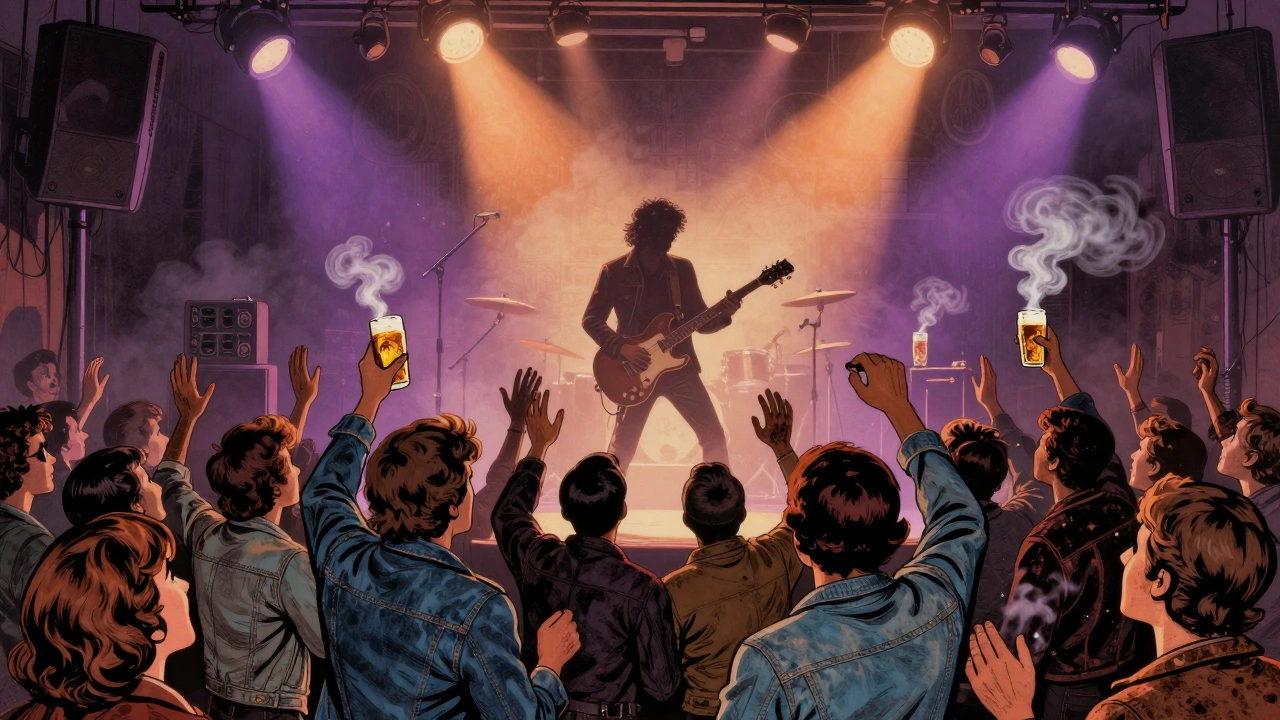

Imagine walking into a club in late 1978. The air smells like stale beer and electricity. Suddenly, someone rips through an intro you've never heard before. It wasn't just loud; it sounded like something was breaking physics. That moment belongs to Van Halenan American rock band formed in Pasadena, CaliforniaThe Original Van Halen. Their self-titled debut album didn't just enter the market; it kicked down the door. Before this record dropped, heavy guitar meant chugging power chords or bluesy solos. Afterward, every aspiring guitarist wanted to know how Eddie Van Halen bent the instrument itself.
The Shock of New Sonic Landscapes
We often talk about the songs, but we forget the sound itself. This album served as ground zero for showcasing Eddie Van Halena legendary guitarist and co-founder known for revolutionary electric guitar playingEddy" Van Halen". approach to the electric guitar. Tracks like "Eruption" demonstrated technical astonishment that established him as a innovator instantly. But it wasn't just about speed. It was about texture. The band combined Eddie's groundbreaking innovations with David Lee Roththe charismatic lead vocalist and frontman of Van HalenRoth.'s performance art approach to frontman duties. They created a unique fusion of hard rock, blues, and heavy metal with sonic characteristics that had never been heard before in commercial rock music.
You might wonder why other bands didn't pull this off first. Most groups stuck to safe production values. They played it straight. Eddie saw the guitar as a synthesizer. By using feedback, harmonics, and his unique two-handed tapping method, he turned the neck into a rhythmic machine. This catalyzed a seismic shift in 1970s and 1980s rock music. It proved that unconventional techniques could achieve mainstream success while maintaining artistic integrity.
The Minimalist Amplification Strategy
What actually made the tone scream? Eddie's equipment setup for the debut album's recording was deliberately minimalist yet highly effective. During the 1978 recording sessions at Sunset Sound Studiosa recording facility in Los Angeles where early Van Halen albums were recorded, Eddie employed two Marshall amp heads as the foundation of his amplification system. According to Young Guitar magazine's September 1978 interview, this configuration was critical to achieving the album's distinctive sound signature.
This dual-amplifier setup wasn't about stacking volume for no reason. It was about harmonic saturation. When you drive two tubes cabinets, you get a natural compression that smooths out the attack of the pick. Eddie knew exactly how to push those circuits to the edge without blowing them up. While the specific details of the second head remain undocumented in some archives, the effect was undeniable. The rhythm tones cut through the mix without losing low-end weight.
| Component | Specific Model/Type | Function in Mix |
|---|---|---|
| Amp Heads | Marshall (Custom Modified) | Tone Foundation |
| Delay Unit | Echoplex Delay | Spatial Depth & Texture |
| Studio | Sunset Sound | Primary Recording Location |
| Guitar | Frankenstein/Guitar | Primary Instrumentation |
Production Secrets in the Control Room
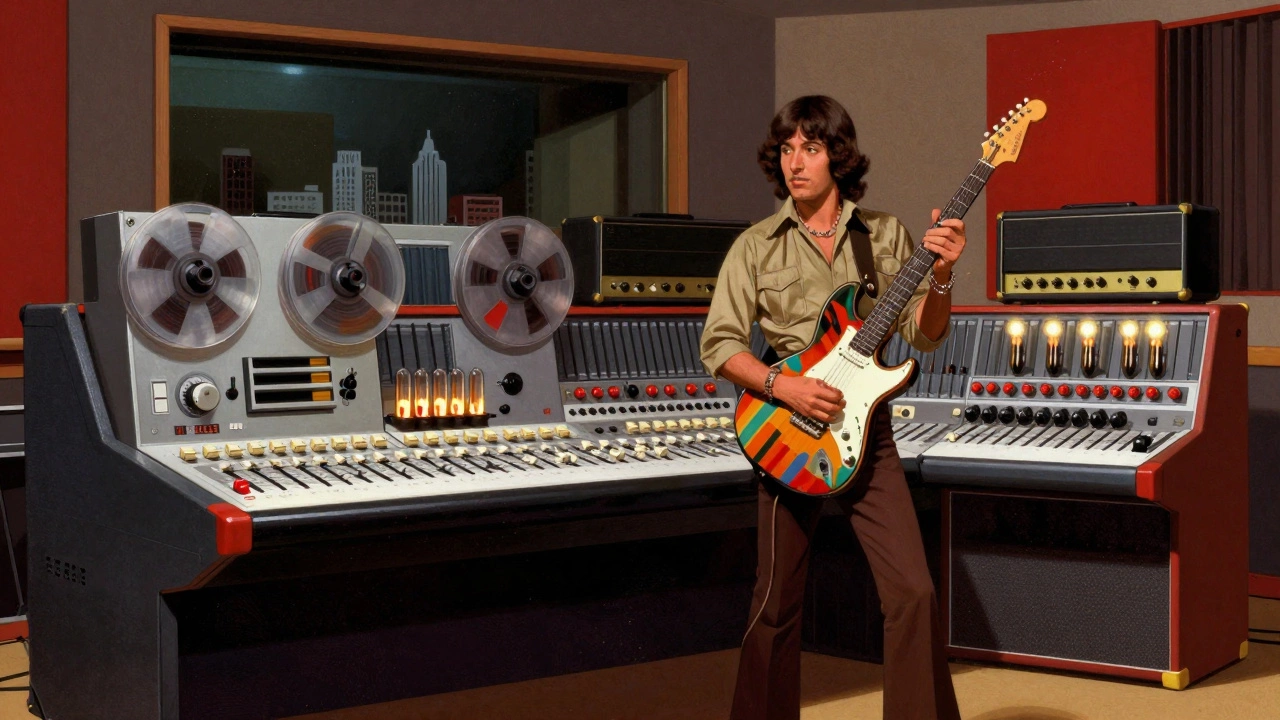
Technical innovations extended beyond amplification to encompass left and right channel guitar doubling techniques. This method would be extensively studied and replicated by subsequent engineers. These production methodologies demonstrated a sophisticated understanding of stereo imaging and reverb placement. The guitar signal was strategically distributed across left and right channels to create spatial depth in the final mix.
Consider the difference between the original Van Halen album and its successor, Van Halen II. The second album utilized EMT 140 Reverba classic plate reverb unit used extensively in professional studios-style reverb units for achieving its characteristic sound. However, on the debut, the reverb specs were tighter. This distinction changed the perceived space of the vocals. The debut felt like you were in the room with them. The follow-up felt slightly bigger, perhaps more polished.
The use of Echoplex delay units further contributed to the textural richness of Eddie's lead guitar tone. This created the shimmering, almost vocal-like quality that characterized his most famous passages. He wasn't just playing notes; he was painting waves of sound. Engineers have to work hard to capture that kind of fluidity without muddying the bass frequencies.
Rhythm Section Power Dynamics
While all eyes were on the six-string heroics, the backbone lay elsewhere. A powerful rhythm section featuring Alex Van Halendrummer and older brother of Eddie Van Halen and Michael Anthonybassist and backing vocalist known for his deep falsetto drove the engine. Alex's drumming wasn't standard rock beat; it swung. It pushed the tempo forward with a groove that kept David Lee Roth floating above the chaos.
Michael Anthony's bass lines weren't just following the root notes. He added fills and counter-melodies that locked tightly with the kick drum. This tightness is essential when you have a soloist going wild over the top. Without that anchor, the energy dissipates. The band understood that their collective power came from locking in, not just playing fast individually. This allowed the complex rhythms to stay readable for the listener.
Impact on Heavy Metal Evolution
Why does a 1978 record still matter today? The album's revolutionary impact on rock music derives fundamentally from Eddie's technical mastery and innovative approach to electric guitar. It redefined what was considered possible on the instrument during the 1970s. The combination of hardware innovations, recording technique advancements, and Eddie's virtuosic playing style created a sonic force that simultaneously influenced Heavy Metala genre of rock music known for loud distorted guitars and aggressive singing and classical-influenced electric guitar music.
This catalyzed a seismic shift in rock history. It inspired countless guitarists to explore technical boundaries. The industry pushed toward greater emphasis on instrumental virtuosity. Bands started thinking differently about what gear they needed. You suddenly saw everyone chasing the same tone stack Eddie was using. It set a precedent that gear selection was part of songwriting.
Frequently Asked Questions
Did Eddie Van Halen invent the tapping technique?
While others experimented with two-handed playing earlier, Eddie brought it to the forefront and refined it for rock audiences. His integration of tapping into full compositions rather than just short flourishes made it iconic.
Where was the self-titled album recorded?
The recording sessions took place primarily at Sunset Sound Studios in Los Angeles during 1978. This location provided the acoustic environment necessary for their specific amplifier setups.
What guitar did Eddie play on the debut?
He primarily used his custom-built guitar often referred to as the 'Frankenstrat'. It featured a body similar to a Fender Stratocaster but with a Gibson Les Paul pickup configuration, though later modified significantly.
How did the band members interact during recording?
The chemistry was intense but focused. Eddie and Alex were brothers, sharing a musical language, while David Lee Roth and Michael Anthony brought the necessary vocal and rhythmic flair to balance the aggression.
Does the album use traditional drum kits?
Alex used a standard kit but tuned for punch. The sound processing involved careful microphone placement to capture the snare crack distinctly through Marshall monitor mixes.
Much has changed since those days. Today, digital modeling captures vintage tones, but there is something raw about analog tape saturation that software struggles to replicate perfectly. If you listen closely to the transition between verses and choruses, you can hear the room breathing. That human element is what keeps this record alive forty-eight years later. It remains a masterclass in how technology serves creativity.


