
The Blueprint for Rebellion
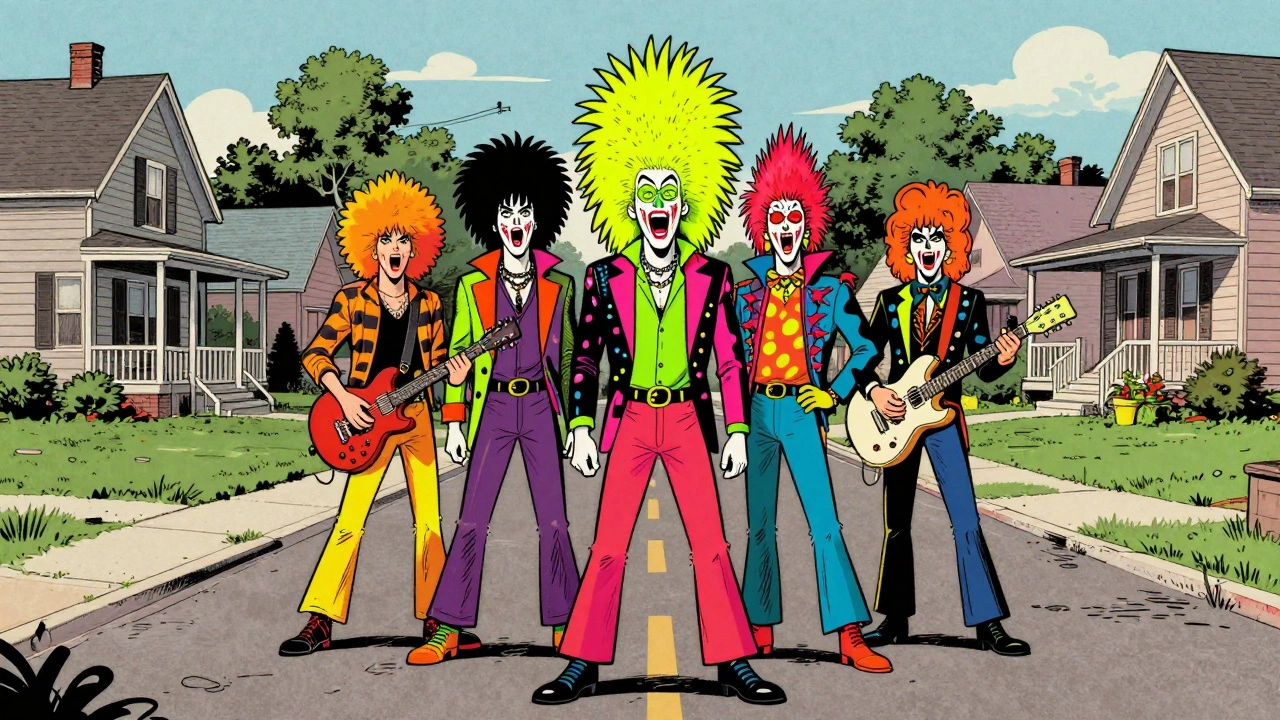
Before they were arena fillers, Twisted Sister was grinding it out in New York. They started back in 1973, but the real magic happened when Dee Snider joined in 1976. Snider didn't just bring a voice; he brought a vision of Shock Rock, a style designed to provoke and unsettle through visual extremes. If you look at the music, the band's DNA was a mix of the raw energy of the New York Dolls and the stomp of 70s glam. But Snider pushed it further. He understood that in the 80s, if you didn't look like a neon nightmare, you were invisible. This approach turned their shows into events. It wasn't just about the songs; it was about the spectacle. They weren't just playing music; they were staging a riot on a stage.Breaking the World with a Single Hook
On April 27, 1984, the world got We're Not Gonna Take It. This wasn't a song that happened overnight. Snider actually had the core hook in his head as far back as 1980. He spent years refining it, drawing inspiration from the chaotic energy of the Sex Pistols and the anthemic quality of Slade. When it finally hit the airwaves as part of the Stay Hungry album, it hit like a sledgehammer. Now, if you look at the Billboard Hot 100, the song peaked at number 21. In the world of modern pop, that might seem "just okay," but that number doesn't tell the whole story. The song became a cultural virus. It was the ultimate anthem for any kid who felt trapped by a strict teacher or an overbearing parent. It gave a voice to the frustration of a generation that was tired of being told to sit down and shut up.| Metric | Value/Achievement | Context |
|---|---|---|
| Peak Chart Position | #21 Billboard Hot 100 | Highest ranking single for the band |
| Certification | Gold (2009) | Over 500,000 units sold in the US |
| Live Performance | 9,000+ Shows | Includes 125 headline festivals |
| Total Record Sales | 20+ Million | Lifelong career total |
The MTV Effect and Visual Warfare
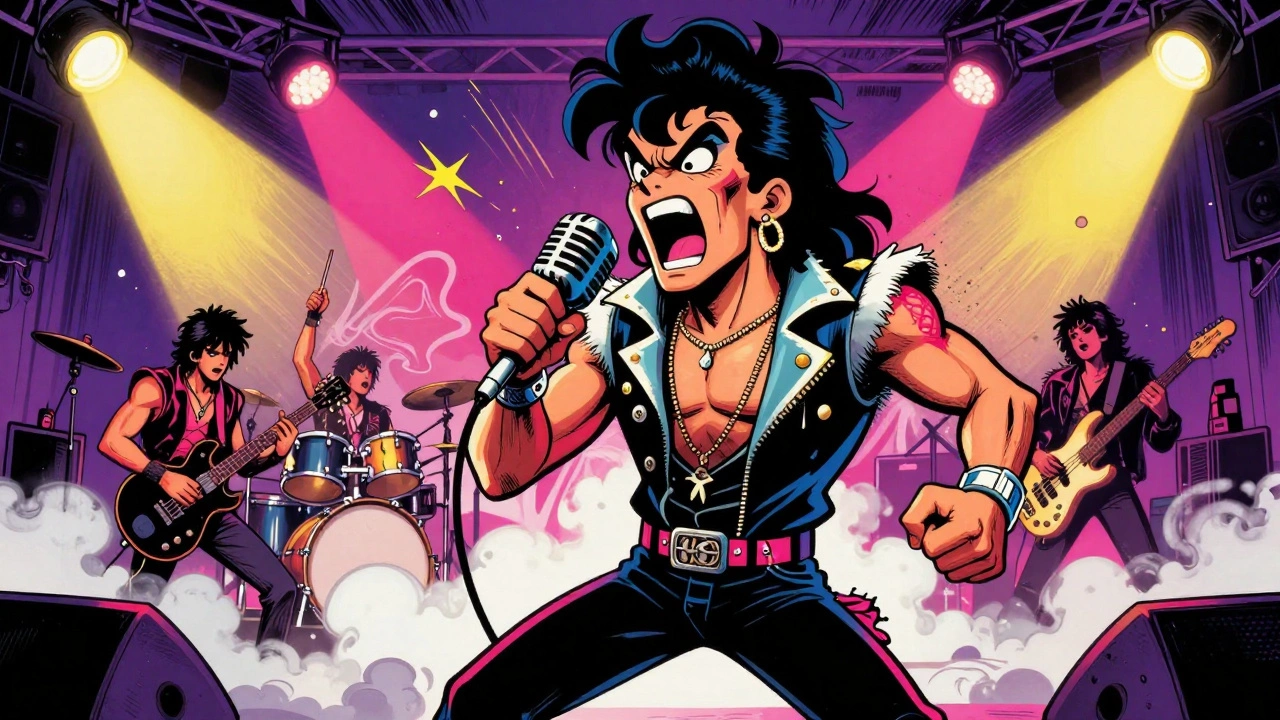
You can't talk about 1984 without talking about MTV. For Twisted Sister, the music video for "We're Not Gonna Take It" was as important as the recording itself. Directed by Marty Callner-a guy who knew how to make a rock band look like gods-the video was a masterclass in teen rebellion. Seeing Dee Snider and the gang in full gear, shouting at the camera, provided a visual focal point for the song's aggression. It made the rebellion tangible. If you were a teenager in a small town, watching that video felt like a permission slip to be different. This synergy between sight and sound is what drove the success of other hits like "I Wanna Rock," cementing the band's place in the glam metal pantheon.The Bridge Between Eras
Twisted Sister occupied a weird, fascinating space in music history. They were the bridge. On one side, you had the 70s glam of David Bowie and T. Rex, where gender ambiguity was a high-art statement. On the other side, you had the late 80s "hair metal" explosion with bands like Mötley Crüe and Poison. Here is the twist: while the later hair metal bands stole the hair, the makeup, and the spandex from the queer and trans subcultures that 70s glam had embraced, the 80s scene became much more rigid and heterosexist. Twisted Sister played with these boundaries, using the makeup as a mask of defiance rather than just a fashion statement. They took the theatricality of the past and weaponized it for the heavy metal future.
The Fast Burn and Permanent Flame
One of the strangest things about Twisted Sister is how quickly their mainstream moment vanished. They owned the second half of 1984. By 1985, the shine was starting to wear off, and by 1986, they were largely gone from the pop charts. In the industry, we call that a "fast burn." But here is where the song "We're Not Gonna Take It" defies logic. Even when the band wasn't on the radio, the song never left. Why? Because the emotion it taps into-defiance-is timeless. Whether it's a sports team coming back from a deficit in the fourth quarter or an employee finally quitting a toxic job, the song provides the perfect soundtrack for a moment of strength. Dee Snider once mentioned that he's happy the song persists long after he's gone. He understood that he didn't just write a hit; he created a tool for people to express their own resistance. It's not about the hair or the makeup anymore; it's about the feeling of refusing to surrender.Lessons from the Rebellion
Looking back, the legacy of the band proves that cultural impact isn't always measured by how many years you spend at the top of the charts. A band can disappear from the mainstream in twenty-four months but still leave a mark that lasts forty years. They taught the world that being "too much" is often exactly what the public wants, provided you have a hook that people can scream along to. They proved that theatricality isn't a distraction from the music-it's an amplifier for it. When you combine a simple, powerful message with an unforgettable image, you create something that doesn't just trend for a week but becomes part of the permanent cultural furniture.Was "We're Not Gonna Take It" a massive hit on the charts?
Surprisingly, it wasn't a number-one hit. It peaked at number 21 on the Billboard Hot 100 in September 1984. However, its cultural ubiquity far outweighed its chart position, making it the band's highest-selling single and a permanent staple of rock radio.
Who influenced the sound of Twisted Sister?
The band's sound was heavily influenced by the New York Dolls' glam rock energy. Specifically for the hit "We're Not Gonna Take It," Dee Snider cited the Sex Pistols and Slade as major influences, blending punk's rebellious spirit with glam rock's anthemic style.
What is "Shock Rock" exactly?
Shock rock is a performance style that uses theatricality, makeup, and provocative visuals to shock or unsettle the audience. Twisted Sister used this to emphasize their themes of rebellion, using oversized hair and makeup to challenge societal norms of the 1980s.
Why did Twisted Sister disappear from the mainstream so quickly?
The band experienced a very intense but brief peak. After dominating 1984 with hits like "We're Not Gonna Take It" and "I Wanna Rock," their mainstream visibility faded during 1985, and they had largely left the pop spotlight by 1986, even as their songs remained popular in catalogs and playlists.
How did the music video help their success?
The video, directed by Marty Callner, capitalized on the rise of MTV. By visually presenting the concept of teen rebellion through their extreme looks and high-energy performance, they reached a massive demographic of youth who resonated with the song's message of defiance.


