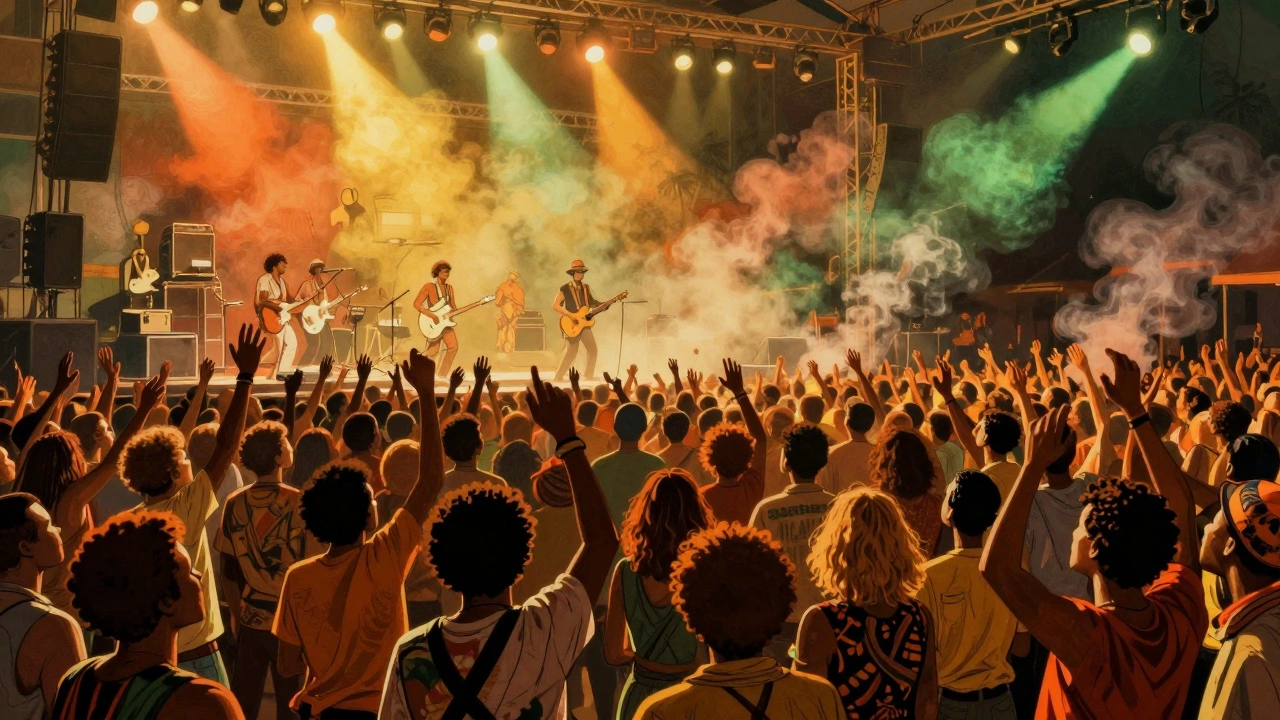

When we talk about reggae tour documentaries, we aren't just talking about promotional videos. We are talking about cultural archives. Reggae is a music of the streets, born in the shantytowns of Kingston and exported to the world. Because so much of its power lies in the interaction between the performer and the people, the 'live' element is where the real magic happens. Whether it's the spiritual fervor of a Rastafarian gathering or the political tension of a concert during a Jamaican general election, these recordings preserve a vibe that can't be manufactured in a booth.
The Blueprint: Bob Marley and the Live Experience
You can't talk about live reggae without starting with the gold standard. Bob Marley is the global face of reggae, whose live performances transformed concerts into spiritual revivals. His journey from the streets of Trenchtown to sold-out international stadiums wasn't just a career climb; it was a cultural shift. When you watch documentaries like "King of Reggae's Rise to Fame," you see more than just a singer. You see a leader moving a mass of people through a shared emotional experience.
The difference between a studio album and a live recording of Marley is the "breath" of the music. In the studio, the songs are tight. Live, they stretch. A three-minute track can become a ten-minute meditation, with the Wailers expanding the groove based on the energy of the crowd. This improvisational nature is exactly why live albums are essential for anyone trying to study the genre's impact. They show how the music reacted to the world in real-time.
Beyond the Stage: The Role of the Tour Documentary
A live album gives you the sound, but a tour documentary gives you the context. These films often act as a window into the grueling reality of the road and the political climate of the era. For many artists, touring was a way to spread the message of Rastafarianism, a religious and social movement that emphasizes the divinity of Haile Selassie I and the liberation of oppressed people. The camera doesn't just catch the hits; it catches the prayers, the arguments in the dressing rooms, and the visceral reaction of fans who see the artist as a prophet as much as a musician.
Take a project like "Appleton Estate Heart of Jamaica: The Spirit of Reggae." By featuring 19 different artists and a collection of timeless songs, it moves away from the "single superstar" narrative and shows the depth of the Jamaican music scene. It treats the music not as a product, but as a heartbeat. These documentaries prove that reggae isn't just a rhythm; it's a way of surviving and resisting. When you see the sweat and the raw emotion on screen, the political lyrics about "Babylon" and oppression feel a lot more urgent.
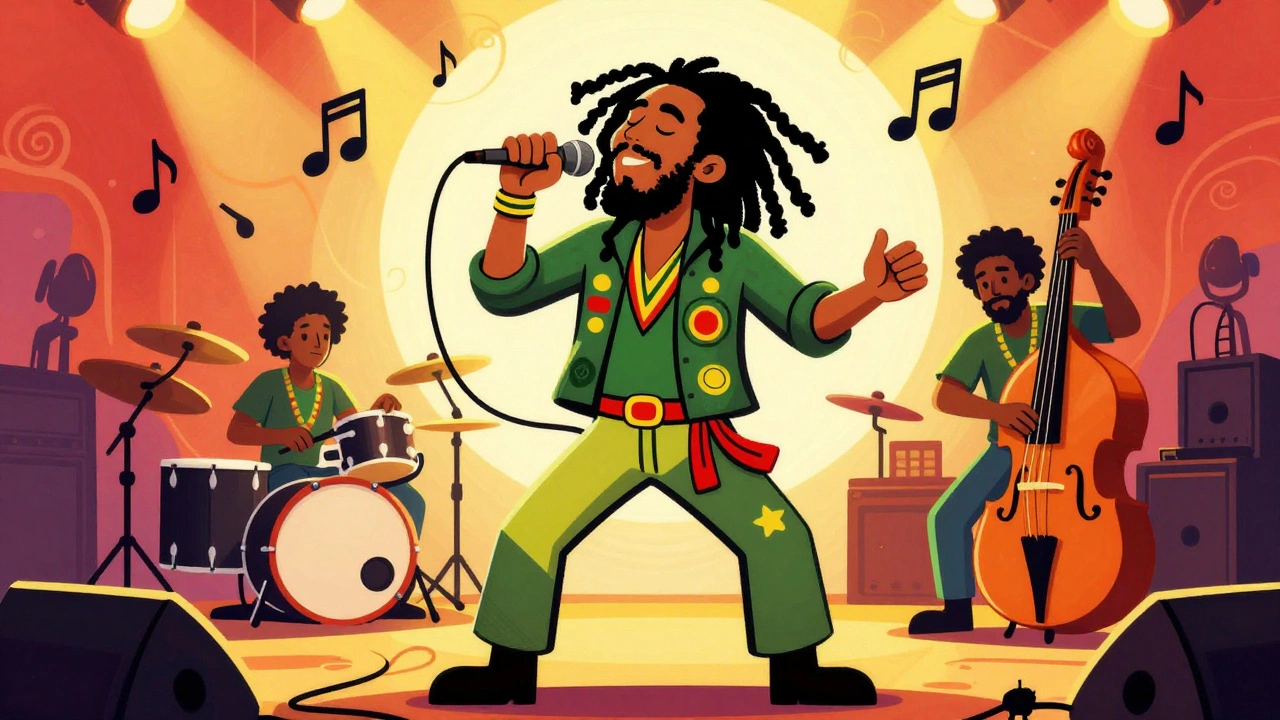
The Technical Magic of Live Reggae Recordings
Capturing the "spirit" of reggae is a technical nightmare. How do you record a bass frequency that is meant to be felt in the stomach, not just heard in the ears? In the early days, live recordings were often rough, with bleeding microphones and distorted levels. But for reggae, those imperfections are actually assets. The grit adds to the authenticity.
| Attribute | Studio Recording | Live Album / Documentary |
|---|---|---|
| Tempo | Strict, metronomic | Fluid, dictated by crowd energy |
| BPM (Beats Per Minute) | Consistent (e.g., 70-80 BPM) | Dynamic, often slowing for emphasis |
| Atmosphere | Controlled, isolated | Chaotic, immersive, social |
| Arrangement | Polished and concise | Extended jams and call-and-response |
Modern documentaries use multi-cam setups and high-fidelity audio, but the best ones still prioritize the "vibe" over perfection. The goal is to recreate the feeling of being in the front row. When a documentary filmmaker chooses to leave in a mistake or a long silence, they are preserving the human element of the performance.
Jobs-to-be-Done: How to Experience Reggae Properly
If you're looking to immerse yourself in this culture, you can't just put on a "Top 50 Reggae' hits' playlist. You need to engage with the music as a living thing. Here is a strategy for those wanting to bridge the gap between a casual listener and a true enthusiast:
- Start with the Live Blueprint: Listen to a live version of a song you love, then compare it to the studio version. Notice how the Bass Guitar carries more weight and how the percussion shifts.
- Watch the "B-Roll": In tour documentaries, pay attention to the footage between the songs. The interviews with roadies, the walks through the city, and the interactions with locals tell you more about the music's impact than the performance itself.
- Look for the "Roots": Seek out documentaries that focus on Roots Reggae, a subgenre emphasizing spiritual themes and traditional Jamaican rhythms. These often provide the most honest look at the music's social purpose.
- Follow the Lineage: Watch how the energy of Bob Marley's live shows influenced later generations, from Burning Spear to modern artists. The "spirit" is passed down through the way they command a stage.
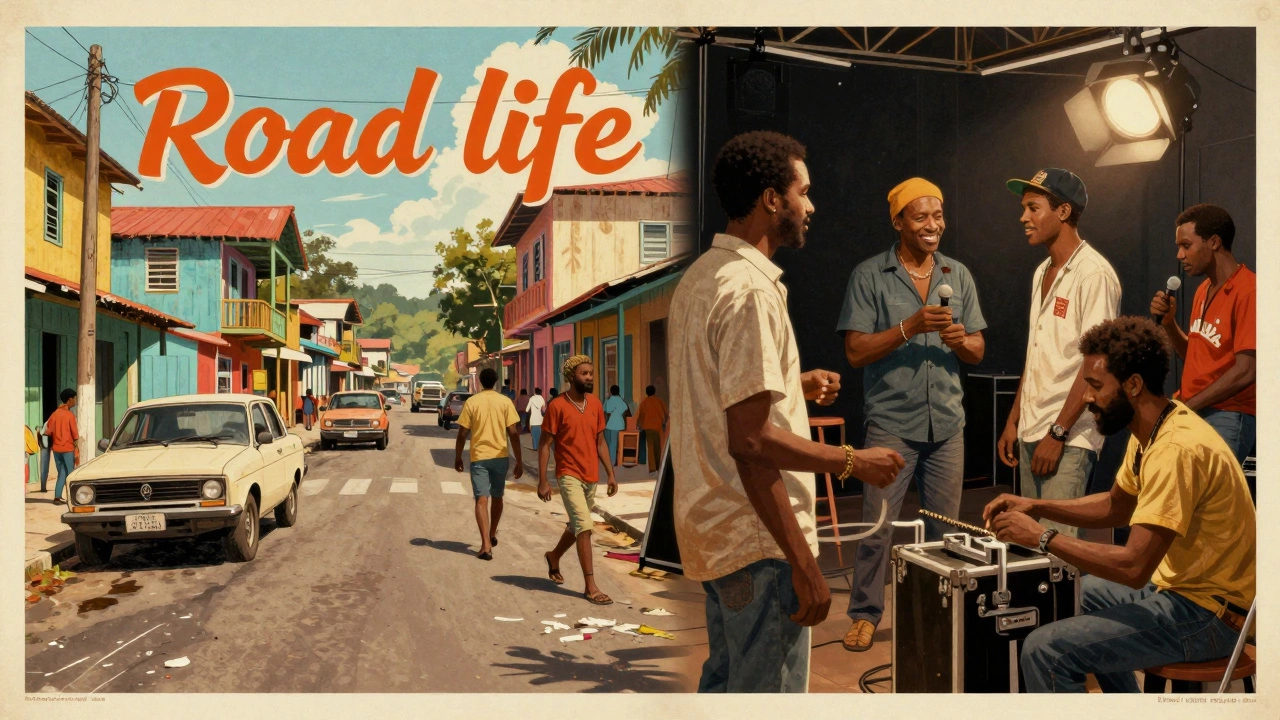
The Lasting Impact of the Visual Archive
Why does this matter now? Because the world of music is becoming increasingly digital and sanitized. In an era of Auto-Tune and perfectly quantized beats, the raw energy of a 1970s live album is a shock to the system. It reminds us that music is a physical act. The tour documentary serves as a historical record, proving that reggae was never just about the charts-it was about a movement of people.
These archives also prevent the music from becoming a museum piece. When a young person today watches a documentary and sees a crowd of thousands swaying in unison to a slow, heavy riddim, they realize that this music was designed to move bodies and minds. It transforms the song from a sequence of notes into a historical event. The "spirit" isn't something you can write in a textbook; it's something you have to see and hear in action.
What is the best way to find authentic reggae tour documentaries?
Look for independent film archives and specialized music streaming platforms. Many of the most authentic recordings are found in boutique releases or historical retrospectives rather than mainstream streaming apps. Search for films focusing on the "Roots" era of the 70s for the most raw experience.
Why are live albums considered more "spiritual" than studio ones in reggae?
Reggae is built on the concept of "livity"-the lived experience. Live performances involve a feedback loop between the artist and the audience, often including spontaneous chanting and spiritual expression. Studio albums are refined products, while live albums capture a collective ritual.
Did Bob Marley's live shows differ significantly from his records?
Yes, significantly. While his records were tight and radio-friendly, his live shows were often extended jam sessions. He would frequently change the tempo or add spoken-word segments to address the political climate of the city he was performing in, making every show a unique historical document.
How do these documentaries help in understanding Jamaican culture?
They provide visual context to the lyrics. By showing the contrast between the poverty of Trenchtown and the grandeur of international stages, these films illustrate the social struggle and the triumph of the human spirit that defines the reggae movement.
What technical aspects make a reggae live album sound "authentic"?
Authenticity in reggae recordings comes from the prominence of the low-end frequencies (bass and kick drum) and the natural reverb of the venue. A recording that allows the bass to feel "heavy" and includes the noise of the crowd is generally viewed as more authentic than a surgically cleaned version.
Next Steps for the Reggae Explorer
If you've felt the pull of the live spirit, don't stop at the videos. Try to find a local vinyl shop that sells original live bootlegs-they offer a sonic texture that digital files can't replicate. If you're in a city with a strong Caribbean community, look for small "sound system" events. These are the modern descendants of the tour experience, where the focus is on the physical power of the bass and the shared energy of the room. That's where the spirit of reggae truly lives today.


