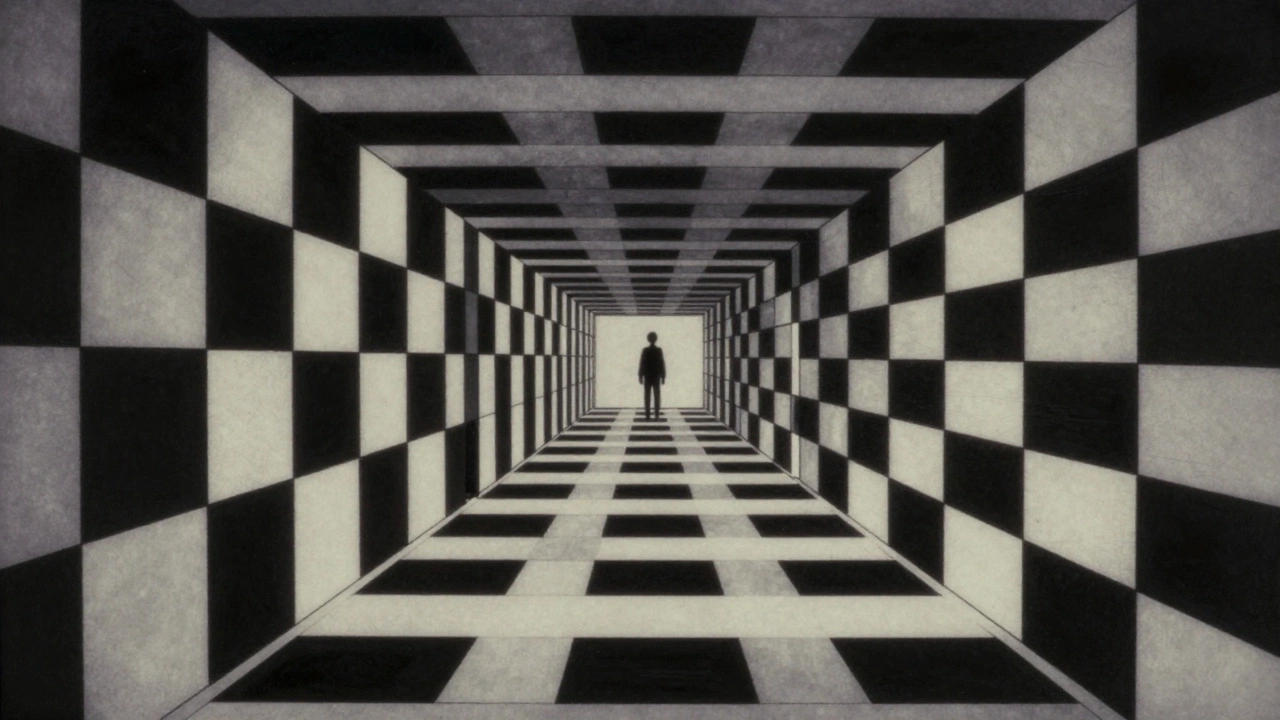

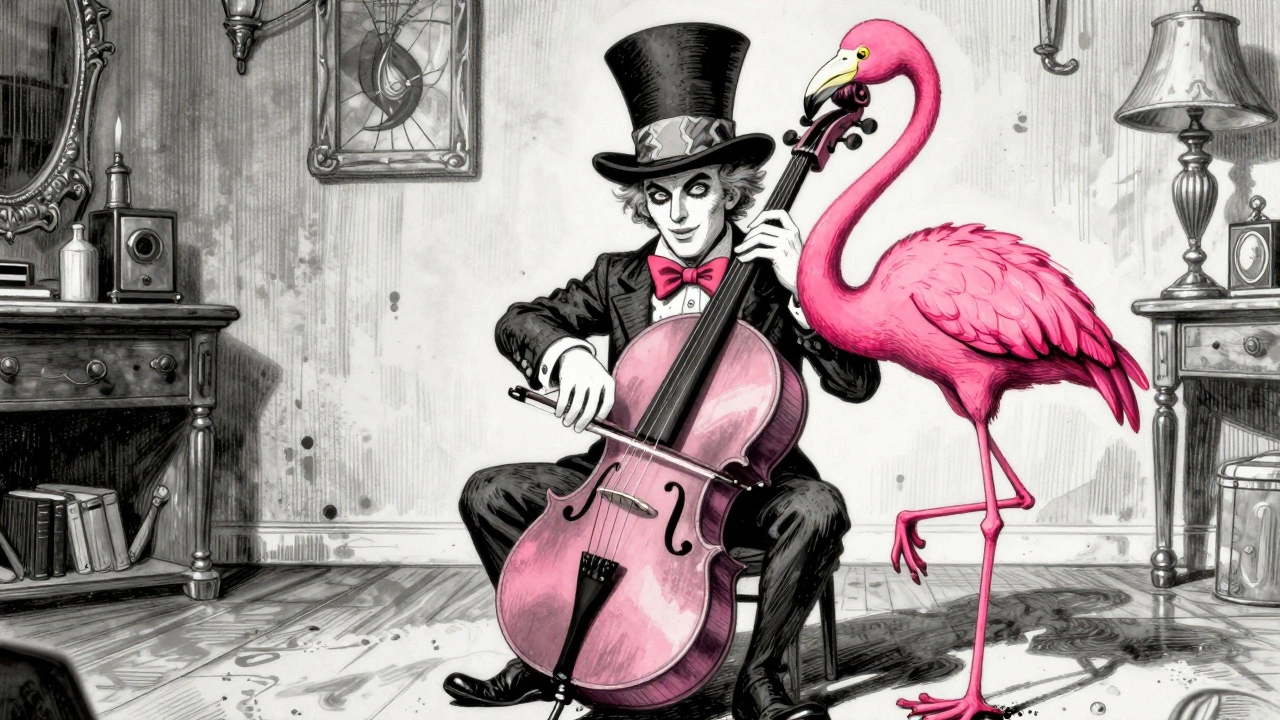
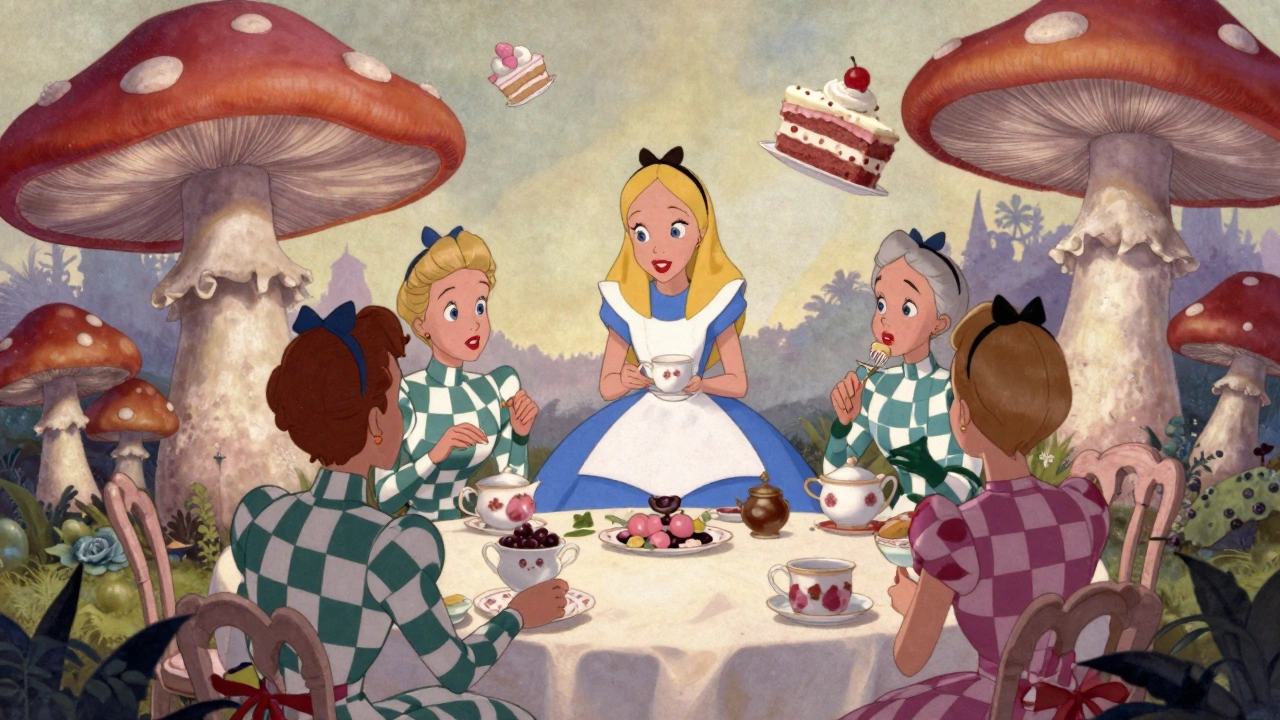
Picture this: In 1985, mainstream rock bands were stuck playing safe with performance-heavy music videos. Then came a black-and-white checkered hallway, a flamingo-wielding cello player, and Tom Petty swallowing an entire head mid-tea party. "Don't Come Around Here No More" isn't just a breakup anthem-it's the moment a gritty rock icon embraced pure surrealist cinema.
The track dropped February 1985 as lead single from Southern Accents is the seventh studio album by Tom Petty and the Heartbreakers, blending classic rock with experimental production techniques. While the lyrics depict raw heartbreak, the accompanying video launched a new chapter for the band through radical visual storytelling.
Beyond the Sitar Riff: Collaboration Unplugged
What makes this song unique lies in its cross-genre DNA. Written jointly by Dave Stewart, frontman of synth-pop duo Eurythmics, the composition fuses Petty's signature grit with psychedelic textures reminiscent of Prince's work. The haunting sitar line wasn't random-it served as sonic camouflage for the lyrical message about severed relationships.
Stewart reportedly overheard Stevie Nicks telling Joe Walsh "Don't come around here no more" during a backstage argument. That phrase became the song's backbone, merging rock authenticity with theatrical flair. Unlike typical 80s power ballads, this collaborative effort prioritized atmosphere over melody, letting instruments breathe while vocals floated above layered arrangements.
| Element | Album Release | Video Edit |
|---|---|---|
| Duration | 4:38 | 4:09 (final guitar solo removed) |
| Instrumentation | Full sitar-led arrangement | Simplified for visual pacing |
| Lyrical Focus | Breakup narrative | Narrative diverges into surrealism |
Alice Meets the Mad Hatter
When MTV aired the video that February, viewers encountered director Jim Scott's warped fairy tale. Actress Wish Foley played grown-up Alice crawling from toadstools into monochrome rooms where Petty embodied the Mad Hatter holding flamingo-cellos. Choreography featured women in checkerboard bodysuits wielding pink props-no bows allowed.
Why such chaos? According to archived interviews, Petty wanted to reject traditional music video formulas. "We weren't trying to sell records," he later stated. "We wanted people to question reality." The video's climax involves Alice transforming into cake consumed at a tea party before her head disappears down Petty's throat-a literal consumption metaphor for toxic relationships.
Controversy vs. Innovation
Radio stations initially balked at the dark imagery. Some outlets banned the clip citing grotesque content, yet this censorship fueled curiosity among youth audiences. By May 1985, reruns hit heavy rotation despite backlash, proving edgy visuals could amplify commercial success.
- Folklore Influence: Direct nods to Disney's 1951 adaptation
- Cultural Timing: Coincided with rise of postmodern art movements
- Production Budget: Estimated $75k (top-tier for mid-80s rock)
Musicianship shifted too. Mike Campbell's guitar solo became deliberately truncated to sync with abrupt video ending-first instance of major rock group altering recording structure for media compatibility.
Legacy Ripple Effects
This project fundamentally altered how bands approached visual media. Following its success, subsequent videos adopted narrative frameworks even when unrelated thematically. Notably:
Impact Metric: Increased viewership per broadcast by 40% compared to prior singles
Modern Streaming Availability
Though original VHS copies remain collectible artifacts ($300+ range), platforms carry edited versions. Spotify retains full instrumental takes absent from official streaming releases, while YouTube maintains alternate footage showing unused storyboard sketches.
Who produced the iconic music video?
Jim Scott directed the piece alongside Petty's creative team, though exact contributions vary across interviews regarding concept development.
What sparked the lyrical concept?
Overhearing Nicks/Walsh argument planted initial phrase seed; Stewart developed musical framework around emotional core.
Is the shortened version intentional?
Yes-guitar solo trimmed specifically to match video's abrupt cutoff point, creating deliberate dissonance.
How does this compare to contemporary 80s clips?
Prior videos showed performances; this introduced fictional narrative structures influencing peers like Duran Duran.
Where can I find uncut versions?
Physical vinyl editions include extended tracks; digital reissues rarely contain omitted portions originally shot.


