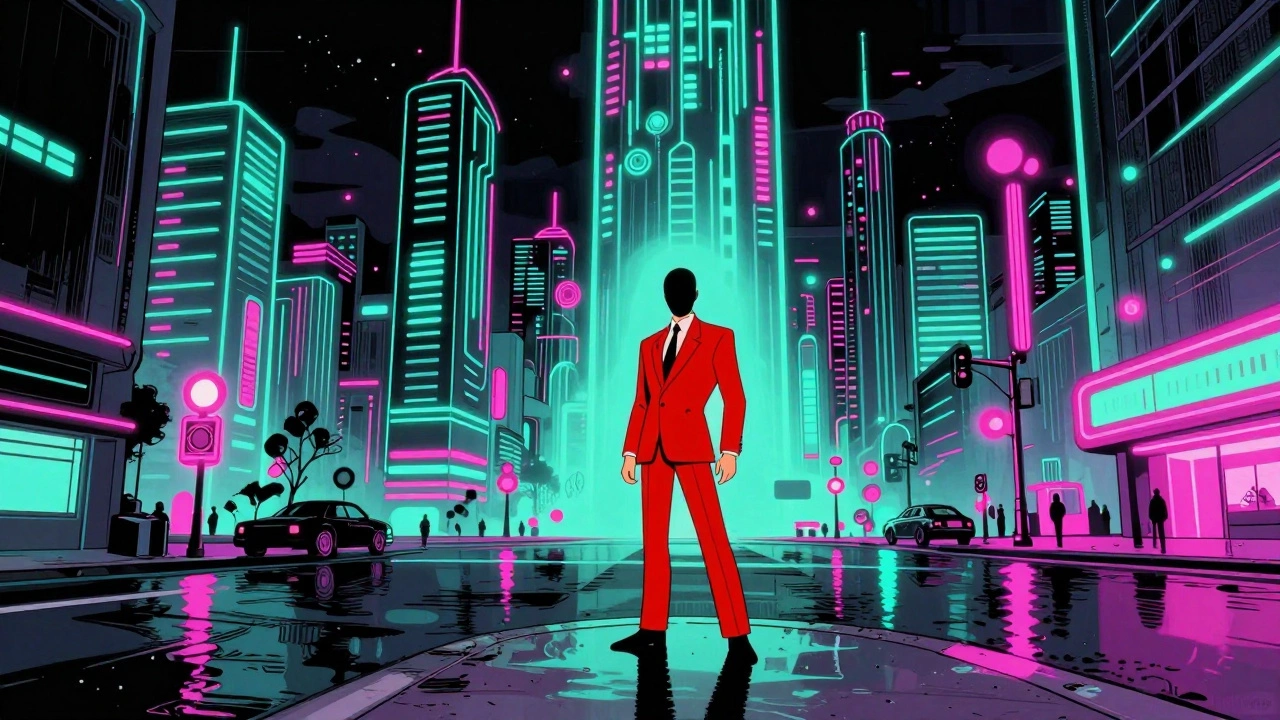

Pop music rarely stays still. Trends cycle, sounds evolve, and artists reinvent themselves to stay relevant. But when The Weeknd released After Hours in March 2020, he didn’t just reinvent his sound-he time-traveled. The album was a deliberate, neon-soaked dive into the sonic and visual aesthetics of the 1980s, blending dark contemporary R&B with the bright, pulsating synths of a decade before Abel Tesfaye was born.
This wasn’t a random stylistic choice or a fleeting trend-chase. It was the culmination of a decade-long admiration for post-punk, dream-pop, and early electronic music. By fusing the emotional rawness of modern trap and R&B with the nostalgic warmth of 1980s production, *After Hours* became one of the most commercially dominant projects of the 2020s. It proved that looking backward could be the most forward-thinking move an artist could make.
The Sonic Blueprint: From Mixtapes to Mainstream
If you think *After Hours* marked a sudden pivot for The Weeknd, you’d be missing the bigger picture. As far back as his 2011 mixtape era, Tesfaye cited bands like Siouxsie and the Banshees and Cocteau Twins as foundational to his identity. He has openly stated that these acts played a "huge role" in shaping his preference for reverb-heavy guitars, atmospheric synths, and ethereal vocal treatments.
By 2020, however, this influence intensified. For *After Hours*, Tesfaye expanded his palette to include Hall & Oates, Kraftwerk, Michael Jackson, and the deep house scenes of Chicago and Detroit. This shift transformed his established themes of addiction, heartbreak, and urban alienation into a retro-futurist soundscape. The result is a hybrid genre space where 1980s timbres-bright synth leads, gated reverbs, and crisp drum fills-sit comfortably alongside contemporary trap-adjacent low-end.
Critics noted this blend immediately. One review described the production as featuring "ultra-cinematic keyboards, pulsating sub-bass, hard beats... '80s synthesizer flourishes and caverns of echo," all contrasting with Tesfaye’s high, angelic voice. This juxtaposition is key: the music feels familiar yet fresh, nostalgic yet urgent.
Blinding Lights: The Anthem That Defined an Era
You can’t talk about the 1980s influence on *After Hours* without dissecting "Blinding Lights." Released in November 2019, it became the flagship track of the era and arguably the biggest pop hit of the decade. Technically, the song is a masterclass in synthwave homage.
| Element | 1980s Origin | Implementation in "Blinding Lights" |
|---|---|---|
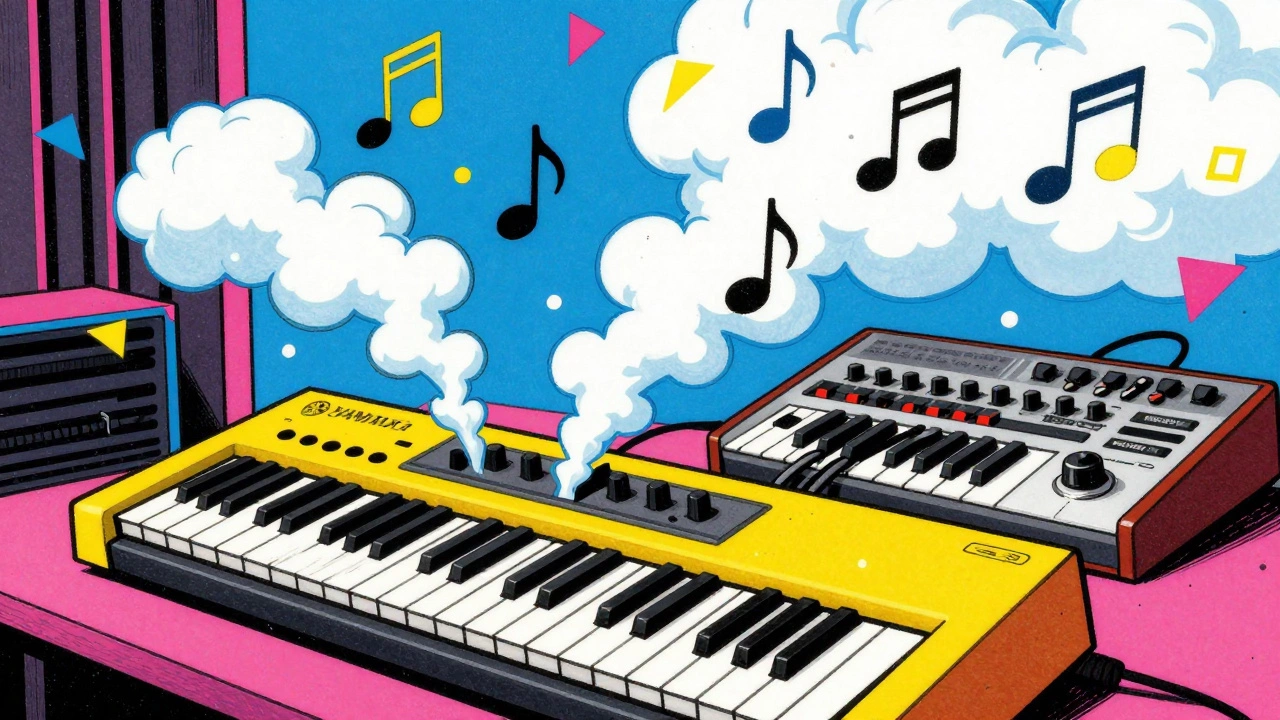
| Lead Synth Sound | Yamaha DX7 (released 1983) | Piercing, bell-like digital patch reminiscent of 1984-1988 hits |
| Drum Machine | Roland TR-707 (released 1985) | Simple electro-inspired kick-snare pattern with crisp snares |
| Tempo & Feel | a-ha's "Take On Me" (~171 BPM double-time) | ~171-176 BPM feel, driving energy and urgency |
| Melodic Influence | Michael Sembello's "Maniac" (1983) | Similar melodic contour in the synth hooks |
The song’s success wasn’t accidental. Its tempo, around 171 BPM, mirrors the frantic energy of new wave hits like a-ha’s "Take On Me." The drum programming avoids complex modern trap rolls, opting instead for a four-on-the-floor structure common in early house and electro records from 1982 to 1986. Even the mixing sheen is designed to evoke the clarity of vinyl-era productions while maintaining the loudness standards of 2020 streaming platforms.
Social media and fan communities have embraced this retro identity. In 2025, Instagram reels continued to label "Blinding Lights" as a "synthwave anthem of obsession, desire, and emotional urgency." Fans even created remixes that pushed the track further into overt 1980s territory, adding gated reverb and vintage chorus effects to make it sound like a lost 1985 radio hit.
Beyond the Hit: Saxophones, Ballads, and Dark Wave
While "Blinding Lights" stole the spotlight, other tracks on *After Hours* explore different niches within 1980s music. "In Your Eyes," for instance, features a prominent saxophone solo near the end-a direct nod to the soft rock and adult contemporary trends of the late 1980s. BBC Newsbeat highlighted this "saxophone crescendo" as one of the clearest callbacks on the album, evoking the lush arrangements of Michael Jackson’s *Bad* era.
"Save Your Tears" leans into Euro-pop vibes, with mid-tempo grooves, bright synth arpeggios, and reverb-laden snare hits that recall 1986-1989 dance floors. Meanwhile, "Scared To Live" takes a slower, more melancholic approach. Built on an interpolation of Elton John’s 1970 ballad "Your Song," its arrangement traces back to late-1970s and early-1980s queer club styles in Chicago and Detroit. Producers like Daniel Lopatin (Oneohtrix Point Never) brought experimental electronic textures that honored those historic LGBTQ+ dance-floor rhythms while framing them within a modern heartbreak narrative.
Even the darker tracks don’t abandon the retro aesthetic. "Faith," produced by Metro Boomin, layers lyrics about overdose over a backdrop of retro synth flourishes. The opener "Alone Again" uses a beat switch that moves from echoing 1980s-style keys into contemporary trap percussion, showing how Tesfaye seamlessly blends eras rather than treating them as separate entities.
Visual Storytelling: Neo-Noir and Cinema References
The 1980s influence extends far beyond the audio. Visually, *After Hours* is steeped in neo-noir cinema and psychological thrillers from the late 1970s and early 1980s. The album’s title itself borrows from Martin Scorsese’s 1985 film *After Hours*, a dark comedy about a chaotic night in New York City. Tesfaye acknowledged Scorsese’s movie as a "key influence," using it to encapsulate the chaos of a single night mirrored in the album’s storyline.
In the accompanying short film and music videos, Tesfaye references several iconic films:
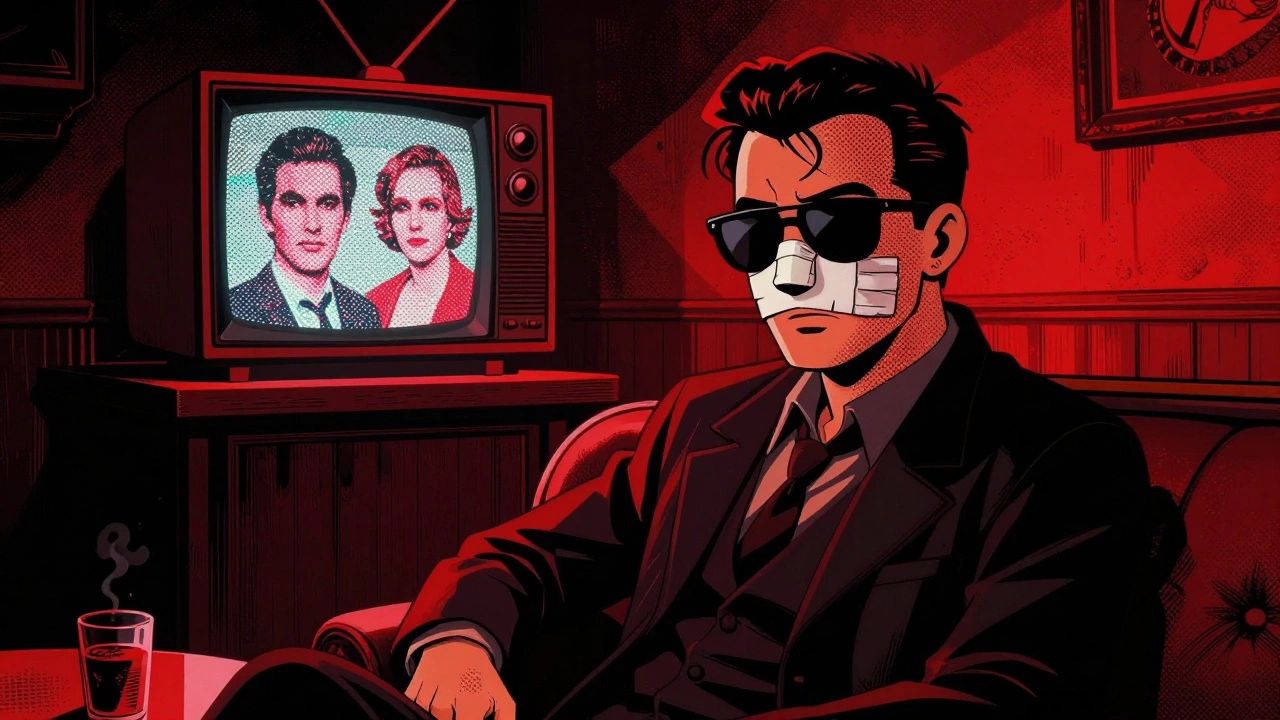
- Roman Polanski’s *Chinatown* (1974): Referenced through the broken nose imagery, symbolizing vulnerability and damage.
- Adrian Lyne’s *Jacob’s Ladder* (1990): Evoked in subway hallucination scenes, creating a sense of disorientation and paranoia.
- Martin Scorsese’s *The King of Comedy* (1982): Seen in talk-show performance sequences, satirizing media fame and celebrity culture.
The color palette-reds, teals, and neon yellows-recalls 1980s Las Vegas and Los Angeles nightlife cinematography. Cover images feature Tesfaye in a bloodied red suit under harsh neon lights, cementing the era’s retro film influence. This cohesive throwback environment makes the music feel part of a larger cinematic experience, not just a collection of songs.
Why the 1980s Resonate Today
So why did this specific blend of old and new work so well? Part of it lies in the universal appeal of nostalgia. For listeners who grew up in the 1980s, the sounds of *After Hours* triggered memories of their youth. For younger audiences, it offered a polished, accessible entry point into a genre they might have only encountered through video games or TikTok trends.
Critics also pointed out that *After Hours* participated in a broader cultural reclamation. Genius News connected the rhythm and synth choices to dance floors of queer clubs of color from the late 1970s and 1980s in Chicago and Detroit. By highlighting these historically marginalized spaces, Tesfaye wasn’t just copying sounds-he was celebrating their legacy. This depth gave the album artistic merit beyond commercial success.
Comparatively, *After Hours* stands out against earlier Weeknd projects. While *Trilogy* (2012) focused on alt-R&B and *Starboy* (2016) leaned into trap and electro, *After Hours* used 1980s influence as its main differentiator. Critics like Anthony Fantano praised it as a "fruitful reinvention," noting that tracks like "Blinding Lights" featured "classic 80s drum fills" and a sheen that threw listeners back decades. Others argued that the nostalgic style cloaked raw lyrics about loneliness, creating an aesthetic that showed "nobody is alone in their suffering."
The Lasting Impact of a Retro Revival
*After Hours* didn’t just chart high-it changed the landscape of pop production. "Blinding Lights" remained on the Billboard Hot 100 for around 90 weeks, becoming one of the longest-charting hits in history. Its cross-generational appeal proved that familiar 1980s sounds could still dominate modern playlists.
The album’s influence continues into the mid-2020s. Technical recreations, like Loopcloud’s 2024 breakdown of "Blinding Lights," show that musicians are still studying the track as a template for 1980s-style production. Social media content from 2025-2026 keeps the conversation alive, with fans imagining what other hits would sound like if produced in 1985.
For The Weeknd, *After Hours* crystallized a long-standing admiration for 1980s music and film. It offered a blueprint for how mainstream artists can integrate specific genre, instrument, and visual references into cohesive narratives. Rather than a one-off nostalgic gesture, it was a mature, intentional engagement with the past-one that resonated deeply with both critics and casual listeners alike.
What specific 1980s instruments were used in "Blinding Lights"?
The lead synth sound closely resembles a Yamaha DX7 patch, an iconic digital synthesizer introduced in 1983. The drum programming mimics the Roland TR-707, a drum machine released in 1985 that shaped early house and synth-pop records.
How does After Hours differ from The Weeknd's previous albums?
While earlier projects like Trilogy focused on alt-R&B and Starboy leaned into trap and electro, After Hours heavily incorporates 1980s synth-pop, new wave, and darkwave elements. It marks a shift toward brighter, more cinematic production while retaining his signature dark lyrical themes.
Which 1980s films influenced the visual aesthetic of the After Hours era?
Key influences include Martin Scorsese’s After Hours (1985), Roman Polanski’s Chinatown (1974), Adrian Lyne’s Jacob’s Ladder (1990), and Martin Scorsese’s The King of Comedy (1982). These films inspired the neo-noir visuals, broken nose imagery, and talk-show satire seen in the music videos and short film.
Who are some of the 1980s artists that influenced The Weeknd's sound?
Abel Tesfaye has cited Siouxsie and the Banshees, Cocteau Twins, Hall & Oates, Kraftwerk, Michael Jackson, and Eazy-E as major influences. He also drew inspiration from the deep house and Chicago house scenes of the 1980s.
Why did "Blinding Lights" become such a massive hit?
Its success is attributed to its cross-generational appeal. The familiar 1980s synthwave sounds resonated with older listeners, while the high-energy tempo and modern production quality appealed to younger audiences. It also benefited from strong streaming algorithms and widespread social media engagement.