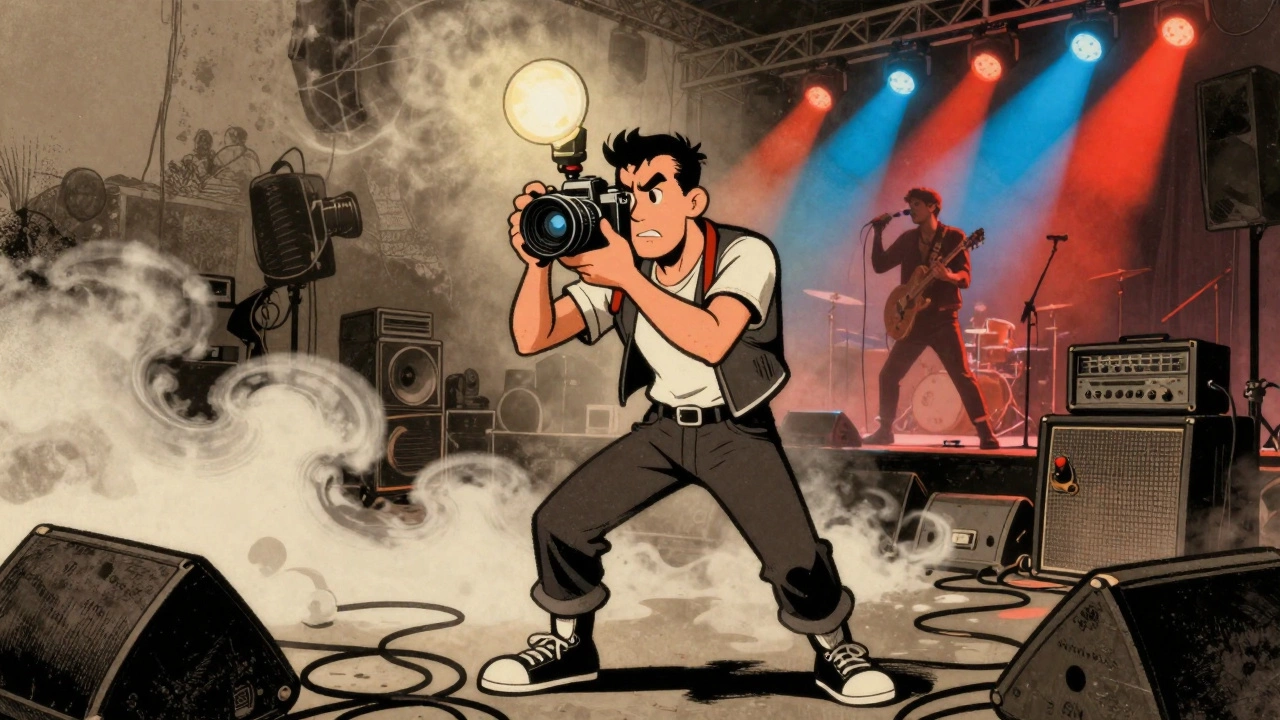

Backstage at a major arena show, the air is thick with sweat, smoke, and the hum of amplifiers. In the center of the chaos stands a photographer, not snapping quick selfies for Instagram, but documenting the raw, unfiltered reality of the performance. This isn't just fan footage; it's music photojournalism, a discipline that sits squarely at the intersection of art, commerce, and truth-telling. For decades, these images defined how we saw our favorite bands. Today, however, the role is shifting dramatically. The rise of digital media has turned music photographers into essential brand architects, while simultaneously making access to the stages they love more guarded than ever before.
If you think this job is just about getting a cool view from the front row, you're missing half the battle. It’s about navigating a complex web of public relations, technical constraints, and ethical dilemmas. As traditional magazine budgets shrink and social media demands skyrocket, the modern music photojournalist must be part historian, part marketer, and part diplomat. Let’s break down how this field is evolving, who gets in the door, and what makes an image truly resonate in the age of the algorithm.
The Hybrid Identity: Art vs. Journalism
One of the biggest debates in the industry today is whether music photography should be classified as fine art, commercial imagery, or straight-up journalism. The answer? It’s all three, and that hybrid identity is exactly what makes it so powerful-and so difficult.
In the past, photos appeared in magazines like Rolling Stone or on album sleeves. They had time to breathe. Now, as noted by cultural commentators and documentaries exploring the genre, these images circulate instantly across global platforms. An iconic shot of a singer mid-scream doesn’t just inform; it becomes a meme, a wallpaper, and a piece of the artist’s visual lore within minutes. This speed changes everything. Photographers are no longer just capturing history; they are feeding the immediate hunger of fan communities and marketing teams alike.
This shift means the aesthetic has evolved. It’s no longer enough to simply document the event. Modern tour photographers often work closely with creative directors to ensure their color grading, contrast, and composition align with the artist’s overall visual brand. You might see a consistent moody blue tone across a month of tour posts, creating a cohesive narrative that feels both intimate and polished. But here lies the tension: when does stylization undermine authenticity? If every image looks too curated, do we lose the gritty truth of life on the road?
The Gatekeepers: How Access Works (and Doesn’t)
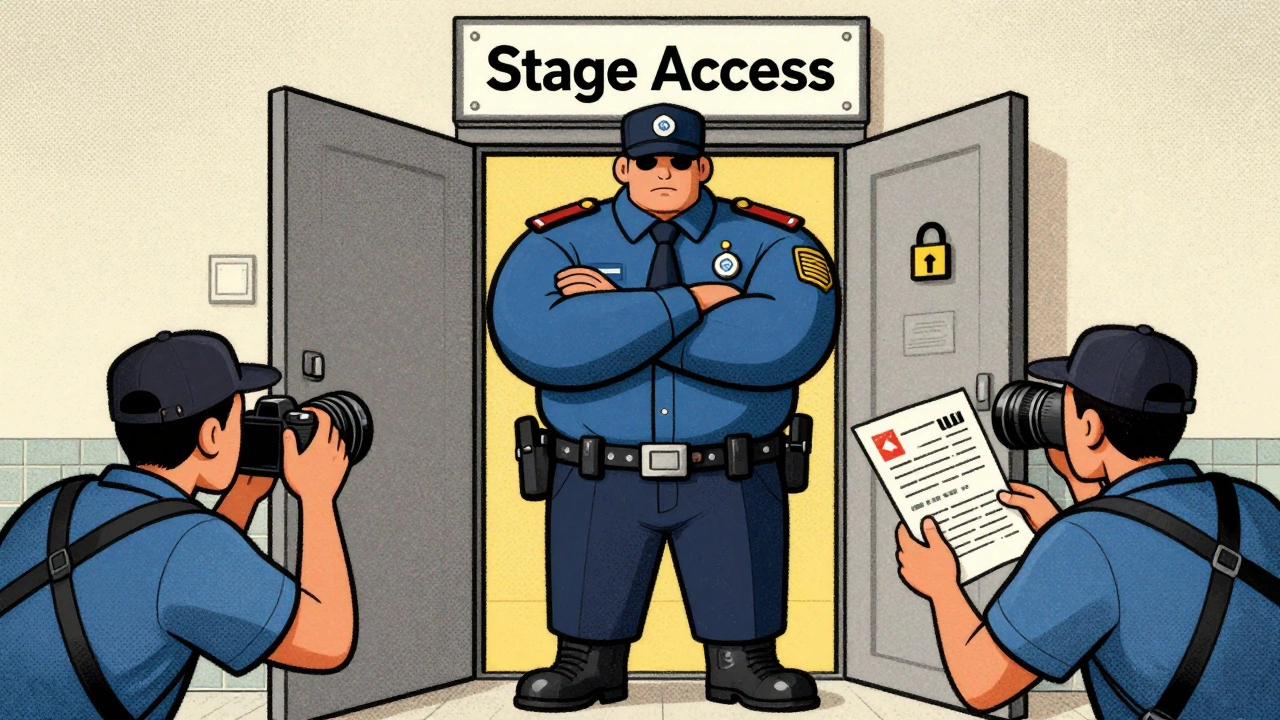
You can have the best camera in the world and the sharpest eye, but if you can’t get past the security checkpoint, your skills don’t matter. Access is the currency of music photojournalism, and it is tightly controlled.
Here’s the hard truth most aspiring photographers learn the slow way: you rarely get a pass just because you’re good at taking pictures. Major venues and tours require credentials issued to recognized publications, management firms, or official press outlets. As experienced pros like Adam Elmakias point out, if you don’t have an outlet, you might need to create one. Yes, literally start a blog or zine just to have a letterhead to send to publicists.
| Venue Type | Access Difficulty | Credential Source | Primary Goal |
|---|---|---|---|
| Local Clubs / DIY Spaces | Low | Direct contact with venue owner/band | Portfolio building, networking |
| Mid-Tour Stops | Medium | Tour manager, local promoter | Press coverage, relationship building |
| Arena / Stadium Shows | High | Major publication, label PR | Commercial licensing, high-visibility content |
Why is it this way? Because labels and publicists control the narrative. They reward outlets that play nice and shut out those that are too critical. This creates a systemic issue where access-driven journalism can lead to repetitive, overly positive coverage. Photographers face the same pressure. Getting backstage access often comes with an implicit expectation: make the artist look good. This limits the ability to capture the exhaustion, conflict, or mundane realities of touring. Can you still call it journalism if you’re essentially doing unpaid advertising?
Starting Small: The Real Path to the Pit
If the gatekeeping sounds discouraging, remember that every pro started somewhere. The most common advice from veterans is simple: start small. Shoot the free shows on campus. Cover the local punk band in the basement bar. These gigs might not pay, but they teach you invaluable lessons about stage lighting, crowd behavior, and the rhythm of a live set.
Many beginners fall into the trap of thinking expensive gear equals better results. Nothing could be further from the truth. A $5,000 lens won’t help you if you don’t understand how to shoot in low light or how to anticipate a movement. More importantly, gear won’t get you in the door. Relationships will. Building trust with local promoters and bands is crucial. Show up early, stay late, be professional, and deliver your edited photos quickly. Consistency builds reputation.
As you grow, you’ll need to decide when to accept unpaid work for exposure and when to demand payment. This is a delicate balance. Early on, trading shots for access can build your portfolio. But as your style becomes recognizable and your network grows, you must establish boundaries. Unpaid labor is a hot-button issue in creative industries, and protecting your value is key to long-term sustainability.
The Aesthetic Evolution: From Documentary to Branding
The look of music photography has changed drastically over the last decade. Gone are the days of purely candid, grainy snapshots. Today’s aesthetic is a sophisticated blend of documentary realism and high-end commercial polish.
Tour photographers now act as visual historians for the band. They capture pre-show rituals, the intimacy of the tour bus, and the electric connection between the artist and the crowd. These images are often edited with specific color palettes that match the tour’s merchandise or album art. This integration means the photographer is part of the creative team, not just an outside observer.
However, this closeness brings challenges. When you’re embedded in the tour, you risk becoming too comfortable. The goal is to maintain enough distance to capture authentic moments while being close enough to feel the energy. It’s a tightrope walk. Too much style can make images feel staged; too little can make them forgettable. The best photographers find a middle ground where the drama of the performance shines through without losing its human element.
Diversity Behind the Lens
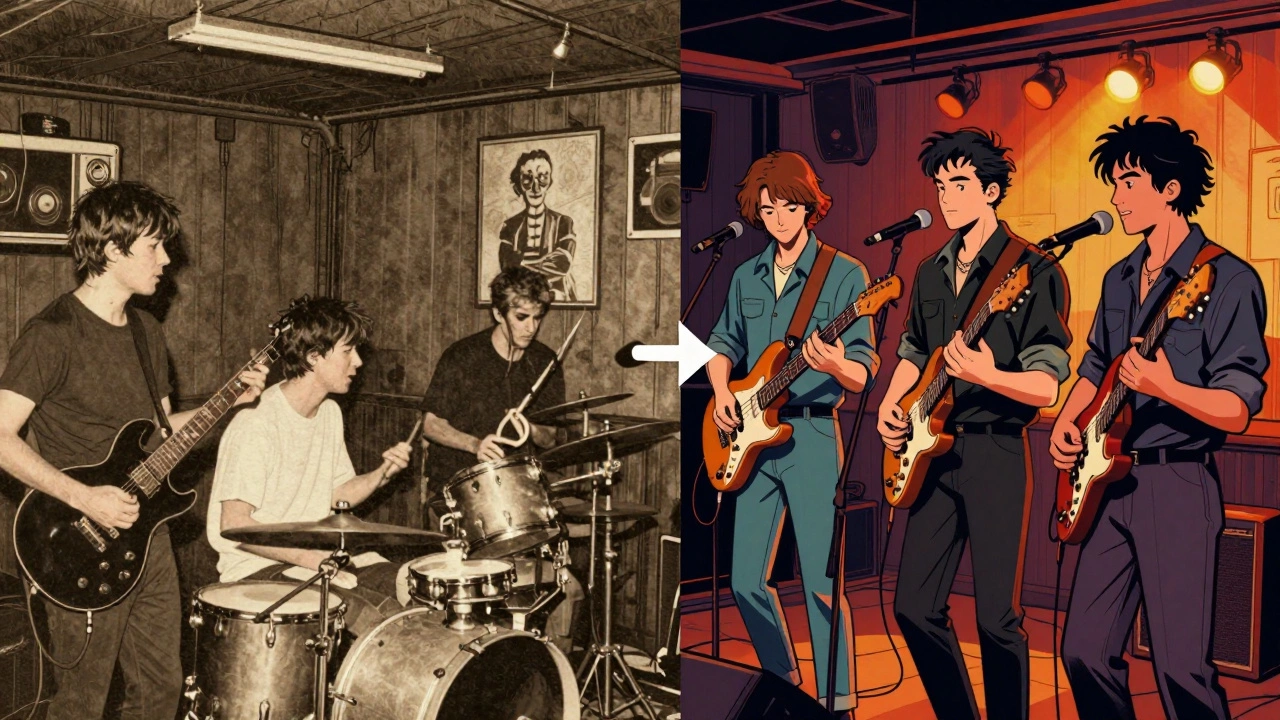
Who gets to tell the story matters just as much as the story itself. Historically, rock photography was dominated by men, which shaped the aesthetic toward hyper-masculine, aggressive performance shots. Recent scholarship and archival efforts are highlighting the contributions of female photojournalists who worked in the 1970s and 80s, often facing skepticism and harassment.
These women developed unique strategies to navigate male-dominated spaces. They focused on camaraderie, vulnerability, and off-stage moments, offering a different perspective that enriched the visual history of rock culture. Recognizing these diverse voices is essential for the future of the field. It broadens the types of stories told and challenges the narrow stereotypes that have long defined music imagery.
Today, there is a growing push for more inclusive representation behind the camera. Initiatives to archive under-recognized photographers and mentor emerging talent from diverse backgrounds are helping to reshape the aesthetic landscape. When more people have access, the resulting images reflect a wider range of experiences and emotions.
Economic Realities and Future Outlook
Let’s talk money. The business model supporting traditional photojournalism has collapsed. Magazines have slashed budgets, and newspapers have shrunk. Music photographers can no longer rely on steady staff positions. Instead, they operate in a freelance, gig-based economy.
This mirrors the broader disruption in the music industry itself. Just as artists had to adapt to streaming and digital distribution, photographers must adapt to social media algorithms and instant gratification. Successful pros diversify their income streams. They sell prints, license images for merchandise, take on commercial shoots, and use social media to build their personal brand.
The future likely holds more specialization. As imagery becomes central to fan engagement, major artists will continue to hire dedicated tour photographers. However, the barrier to entry remains high due to access controls. Ethical questions about independence versus promotion will persist. Yet, for those who can navigate the complexities, the rewards are significant. You get to witness history, connect with music communities, and create lasting visual records of cultural moments.
Ultimately, the rise of the music photojournalist is a testament to the enduring power of visual storytelling. In a world saturated with content, the ability to capture a genuine moment of connection-whether on stage or in the shadows-remains priceless.
How do I get my first photo pass for a concert?
Start by covering local, smaller shows where formal credentials aren't required. Build a portfolio and relationships with venue owners and local bands. For larger shows, you typically need to represent a publication. If you don't have one, consider starting a blog or online zine to establish credibility with publicists.
Do I need expensive equipment to be a music photographer?
No. While fast lenses and full-frame cameras help in low-light conditions, skill and relationships matter more. Many successful photographers started with entry-level DSLRs or even mirrorless cameras. Focus on mastering exposure settings, shutter speed, and anticipating action rather than buying the most expensive gear.
What is the difference between a concert photographer and a music photojournalist?
A concert photographer often focuses on promotional images that make the artist look their best, usually hired by the band or label. A music photojournalist aims to document the truth of the event, including behind-the-scenes moments, crowd reactions, and the atmosphere, often working for news outlets or independently with a journalistic ethos.
Can music photographers make a living solely from touring?
It is challenging. Most professionals combine tour work with other revenue streams such as selling prints, licensing images for media, commercial photography, and teaching workshops. Tour assignments are often project-based and irregular, requiring financial planning and diversification.
How has social media changed music photography?
Social media has increased the demand for frequent, high-quality images that align with an artist's brand. It has also accelerated the distribution of images, turning them into instant cultural artifacts. Photographers must now edit and deliver content rapidly to meet the needs of digital platforms, changing the workflow from weekly magazine deadlines to daily or hourly updates.