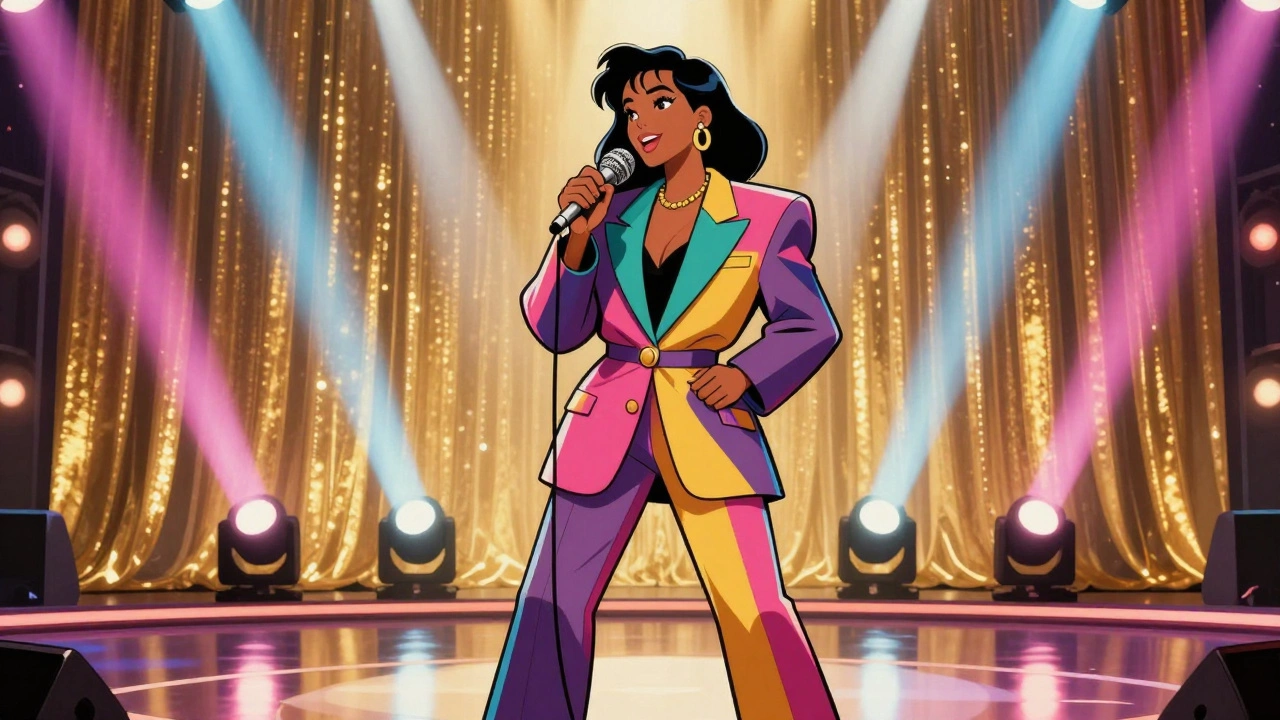

Ever wonder why 90s R&B hits just sound different when they're performed live? It wasn't just the baggy suits or the oversized microphones. There was a specific, high-stakes energy in those performances that today's digital tracks often miss. In the 1990s, a live show wasn't just a promotional stop; it was a proving ground where singers had to show they actually had the chops to back up the studio magic. From the polished stages of Soul Train to the intimate clubs where Neo-Soul was born, the era was defined by a marriage of tight musicianship and athletic vocal displays.
The Backbone of the Sound: The Live R&B Band
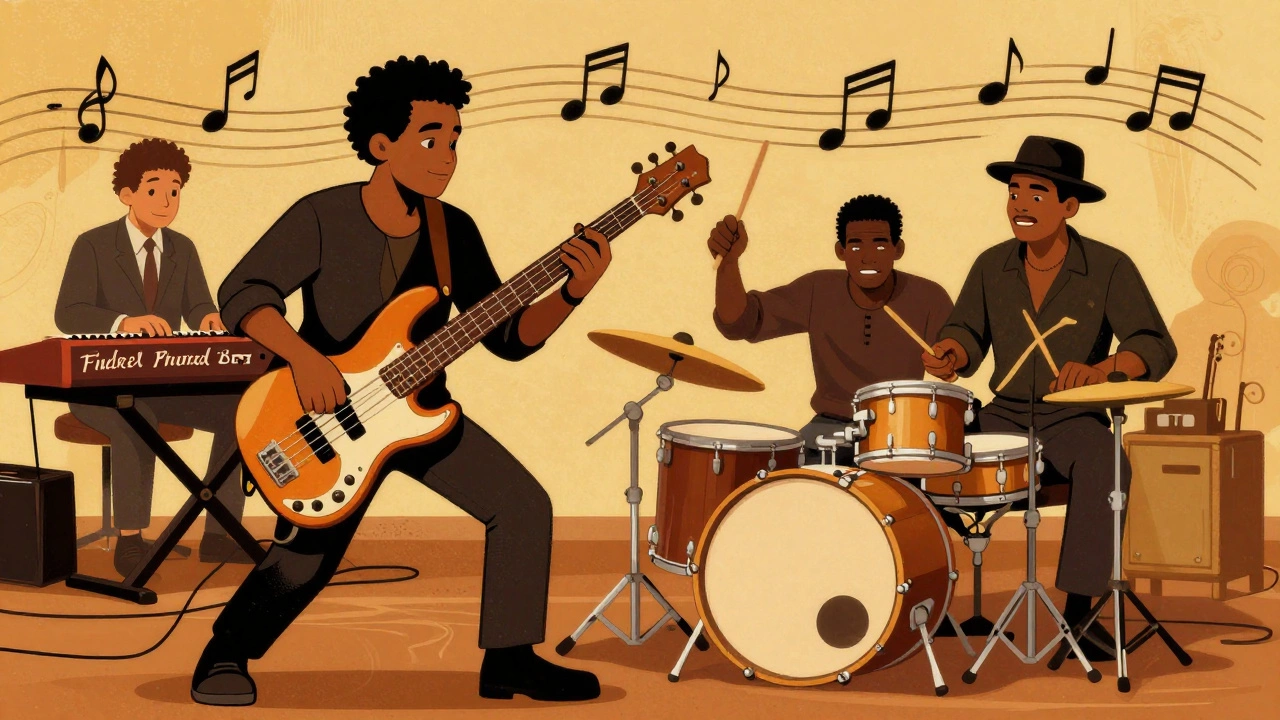
In the 90s, the transition from the sequenced beats of the 80s to a more organic sound required a powerhouse ensemble. A standard 1990s R&B live shows setup usually revolved around a core rhythm section. You had the bass player-often leaning into a slap style or a deep, pocket groove-and a drummer who knew how to swing between a rigid hip-hop beat and a loose soul feel. Unlike modern shows that rely heavily on backing tracks, these bands were designed to breathe with the singer.
The use of the Hammond B3 Organ and the Fender Rhodes piano was non-negotiable. These instruments provided the "warmth" that defined the era. When you watch a performance from the mid-90s, you can hear the keyboardist reacting in real-time to the singer's improvisations. This interplay created a dynamic range where the music could drop to a whisper during a verse and explode during a bridge, something a pre-programmed track simply cannot replicate.
| Element | Studio Version | Live Arrangement | Purpose |
|---|---|---|---|
| Percussion | Drum Machines/Samples | Live Kit + Percussionists | Adds human feel and "swing" |
| Harmonies | Multi-tracked Overdubs | Live Background Vocalists | Creates a wall of sound and sonic depth |
| Structure | Strict Radio Edit | Extended Bridges/Outros | Allows for vocal improvisation and solos |
| Instrumentation | Synthesizers | Rhodes, B3 Organ, Horns | Provides a classic soul texture |
The Art of the Vocal Showcase
If the band provided the foundation, the vocalist was the architect. In the 90s,