
Imagine a world where synthesizers were just weird noise machines, not the backbone of pop music. That was the reality in the late 1970s. Then came The Human League, a band from Sheffield that turned those cold electronic sounds into warm, chart-topping hits. They didn’t just participate in the synth-pop wave; they practically invented it. Their journey from experimental post-punk to global superstars offers a masterclass in how technology and artistry can collide to change culture forever.
From "The Future" to Global Superstars
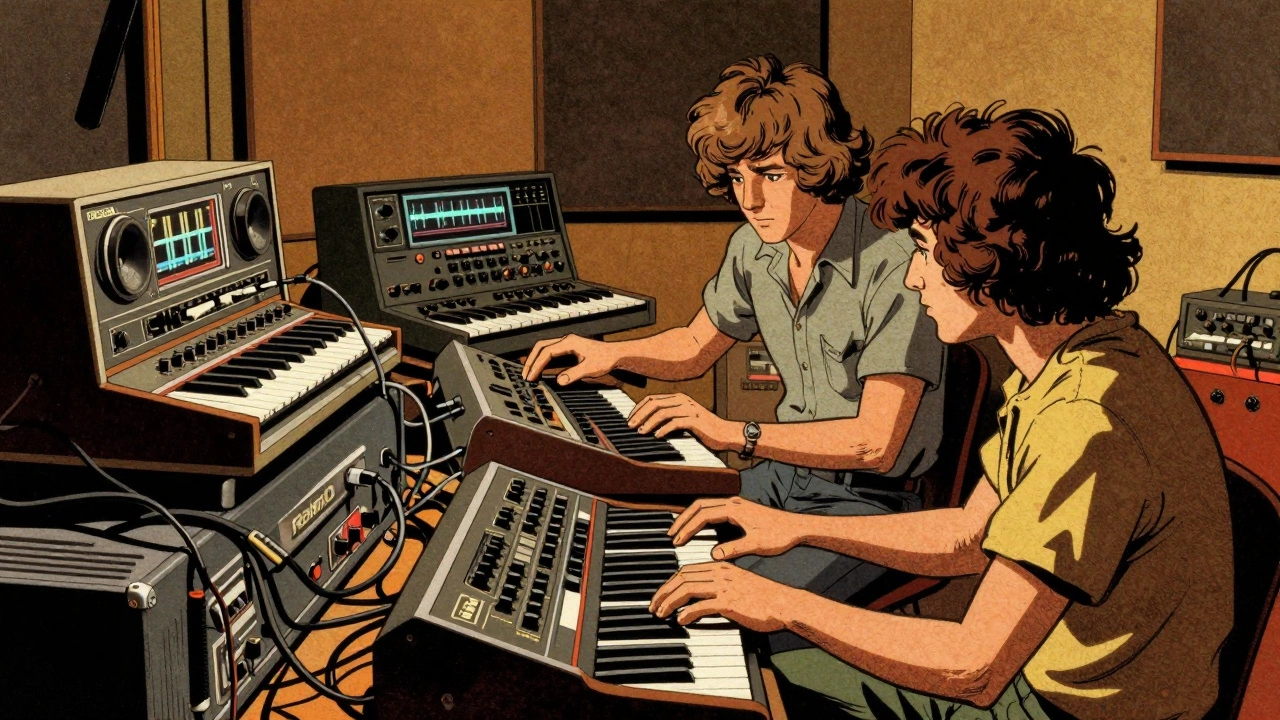
The story starts in 1977 in Sheffield, United Kingdom. Three friends-Ian Craig Marsh, Martyn Ware, and Phil Oakey-were tinkering with early Roland and Korg synthesizers. At first, they called themselves "The Future." It was a fitting name, considering their sound felt decades ahead of its time. But they soon changed their name to The Human League, inspired by a science fiction game about renegades fleeing Earth toward Alpha Centauri. This sci-fi aesthetic wasn’t just for show; it shaped their visual identity and their musical ambition.
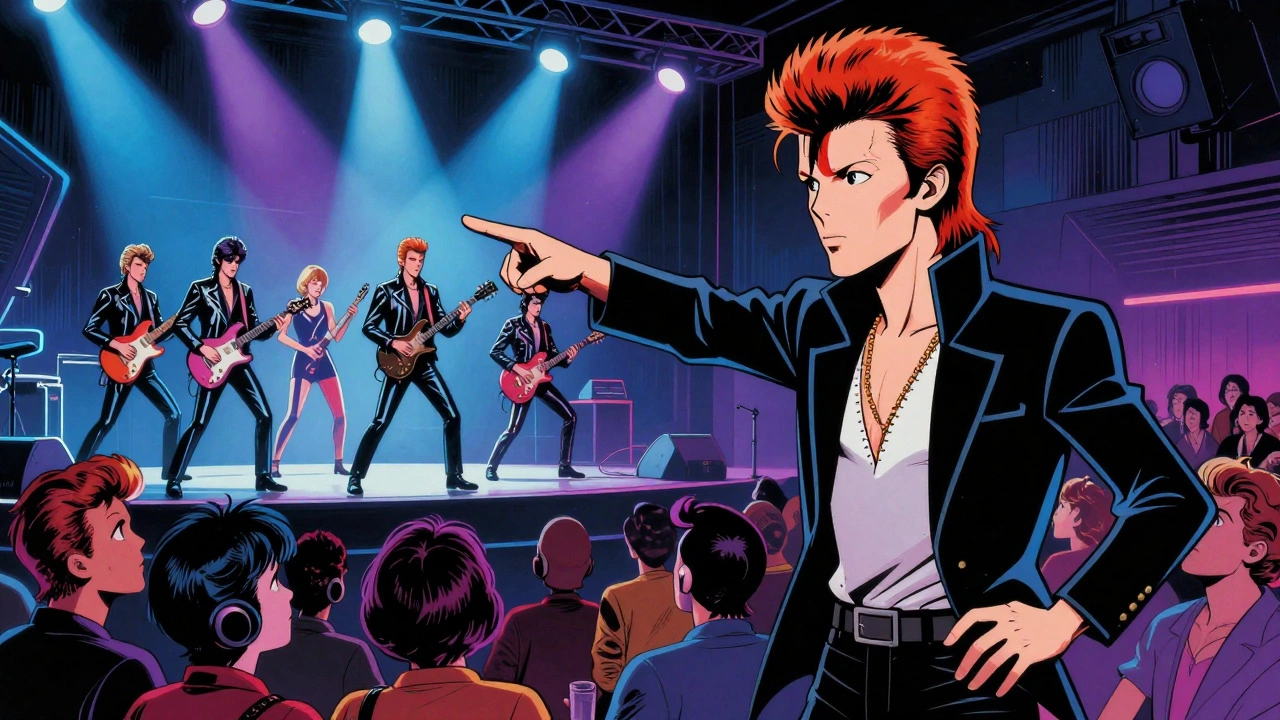
Initially, they were part of the post-punk scene, but they weren’t quite punk. While other bands relied on distorted guitars and raw aggression, The Human League explored minimal electronic textures. This alienated some fans initially but attracted others who were hungry for something new. The turning point came in late 1978. David Bowie, watching them support Siouxsie and the Banshees, famously declared he had "seen the future of pop music." That endorsement from a rock icon gave them instant credibility. Soon after, they signed with Virgin Records, setting the stage for their commercial explosion.
The "Dare" Era: Defining a Genre
If you want to understand the 1980s synth-pop revolution, you have to look at the album "Dare," released in 1981. This record is often cited as the moment when electronic music became truly mainstream. Before "Dare," synth-pop was niche. After "Dare," it was everywhere. The album featured a lineup that included Phil Oakey on vocals, along with Joanne Catherall, Susanne Sulley, Philip Adrian Wright, Jo Callis, and Ian Burden. This specific configuration produced the band’s most iconic work.
The standout track, "Don't You Want Me", became a cultural phenomenon. It hit number one in both the UK and the US. Why did it resonate so deeply? Because it combined catchy pop melodies with sleek, icy synthesizer arrangements. Phil Oakey’s vocal delivery was distinctive-soft yet commanding. The song’s narrative structure, telling a story of romance and manipulation, made it relatable. It transcended demographics. People who didn’t even like electronic music couldn’t get it out of their heads. This success legitimized synthesizer-based pop within mainstream radio formats that had previously ignored such genres.
Evolution and Collaboration: The "Crash" Album
Success brought pressure, and The Human League responded by evolving. By the mid-1980s, they wanted to stay relevant in a rapidly changing music landscape. For their sixth album, "Crash" (1986), they made a bold strategic move. They teamed up with Jimmy Jam and Terry Lewis, the production duo behind Janet Jackson’s breakthrough album "Control." This collaboration marked a shift toward a more polished, R&B-influenced sound.
The result was the single "Human", written by Jam and Lewis. It was plush, romantic, and designed for club dance floors. Critics noted it was "as plush and romantic as the League would ever get while still packing club dance floors." This partnership showed that The Human League wasn’t resting on their laurels. They were willing to experiment with new production techniques to maintain their commercial edge. It also demonstrated the growing crossover between electronic pop and urban R&B, a trend that would dominate the late 1980s and early 1990s.
Legacy: Influencing Generations of Artists
The impact of The Human League extends far beyond their own sales figures. They helped define the sonic vocabulary of modern pop. Artists like Madonna and Moby have cited them as major influences. Madonna’s early use of synthesizers and her sleek, manufactured image owe a debt to the groundwork laid by The Human League. Similarly, Moby’s electronic productions draw heavily from the atmospheric textures pioneered by the Sheffield band.
Their songs have been sampled and covered by numerous artists, including Ministry of Sound, George Michael, and Robbie Williams. These reinterpretations keep the band’s legacy alive in contemporary music. When a producer samples "Don't You Want Me," they aren’t just using a melody; they’re invoking the entire aesthetic of 1980s synth-pop. The Human League provided the blueprint for how electronic instruments could be used to create emotional, human-sounding music.
| Year | Milestone | Impact |
|---|---|---|
| 1977 | Formation in Sheffield | Began experimenting with Roland/Korg synths |
| 1978 | David Bowie Endorsement | Gained industry credibility and signed with Virgin |
| 1981 | Release of "Dare" | Defined synth-pop genre; "Don't You Want Me" hits #1 |
| 1986 | Album "Crash" | Collaboration with Jimmy Jam & Terry Lewis expanded sound |
Why Their Story Matters Today
In an era where AI-generated music and digital production tools are ubiquitous, The Human League’s story feels remarkably current. They were among the first to embrace technology not as a gimmick, but as an instrument of expression. They proved that electronic music could be soulful, commercial, and artistically valid simultaneously. Their ability to adapt-from post-punk experiments to polished pop hits-shows the importance of flexibility in a creative career. For anyone interested in music history, understanding The Human League is essential to understanding how we got here.
Who are the original members of The Human League?
The band was founded in 1977 by Ian Craig Marsh, Martyn Ware, and Phil Oakey. However, the lineup changed frequently. Phil Oakey remains the only consistent member throughout the band's history.
What is The Human League's biggest hit?
Their signature song is "Don't You Want Me," released on the 1981 album "Dare." It reached number one in both the UK and the US charts.
Did David Bowie really help The Human League?
Yes. In 1978, after seeing them perform, David Bowie publicly stated he had "seen the future of pop music." This endorsement significantly boosted their profile and helped them secure a record deal with Virgin Records.
Who produced The Human League's album "Crash"?
The album "Crash" was produced by Jimmy Jam and Terry Lewis, known for their work with Janet Jackson. This collaboration gave the album a more polished, R&B-influenced sound.
How has The Human League influenced modern music?
They paved the way for synth-pop and electronic music in mainstream pop. Artists like Madonna, Moby, and George Michael have cited them as influences or used their material in their own work.