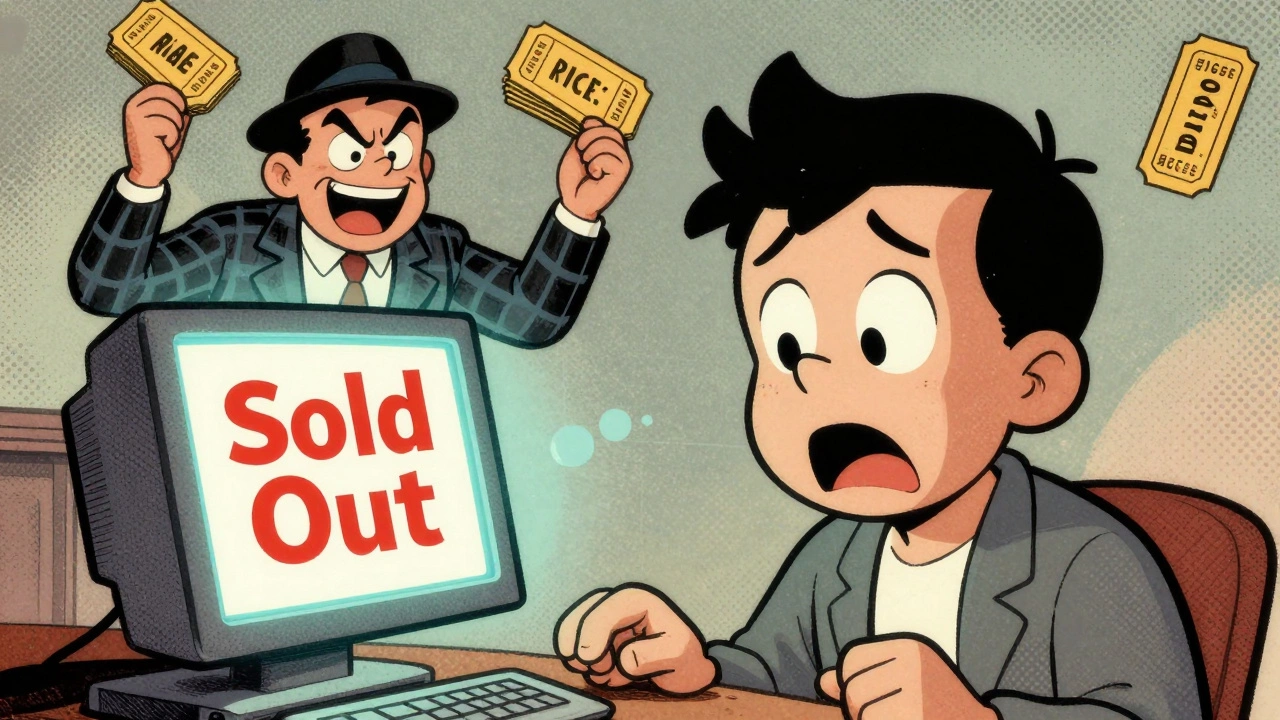

Ever tried to snag tickets for a massive stadium tour only to find them gone in seconds, then instantly appearing on a resale site for five times the price? It feels like a glitch in the system, or maybe just a scam. But the reality is that Ticket Scalping is the act of buying tickets for events with the sole intention of reselling them at a higher price . It isn't just a few opportunistic fans; it is a multi-billion dollar industry driven by the cold, hard laws of economics. In 2024, the global resale market was estimated at around $3.4 billion, proving that people are willing to pay a massive premium just to be in the room when the lights go down.
The Hidden Reason Tickets Are Underpriced
You might think promoters set low prices to be fair to fans, but the economics are more calculating than that. According to the Ticket Scalping Theorem I, a secondary market only exists when the original tickets are under-priced compared to what the market is actually willing to pay. If a ticket is listed at $100 but fans are willing to pay $300, that $200 gap is a goldmine for resellers.
Why don't artists just charge $300 from the start? There are a few strategic reasons. First, selling a ticket cheap gets you in the door. Once you're there, the venue makes a killing on Complementary Goods like $15 beers and $40 t-shirts. Second, lower entry prices help build a loyal, lifelong fan base. If a teenager can afford a cheap ticket now, they might become a high-spending VIP guest in ten years. Finally, a "sold out" sign in under ten minutes creates a frenzy of hype that makes the artist seem more legendary than they might actually be.
How the Secondary Market Actually Works
From a purely economic standpoint, scalpers act as middlemen. They take on the risk. If a scalper buys 500 tickets for a mid-tier act and the hype dies down, they are the ones losing money, not the artist. In this sense, they provide a service for the "last-minute" fan who missed the primary sale and is willing to pay a premium for access.
| Stakeholder | Potential Benefit | Primary Drawback |
|---|---|---|
| Fans | Access to "sold out" shows | Exorbitant price markups |
| Artists | Guaranteed early sell-outs | Lost revenue from markups |
| Scalpers | Profit from price gaps | Risk of tickets not selling |
| Venues | Higher concession sales | Fan frustration and bad PR |
The Tech War: Bots and Dynamic Pricing
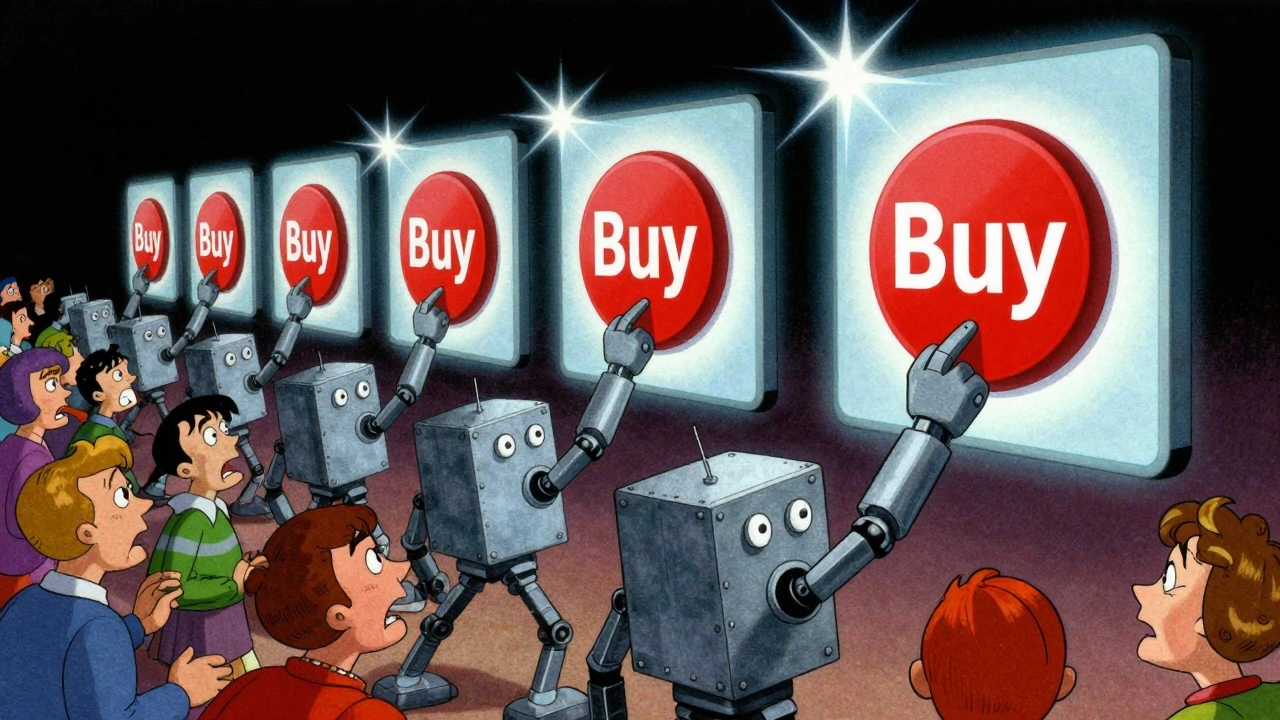
Back in the day, scalping meant standing in line on a sidewalk. Today, it's a digital arms race. Professional resellers use Ticket Bots-automated software that can bypass waiting rooms and purchase thousands of tickets in milliseconds. These bots flood platforms like StubHub and SeatGeek, effectively hijacking the supply before a human can even click "buy."
To fight back (or profit from this), the industry introduced Dynamic Pricing. This is a system where ticket prices fluctuate in real-time based on demand, similar to how Uber uses surge pricing. While this allows artists to capture some of that "lost" revenue, it often makes the primary market feel just as expensive as the secondary one, leaving fans feeling priced out of their own hobbies.
The Artist's Dilemma: Lost Revenue and Ethics
Not every artist is okay with this. Many see the secondary market as a theft of their hard-earned money. For example, the manager for Mumford & Sons once estimated the band lost roughly $3 million to resellers during a single US tour. That is money that went into the pockets of brokers instead of the musicians who wrote the songs.
Some artists have tried to break the system. Chance the Rapper famously took a stand during his Magnificent Coloring Day festival in Chicago. Instead of ignoring the scalpers, he bought about 2,000 of his own tickets back from the secondary market-some of which were listed for $200-and resold them to fans for the original face value of $45 to $75. It was a bold move that highlighted the absurdity of the markup.
Can We Actually Kill the Secondary Market?
The short answer is: yes. According to Ticket Scalping Theorem II and III, secondary markets are not an inevitable force of nature; they are a result of choice. If an artist sets the primary price at the true Market-Clearing Price (the price where supply exactly meets demand) or simply provides enough tickets to meet the demand, the incentive for scalping vanishes.
When the primary price is $500 and the market is only willing to pay $500, there is no room for a broker to make a profit. The power lies almost entirely with the artists and promoters. If they choose to prioritize fan access over "sell-out hype" or concession profits, the scalper becomes irrelevant.
Better Alternatives for Fair Access
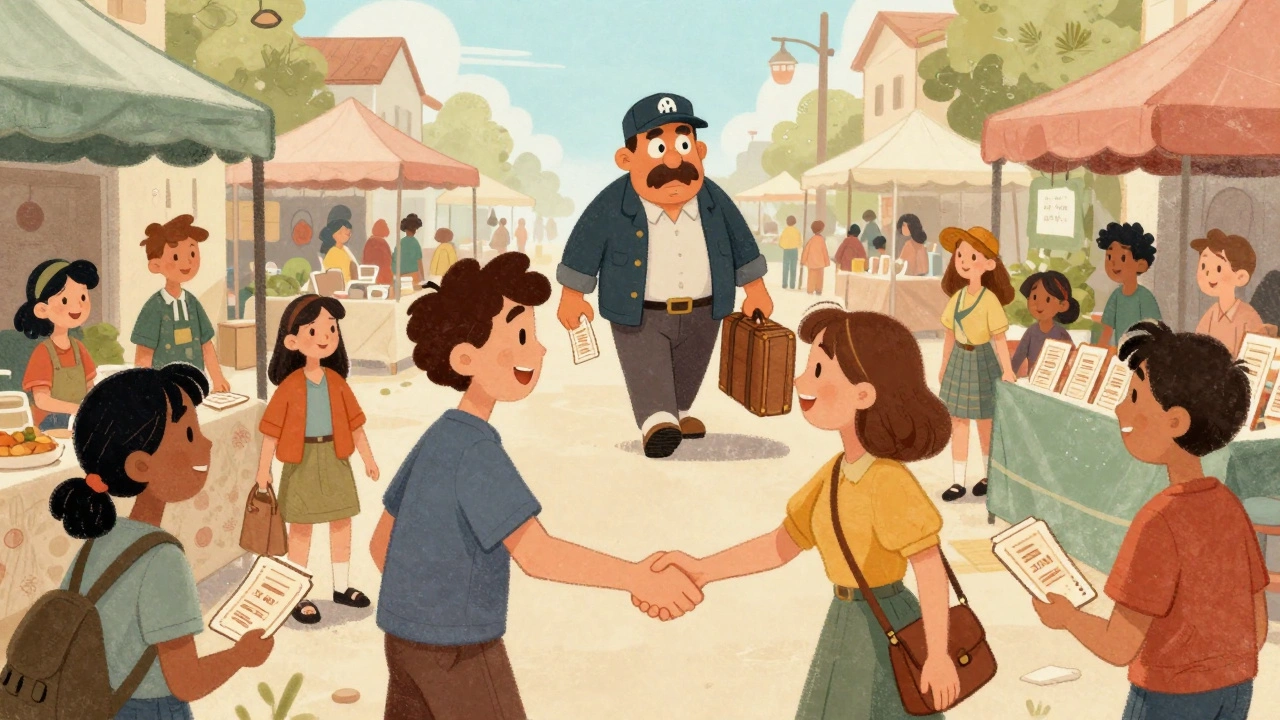
If you're tired of the price gouging, there are community-driven alternatives. One example is CashOrTrade, a platform designed specifically to let fans trade or sell tickets at face value. By removing the profit motive, it maintains the flexibility of a secondary market (allowing people who can't attend to sell their seats) without the predatory pricing.
Whether we move toward a fully regulated system or a community-led one, the tension between "market value" and "fair value" will continue to define the live music experience. Until the primary supply matches the fan demand, the secondary market will always be waiting in the wings.
Why do ticket scalpers exist if they make shows more expensive?
Scalpers exist because of a gap between the official ticket price and what fans are actually willing to pay. If the official price is too low, there is excess demand, and scalpers step in to capture that value. They essentially act as brokers who take the financial risk of buying tickets in bulk.
Does dynamic pricing stop scalping?
It reduces the profit margin for scalpers by raising the primary price closer to the market-clearing value. However, it doesn't eliminate scalping entirely, as high-demand events can still exceed even the dynamically adjusted prices.
Are ticket bots illegal?
In many regions, such as the US under the BOTS Act, using software to bypass security measures to buy tickets in bulk is illegal. However, enforcement is difficult because many bot operators operate across international borders.
Who actually benefits from the secondary market?
The primary beneficiaries are the professional resellers. However, some fans benefit by being able to buy tickets for a show that is technically sold out, and some original buyers benefit by recovering their money if they can no longer attend.
How can I avoid paying scalper prices?
Try using face-value exchange platforms like CashOrTrade, sign up for artist pre-sales, or look for verified fan registration programs that attempt to filter out bots before the general sale begins.


