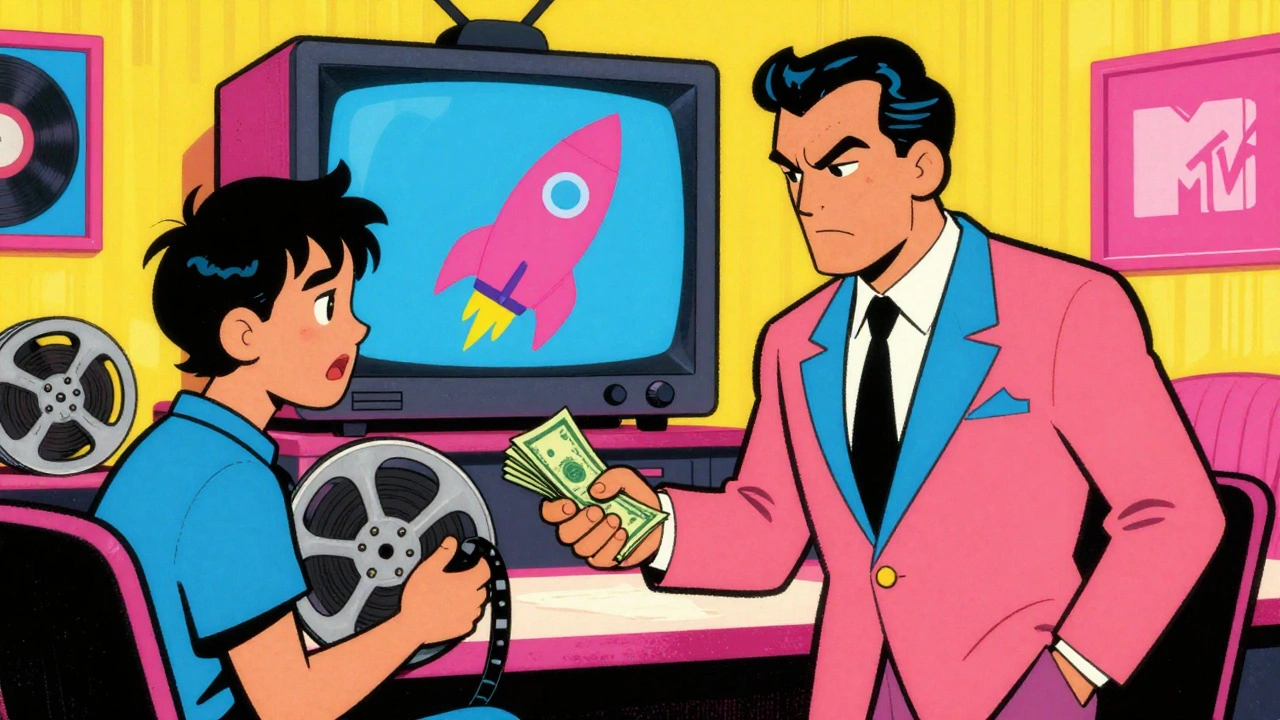

Imagine spending half a million dollars on a three-minute clip that you give away for free. It sounds like madness today, but in the 1980s, this was the standard operating procedure for major record labels. The launch of MTV is a cable television channel that launched on August 1, 1981, revolutionizing how music was promoted and consumed by prioritizing visual media over audio alone on August 1, 1981, didn't just change how we listened to music; it fundamentally rewired the financial engine of the record industry. For labels recovering from an 11% sales slump in 1979, music videos became the ultimate high-stakes gamble. They were expensive, risky, and often left artists drowning in debt-but when they worked, they created global superstars.
The Crisis That Sparked the Visual Revolution
To understand why labels threw money at cameras, you have to look at where the industry stood before MTV existed. By the late 1970s, the U.S. record business was hitting a wall. Sales had dropped significantly, marking the first major financial downturn since the Great Depression. Labels were desperate for a new way to reach audiences. Radio was saturated, and print ads were losing their punch among younger demographics who were increasingly glued to television screens.
Cable TV penetration was rising, offering a new distribution network. But there was a catch: broadcasters needed content. This created a perfect storm. Record companies like CBS Records (later Sony), Warner Bros., EMI, PolyGram, and RCA/BMG realized they could produce their own promotional material-music videos-and feed them directly to these hungry channels. It wasn't about selling the video itself; it was about using the video as a billboard for the album. The risk sat entirely with the label and the artist, while networks got premium content essentially for free.
Who Actually Paid the Bill?
You might think the label paid for the video out of its own pocket, but the reality was much more complex and often harsher for the talent. In the 1980s, music video production costs were treated as recoupable advances against artist royalties. This means the label fronted the cash, but the artist was contractually obligated to pay it back from their future earnings before seeing a single royalty check.
Think of it like a loan. If a label spent $50,000 on a video, that $50,000 went onto the artist's "debt" sheet. The label would keep 100% of the royalties generated by the album until that debt was cleared. Only then would the artist start earning their contractual share. This system meant that if a video flopped and didn't boost album sales, the artist still owed the money. Many mid-level rock and metal bands found themselves in long-term financial frustration, saddled with massive debts for glossy clips that failed to move enough units to break even.
The Escalation of Budgets
In the early days of MTV, budgets were modest. A typical low-to-mid-tier video in the early 1980s might cost between $20,000 and $50,000. These were often simple performance clips or basic narrative sketches. But as the medium proved its power, an arms race began. By the mid-1980s, mainstream pop and rock clips from major labels routinely cost between $75,000 and $150,000.
Then came the "event" videos. These were reserved for elite marquee artists and pushed budgets into the stratosphere. The most famous example is Michael Jackson’s "Thriller", released in December 1983, which had a production budget estimated at around USD500,000. To manage this cost, the label licensed a "making-of" television special to cable partners, offsetting some expenses. Even so, this was an astronomical sum compared to modern independent productions, where a decent professional video might cost around $4,000 today. The 1980s flagship videos sometimes cost one to two orders of magnitude more than contemporary indie efforts.
| Era / Tier | Estimated Budget Range (USD) | Primary Cost Drivers | Recoupment Model |
|---|---|---|---|
| Early 1980s (Mid-Tier) | $20,000 - $50,000 | Film stock, basic crew, location fees | Recoupable from artist royalties |
| Mid-1980s (Mainstream Pop/Rock) | $75,000 - $150,000 | Elaborate sets, VFX, union rates, travel | Recoupable from artist royalties |
| Late 1980s (Event/Superstar) | $300,000 - $500,000+ | Star directors, extensive post-production, licensing deals | Recoupable + potential co-financing |
| Modern Indie (2020s) | $3,000 - $6,000 | Digital equipment, small crew, social media marketing | Often non-recoupable or self-funded |
Where Did the Money Go?
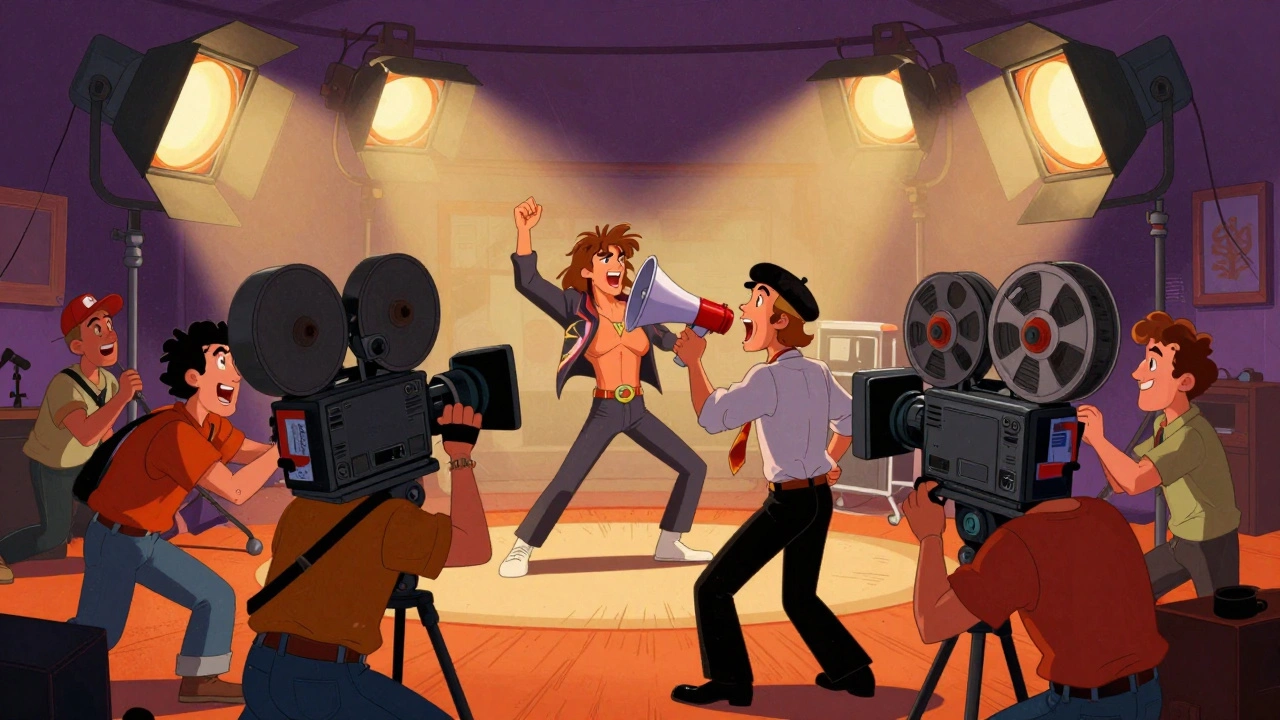
If you broke down the budget for an ambitious 1980s video, the line items looked similar to modern film production but scaled up dramatically. You had creative development, director fees, casting, art direction, set construction, wardrobe, and location fees. But the real killers were film stock and processing. Unlike digital shooting today, every second of footage cost money to capture and develop. Editing required linear tape-to-tape suites, which were expensive to rent and operate. Visual effects, whether practical or early computer graphics, added significant costs. On-location shoots incurred union rates and logistics that could push even simple videos well beyond the tens of thousands threshold.
Calculating the Return on Investment (ROI)
So, did it work? For the labels, yes. The ROI logic wasn't based on selling the video; it was based on incremental record sales. A label might estimate that spending an extra $100,000 on a video for a priority artist would secure heavy rotation on MTV. If that rotation increased album sales by 200,000 units at a wholesale price of $6-$8 per unit, that yielded $1.2 million to $1.6 million in additional gross revenue. Even after paying for distribution and royalties, the label profited handsomely.
Moreover, the benefits extended beyond album sales. A successful video boosted touring revenues, allowing acts to play larger venues and charge higher ticket prices. It drove merchandise sales and increased synchronization opportunities for films and commercials. The video acted as a brand builder, creating a visual identity that kept audiences engaged between album cycles. Artists like Madonna and Prince used visually striking videos to drive multi-platinum album sales and global tours, proving that the visual component was just as important as the audio.
The Artist's Dilemma
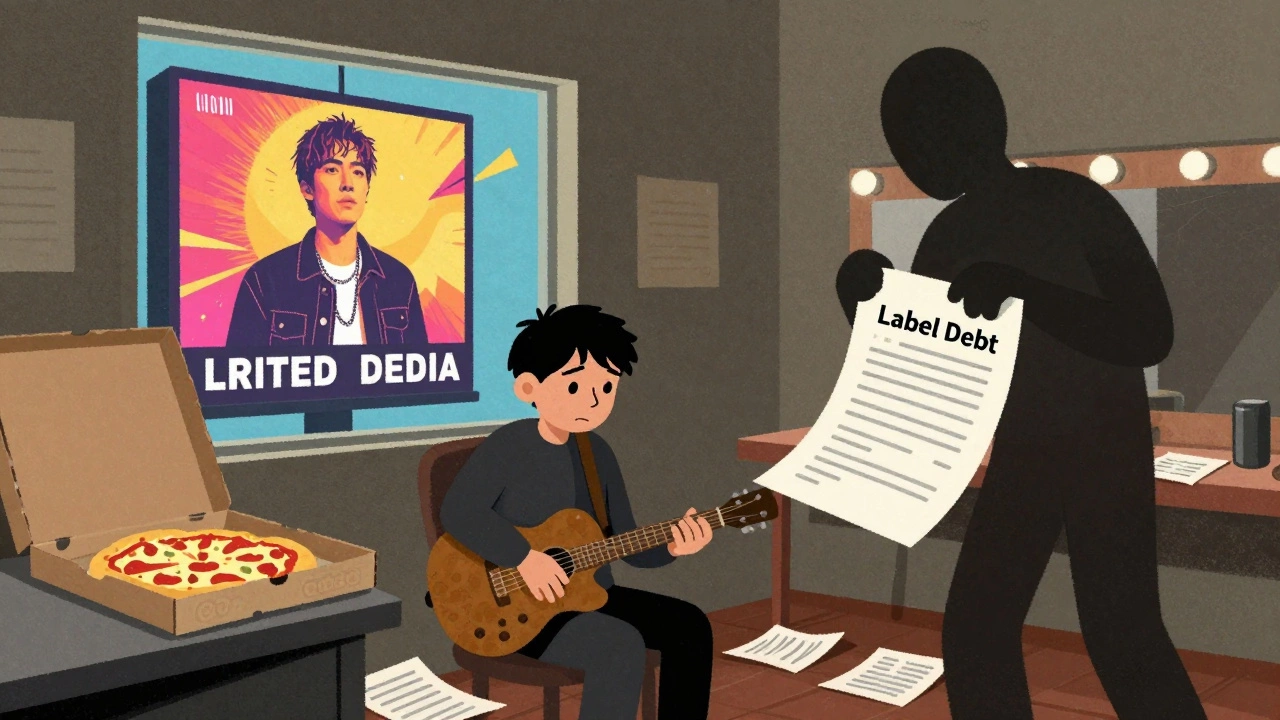
While labels celebrated, many artists faced a darker side of this equation. Because video costs were recoupable, a flop could be financially devastating. If a label spent $250,000 on a video for a mid-level act that didn't break into heavy rotation, the artist still owed that $250,000. They might never see positive royalty checks beyond their initial advance. Industry histories and memoirs from 1980s acts frequently cite this dynamic as a source of long-term resentment. Large, label-approved video budgets looked glamorous on screen but weighed down recoupment accounts, trapping artists in debt to the very companies that controlled their careers.
Why It Changed
By the end of the 1980s and into the 1990s, the business logic began to shift. Budgets continued to escalate for extreme cases, but labels started tightening spending. Cable channels diversified, fragmenting audience attention. The efficiency of the 1980s model-spending lavishly on a single clip to reach millions via a monopoly-like broadcaster-became harder to justify. Today, the focus has shifted to digital marketing, social media, and lower-budget, high-frequency content. As one veteran director noted, when funds got smaller, "taste became the budget." The era of the six-figure music video as a guaranteed ticket to stardom faded, leaving behind a legacy of iconic visuals and complex financial lessons.
Did MTV pay record labels for music videos in the 1980s?
Generally, no. MTV and other broadcasters obtained broadcast rights at little to no direct cost beyond standard performance royalty obligations to publishers and Performing Rights Organizations (PROs). The videos functioned as free content for broadcasters and expensive advertising for labels.
How much did Michael Jackson's "Thriller" video cost to make?
The production budget for "Thriller" was approximately $500,000. This was an exceptional amount for the time, partly offset by licensing a "making-of" television special to cable partners.
Were music video costs recoupable by artists?
Yes. In most major-label contracts during the 1980s, video production costs were treated as recoupable advances. Artists had to repay these costs from their royalty earnings before receiving any net payments.
What was the average budget for a mainstream pop video in the mid-1980s?
Mainstream pop and rock clips from major labels in the mid-1980s typically ranged from $75,000 to $150,000, depending on the complexity of the shoot and the status of the artist.
How did music videos impact album sales?
Videos served as powerful promotional tools that could significantly boost album sales, often turning moderate releases into multi-platinum hits. They also enhanced touring revenues and merchandise sales by building a strong visual brand for the artist.