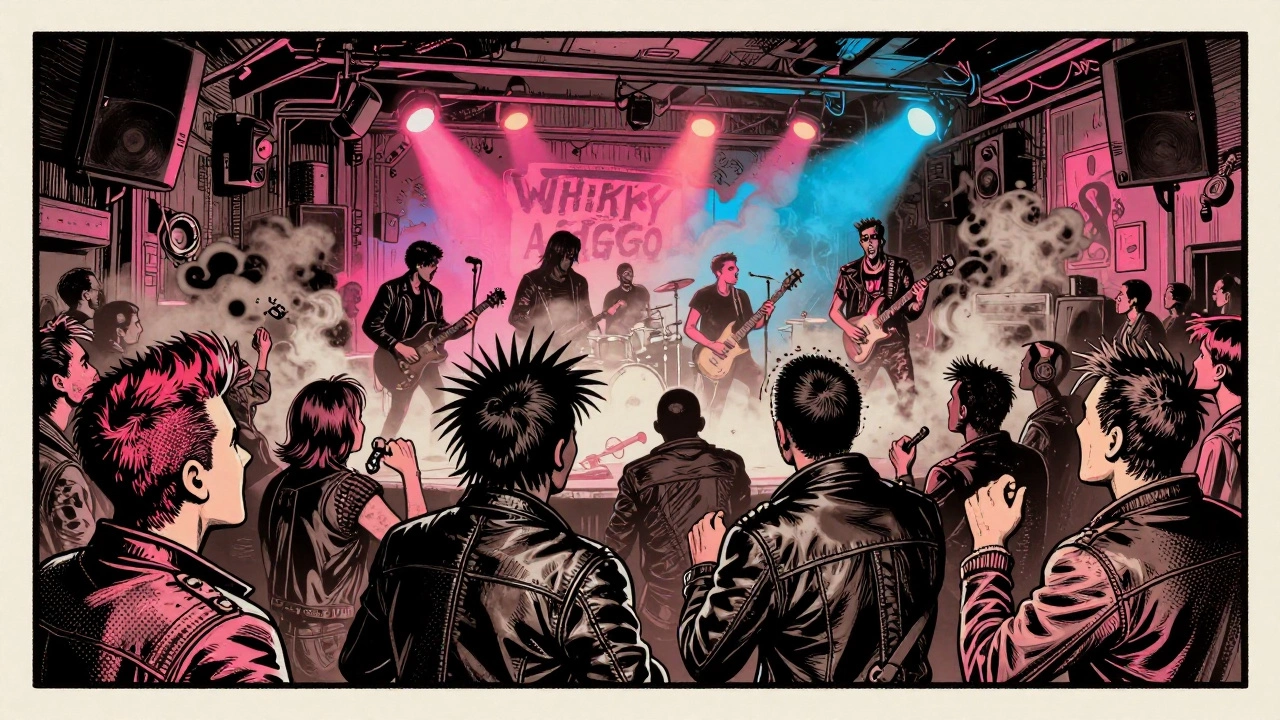

You want to understand the chaos, the speed, and the raw energy of 1980s punk. You don't just want a playlist; you want the context. You want to know why kids in Washington D.C. stopped drinking alcohol, how the scene in Los Angeles turned into something faster and angrier, and what was happening across the Atlantic in the U.K. To get that picture, you need more than just the music. You need the stories told by the people who were there.
Finding the right resources can be tricky because the best documentaries and books weren't always made or published during the 1980s. Some are contemporaneous snapshots filmed in smoky clubs, while others are retrospective histories written decades later with the benefit of hindsight. Both types offer unique value. This guide breaks down the essential visual and literary works that define the era, helping you choose where to start based on whether you care more about specific cities, band biographies, or the broader cultural movement.
Essential 1980s Punk Documentaries
Films give you the visceral experience of the era. They show you the sweat, the mosh pits, and the fashion. Here are the most critical documentaries for understanding 1980s punk, categorized by their focus.
| Title | Year | Director(s) | Primary Focus | Key Bands/Scenes |
|---|---|---|---|---|
| The Decline of Western Civilization | 1981 | Penelope Spheeris | L.A. Club Scene | Black Flag, X, Circle Jerks, Fear |
| American Hardcore | 2006 | Paul Rachman | U.S. Hardcore Survey | National (1980-1986) |
| Punk the Capital | 2019 | James Schneider et al. | Washington D.C. | Bad Brains, Minor Threat |
| You Weren’t There | 2007 | Joe Losurdo & Christina Tillman | Chicago | Big Black, Naked Raygun |
| Urgh! A Music War | 1981 | Derek Burbidge | UK Live Performance | Dead Kennedys, X, Various |
The Definitive L.A. Snapshot: The Decline of Western Civilization
If you only watch one film from this list, make it The Decline of Western Civilization, directed by Penelope Spheeris. Shot between 1979 and 1980 but released in 1981, this documentary captures the exact moment when late-1970s punk mutated into early-1980s hardcore. It isn't a polished history lesson; it’s a gritty, handheld look inside the Whisky a Go Go and other legendary L.A. clubs.
You’ll see bands like Black Flag, X, and the Circle Jerks performing live, but you’ll also see the aftermath. The film doesn’t shy away from the darker side of the scene, showing drug use and personal struggles alongside the musical innovation. Paste Magazine frequently cites this as the classic 1980s punk documentary because it feels immediate and unfiltered. It sets the baseline for everything that followed in the American underground.
The National Overview: American Hardcore
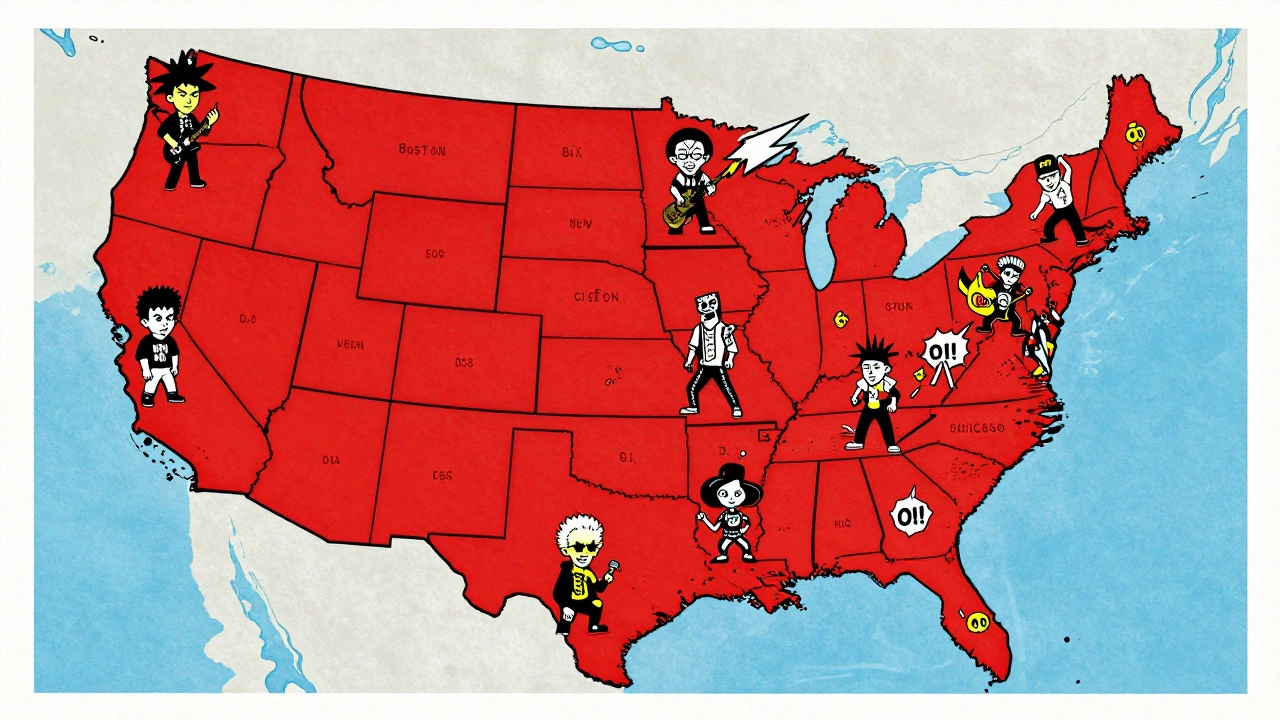
While *Decline* focuses on Los Angeles, American Hardcore is a comprehensive historical survey of the U.S. hardcore scene from 1980 to 1986. Directed by Paul Rachman and based on Steven Blush’s book of the same name, this 2006 documentary uses archival footage and interviews to map out the entire country. It connects the dots between scenes in Boston, New York, Chicago, and beyond.
This film is ideal if you want to understand the geography of punk. It explains how the sound traveled from coast to coast and evolved regionally. Although it was released decades after the events, its structure makes it an efficient primer. It covers the birth of the straight edge movement, the rise of independent labels, and the ideological debates that fueled the culture.
Regional Deep Dives: D.C. and Chicago
To truly grasp 1980s punk, you need to look beyond the coasts. Two excellent documentaries provide deep dives into specific regional hubs.
Punk the Capital: Building a Sound Movement is a monumental documentary about the rise of punk rock in Washington D.C. Released in 2019, it explores the community that produced Bad Brains and Minor Threat. It details how these bands created a distinct identity that influenced post-hardcore and the straight edge lifestyle. Night Flight Plus highlights this film as essential viewing for understanding the political and social undercurrents of the D.C. scene.
For the Midwest, check out You Weren’t There: A History of Chicago Punk 1977-1984. This film looks at how Chicago developed its own aggressive, industrial-tinged punk sound parallel to the rest of the country. It features bands like Big Black and Naked Raygun, offering a counter-narrative to the L.A. and D.C. stories.
UK Perspectives and Live Energy
The U.K. had a different trajectory in the 1980s, moving from first-wave punk into Oi!, street punk, and anarcho-punk. Music Nation: Soap the Stamps, Jump the Tube is a Channel 4 documentary focusing on 1980s UK DIY culture. CVLT Nation recommends this episode for its insight into cassette culture, zines, and underground bands that operated outside the mainstream. It sheds light on the grassroots infrastructure that kept the scene alive.
For pure performance energy, Urgh! A Music War is a 1981 concert film capturing late-70s and early-80s punk acts. While it includes some new wave artists, its footage of bands like the Dead Kennedys and X provides invaluable visual records of what these groups looked like on stage at the dawn of the decade. Similarly, *Dance Craze* (1981) documents the 2-Tone ska revival, which intersected heavily with punk audiences in the U.K., showcasing bands like The Specials and Madness.
Must-Read Books on 1980s Punk
Documentaries show you the surface; books take you behind the curtain. These texts provide the narrative depth, oral histories, and primary sources that films often skip due to time constraints.
The Tribal History: American Hardcore by Steven Blush
American Hardcore: A Tribal History by Steven Blush is the definitive oral history of the U.S. hardcore scene from 1980 to 1986. First published in 2001, this book is organized by region, giving detailed profiles of scenes in Washington D.C., Boston, New York, Los Angeles, and the Midwest. It reads like an encyclopedia but feels like a conversation with your friends who were there.
Blush interviewed hundreds of participants, from famous frontmen to obscure club owners. If you want to know who booked the shows, who printed the flyers, and what the local politics were like in each city, this is your source. It complements the *American Hardcore* documentary perfectly, offering even more granular detail.
Band Biographies: Our Band Could Be Your Life by Michael Azerrad
While Blush focuses on scenes, Our Band Could Be Your Life: Scenes from the American Indie Underground 1981-1991 by Michael Azerrad focuses on 13 influential bands that defined the era. Published in 2001, this book profiles groups like Black Flag, Minor Threat, Hüsker Dü, Minutemen, Mission of Burma, and Sonic Youth.
Azerrad excels at character study. He explores the personal lives, creative processes, and internal conflicts of these musicians. The subtitle indicates the timeframe extends into the early 1990s, but the first half is deeply rooted in the 1980s. It’s particularly good at explaining how punk evolved into indie rock and alternative music, tracing the lineage directly from the hardcore explosion.
Washington D.C. Specific: Dance of Days
For a deeper look at the D.C. scene mentioned in *Punk the Capital*, read Dance of Days: Two Decades of Punk in the Nation’s Capital by Mark Andersen and Mark Jenkins. This 2001 book chronicles the community from the late 1970s through the 1990s. It covers the rise of Dischord Records, the straight edge movement, and the Revolution Summer of 1985. It serves as the textual counterpart to the D.C. documentary, providing context for the social activism and communal living arrangements that characterized the area.
U.K. Histories: Ian Glasper’s Trilogy
British punk in the 1980s fragmented into several subgenres, and Ian Glasper’s multi-volume histories cover these movements systematically. His trilogy includes:
- Burning Britain: The History of UK Punk 1980-1984: Covers second-wave punk, Oi!, and street punk.
- The Day the Country Died: A History of Anarcho Punk 1980-1984: Documents bands like Crass and Flux of Pink Indians.
- Trapped in a Scene: UK Hardcore 1985-1989: Explores the faster, heavier hardcore movement of the mid-to-late 80s.
These books are dense but authoritative. They are essential for anyone interested in the political and stylistic diversity of British punk during this period.
Primary Sources: Memoirs and Zines
Sometimes you want the raw, unedited perspective. Memoirs and zine compilations offer this texture.
Get in the Van: On the Road with Black Flag by Henry Rollins collects tour diary entries from 1981 to 1986. It’s not a traditional biography; it’s a day-by-day account of life on the road. You’ll read about bus breakdowns, terrible food, intense performances, and the camaraderie among touring musicians. It’s exhausting, funny, and deeply human.
For visual documentation, Banned in DC: Photos and Anecdotes from the DC Punk Underground (79-85) offers a photo-zine style look at the D.C. scene. Additionally, Touch and Go: The Complete Hardcore Punk Zine 1979-1983 reproduces one of the most important fanzines of the era, preserving the voices of fans who wrote about the music before critics got involved.
How to Use These Resources Together
Don’t pick just one. The best way to understand 1980s punk is to layer these resources. Start with a broad overview, then drill down into specifics.
- Start Broad: Watch American Hardcore and read American Hardcore: A Tribal History. This gives you the national map and the key players.
- Add Regional Depth: If you’re interested in L.A., watch The Decline of Western Civilization. For D.C., pair Punk the Capital with Dance of Days. For the U.K., explore Glasper’s books and Music Nation.
- Experience the Live Show: Watch Urgh! A Music War or Dance Craze to hear the music and see the performance style firsthand.
- Get the Personal Touch: Read Get in the Van or Our Band Could Be Your Life to understand the individual experiences behind the collective movement.
This approach ensures you get the big picture without losing the intimate details that make the story compelling. Whether you’re a researcher, a writer, or just a curious fan, combining these visual and literary sources will give you a comprehensive understanding of one of the most influential decades in music history.
What is the best documentary for beginners to 1980s punk?
For beginners, The Decline of Western Civilization is often recommended because it provides an immediate, visceral snapshot of the early 1980s L.A. scene. However, if you prefer a structured historical overview, American Hardcore is a better starting point as it covers the entire U.S. landscape from 1980 to 1986.
Are there any documentaries specifically about UK punk in the 1980s?
Yes, Music Nation: Soap the Stamps, Jump the Tube is highly regarded for its focus on 1980s UK DIY culture, including cassette tapes and zines. Additionally, Ian Glasper’s books provide extensive written histories of UK punk subgenres like Oi! and Anarcho-punk during this period.
Which book should I read if I want to know about specific bands?
Our Band Could Be Your Life by Michael Azerrad is the best choice for band-focused narratives. It profiles 13 key bands, including Black Flag, Minor Threat, and Sonic Youth, offering deep dives into their creative processes and personal lives.
Is American Hardcore: A Tribal History still relevant today?
Absolutely. Despite being published in 2001, it remains the standard reference for the 1980-1986 U.S. hardcore scene. Its oral history format preserves the voices of participants, making it a timeless primary source for researchers and fans alike.
Where can I find these documentaries?
Availability varies. The Decline of Western Civilization has been re-released in boxed sets. Punk the Capital is featured on streaming platforms like Night Flight Plus. You Weren’t There is occasionally available on YouTube. Many titles can also be found on DVD or through library archives.


